Research shows many benefits to spending time outdoors. Below are 101 practical ways to get into nature, plus a free printable to inspire you.
Numerous studies indicate that regular exposure to natural environments supports both physical and mental health. Author Richard Louv popularised the idea of “Vitamin N”—a metaphor for the restorative effects of nature, suggesting that time outside is essential for well-being much like dietary vitamins are for physical health.
Despite those benefits, many people spend most of their time indoors, commuting between home, work and other built environments. Urban living can make it harder to encounter incidental nature, so being intentional about carving out time outside is increasingly important.
This article explains the main benefits of nature exposure, offers practical ways to spend more time outside, and includes a printable ideas sheet to keep handy.
The Benefits of Nature Exposure

Researchers continue to explore why nature is restorative. Possibilities include cleaner air, increased vitamin D from sunlight, reduced sensory overload, exposure to natural light and open vistas, calming scents, and a different pattern of attention that feels effortless and refreshing. It’s likely that several of these factors combine to create the benefits people report.
While most research supports the positive effects of nature, some reviews note limitations in study samples and call for broader, more diverse research. Still, the overall evidence suggests spending time in nature contributes to better health and life satisfaction.
Nature and Physical Health and Fitness
Outdoor activities naturally encourage movement: walking, hiking, cycling, kayaking and similar pursuits improve cardiovascular fitness, stamina and mobility. Even low-intensity time outdoors—sitting in a garden or strolling—can increase incidental activity compared with sitting indoors.
Sun exposure in moderation helps the body produce vitamin D, which many people are low in because of indoor lifestyles. Time outdoors has also been linked with improvements in sleep quality, reductions in blood pressure, and potential benefits to immune function. Longer-term associations suggest lower risks for some chronic conditions, though individual results vary.
Nature and Mental Health
Time in green and blue spaces is consistently associated with better mental health. Studies over the past decades report improved mood, increased positive emotion, reduced stress, and reductions in symptoms of anxiety and depression. Nature can also provide a buffer against loneliness and promote quicker recovery from stressful experiences.
Nature and Cognitive Health
Walking and being in natural settings can clear the mind and support thinking and creativity. Many writers, composers and philosophers historically praised the clarity that walking in nature brings. Contemporary research supports these observations, showing improvements in working memory, attentional control, cognitive flexibility, and creative problem-solving after time spent in greenspace.
Miscellaneous Benefits of Nature
Beyond physical and mental effects, spending time outdoors has wider benefits:
- It engages the senses and expands perception.
- Shared outdoor experiences often strengthen relationships and communication.
- Being in nature can foster a stronger sense of meaning, spirituality or personal connection.
- Regular exposure promotes environmental awareness and motivation to protect natural spaces.
One practical advantage many people notice is that outdoor activities are generally inexpensive. Exploring tide pools, picnicking, hiking or birdwatching costs little and can reduce time and money spent on consumer activities.
How Much Nature Time Do You Need to Get the Benefits?
You may need less time outdoors than you think. One study found that roughly 120 minutes per week spent in natural settings is associated with better health and wellbeing. That averages to under twenty minutes a day, and the 120 minutes can be accumulated in a single day or spread across the week. Benefits tended to peak at a few hours a week, so even modest, regular exposure to nature appears worthwhile.
Maximising the Benefits
Make the most of your time outside with a few simple habits:
Come prepared. Pack sun protection, insect repellent, suitable clothing and footwear so weather or pests don’t cut your outing short.
Choose a place you feel safe. Feeling secure helps you relax and enjoy your surroundings.
Be present and observe. Turn off or put away distractions. Notice the sun on your skin, the breeze, bird calls, scents, textures and colours. Deep breathing and mindful attention enhance nature’s restorative effects.
Ideas for Spending More Time in Nature
Modern life can make outdoor time feel optional, so here are practical ideas to help you get outside more often.
Get out of the House
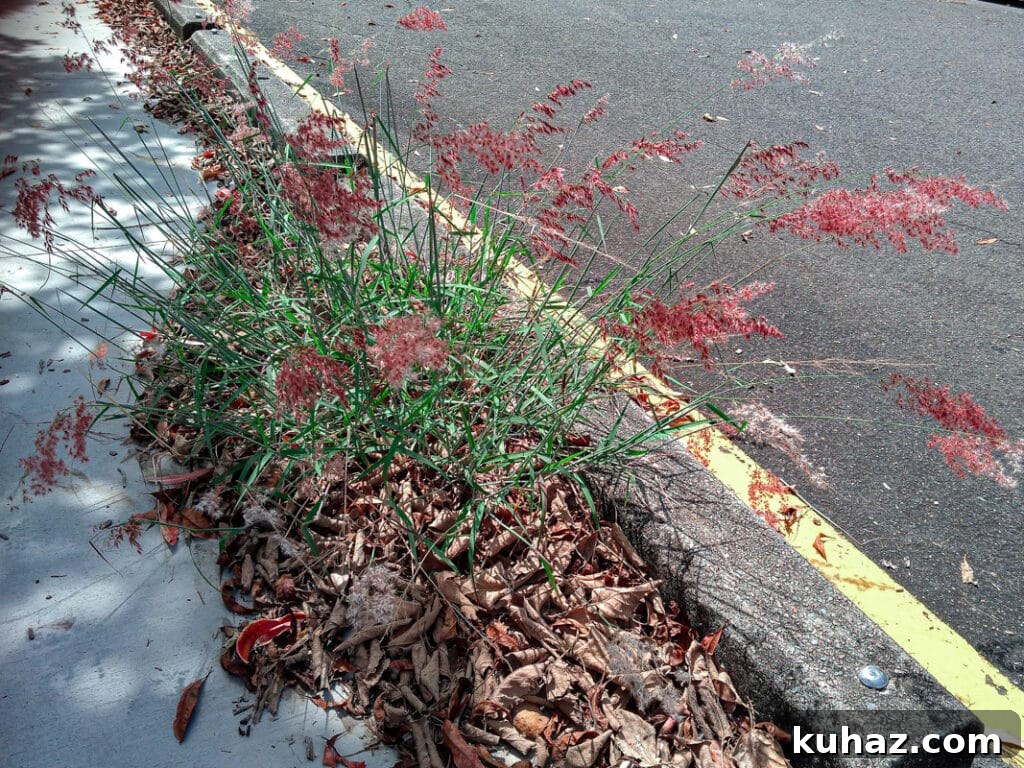
Visit parks, beaches, rivers, nature reserves and walking trails. Eat lunch on grass, picnic under a tree, try forest bathing, walk the neighbourhood verge, stargaze, or enjoy dawn or dusk at a scenic spot. Jump in puddles, play in autumn leaves, build a snowman, forage responsibly, camp, bike, fish, attend outdoor markets or festivals, and bring indoor activities outside—read under a tree or take your work to a sunny verandah.
Deepen Your Knowledge of Nature
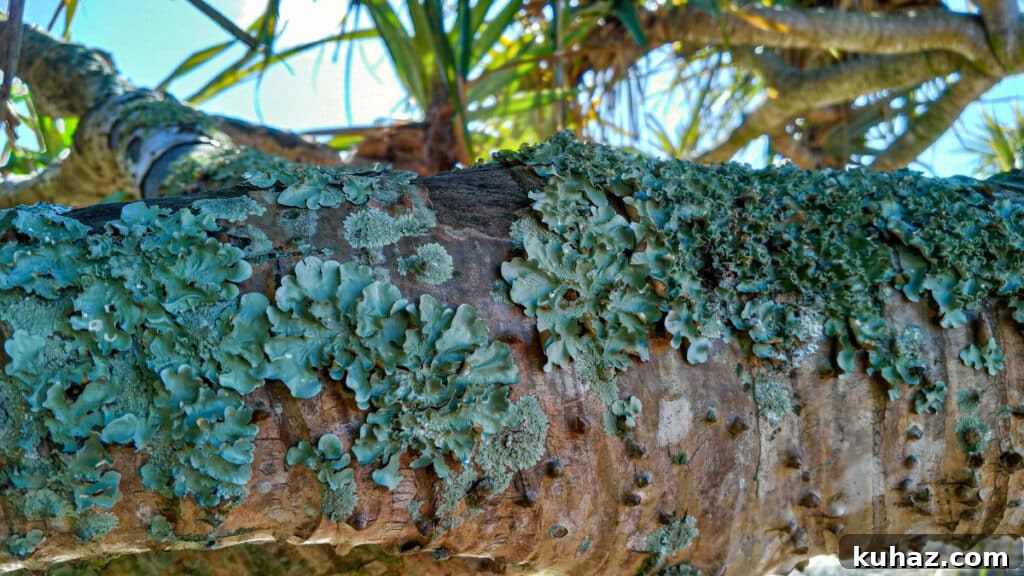
Learn about local plants, animals and insects through books, library resources, guided walks, workshops or community groups. Keep a nature journal, birdwatch, sketch, take photographs, or create a simple guide to your local wildflowers and trees.
Bring Nature to You
Create a garden with native plants to attract insects and birds. Grow edible plants, keep indoor plants, open windows and doors, install a bird bath, start a worm farm, or meditate and practice yoga outside. Using natural materials for homewares and decorating with plants can help bring sensory elements of nature into daily life.
Conserve Nature
Get involved in local conservation efforts, plant trees, remove invasive species, pick up litter or take part in community clean-ups. Small actions add up and help preserve the ecosystems we all rely on.
Free Printable – Ideas for Spending More Time Outdoors
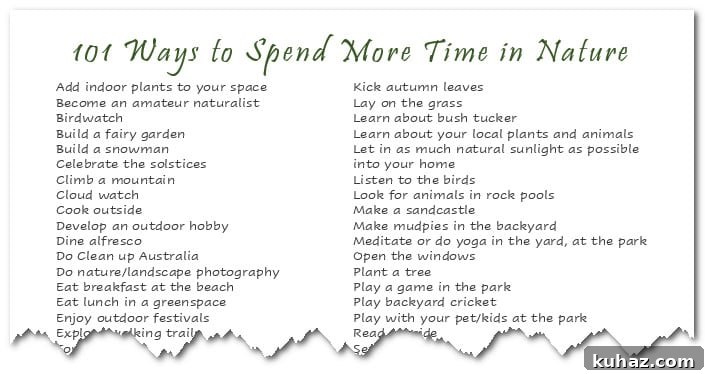
For quick inspiration, keep a printed list of outdoor activities on the pantry door or fridge. A compact checklist makes it easy to choose something when you need motivation. The printable compiles many of the ideas above into a single, shareable sheet.
If you want a deeper read on the science behind nature’s effects, consider books such as Your Brain on Nature: The Science of Nature’s Influence on Your Health, Happiness, and Vitality.
As cities expand, our natural world changes and sometimes shrinks. Noticing and valuing nearby nature is the first step toward protecting and regenerating it. The rewards flow both ways: spending time in nature supports our health while helping us become better stewards of the environment.