According to a recent poll, the average person attempts to declutter their home four times a year. So if you’ve ever asked, “Why is it so hard to get rid of stuff?” — you’re not alone.
It is hard. But if your goal is a cleaner, calmer home, you can get there. This post explains why letting go feels difficult and offers practical mindset shifts and strategies to make decluttering easier and more sustainable.
RELATED: How to Quickly Clean Your Home When it’s a Disgusting Mess
GETTING INTO A DECLUTTERING MINDSET
Decluttering isn’t just a physical task. Objects carry emotions, memories, expectations, and identity. A pair of pants you haven’t fit into since having kids can represent a previous self. An inherited chair might feel like a memory you can’t discard, even if it doesn’t fit your space.
To declutter effectively you need more than a checklist — you need to be in the right headspace. That means recognizing the emotional and practical reasons you hold on to things, so you can decide whether an item truly serves your life now.
Below are seven common reasons decluttering is difficult, and ways to overcome each barrier so you can build a calmer, more functional home.
RELATED: The Simple Laundry System That Will Change Your Life and Save you Hours Each Week

7 Reasons WHY IT’S SO HARD TO DECLUTTER
Clutter affects wellbeing. It can increase anxiety, make cleaning harder, reduce focus, strain relationships, and cause wasted time searching for things. Knowing why you resist letting go helps you move past the hurdles.
1. You Feel Wasteful
A common obstacle is the feeling that discarding items is wasteful—especially when you paid a lot for them. This is often the sunk-cost fallacy: you value an unused item more because you invested in it.
That unused kitchen gadget, tagged clothes you never wear, or expensive sports equipment can sit in your home long after its usefulness has ended.
How to overcome it: Determine each item’s true value today. Ask yourself, “How much would I spend on this now?” If you wouldn’t buy it today, its current value to you may be near zero. Also consider the ongoing cost of keeping it—space, mental load, and the portion of your mortgage or rent used to store things you don’t use.
2. You think “But we might need it”
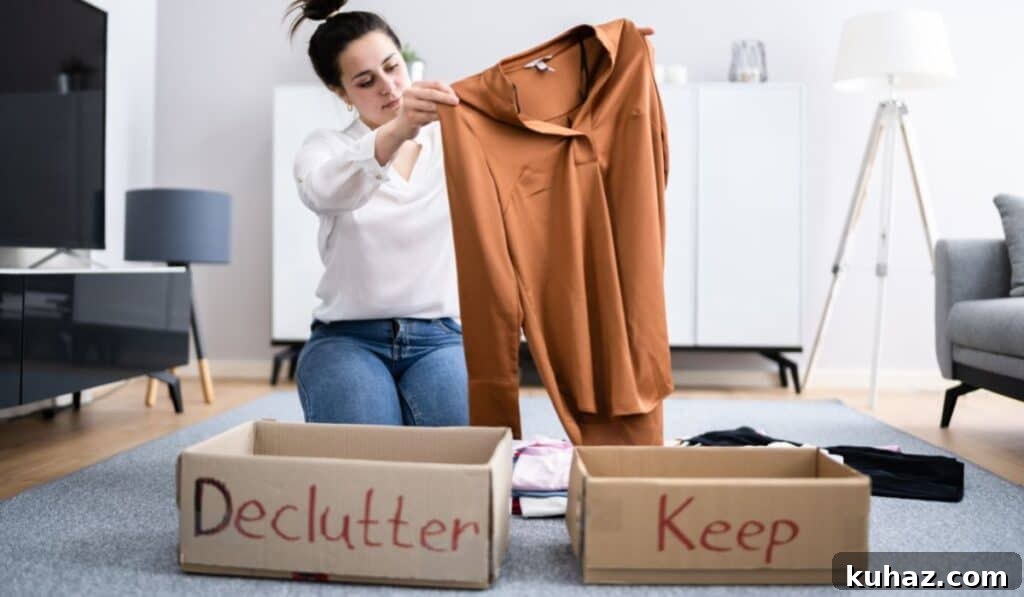
Many of us keep items “just in case,” even when we haven’t used them for years and have no plans to. Those items add clutter and stress more than they ever repay.
How to overcome it: Make a plan for what to do if you really need the item later. Borrow from a friend, rent, or buy used if necessary. For the vast majority of items, letting them go won’t leave you stranded—but it will free up space and peace of mind.
3. You’re concerned about the environment
It’s valid to worry about waste and the environment. But keeping unused items at home doesn’t save them—recycling or rehoming them does.
How to overcome it: Donate or give items to someone who will use them, and reduce future consumption by buying less and choosing used items. Passing belongings to someone who needs them prevents new purchases and helps the environment more than hoarding ever will.
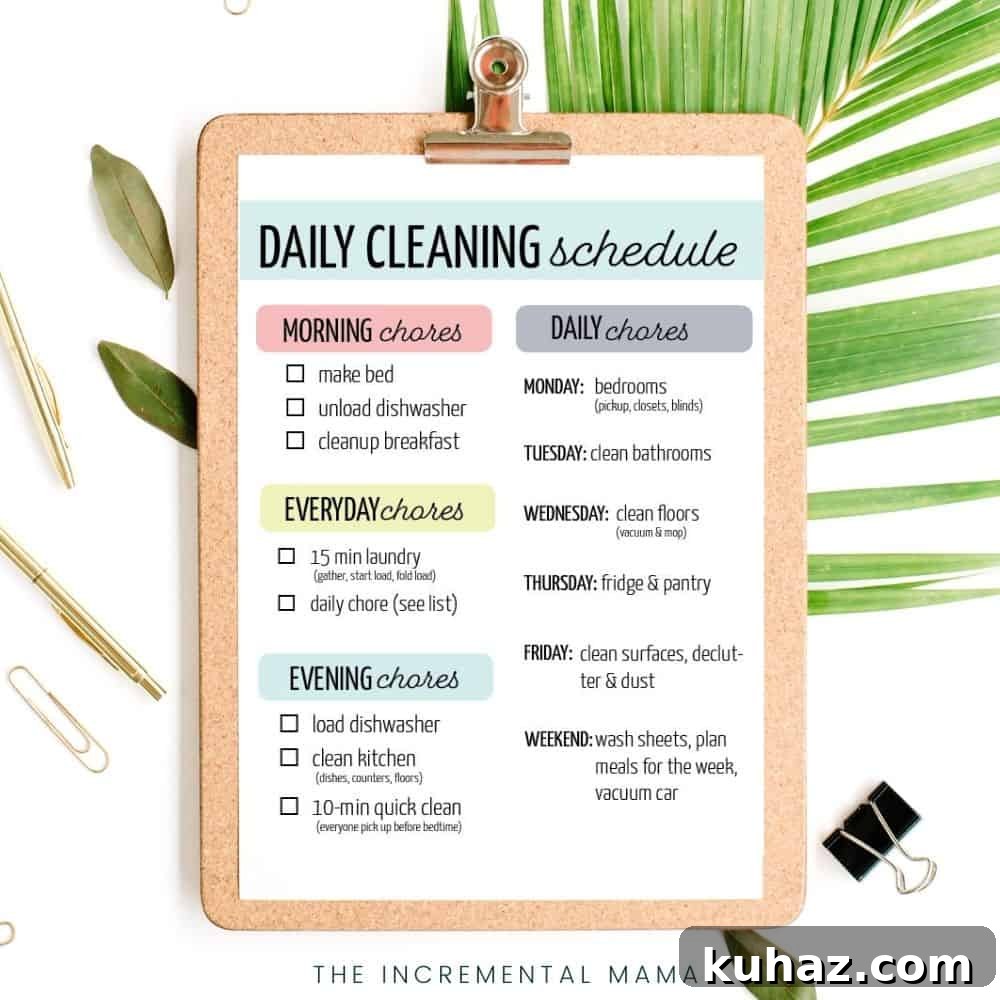
RELATED: A Cleaning Schedule You Can Actually Stick to (And Free Printable)
4. The project feels too big and overwhelming
Decluttering an entire home is a big task. That alone can stop you before you begin.
How to overcome it: Create a realistic decluttering plan. Choose a strategy you’ll actually follow—room by room, category by category, or a daily “bag” goal. Set small, manageable targets and work a little each day or week. Consistent progress beats occasional, overwhelming efforts.

5. You don’t know what to do with your stuff
Sometimes items are in good condition but you don’t know where to donate them or who would want them. That uncertainty keeps things around.
How to overcome it: Offer items locally for free on community boards or marketplaces, drop them at donation centers, or post them in local “free stuff” listings. Many charities accept used goods; some items, like electronics or hazardous materials, require special recycling options. A quick local search will point you to the right place.
- Post items to local Facebook groups or marketplace as “free to a good home.”
- List on Craigslist Free Stuff, or schedule a pickup from a donation center.
- Take usable items to donation sites like Goodwill, Habitat restores, or community shelters.

6. The object has sentimental value
Family keepsakes preserve memories, but they can also become obligations that clutter your space rather than bring joy.
How to overcome it: Ask whether you truly need the item. Can a photo capture the memory? Could a smaller item represent the same sentiment? Keep what brings you genuine joy; let go of what feels like a duty.
7. You’re doing it alone
Decluttering can be harder when others in the household don’t participate. You can’t force change, but you can influence it and set boundaries.
Try these strategies:
- Share the “big why”: Explain how decluttering improves health, reduces stress, and makes home life easier.
- Lead by example: When others see the benefits, they may be more willing to join in.
- Offer to help: Gently offer support to sort and organize without being pushy.
- Create clear boundaries: Agree on spaces for personal items so clutter has a home.
You Can Declutter Your Home
Although letting go can feel emotional and difficult, small mindset shifts and practical strategies make it manageable. Use the approaches above to overcome the common obstacles and create a home that’s easier to keep clean, more relaxing, and more joyful for your family.
You may also like…
Goodwill | Habitat for Humanity Restores | Deseret Industries | Baby2Baby