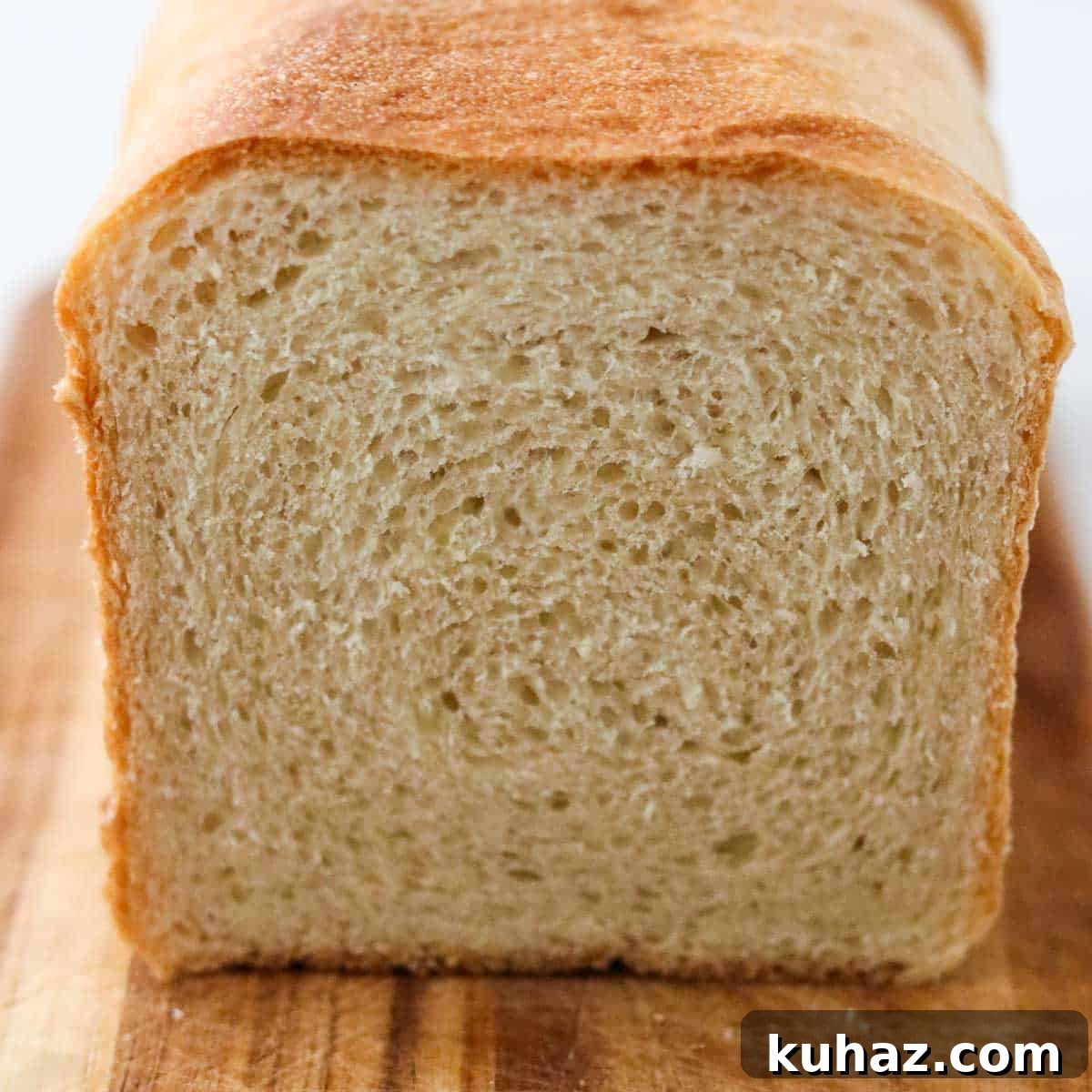
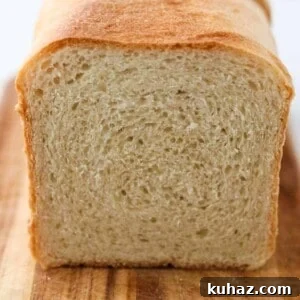
This easy homemade buttermilk bread recipe yields a soft, tender crumb with a faint, pleasant tang from the buttermilk. Light, pillowy, and slightly enriched, this loaf is ideal for sandwiches, toast, or simply spread with butter and jam. It toasts beautifully: crisp on the outside yet tender inside. If you enjoy approachable, everyday bread with a subtle Scandinavian influence, you’ll love this one.
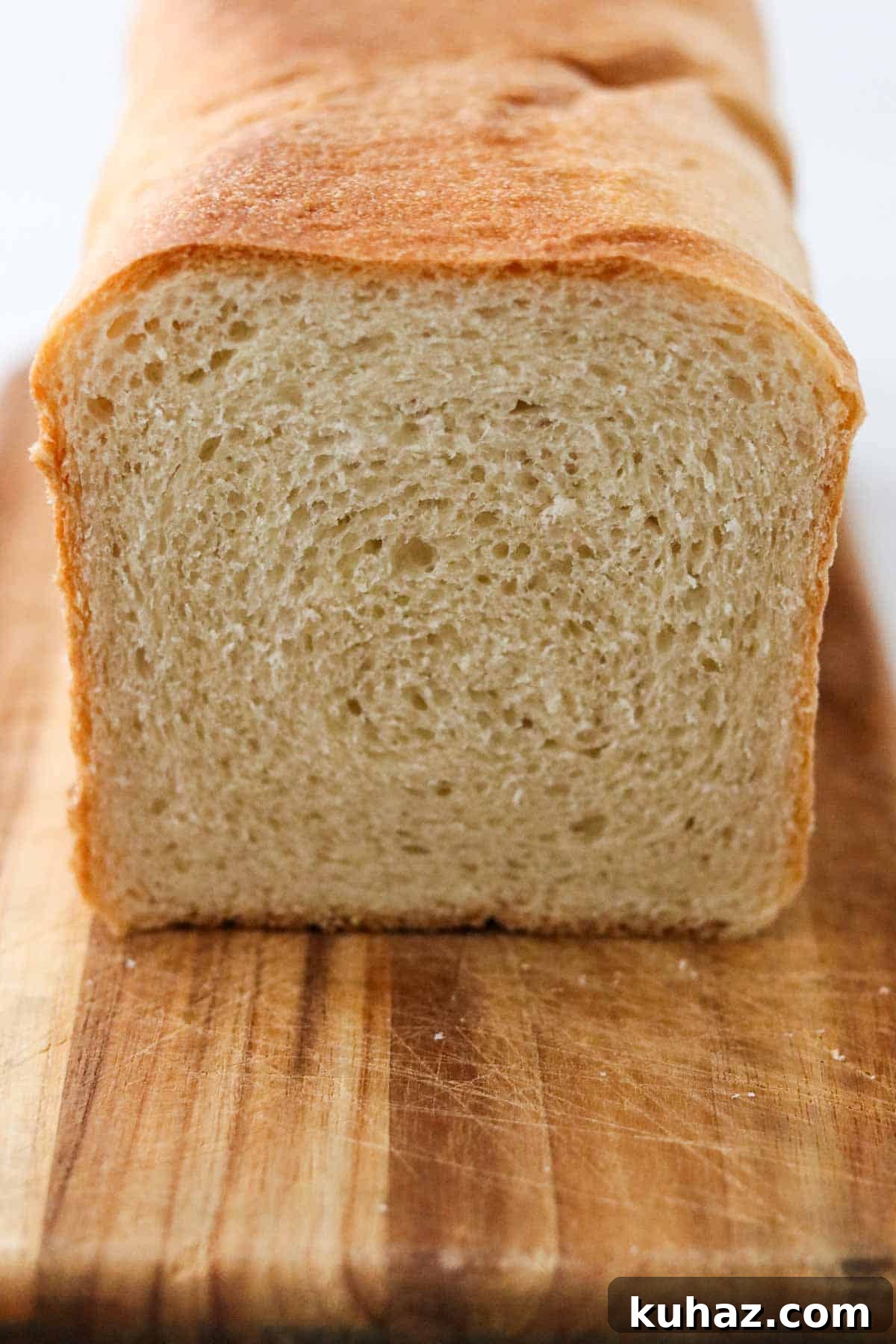
This recipe was inspired by a trip to Denmark, where open-faced sandwiches served on toasted, sturdy bread are a daily delight. The loaf is versatile enough for classic smørrebrød or for lighter breakfast toasts and makes a superb base for both sweet and savory toppings. While my site includes heartier rye and whole grain loaves, this buttermilk bread is intentionally lighter — a simple, tender white loaf with character and excellent texture.
Ingredients
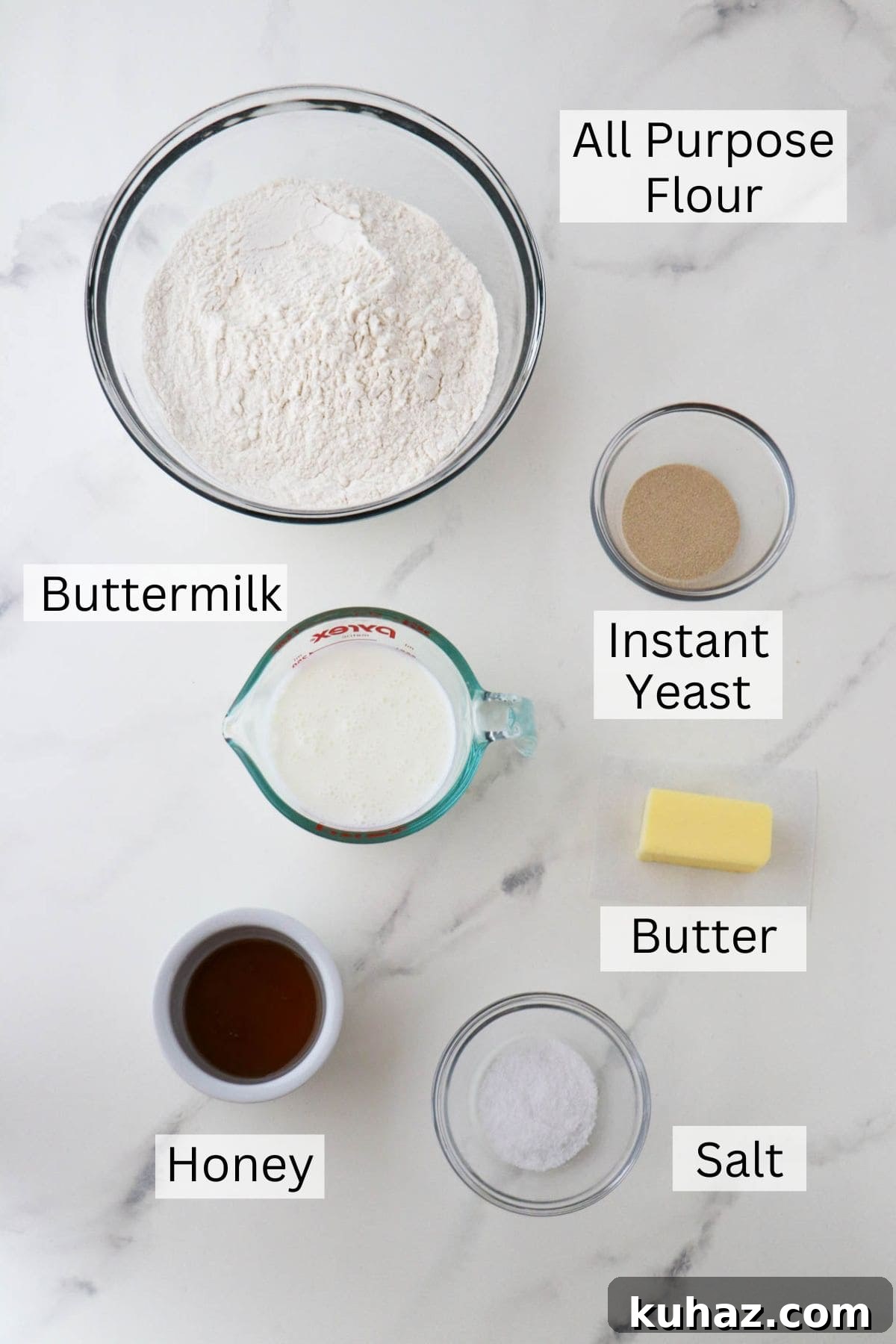
- All-purpose flour: The base for this loaf, producing a sturdy yet soft crumb.
- Buttermilk: Adds a gentle tang and contributes to a tender texture.
- Instant yeast: A quick and reliable leavener for this dough.
- Honey: Provides mild sweetness and balances the tang of the buttermilk.
- Unsalted butter: Melted butter enriches the dough and improves flavor.
- Salt: Brings out flavor and balances the loaf.
Exact amounts and step-by-step instructions are included in the recipe block below.
Substitutions
- No buttermilk? Stir 1 tablespoon of distilled white vinegar or lemon juice into 1 cup of milk and let it sit 10 minutes at room temperature until it thickens slightly; use as a substitute.
- Honey swap: Use maple syrup in the same amount for a different flavor profile.
- Butter alternative: Vegetable oil can replace melted butter in equal measure.
- Using active dry yeast: If using active dry yeast instead of instant, dissolve 1 tablespoon active dry yeast in the warmed buttermilk (100–110°F) and let it sit until bubbly, about 10 minutes, before adding to the flour.
Variations
- Herbed buttermilk bread: Fold in chopped fresh herbs such as rosemary, thyme, dill, or chives near the end of kneading for a savory twist.
- Part whole wheat: Substitute up to half the all-purpose flour with whole wheat flour for a nuttier, heartier loaf.
Instructions
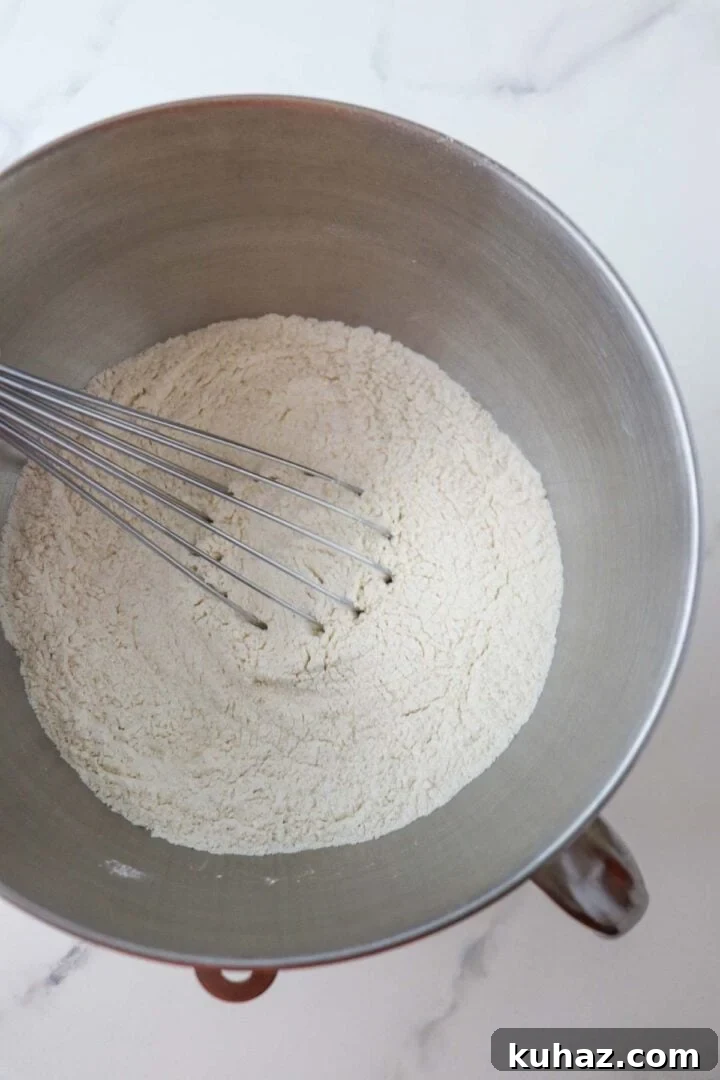
- Combine dry ingredients: In the bowl of a stand mixer, whisk together the flour, instant yeast, and salt.
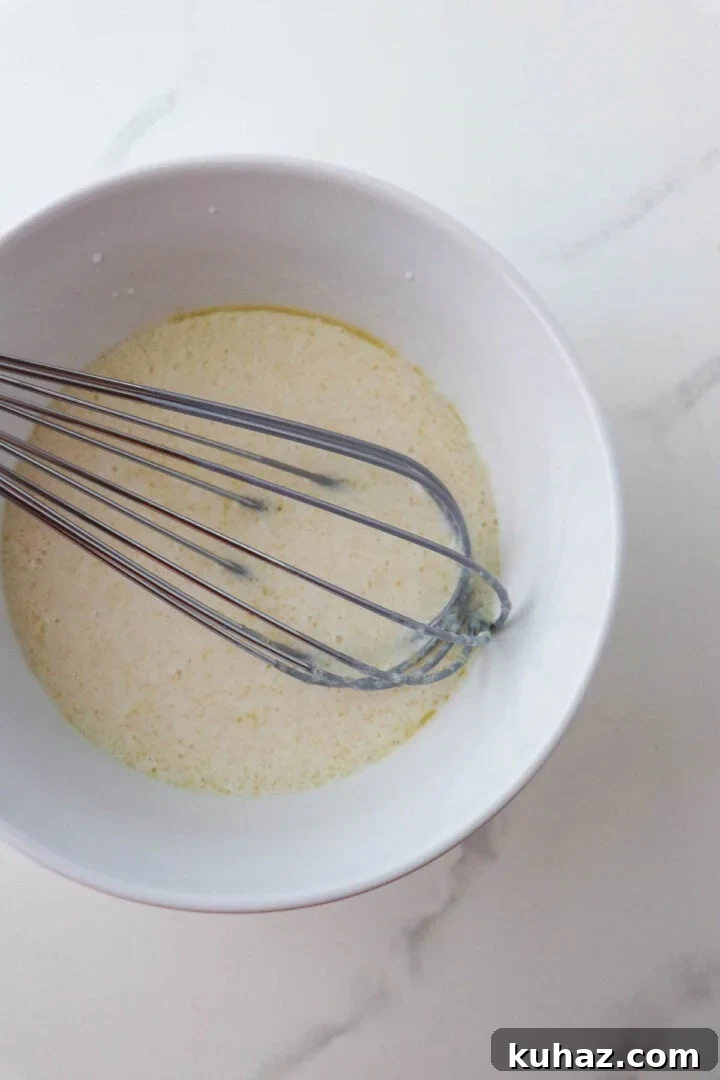
- Mix liquids: In a separate bowl combine buttermilk, water (room temperature), melted butter, and honey. Whisk until the honey is fully incorporated.
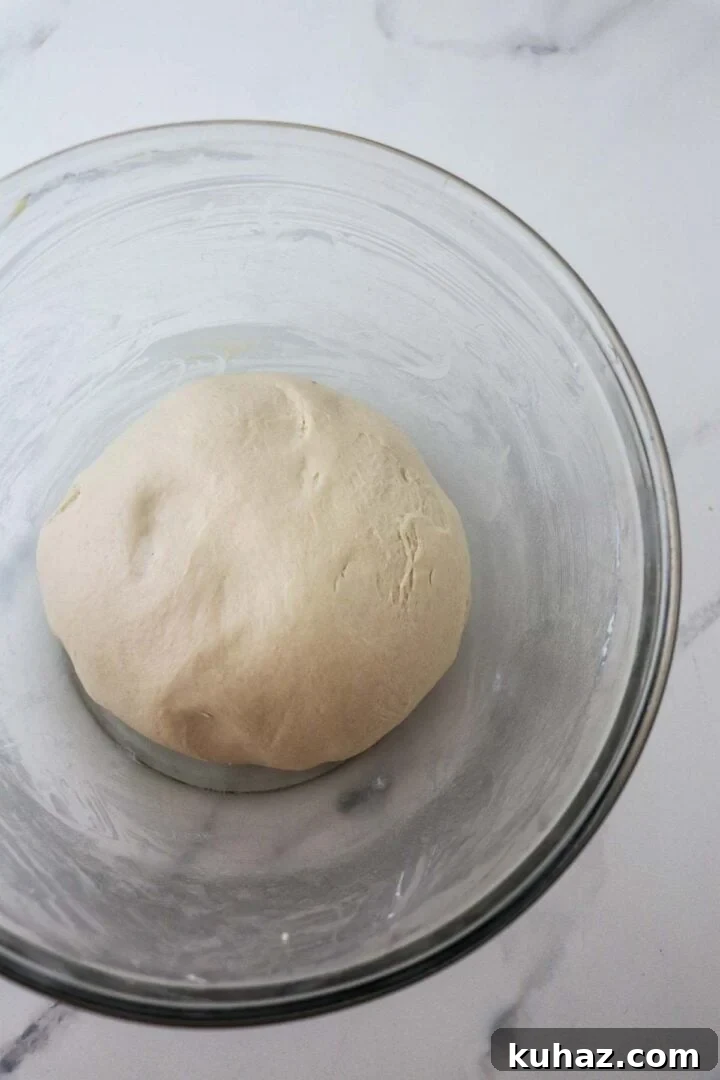
- Form the dough: Fit the mixer with the dough hook. With the mixer on low, slowly add the liquid mixture to the dry ingredients until a loose dough forms. Increase speed to medium-low and knead until the dough is smooth, elastic, and clears the bowl sides, about 7 minutes.
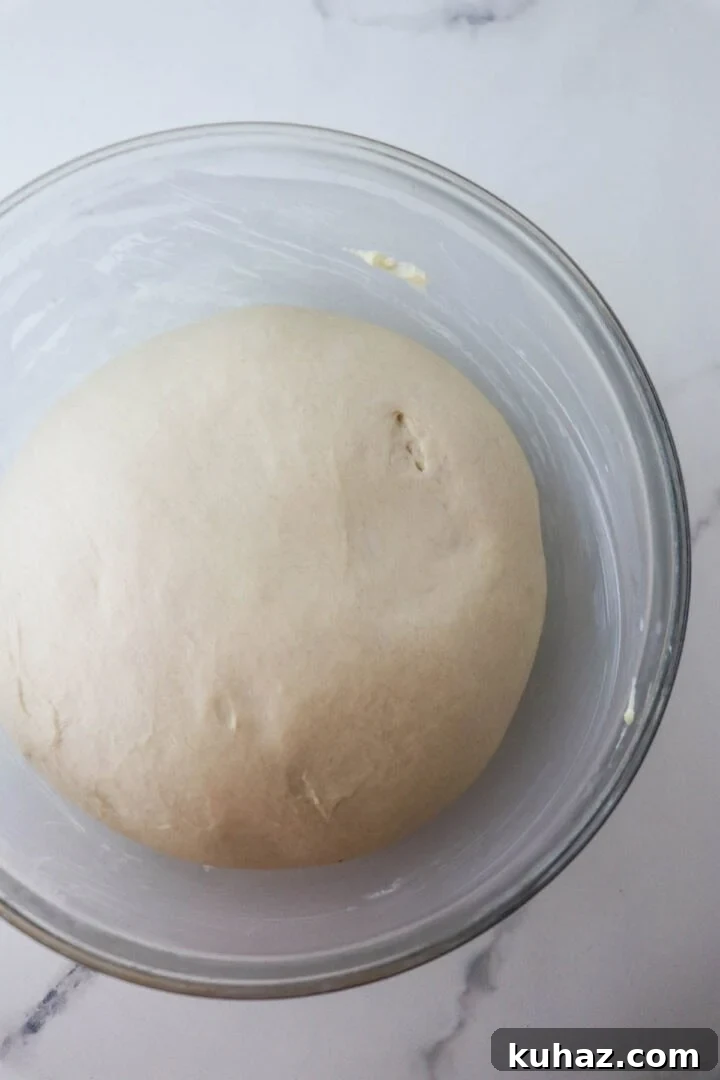
- First rise: Transfer the dough to a lightly greased bowl, cover, and let rise at room temperature until doubled, about 1½ hours.
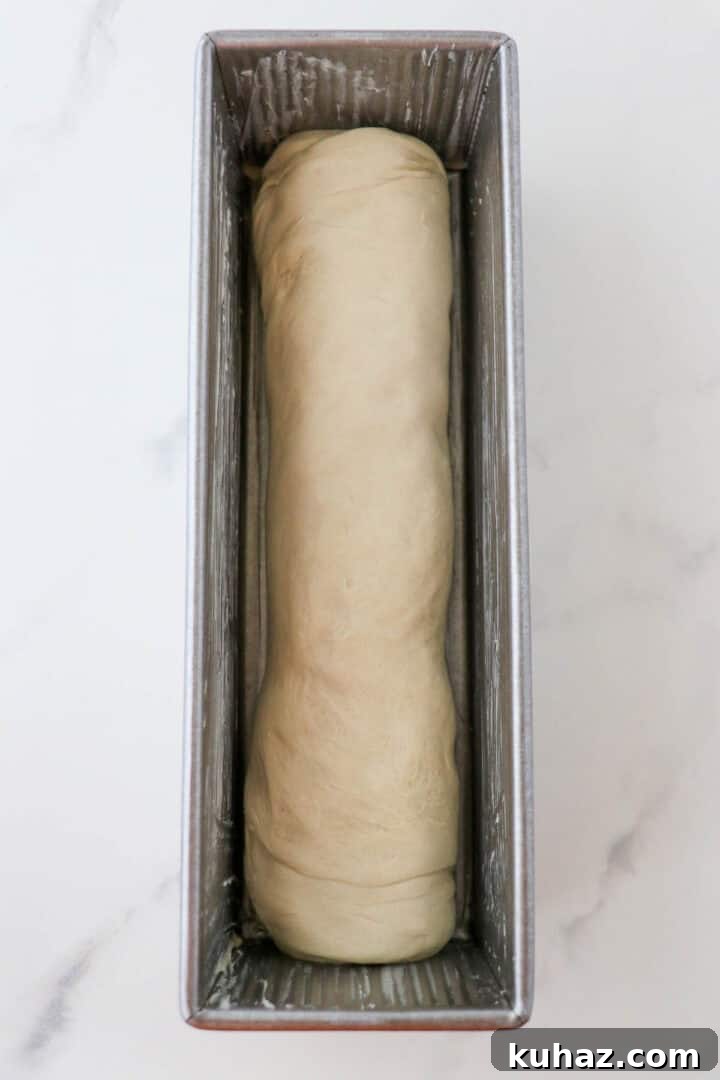
- Shape the loaf: Press or roll the dough into a 10 x 12 inch rectangle with the long side parallel to your work surface. Roll the dough away from you to form a tight cylinder, pinch the seam closed, and place seam-side down into a greased Pullman (or loaf) pan.
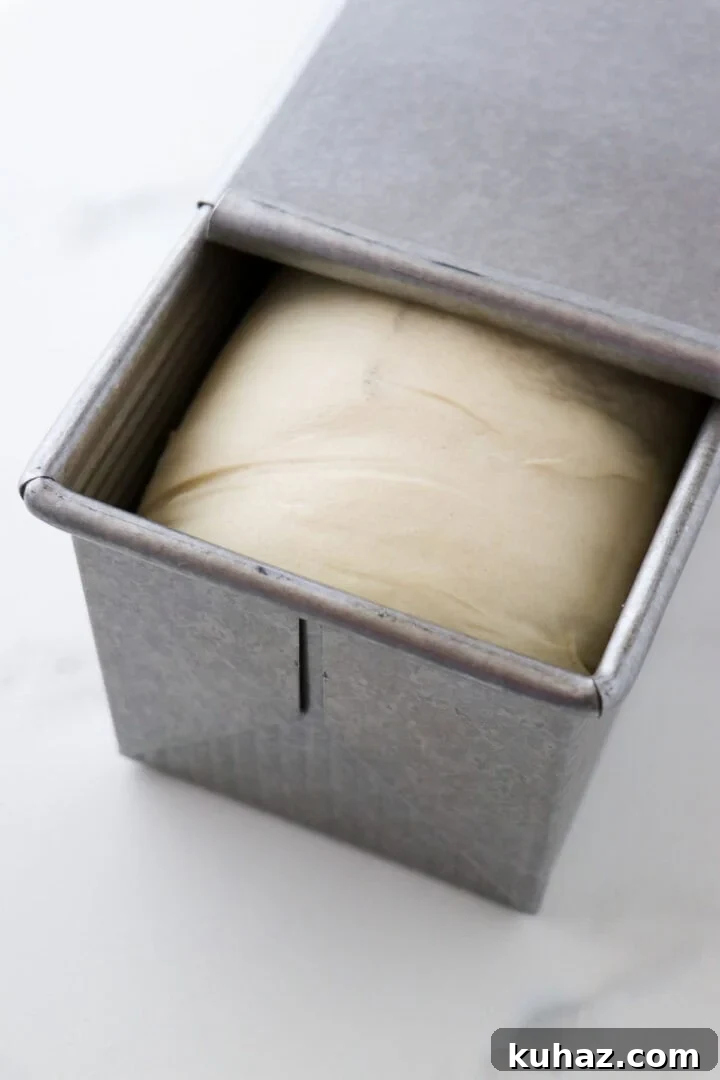
- Second rise: If using a Pullman pan, slide on the lid and let the dough rise until it is level with the top of the pan, about 1 to 1½ hours. If using a regular loaf pan, cover and let rise until nearly doubled.
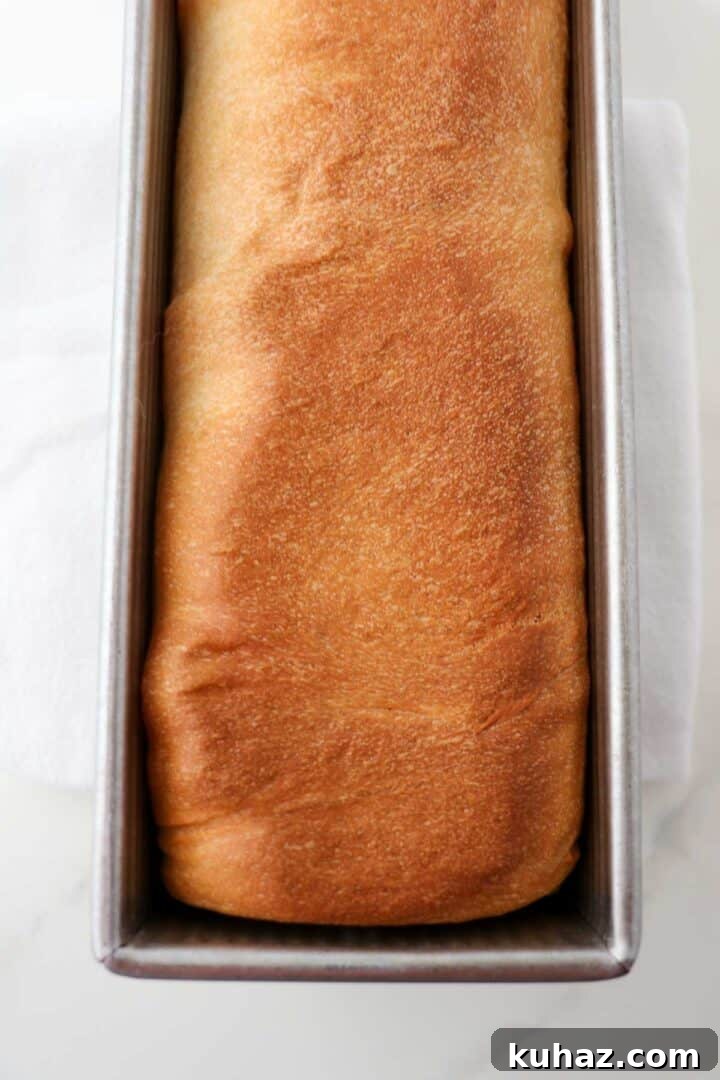
- Bake: Preheat the oven to 350°F (175°C). Bake the covered loaf for 20 minutes. Remove the lid, rotate the pan, and bake uncovered another 15–20 minutes until the crust is golden brown and an instant-read thermometer reads about 210°F (99°C) in the center.
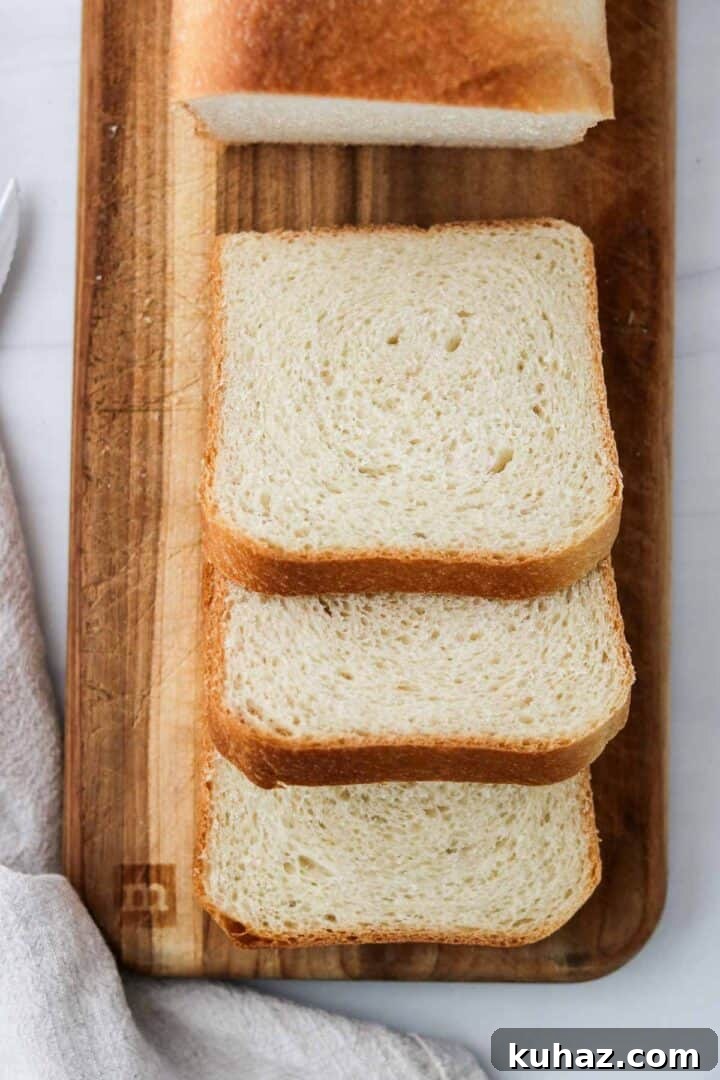
- Cool: Allow the loaf to cool in the pan for 15 minutes, then turn it out onto a wire rack to cool completely before slicing. Cooling preserves the crumb structure and makes slicing cleaner.
Recipe FAQ
It resembles a classic white sandwich bread but with a gentle tang and added richness from the buttermilk and butter.
The acidity of buttermilk tenderizes the crumb and adds flavor, helping create a softer, more tender loaf.
Yes. The recipe will still work with regular milk, but the bread will lack the subtle tang and the extra tenderness that buttermilk provides.
Keep the loaf well wrapped at room temperature for up to 3 days. For longer storage, slice and freeze or wrap the whole loaf tightly and freeze.
Yes — freeze the whole loaf tightly wrapped in plastic and foil, or freeze individual slices in resealable bags for easy single-serve thawing.
Use two standard loaf pans instead. If a covered bake is desired, use a greased baking sheet as a lid during the covered baking stage; baking times may vary slightly.
How to Use Buttermilk Bread
This loaf is versatile and can be used for many preparations beyond sandwiches and toast. Ideas include:
- Thick slices for French toast, flavored with cardamom or vanilla.
- Toasted bases for open-faced seafood or egg-topped sandwiches.
- Cubed and caramelized for bread puddings or layered fruit trifles.
- A reliable canvas for grilled cheese, either classic or with flavor-packed fillings like goat cheese and sun-dried tomatoes.
- Toasted and spread with refrigerator-style fruit preserves for breakfast or snacks.
Related Recipes
For more Scandinavian-inspired baking, try other breads and pastries such as cream puffs, cardamom-scented French toast, or almond tarts. Images and titles of complementary recipes are shown below for inspiration.
-

Danish Cream Puffs (Vandbakkelser) -
Swedish Kolasnittar (Caramel Slice Cookies) -
The Ultimate Guide to Scandinavian Sweet Buns -
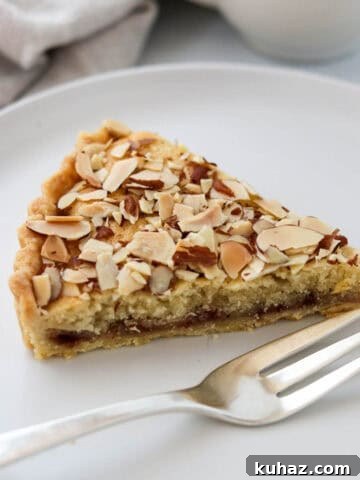
Lingonberry Almond Tart



If you tried this Soft and Tender Buttermilk Bread, please leave a star rating and a comment below — feedback helps refine recipes and inspires new variations.
Recipe
Soft and Tender Buttermilk Bread
This simple buttermilk loaf is soft, tender, and slightly tangy—perfect for everyday use.
Prep Time: 20 minutes | Cook Time: 40 minutes | Rising Time: 2 hours 30 minutes | Total Time: 3 hours 30 minutes
Servings: 26 slices | Calories: 97 kcal per slice
Author: Kristi
Equipment
- 13 x 4 inch Pullman loaf pan with lid (or standard loaf pan)
Ingredients
- 4 cups (20 ounces) all-purpose flour
- 1 tablespoon instant yeast
- 2 teaspoons salt
- 1 cup buttermilk
- ⅓ cup water, room temperature
- 4 tablespoons unsalted butter, melted
- 2 tablespoons honey
- Butter for greasing the bowl and pan
Instructions
- Whisk the flour, yeast, and salt together in the bowl of a stand mixer.
- Combine buttermilk, water, melted butter, and honey in a separate bowl and whisk until the honey dissolves.
- Attach the dough hook and start the mixer on low, slowly adding the liquid mixture to the dry ingredients until the dough just comes together.
- Increase the mixer speed to medium-low and knead until the dough is smooth, elastic, and clears the sides of the bowl, about 7 minutes.
- Transfer to a lightly greased bowl, cover, and let rise at room temperature until doubled, about 1½ hours.
- Grease a 13 x 4 inch Pullman pan (bottom, sides, and inside of the lid). Turn the dough out onto a floured surface, press into a 10 x 12 inch rectangle, and roll into a tight cylinder with the long side parallel to the countertop. Pinch the seam closed and place seam-side down in the pan, pressing into the corners.
- Slide on the lid and let rise at room temperature until level with the top of the pan, about 1–1½ hours.
- Preheat the oven to 350°F (175°C). Bake the covered loaf for 20 minutes. Remove the lid, rotate the pan, and bake uncovered another 15–20 minutes until golden and the internal temperature reaches about 210°F (99°C).
- Cool in the pan for 15 minutes, then turn out onto a wire rack and cool completely before slicing.
Nutrition (per slice)
Calories: 97 kcal | Carbohydrates: 17 g | Protein: 2 g | Fat: 2 g | Saturated Fat: 1 g | Fiber: 1 g | Sugar: 2 g | Sodium: 189 mg