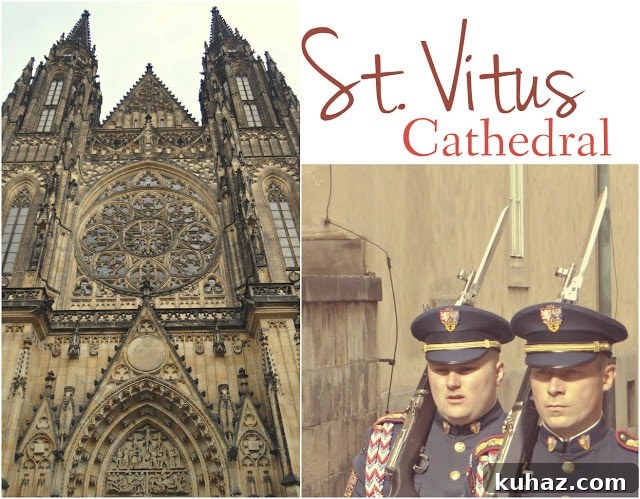
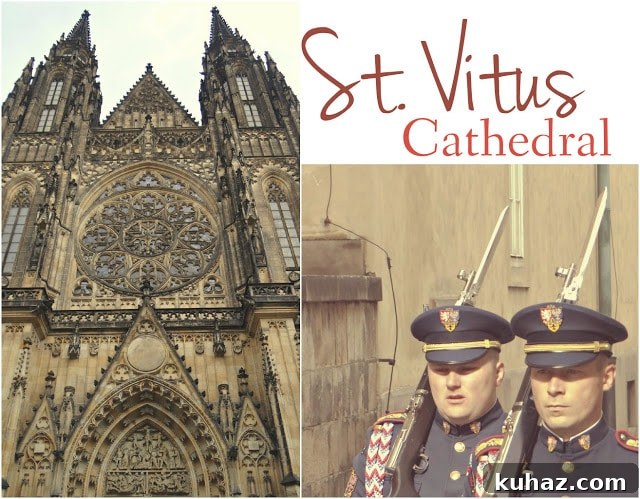
St. Vitus Cathedral: A Gothic Masterpiece at Prague Castle
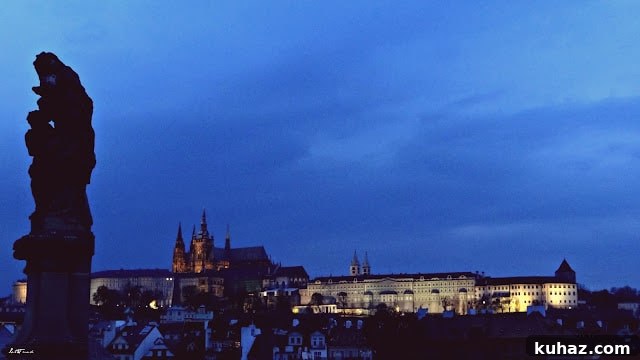
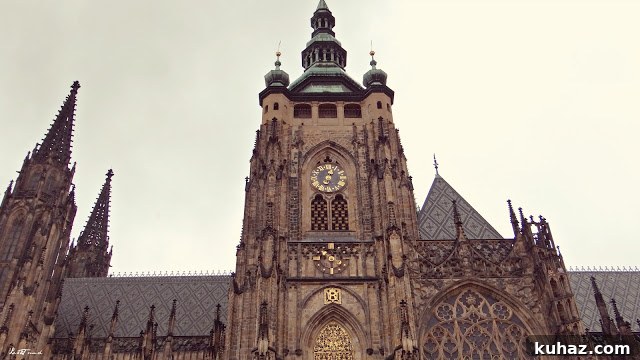
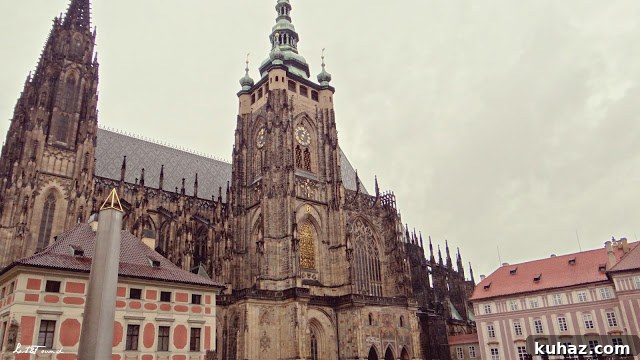
Visible from many points across Prague, St. Vitus Cathedral crowns the Prague Castle complex with soaring spires and richly detailed stonework. As the largest and most important church in the Czech Republic, it stands as both a religious center and a national monument, housing the tombs of Bohemian kings and Holy Roman Emperors.
A Landmark of Gothic Architecture
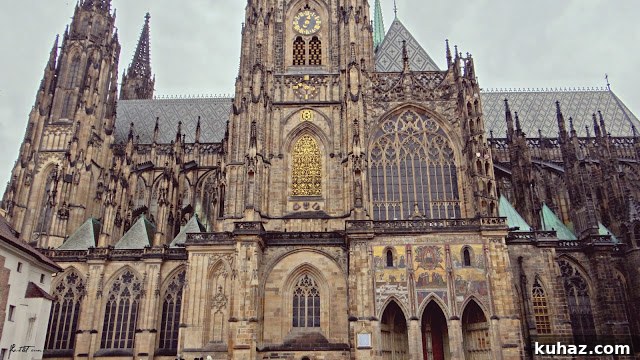
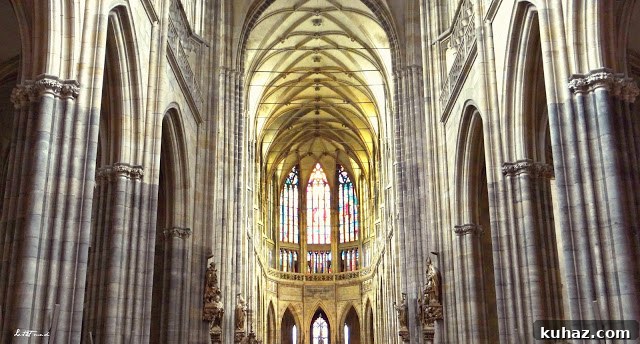
St. Vitus Cathedral is widely regarded as a prime example of Gothic architecture in Central Europe. Its vertical emphasis, pointed arches, and intricate sculptural details give the building a dramatic, artistic presence. The cathedral’s design and craftsmanship draw visitors who come to admire both the exterior façades and the interior spaces filled with light and ornamentation.
A Long and Interrupted Construction History
The cathedral you see today was founded on 21 November 1344. Construction unfolded slowly over many generations, with several master builders contributing to the work. Progress was interrupted repeatedly: a war in the first half of the 15th century and a major fire in 1541 halted building activity, and for centuries the cathedral remained only partly finished. Numerous attempts to resume work were made over the following years, but many of these plans ended prematurely due to lack of funds.
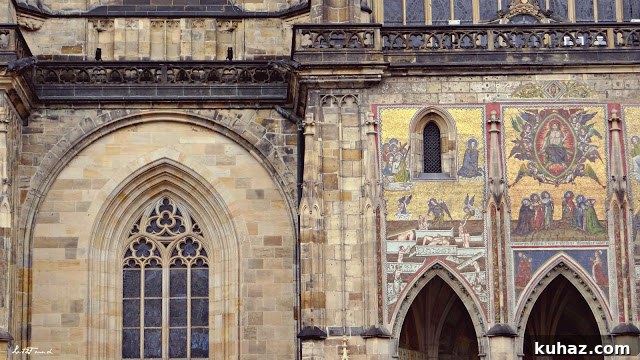
After a renewed restoration effort was organized in 1844, work resumed with an eye toward respecting the original Gothic design. The final phase of construction extended into the 20th century, and in 1929 the cathedral reached the form familiar to visitors today. Although almost six centuries passed between the founding and the completion, much of the original design and many historic elements were preserved, resulting in a cohesive and harmonious architectural ensemble.
Art, History, and National Significance
Beyond its architectural value, St. Vitus Cathedral is an important repository of Czech history. The royal tombs and imperial burials found within its walls reflect the cathedral’s role as a site of state ceremony and sacred remembrance. Its stained glass, sculptures, and carved details blend religious symbolism with national identity, making the cathedral a focal point for both worship and cultural memory.
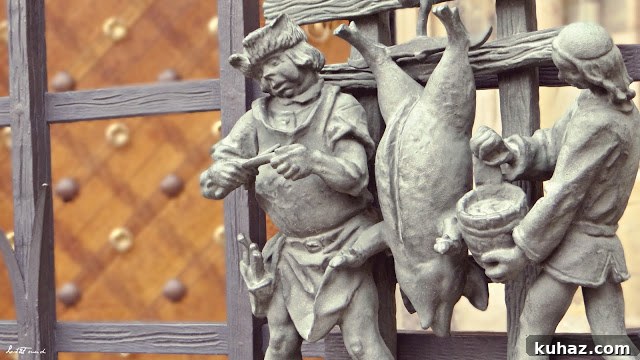
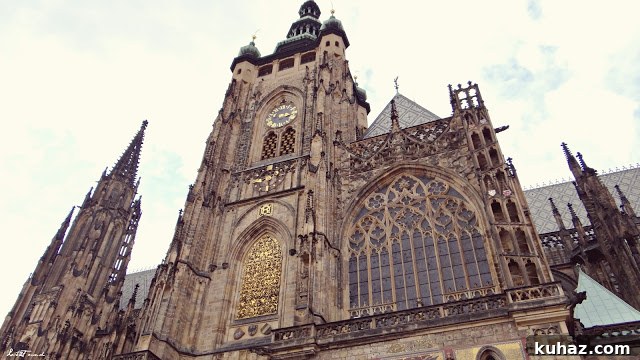
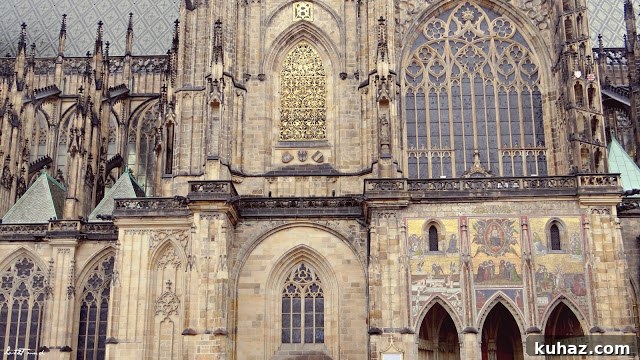
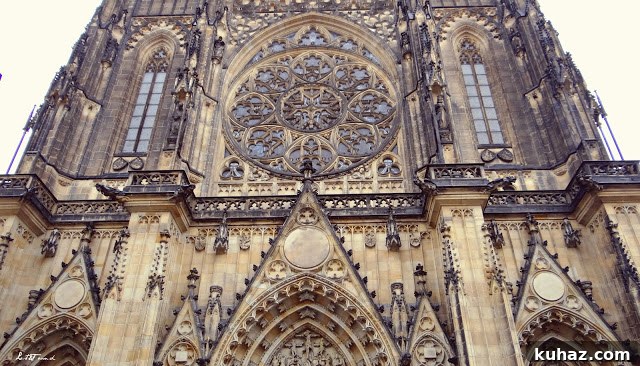
Visiting St. Vitus is an experience that rewards close observation. From afar the cathedral dominates the skyline, but up close the craftsmanship becomes more striking: carved figures, ornate windows, and subtle variations in stone invite inspection. The building’s long history is legible in its fabric, where medieval designs and later restorations coexist in careful balance.
A Personal Impression
Standing before St. Vitus Cathedral, it is easy to be overwhelmed by its scale and detail. I found myself spending a long time simply looking—thirty minutes passed quickly as I traced the lines of the stonework and admired the artistic care poured into every element. The closer you stand, the more the cathedral reveals: every façade, window, and sculpture adds to an impression of monumental artistry.
Whether you are interested in medieval architecture, national history, or simply the beauty of finely crafted stone and glass, St. Vitus Cathedral rewards patient attention. Its layered history, architectural unity, and cultural importance make it a defining landmark of Prague and the Czech Republic.