
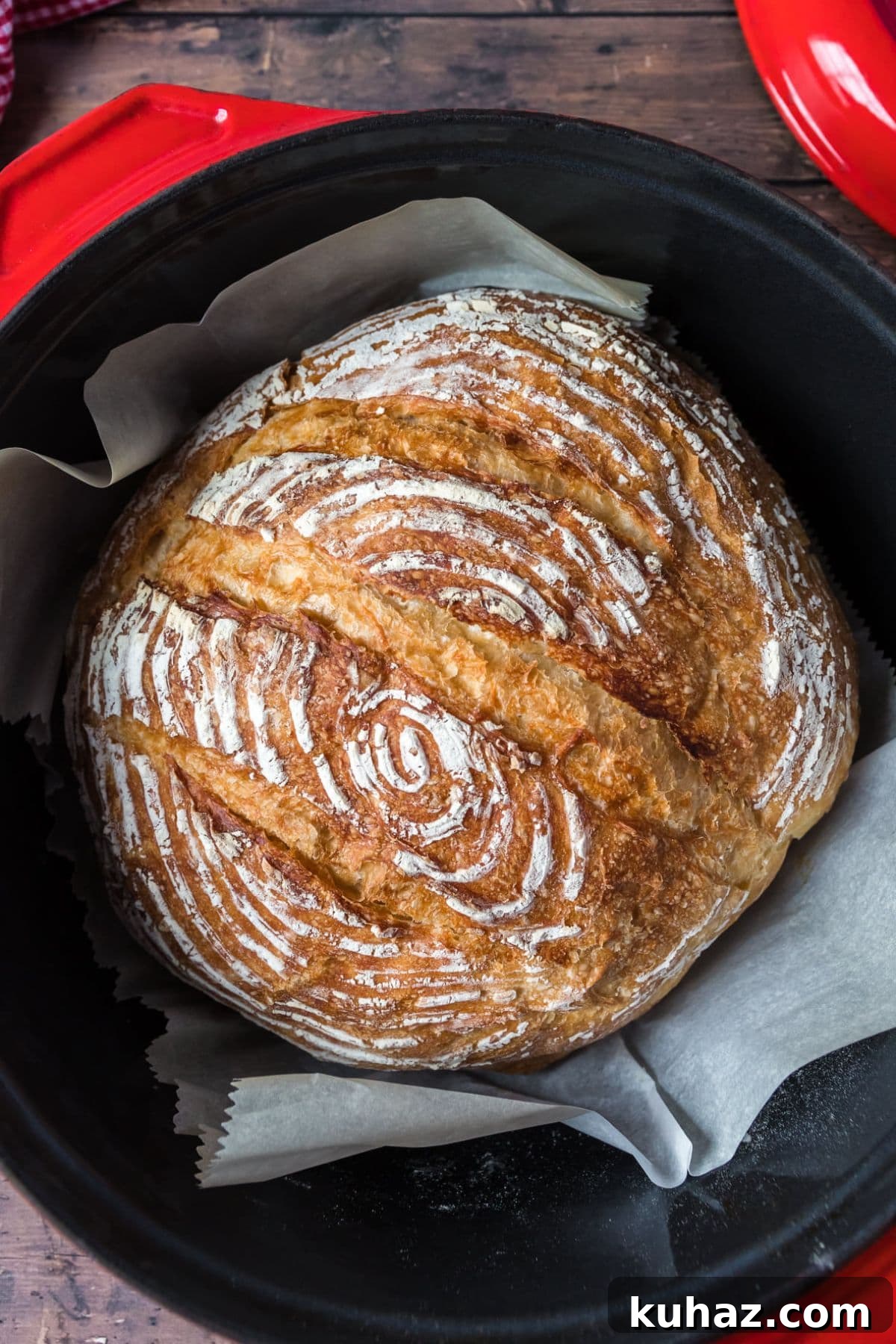
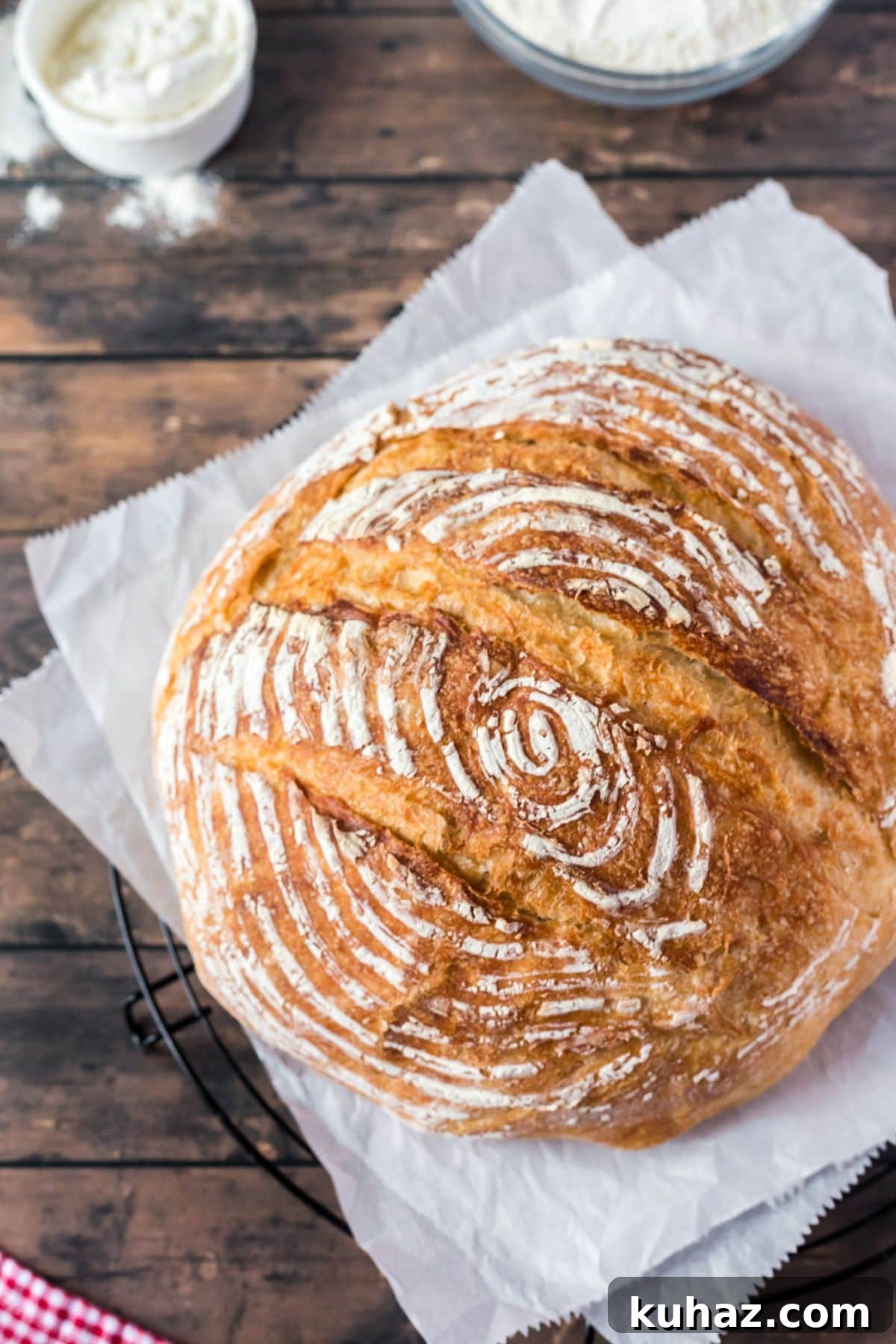
Dutch Oven Sourdough Bread is easier than it looks. With just a few basic ingredients—sourdough starter, flour, water, and salt—you can bake a crusty, chewy loaf at home that tastes like it came from an artisan bakery. The Dutch oven creates the steam and enclosed heat needed for a deep golden crust and an open, tender crumb. This recipe is welcoming for beginners and rewarding for experienced bakers.
If you have sourdough discard, don’t toss it — it’s great for other recipes like sourdough pancakes, discard brownies, or cinnamon rolls. Using discard helps reduce waste and adds tangy flavor to sweet and savory baked goods.
How to Make Homemade Bread
Baking bread at home is a simple, comforting ritual. From mixing and shaping to the moment you slice a warm loaf, each step connects you to a long tradition of breadmaking. This Dutch oven sourdough method highlights that connection: minimal hands-on time, straightforward technique, and a result that’s deeply satisfying. If you’ve never made sourdough before, this recipe is a great place to start.
What You’ll Love About This Recipe
- Minimal ingredients — Only starter, flour, water, and salt.
- Crusty, artisan results — The Dutch oven traps steam so the crust crisps and browns beautifully.
- Digestibility — Natural fermentation in sourdough can improve digestion and nutrient availability for many people.
Recipe Ingredients
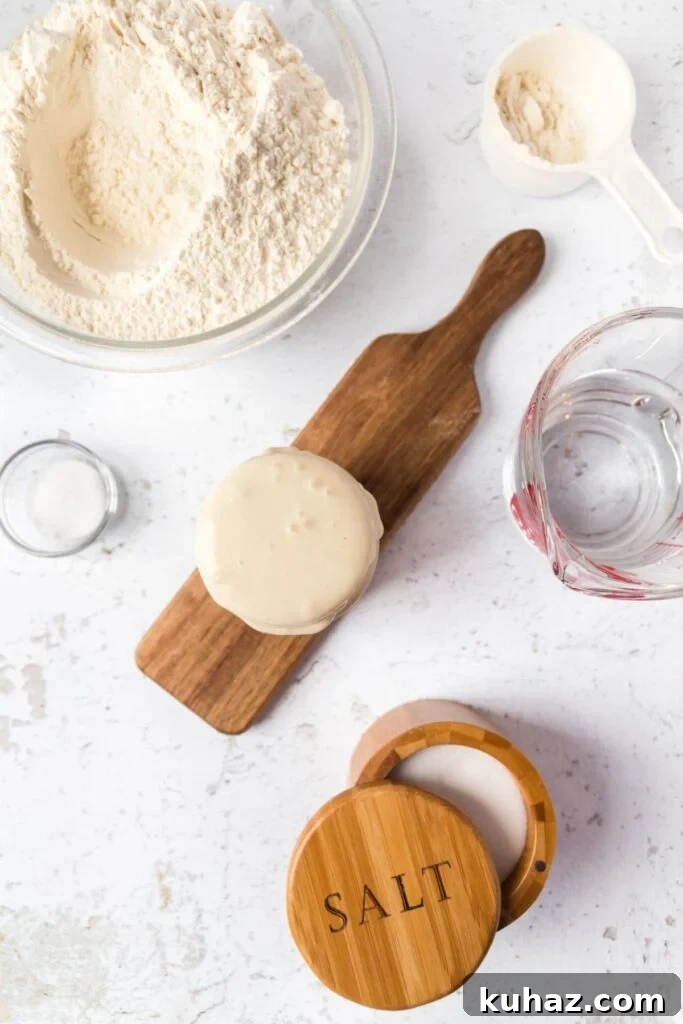
Gather the following for this Dutch oven sourdough loaf:
- Active sourdough starter
- Warm water (not hot)
- Sea salt or regular salt
- Bread flour (all-purpose can be used in a pinch)
Ingredient Notes
- Active starter: Use a starter that is bubbly and at peak activity for the best rise.
- Bread flour: Gives a chewier texture and better gluten structure; swap with all-purpose if necessary.
How to Make Dutch Oven Sourdough Bread — Step by Step
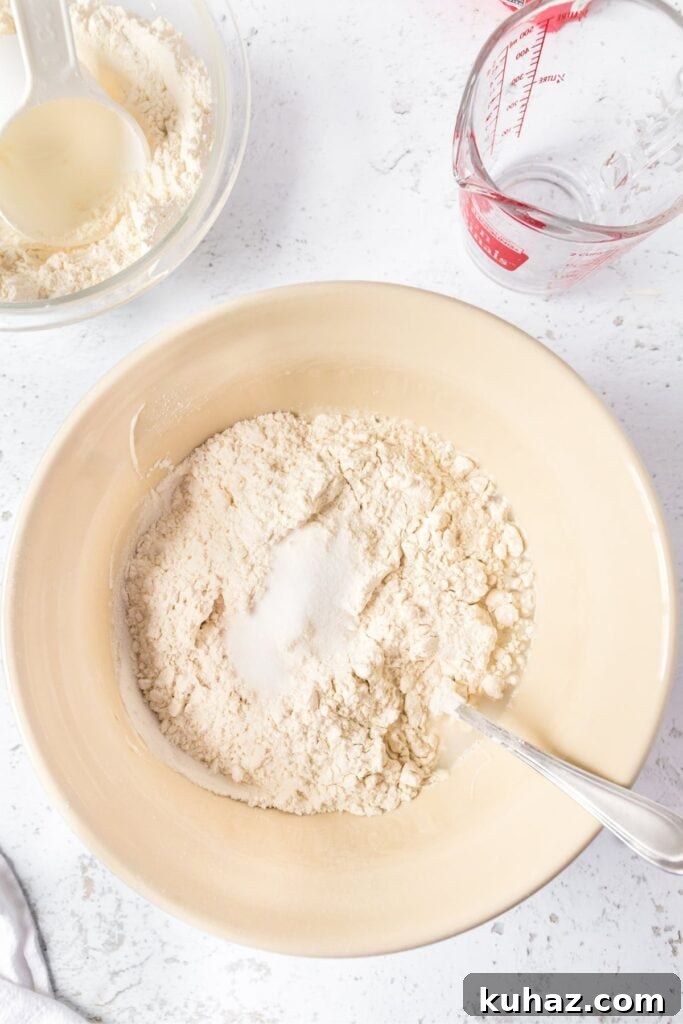
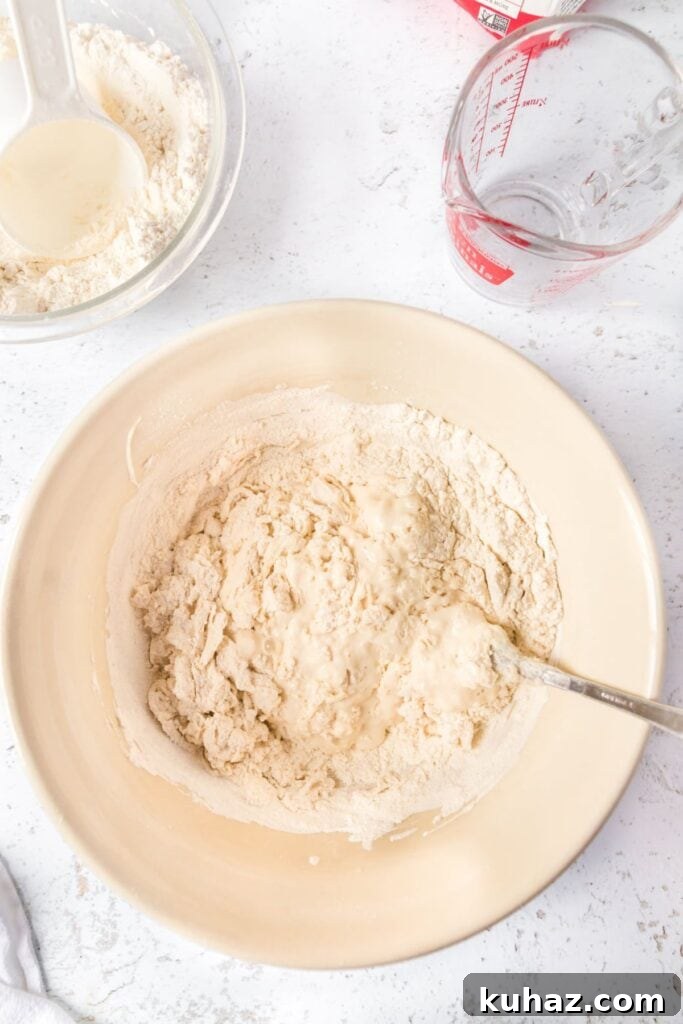
- Mix the dough: In a large bowl, combine the active starter, warm water, and salt. Stir until the salt dissolves. Add the bread flour gradually and mix until a shaggy dough forms.
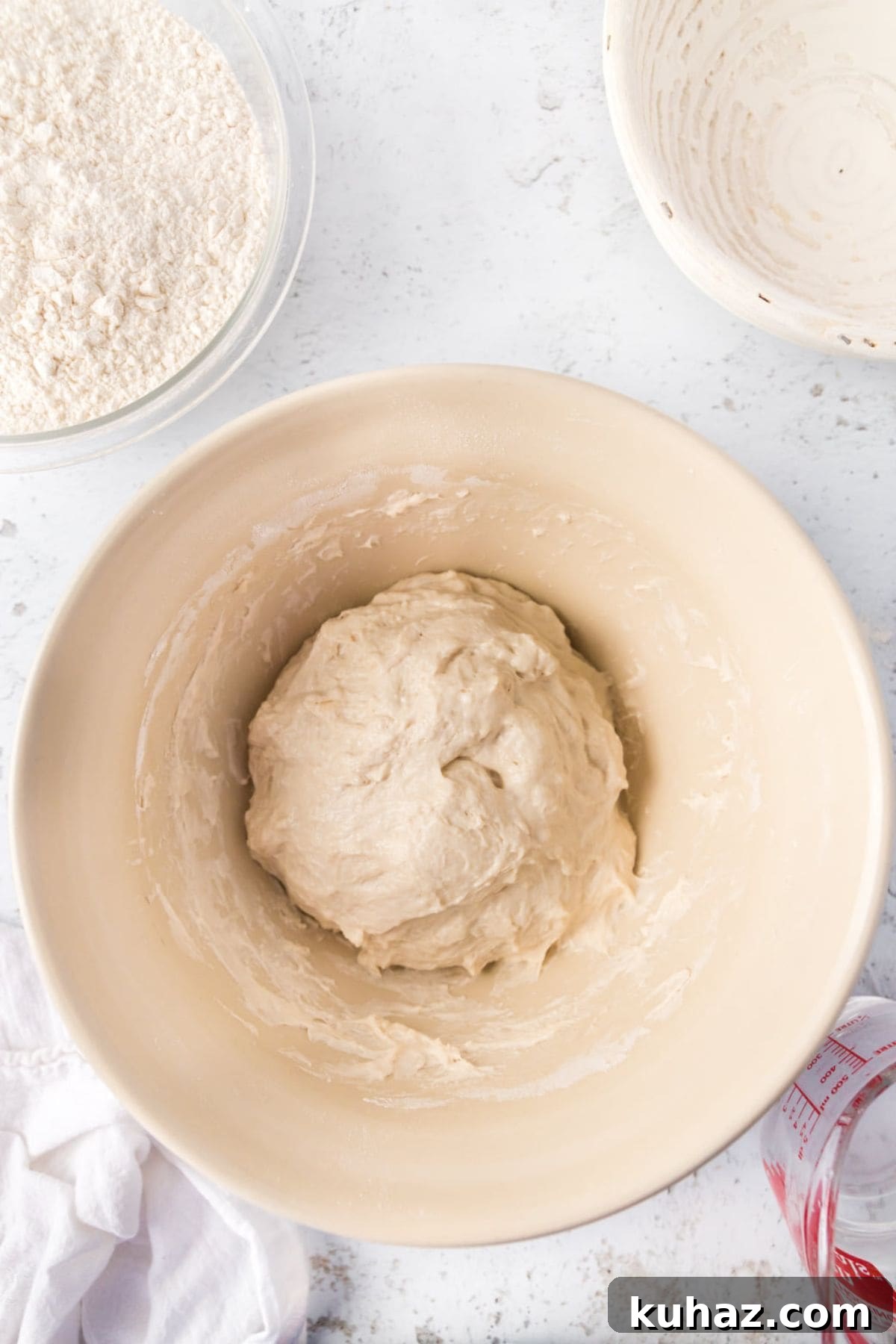
- Knead: Turn the dough onto a lightly floured surface and knead about 8–12 minutes until smooth and elastic. You can also use stretch-and-folds for a no-knead approach.
- First rise: Return the dough to the bowl, cover with a damp cloth, and let it rise at room temperature for about 5–6 hours, until roughly doubled.
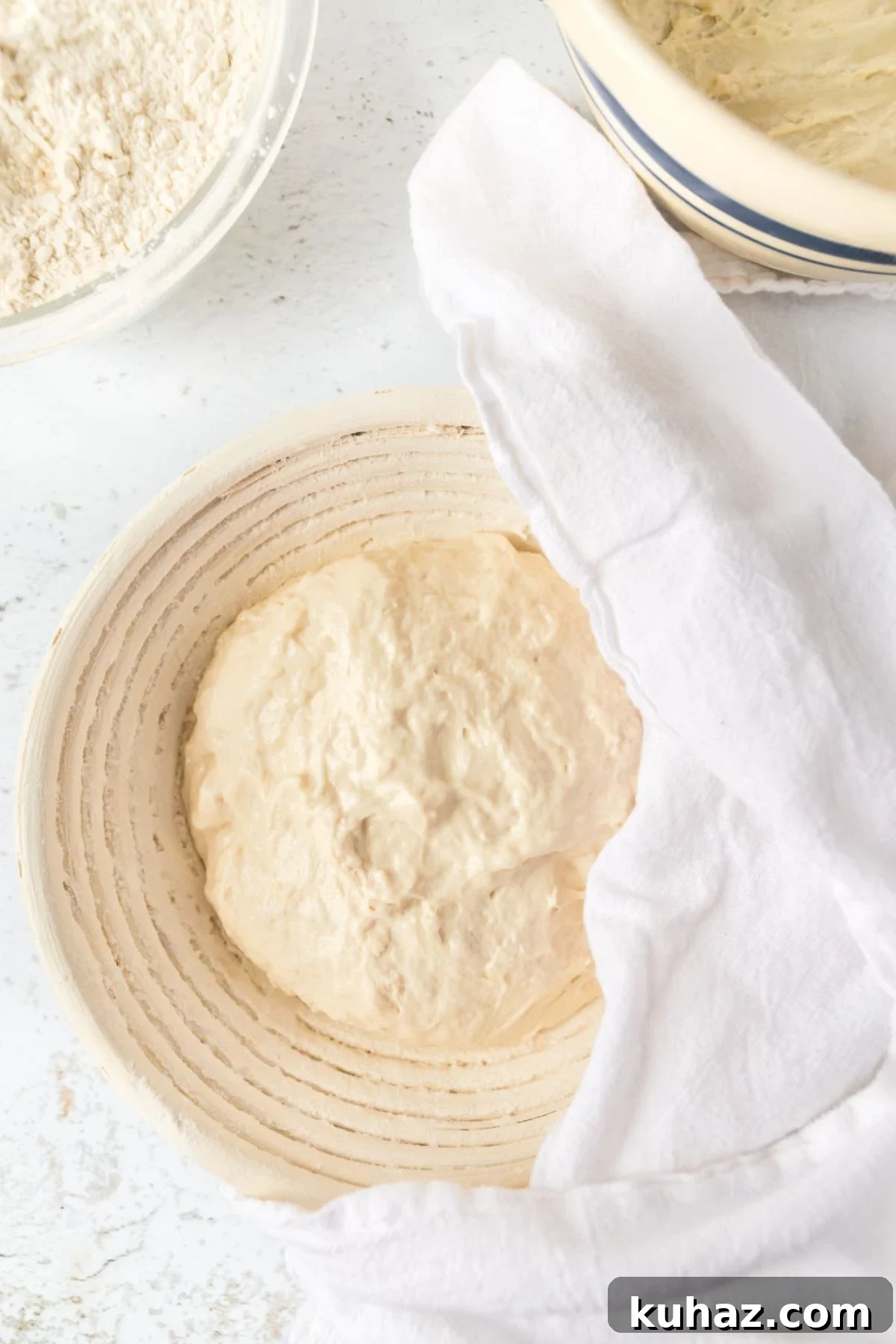
- Shape: Gently turn the dough onto a floured surface, shape into a round, and place it seam-side up in a well-floured banneton or a parchment-lined bowl.
- Second rise: Cover and let rise 2–3 hours at room temperature, or refrigerate overnight for a slow, flavor-developing cold proof.
- Preheat: Thirty minutes before baking, preheat the oven to 450°F (230°C) with the Dutch oven and lid inside.
- Score: Turn the dough out onto parchment, score the top with a sharp blade to control expansion.
- Bake: Place the dough (on the parchment) into the hot Dutch oven. Cover and bake 20 minutes, then remove the lid and bake another 20–25 minutes until deeply golden and crisp.
- Cool: Transfer the loaf to a wire rack and cool at least one hour before slicing to finish the crumb structure.
Pro Tip
For more flavor and better crumb structure, perform the second rise in the refrigerator overnight. The slow, cold fermentation produces a more complex, tangy flavor and larger, well-distributed air pockets.

Equipment
- Large mixing bowl
- Banneton proofing basket (or a well-floured bowl)
- Cast iron Dutch oven with lid
- Sharp blade or lame for scoring
- Wire cooling rack
Storage and Reheating
- Store: Keep leftover sourdough at room temperature in a paper bag or bread box for up to three days.
- Freeze: Wrap tightly and freeze for up to three months.
- Reheat: Warm in a 350°F (175°C) oven for about 10 minutes to refresh the crust.
Additions and Substitutions
- Additions: Try seeds (sesame, sunflower) or herbs (rosemary, thyme) mixed into the dough or sprinkled on top.
- Substitutions: Substitute all-purpose flour for bread flour with slightly different texture. Reduce salt slightly if using fine table salt.
Frequently Asked Questions
Do I need a Dutch oven? A Dutch oven helps trap steam for a crisp crust, but you can mimic the effect using a baking stone and a tray of water or by adding steam to the oven.
Can I let the dough rise overnight? Yes — an overnight cold proof in the fridge during the second rise improves flavor and structure.
Is kneading required? Kneading develops gluten for structure, but you can use a no-knead method with periodic folds during the bulk rise instead.

Recipe Card — Dutch Oven Sourdough Bread
Servings: 4 people • Prep time: 20 mins • Cook time: 45 mins • Rising time: 8 hrs (total) • Total time: ≈9 hrs
Ingredients
- 3/4 cup active sourdough starter
- 1 1/4 cups warm water
- 1 teaspoon salt
- 3 1/2 cups bread flour
Instructions
- Mix starter, warm water, and salt until salt dissolves. Add flour gradually to form a shaggy dough.
- Turn dough onto a floured surface and knead until smooth and elastic (about 10 minutes), or use stretch-and-folds if preferred.
- Place dough in a bowl, cover, and let rise 5–6 hours at room temperature until roughly doubled.
- Shape into a round and place seam-side up in a well-floured banneton or bowl. Let rise 2–3 hours or refrigerate overnight.
- Preheat oven to 450°F (230°C) with Dutch oven inside. Score the dough, lower it (on parchment) into the hot Dutch oven, cover, and bake 20 minutes.
- Remove lid and bake 20–25 minutes more until golden and crisp. Cool at least 1 hour before slicing.
Notes
For best flavor, try a cold overnight second rise. This slow fermentation deepens the sourdough flavor and improves crumb texture.
Nutrition (approx. per serving)
Calories: 395 kcal • Carbs: 79 g • Protein: 13 g • Fat: 2 g • Fiber: 3 g
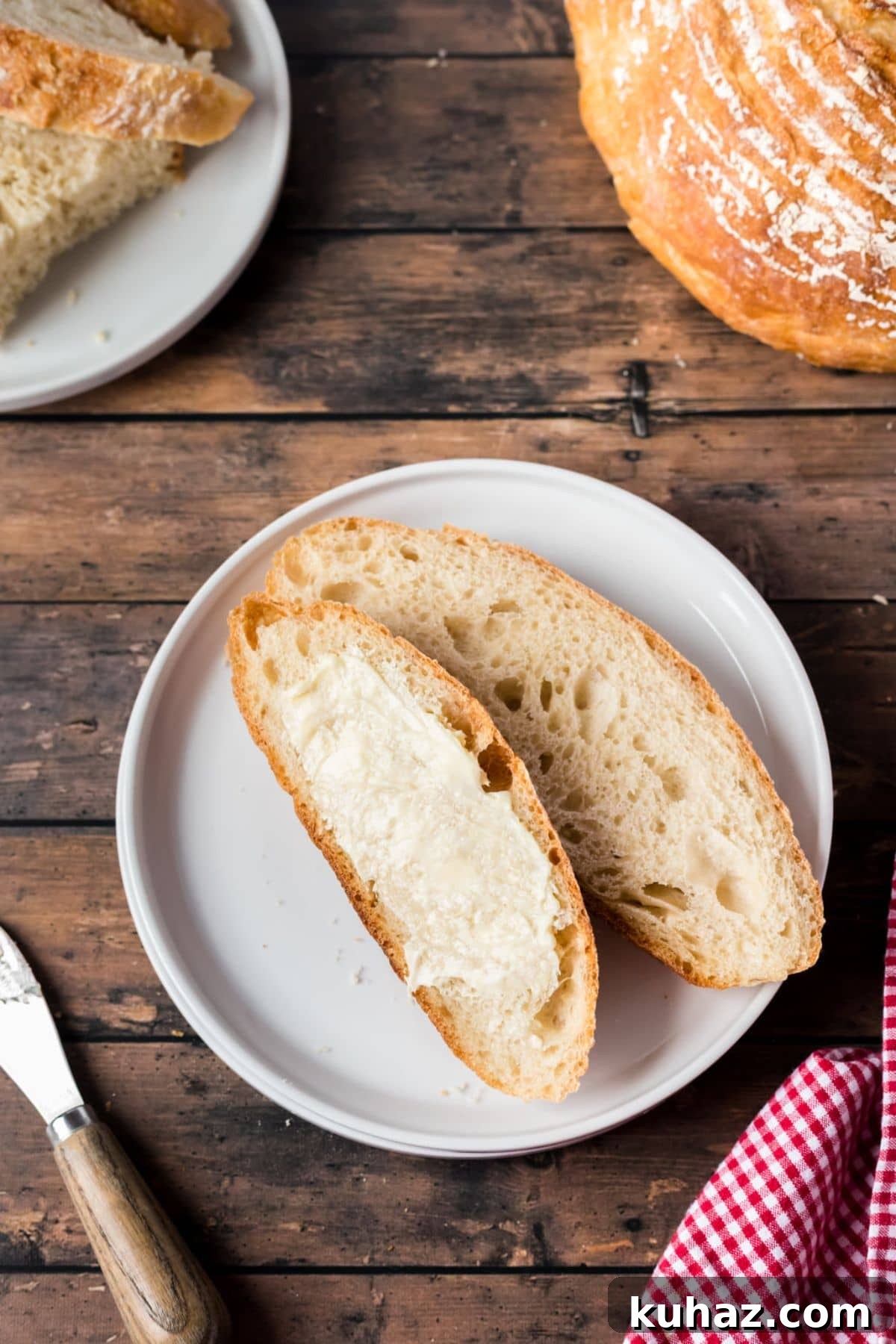
Don’t be intimidated by sourdough—practice, patience, and a reliable starter will get you to consistently delicious loaves. Each bake teaches you more about the dough’s feel and timing. Enjoy the process and the delicious results.
Affiliate disclosure: this page may reference products and tools; if purchases are made through such references an affiliate commission may be earned. Thank you for supporting this content.