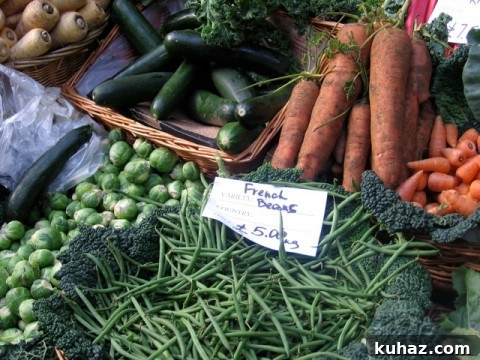
With many fruits and vegetables now counted as 0 PointsPlus on the Weight Watchers plan, you might be looking for appealing ways to eat more of them. I certainly am. Shifting how we view produce—from something we must “fit in” to something we savor and enjoy—makes it far easier to increase intake. When vegetables and fruits feel like a source of pleasure rather than a chore, choosing them becomes intuitive and satisfying.
I recently read an interview with Deborah Madison in the January/February issue of Cooking Light, where she shared several simple, practical ideas for enjoying more produce. Deborah, author of many notable cookbooks including the classic Vegetarian Cooking for Everyone, offers tips that are easy to adopt and built around flavor, texture, and convenience.
Practical Ways to Enjoy More Fruits & Vegetables
Below are the key suggestions from Deborah’s conversation, rewritten and expanded for everyday use. Each idea is focused on making fruits and vegetables more visible, more flavorful, and more enjoyable.
- Keep fruit where you can see it. Instead of tucking fruit away in drawers, display seasonal fruit in a bowl on the counter or dining table. When apples, oranges, pears, or bananas are in plain view, they become a natural grab-and-go option for snacks or quick additions to meals. Visual cues are powerful: seeing fruit regularly encourages healthier choices without extra effort.
- Make a simple batch of soup. Soups are quick, filling, and economical. Winter vegetables like squash, potato, carrot, and parsnip make comforting bases for blended or chunky soups. Prepare a large pot and portion leftovers for the week—many soups taste even better the next day. Use soups as a versatile canvas: add herbs, spices, beans, or a squeeze of citrus at the end to brighten the flavor.
- Try vegetable purees. Purees are essentially ultra-creamy mashed vegetables created in a blender or food processor. Start with familiar textures—think mashed potatoes—and then introduce cauliflower, sweet potato, parsnip, or broccoli. Purees can serve as a side dish, a base for sauces, or a gentle way to add flavor and fiber to a plate without changing the overall meal experience.
- Roast vegetables to unlock intense flavor. Roasting concentrates natural sugars and creates caramelized edges that transform texture and taste. Cut vegetables to similar sizes, lightly coat with oil, season with salt and pepper, and roast in a single layer until tender and golden. Try mixing different vegetables together for varied color and flavor contrast. Roasted vegetables work well hot from the oven or cooled and tossed into salads.
- Embrace sweet potatoes. Sweet potatoes are versatile and naturally sweet, making them an easy swap for white potatoes. Bake, mash, steam, or roast them; add them to soups, stews, and chilis for body and nutrition. Pair a roasted or baked sweet potato with a simple salad for a balanced, satisfying meal.
- Rediscover celery’s potential. Celery is inexpensive, easy to prep, and offers a crisp counterpoint when lettuce is out of season. Use celery in lightened-up salads like a modified Waldorf, combine it with pears or apples for crunch and sweetness, or toss it with a touch of olive oil and a sprinkle of cheese for a refreshing lunch component.
- Keep dried fruit on hand. Dried fruit is a convenient, shelf-stable option when fresh produce is limited. It makes a quick snack, a natural sweetener for yogurt or oats, or a handy mix-in for trail mix. A small amount goes a long way to add flavor and texture without much prep.
Each of these approaches emphasizes pleasure, convenience, and flavor—so eating more fruits and vegetables becomes less about rules and more about enjoyment. Whether you keep fruit in plain sight, turn vegetables into silky purees, or roast a medley for weeknight dinners, the goal is to make produce an appealing and regular part of your meals. Small habits—like displaying fruit or batch-cooking a pot of soup—accumulate into meaningful changes over time.
Related Posts:
How Choosing Lean Protein Can Help You Slim Down & Lose Weight
Managing Portions & Serving Sizes for Weight Loss
22 Healthy Lunch Ideas for Weight Loss