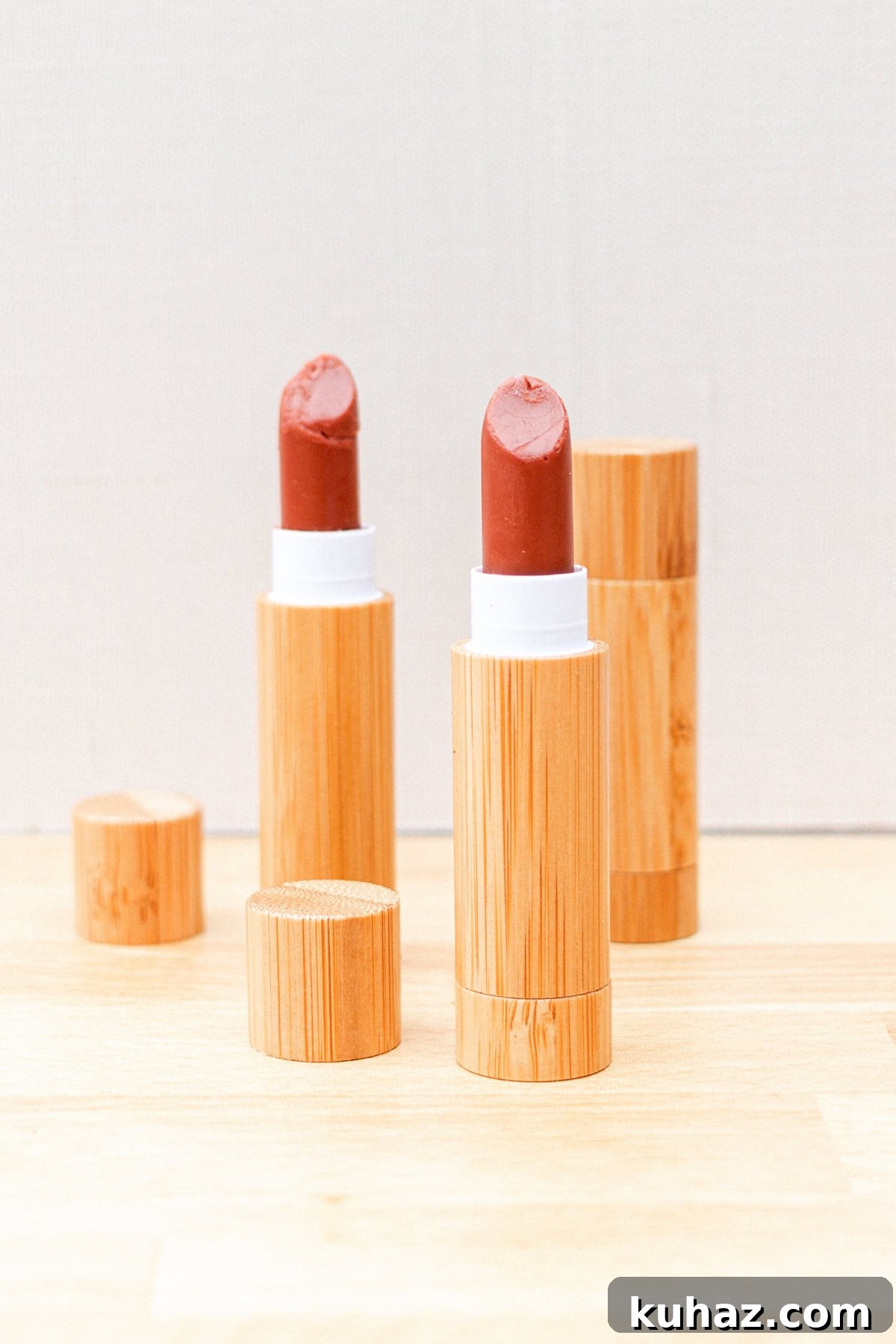
Learn how to make lipstick at home with this simple, all-natural recipe. Using basic ingredients—beeswax, shea butter, coconut oil, vitamin E, zinc oxide—and a natural colorant such as mica or kitchen powders, you can create a long-lasting, moisturizing lipstick in shades you choose.
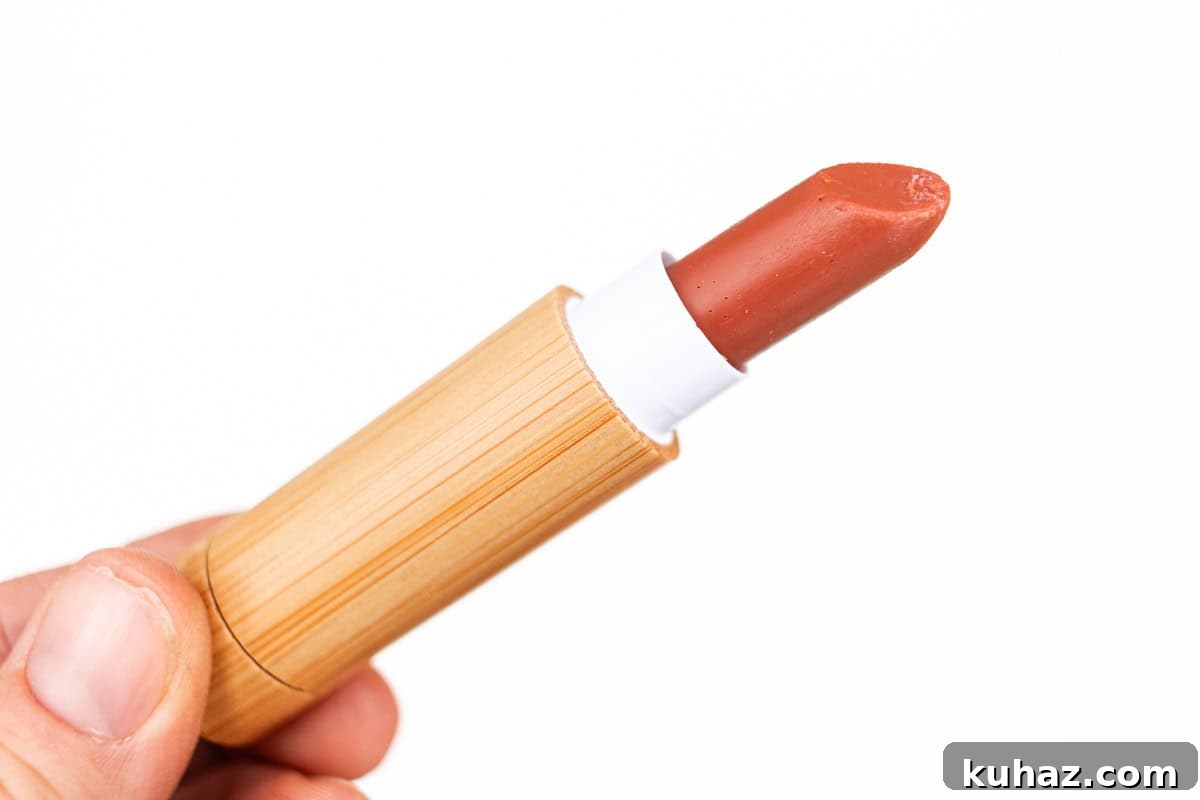
I’ve been making DIY makeup for years to save money, reduce waste, and control what goes on my skin. After experimenting with foundations, powders, eyeshadows, mascaras, and balms, I wanted a natural lipstick that looked and performed well for special occasions like weddings and date nights. After some trial and error I refined an easy recipe that gives a creamy, matte finish and holds up nicely.
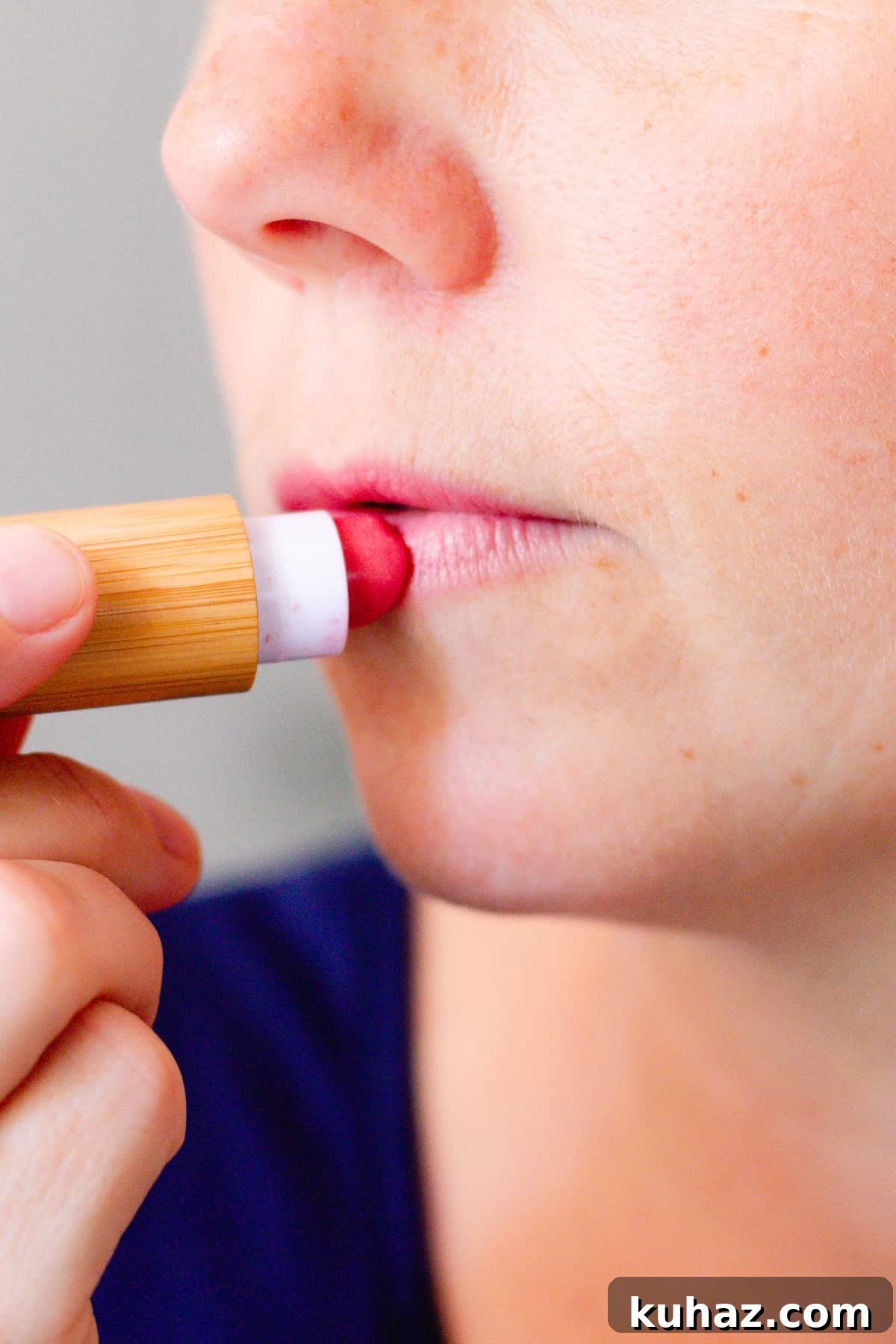
Why You’ll Love This Recipe
- Cost-effective: Natural commercial lipsticks can be pricey. This recipe is inexpensive to make and one batch will last for many uses.
- Custom color: Mix pigments to achieve the exact shade you want. You can create subtle nudes or bold reds by adjusting the colorant amount.
- Moisturizing formula: The combination of beeswax, shea butter, and coconut oil nourishes and helps prevent dryness, so the lipstick feels comfortable on your lips.
What Goes Into This Recipe
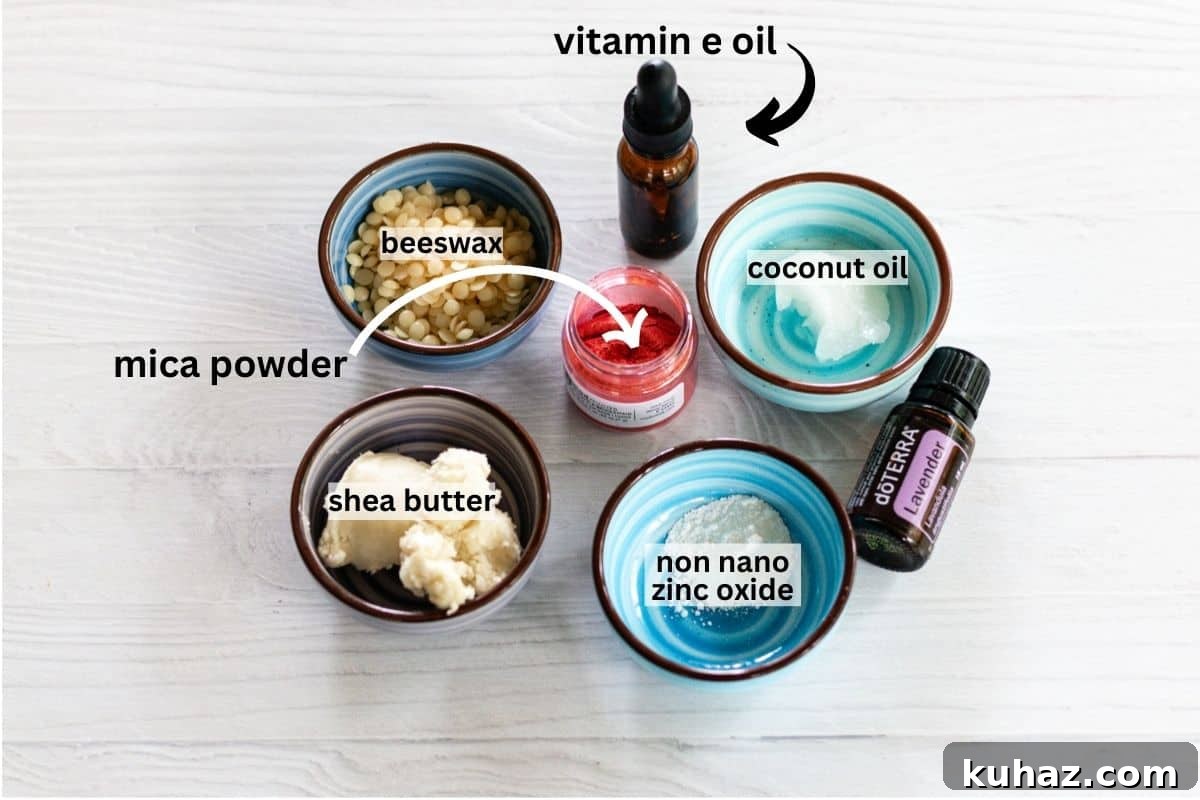
- Beeswax: Provides structure and helps the lipstick hold its shape and resist melting.
- Shea butter: Deeply moisturizing and soothing for chapped lips.
- Coconut oil: Adds glide and hydration; use regular coconut oil rather than fractionated oil for this formula.
- Vitamin E oil: Acts as an antioxidant and helps condition the lips.
- Zinc oxide: A fine white powder that creates a soft, matte finish when mixed into the base.
- Colorants: Mica powders produce vibrant, long-lasting color. If you prefer pantry options, powdered ingredients such as rose clay, beet powder, cocoa, or turmeric can tint the lipstick naturally (notes and suggested amounts below).
- Optional: A few drops of lavender (or another non-photosensitizing) essential oil for scent.
- Containers: Use either a lip balm-style tube or silicone lipstick molds with empty lipstick tubes. Balm tubes are easier to fill; molds create the classic angled lipstick top.
Substitutions and Color Variations
- If you prefer a vegan wax, substitute carnauba, candelilla, soy, or rice wax—ratios may need slight adjustment.
- Replace lavender with any mild, non-photosensitizing essential oil if desired; avoid photosensitive oils that can irritate skin in sunlight.
- Kitchen powders for color (approximate guidance):
- Deep red: 1/2–1 teaspoon rose clay
- Red/pink: 1/4 teaspoon beet powder
- Pink: 1/4 teaspoon powdered freeze-dried strawberry
- Brown: 1/8–1/4 teaspoon cocoa powder
- Light brown with shimmer: 1/8 tsp cocoa + 1/8 tsp cinnamon
- Green: 1/4 teaspoon maca powder (produces an earthy tone)
- Yellow/golden: 1/8–1/4 teaspoon turmeric (use sparingly)
How to Make Lipstick
The process is straightforward: melt, mix, pour, harden, and assemble. Using molds takes a little practice but produces professional-looking results.
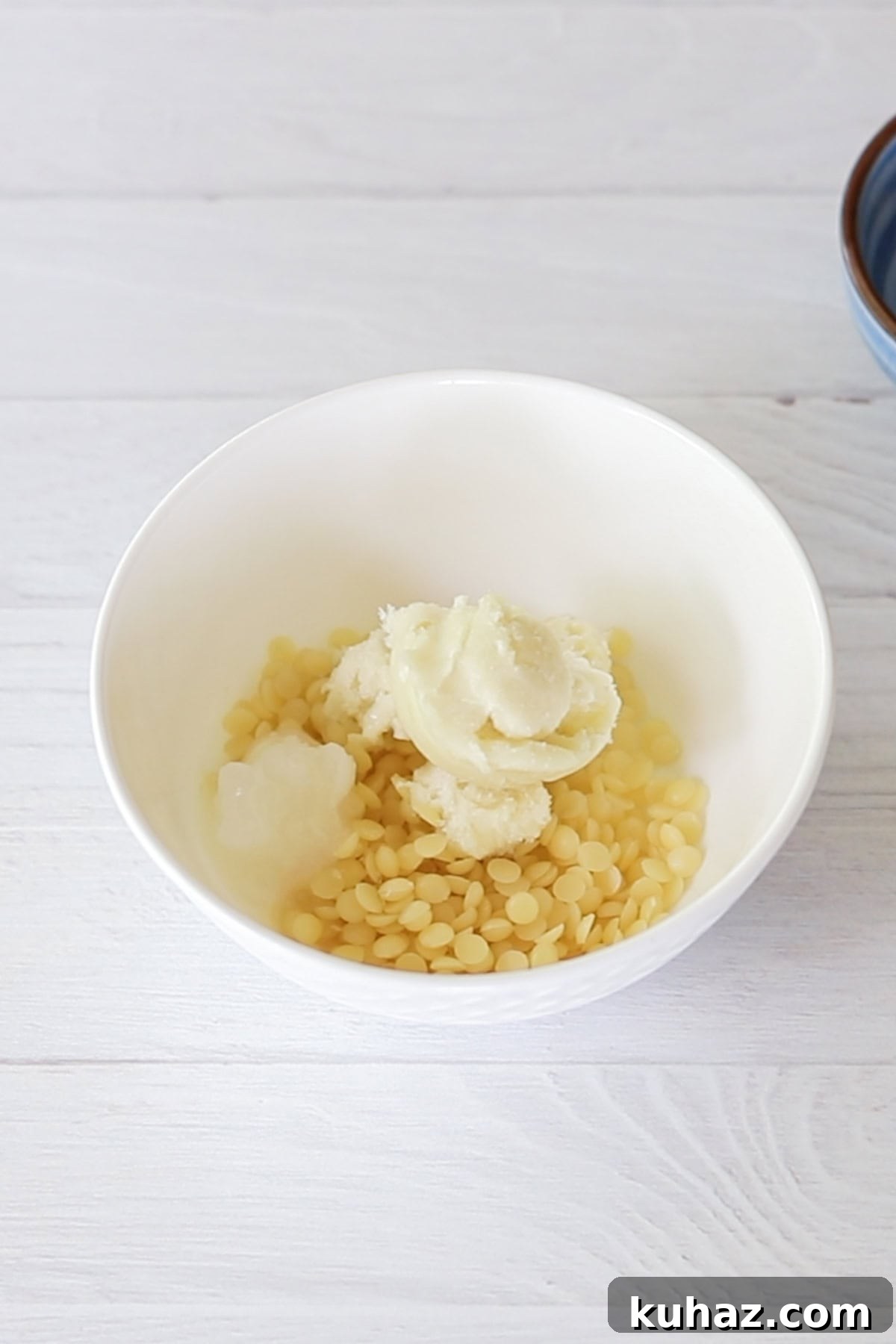
Step 1. In a double boiler, melt beeswax, shea butter, and coconut oil over medium heat, stirring occasionally until fully liquefied.
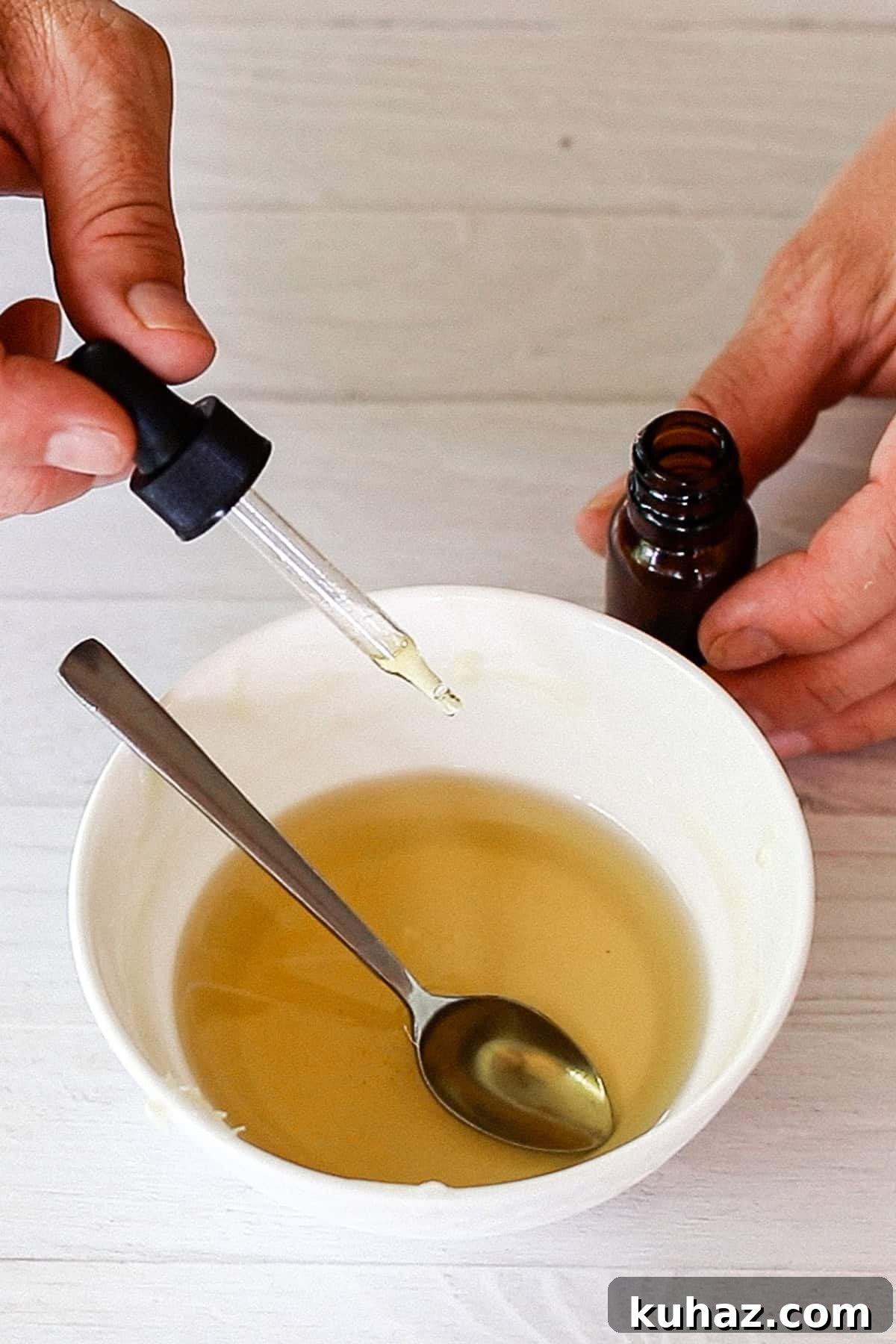
Step 2. Remove the mixture from heat. Stir in zinc oxide, vitamin E oil, and any essential oil until fully incorporated.
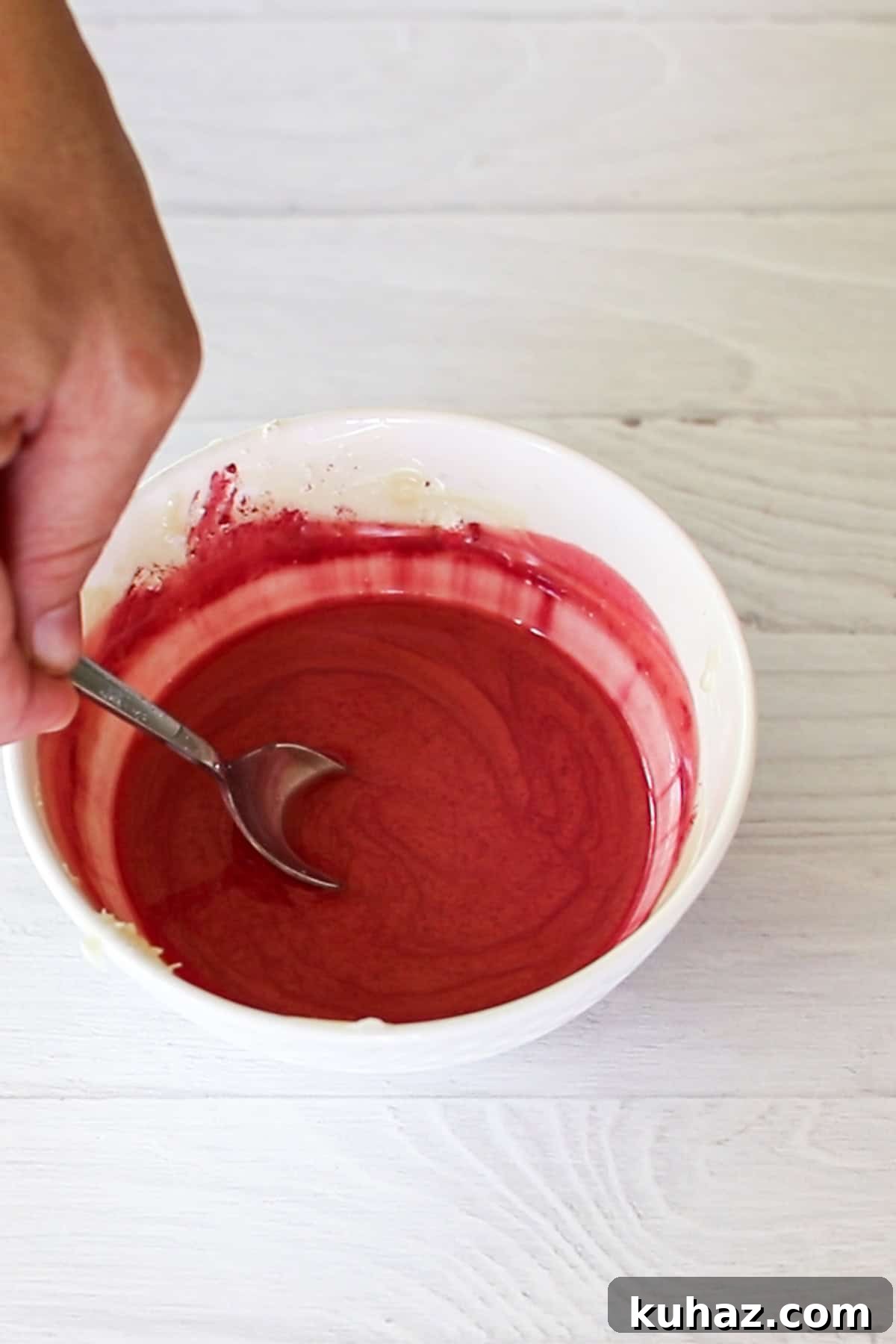
Step 3. Add your pigment or mica and stir thoroughly until the color is even with no streaks.
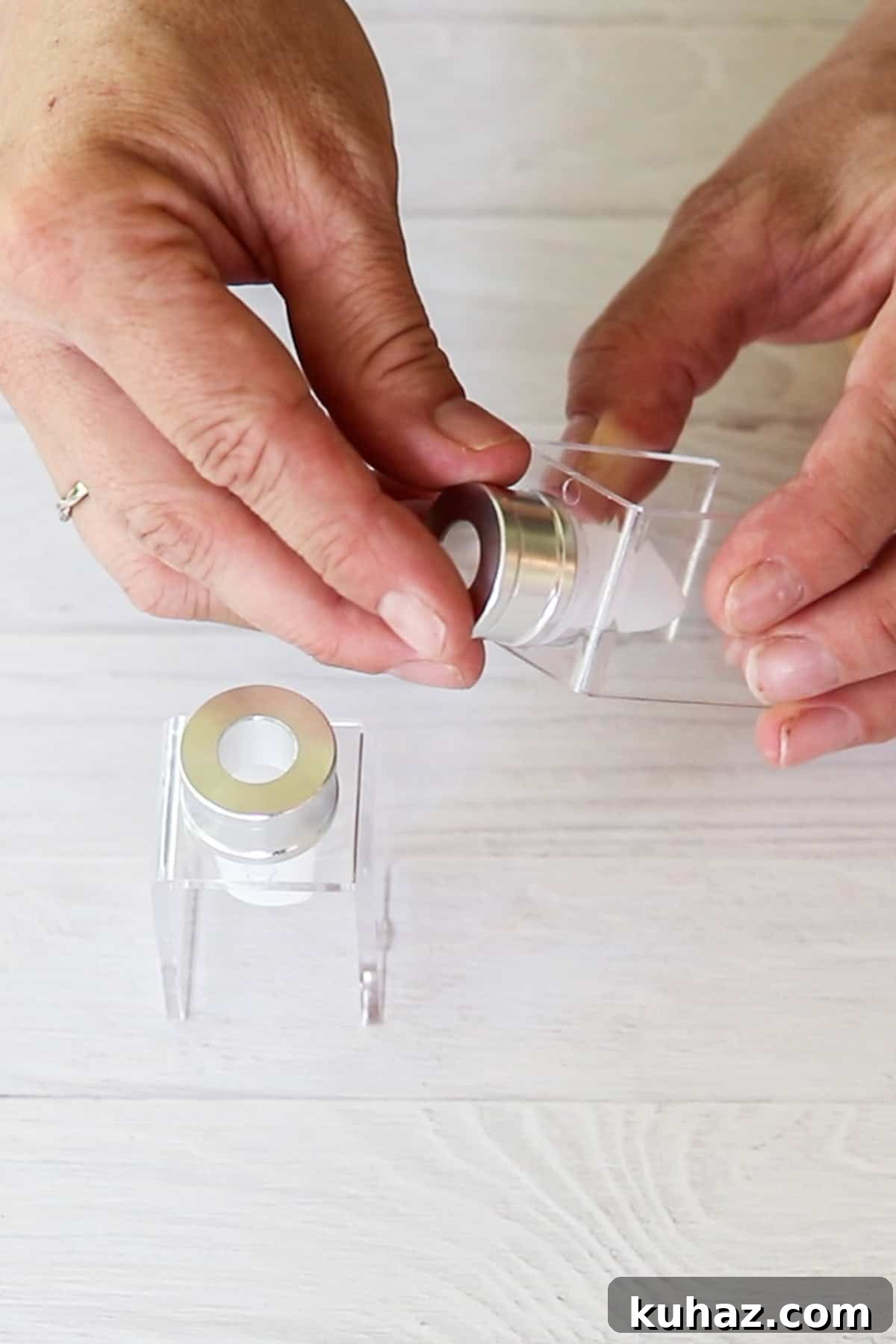
Step 4. Prepare molds or tubes. If using silicone molds, place each mold into its stand and assemble any guides needed for tube insertion.
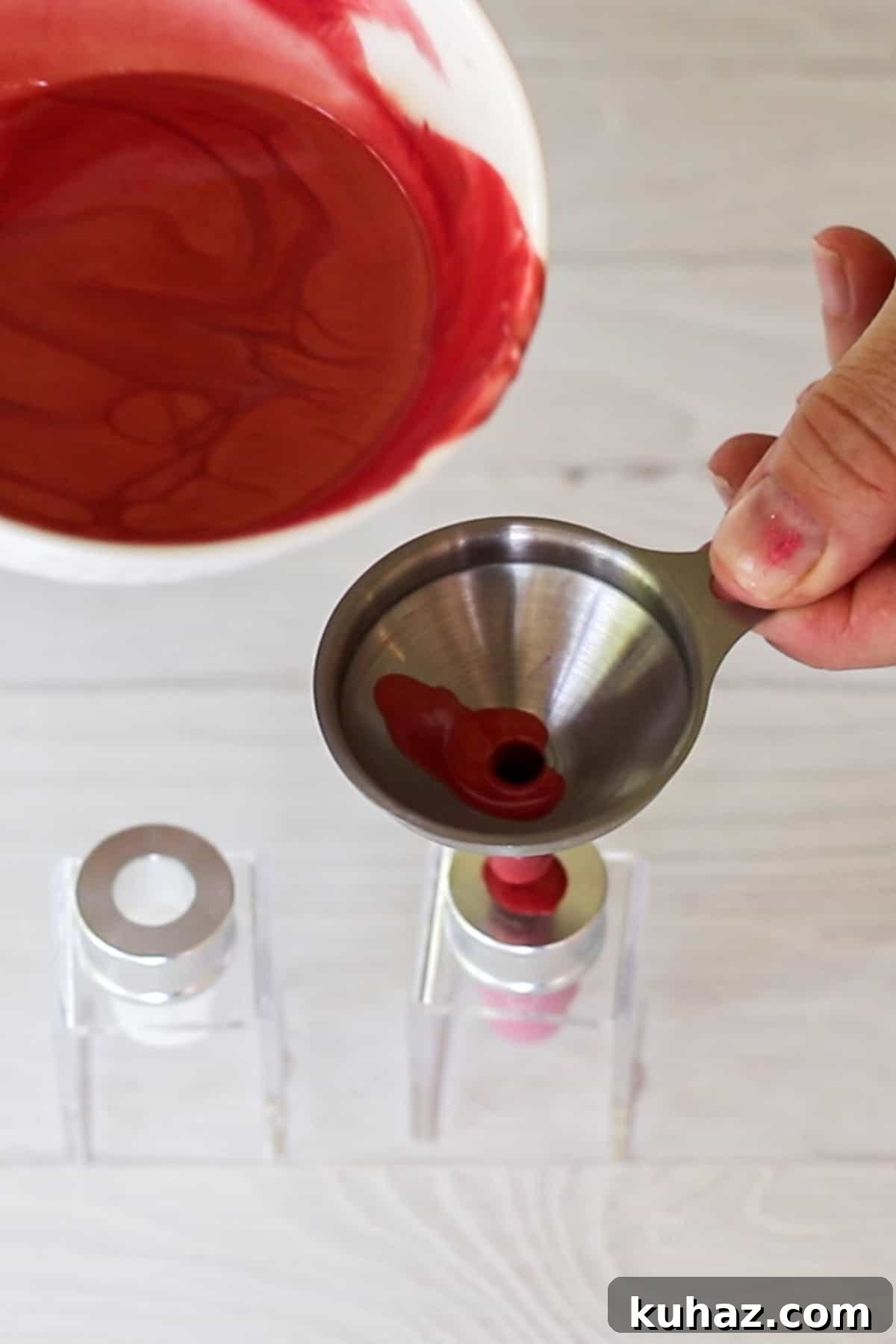
Step 5. Carefully pour the melted lipstick into molds or fill balm tubes. Allow the product to cool and harden completely—overnight is best.
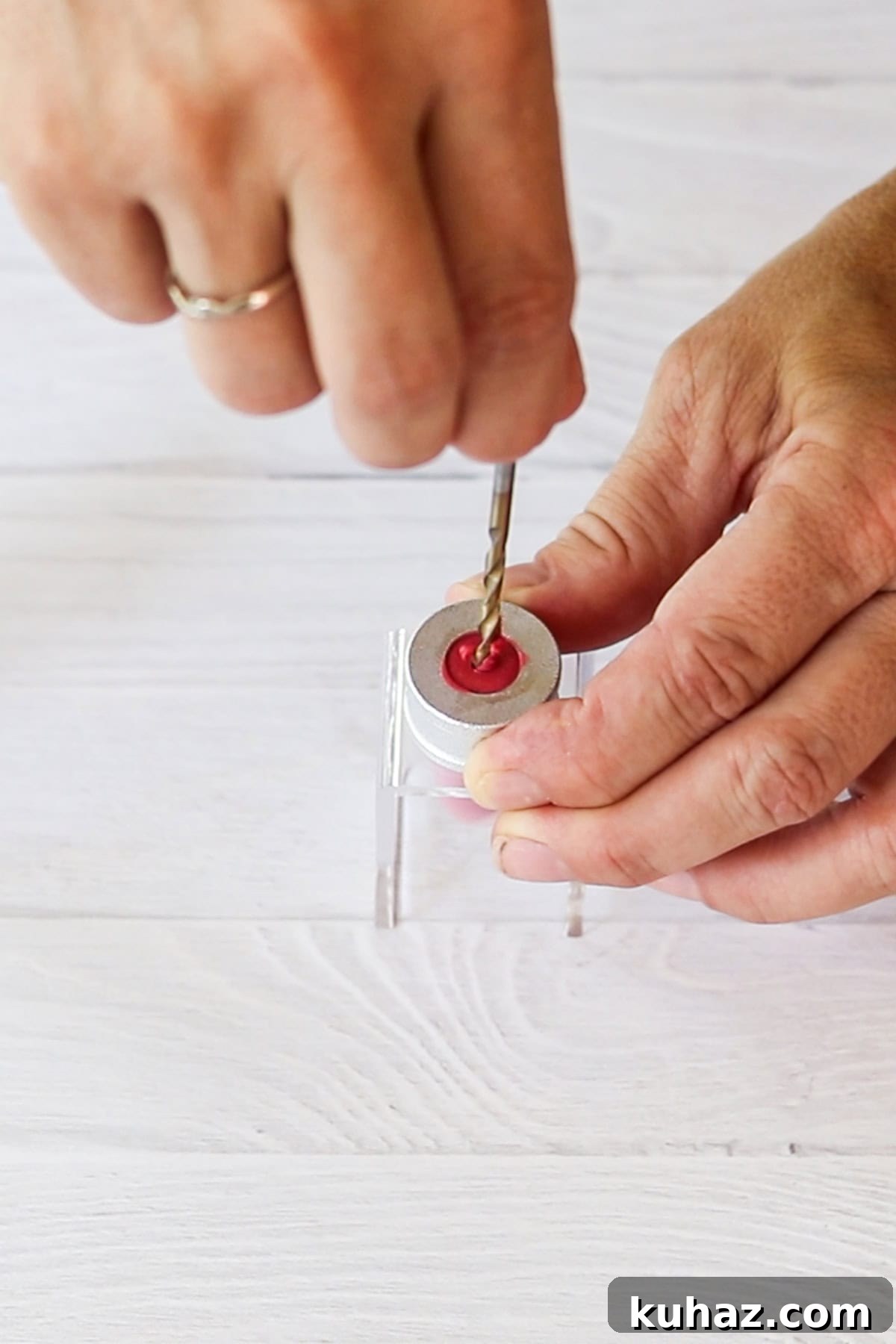
Step 6. If you used molds and plan to use standard lipstick tubes, drill a small center hole in the bottom of the hardened lipstick (about 1/4″) to fit the tube’s guide, then seat the lipstick into the tube and secure it.
Expert Tips
- Let the lipstick cure and harden overnight for the best texture and longevity.
- Avoid storing your homemade lipstick in hot places where it can soften or melt.
- If your lips are dry or flaky, exfoliate first with a gentle lip scrub for a smoother application.
- Work carefully when drilling and transferring molded lipstick into tubes—these steps are the trickiest but lead to the neatest finish.
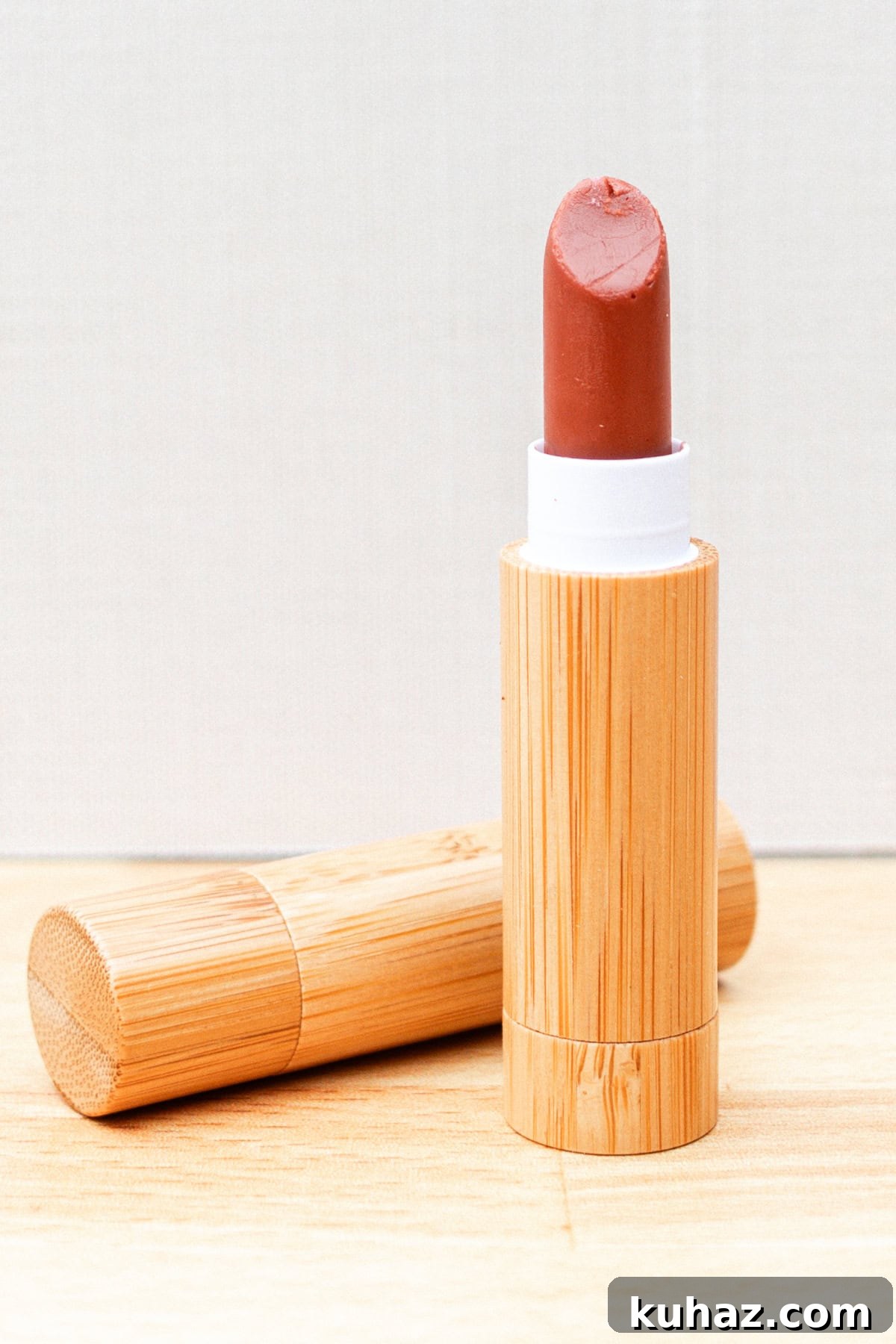
Store-Bought Options
If you prefer to buy rather than DIY, there are several natural lipstick products available from reputable brands. Making your own is usually more economical, but quality natural lipsticks can be a convenient alternative when time is limited.
Recipe FAQs
How long does homemade lipstick last? Stored in a cool, dry place, this lipstick should keep for at least one year. Discard if it smells off or shows visible mold.
How can I make lipstick last longer on my lips? Start with dry, exfoliated lips. Apply thin layers and allow each to set rather than one thick layer. A light dusting of translucent powder between layers or a matching lip liner can improve wear time.
Related Recipes
- DIY tinted lip balm
- Homemade lip balm with coconut oil
- Natural lip plumper
- Hydrating lip oil
If you try this homemade lipstick tutorial, please leave a star rating and share your experience in the comments. I hope you enjoy crafting a natural lipstick that matches your style and preferences.