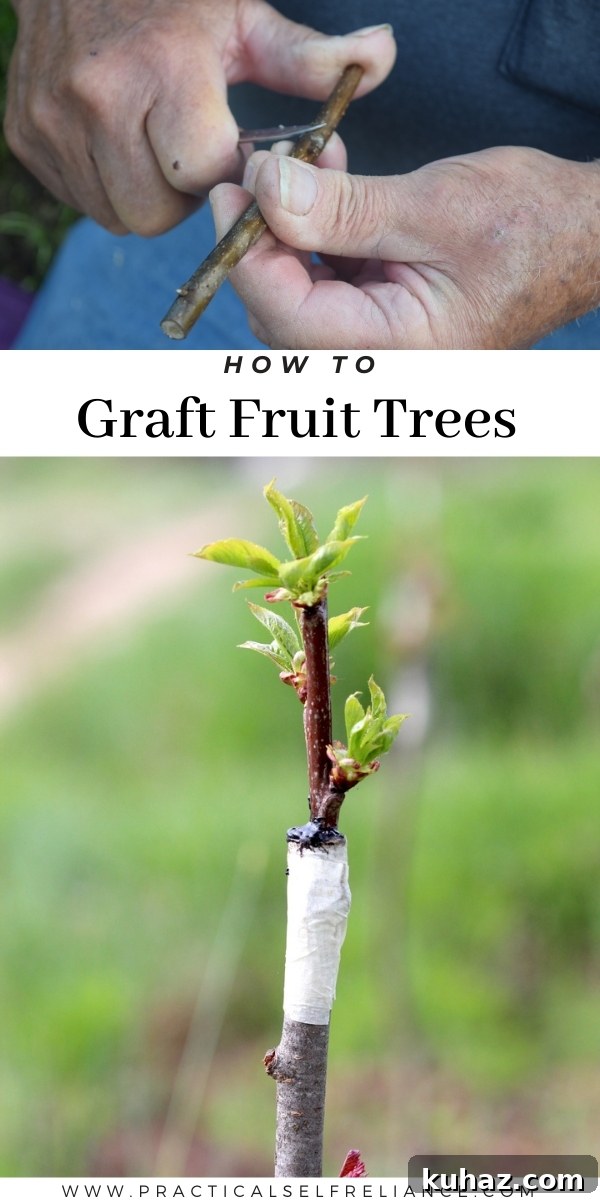
Grafting fruit trees is an affordable, effective way to propagate trees for a backyard orchard. These straightforward grafting techniques work both for bench grafting indoors in spring and for top-working established trees outdoors to change varieties or restore older orchards.
About ten years ago I took my first grafting class. After an hour of hands-on instruction, everyone left with a few grafted apple trees they had made themselves—and a few extra bandages from minor cuts. With care, grafting is simple. New grafting pruners and modern tapes make the work safer and faster than ever.
This guide explains what grafting is, how it works, the tools you’ll need, how to source scion and rootstock, common rootstock types, and step-by-step bench and field grafting methods for apples, pears, cherries, plums, and peaches. I also cover top-working established trees and how to seal wounds to protect your grafts.
What is Grafting?
Grafting joins parts of two plants so they grow as a single tree. Typically, a shoot (scion) from one tree is attached to the roots or trunk (rootstock) of another.
Many fruit trees don’t come true from seed. Planting a seed from a favored apple will not reproduce the same variety. Grafting is the reliable method to preserve a cultivar’s flavor, disease resistance, and growth habit by attaching scion wood from a known tree to compatible rootstock.
Some fruiting plants root readily from cuttings, but most tree fruit does not. For apples and many other fruit trees, grafting scion wood to rootstock is the best way to make a new tree.
How Does Grafting Work?
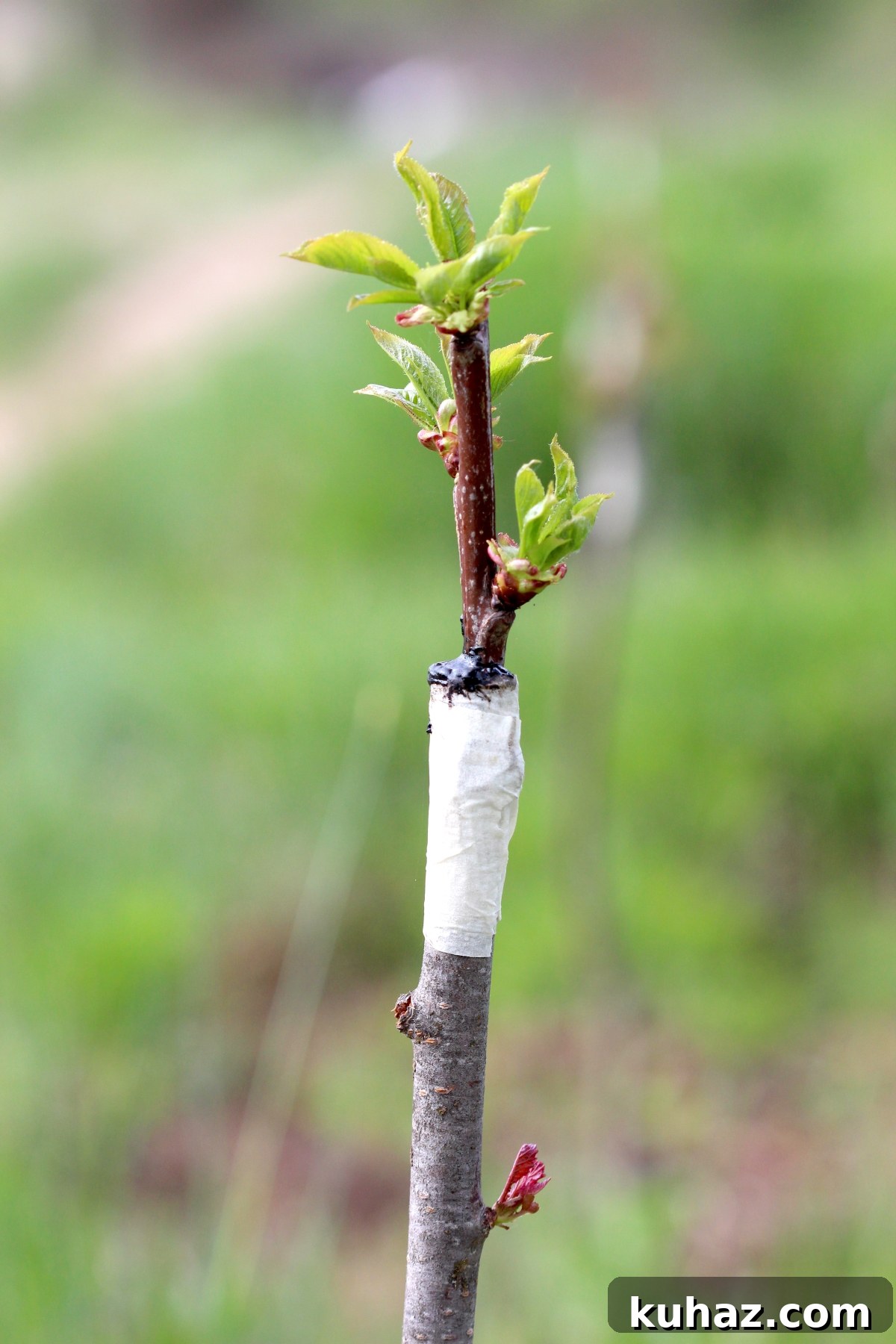
Trees are excellent at healing wounds. If the cambium layers of scion and rootstock are held in contact, the tree will fuse them as it repairs what it perceives as a cut in its nutrient-transport system.
The cambium is a thin layer just under the bark and outside the woody core. It transports sugars and water between roots and leaves. When two cambium layers meet and remain aligned, they grow together and form a successful graft union.
Compatible Rootstock
Successful grafting requires compatible rootstock. Apples are grafted to apple rootstock and pears to pear rootstock. Closely related fruits can sometimes share rootstocks—for example, some plum and cherry rootstocks are interchangeable within stone fruit families—but always confirm compatibility before grafting.
Bench Grafting vs Field Grafting
Bench grafting typically refers to indoor grafting in late winter or early spring to create new trees from purchased or home-sourced rootstock and scion wood. Field grafting, or top-working, is done on established trees to change varieties, repair damage, or create multi-variety trees.
Top-working lets you keep established roots while changing the fruiting variety. A properly top-worked tree can recover vigor and produce full crops in two to three years because the root system is already mature.
Grafting Tools
Grafting doesn’t require fancy equipment. A sharp knife (or a fresh utility blade) and some tape or rubber bands are sufficient for many grafts. For larger field grafts, a mallet and a screwdriver for splitting wood can help. However, a few specialized tools make the work easier:
- Grafting knife – A sharp, dedicated grafting knife offers control for angled cuts and small details.
- Grafting tape – Stretchy parafilm tape seals the union and holds pieces in place. It degrades over time, so it doesn’t need removal in most cases.
- Wound sealant – Useful for field grafts and large cuts to prevent moisture loss and infection.
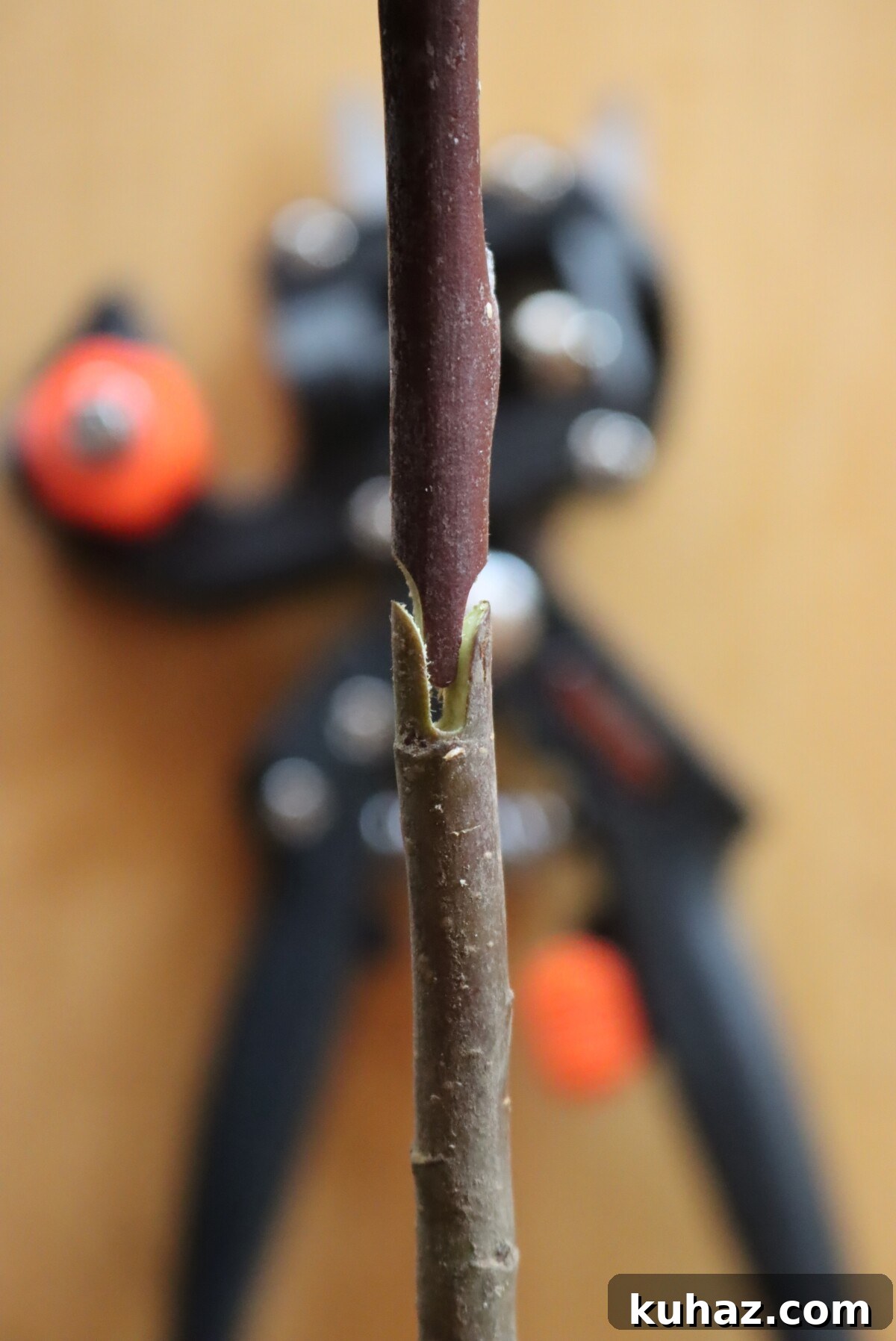
- Grafting pruners – These cut matching profiles on scion and rootstock for fast, consistent bench grafts and reduce the risk of cutting yourself.
Sourcing Scion or Bud Wood
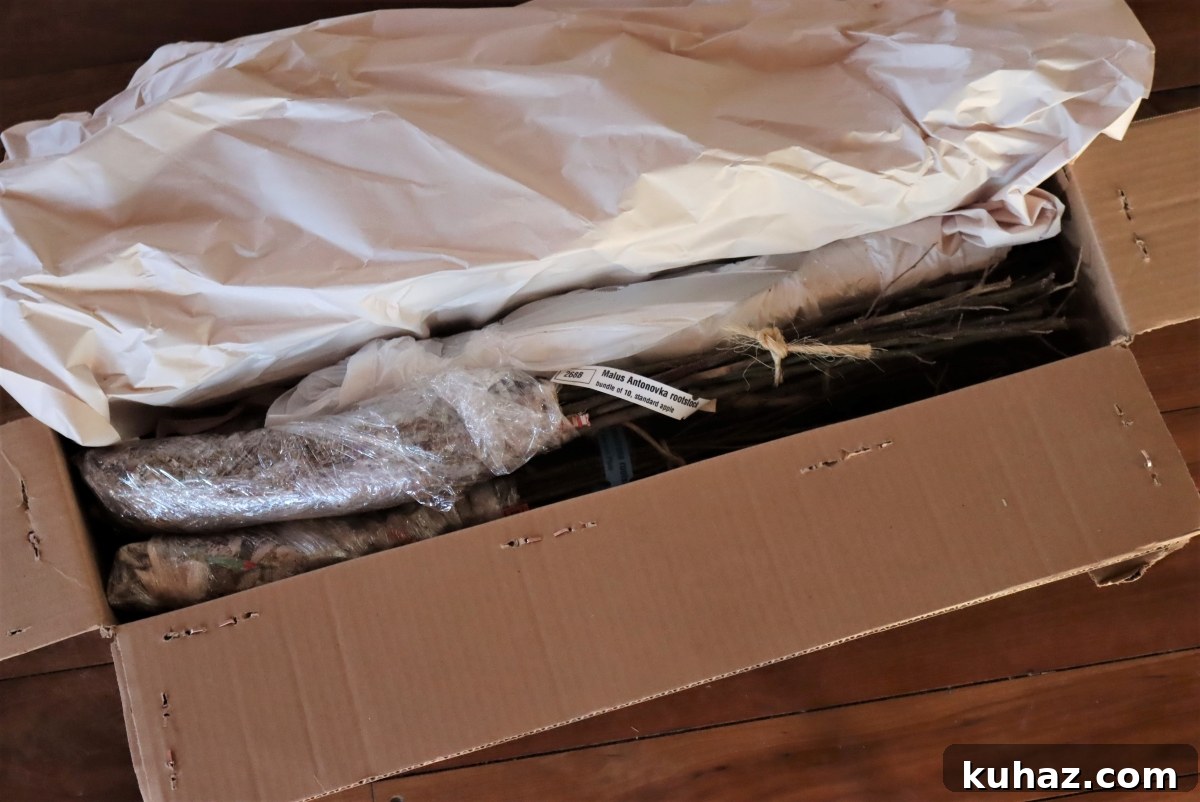
Scion wood is usually taken from dormant first-year growth during late winter. You can source scion from your own trees, friends, or local growers. Store fresh-cut scion wrapped in a moist paper towel inside the refrigerator until you’re ready to graft.
If you need a specialty variety not available locally, many nurseries and scion exchanges sell scion wood in late winter. Rootstock can also be ordered from reputable regional suppliers to match local climate and soil conditions.
Types of Rootstock for Grafting
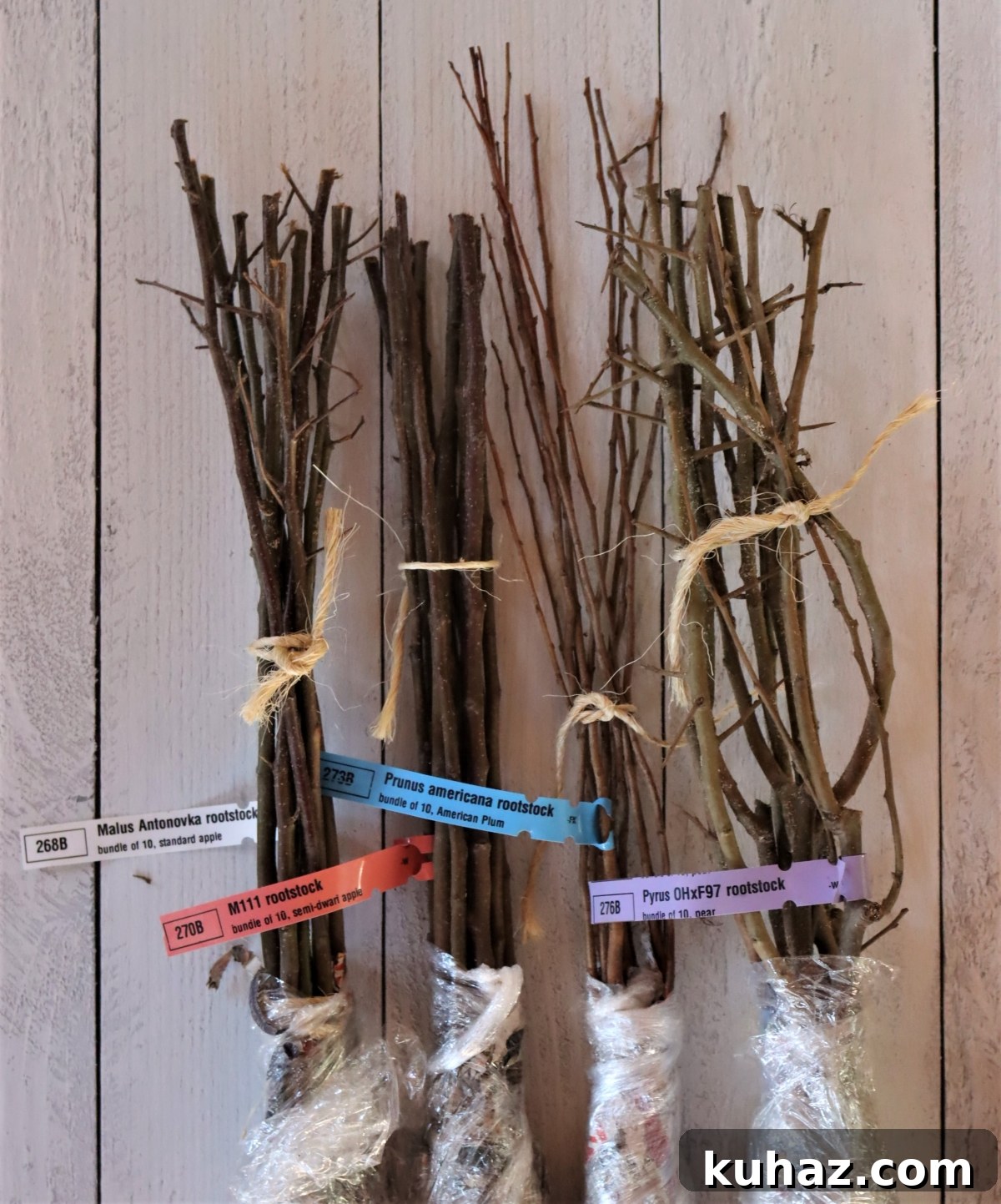
Rootstock choice affects tree size, hardiness, disease resistance, and adaptability. Regional suppliers often offer rootstocks suited to local soils and climates. Common apple rootstock types range from standards that produce full-size trees to semi-dwarf and dwarfing varieties for smaller, easier-to-manage trees. Pear, plum, peach, and cherry rootstocks each have selections suited to different soils and climates.
Apple Rootstock Varieties
- Antonovka – A hardy standard rootstock that produces full-size trees with long lifespans.
- Budagovsky series – Slightly smaller than standard, vigorous and early-bearing.
- MM111 – A popular semi-dwarf rootstock producing trees around 65–80% of standard size.
- M111 (Geneva) – A dwarfing option for smaller trees that may require staking.
- Bud 9 – A compact dwarf rootstock producing very small trees for close spacing.
Pear and Stone Fruit Rootstocks
- Pear rootstocks – Several hardy rootstocks support both European and Asian varieties.
- Prunus seedling rootstock – Versatile for plums, peaches, and hybrid stone fruits.
- Mazzard – Common for cherries, favored for certain soil and climate combinations.
How to Graft Fruit Trees
Beginners typically start with bench grafting to propagate new trees. Field grafting and top-working are covered afterward.
Bench Grafting
Bench grafting is done on a table or potting bench. Match scion and rootstock of similar diameter—closer matches give better cambium contact. Simple mirrored sloping cuts increase surface area for cambium alignment and improve success.
Wrap the union tightly with parafilm or stretchy plastic to seal and hold the pieces together. Parafilm is preferred because it seals well and degrades naturally, so removal is often unnecessary.
Whip and Tongue Graft
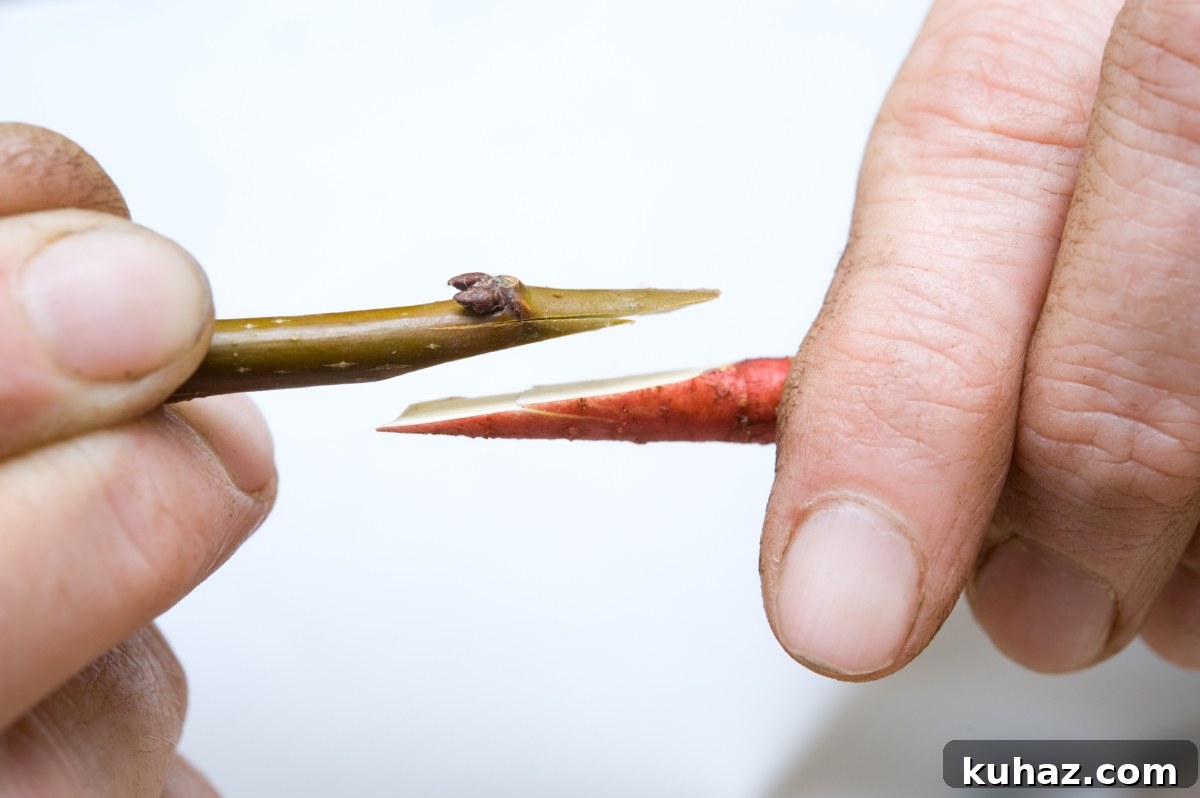
The whip and tongue graft is a strong bench method. Make mirrored sloping cuts on scion and rootstock, then add a small interlocking notch on each side so the pieces hold together under tension before wrapping.
Cleft Graft
The cleft graft is simpler: split the rootstock and insert a tapered scion into the cleft. It works well when diameters are similar and is beginner-friendly. A well-executed cleft is secure and effective.
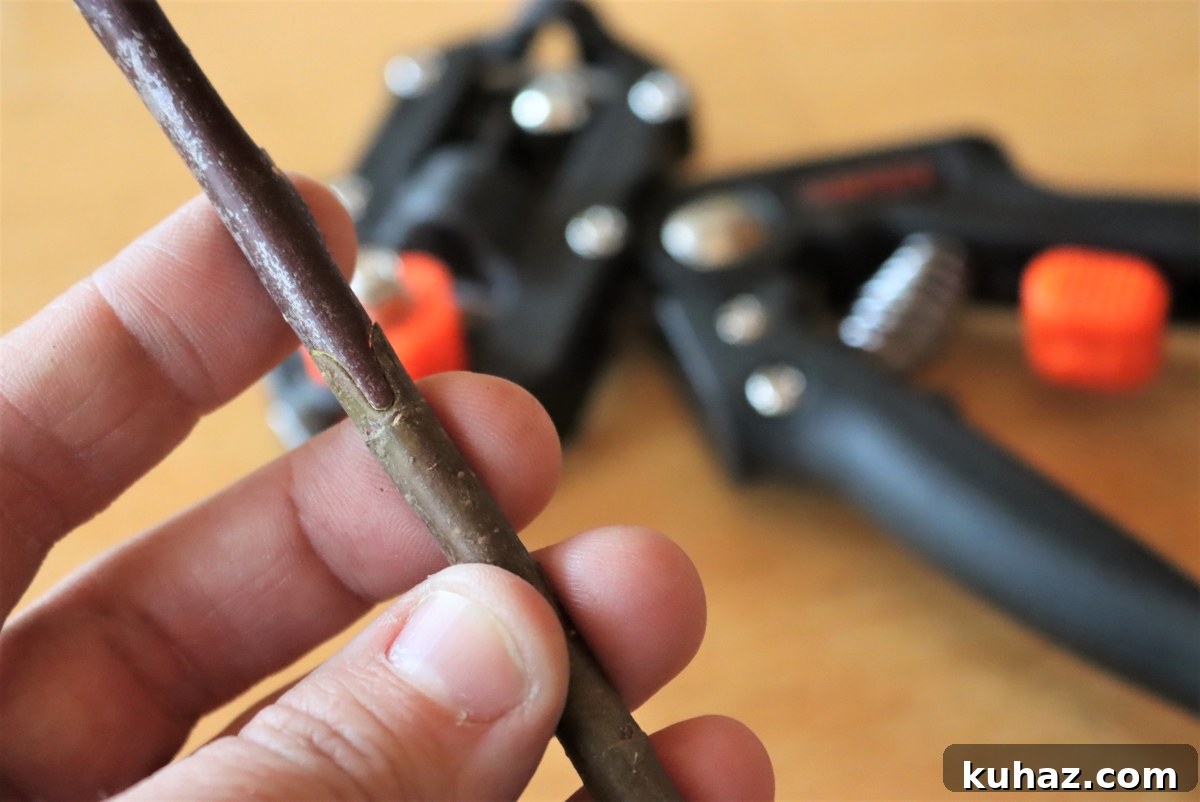
Grafting Pruners
Grafting pruners cut matching profiles in scion and rootstock for fast, repeatable results. They’re safer and much faster than knives, making them a good investment if you plan to graft many trees.
Sealing Bench Grafts
Wrap bench grafts tightly so the union stays aligned. Parafilm tape or stretchy plastic wrap is recommended; parafilm will break down naturally and protect the graft without later removal. After wrapping, pot bare-root grafts into soil or plant them out once weather and soil conditions are favorable.
Top-Working Trees (Field Grafting)
Top-working involves grafting small scions to large branches or trunks to change variety or repair damage. Because diameters may differ, cleft and bark grafts are commonly used.
Cleft Grafting (Field)
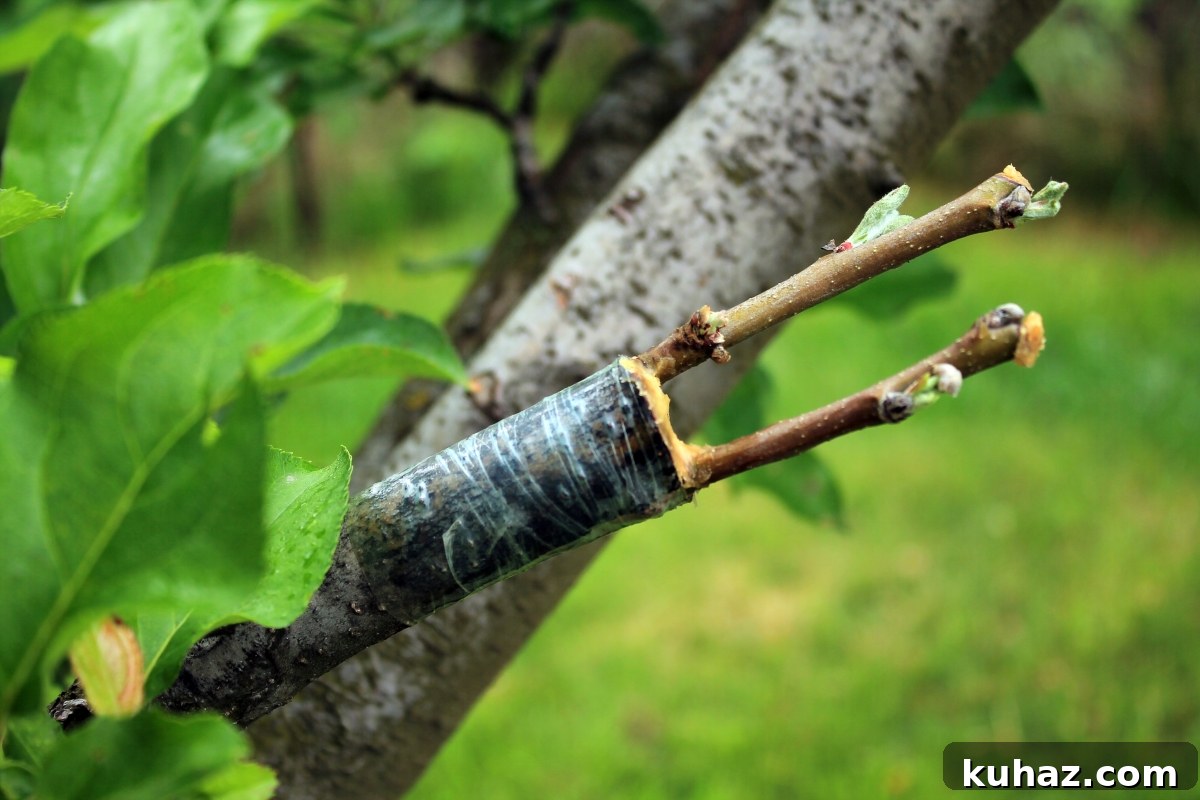
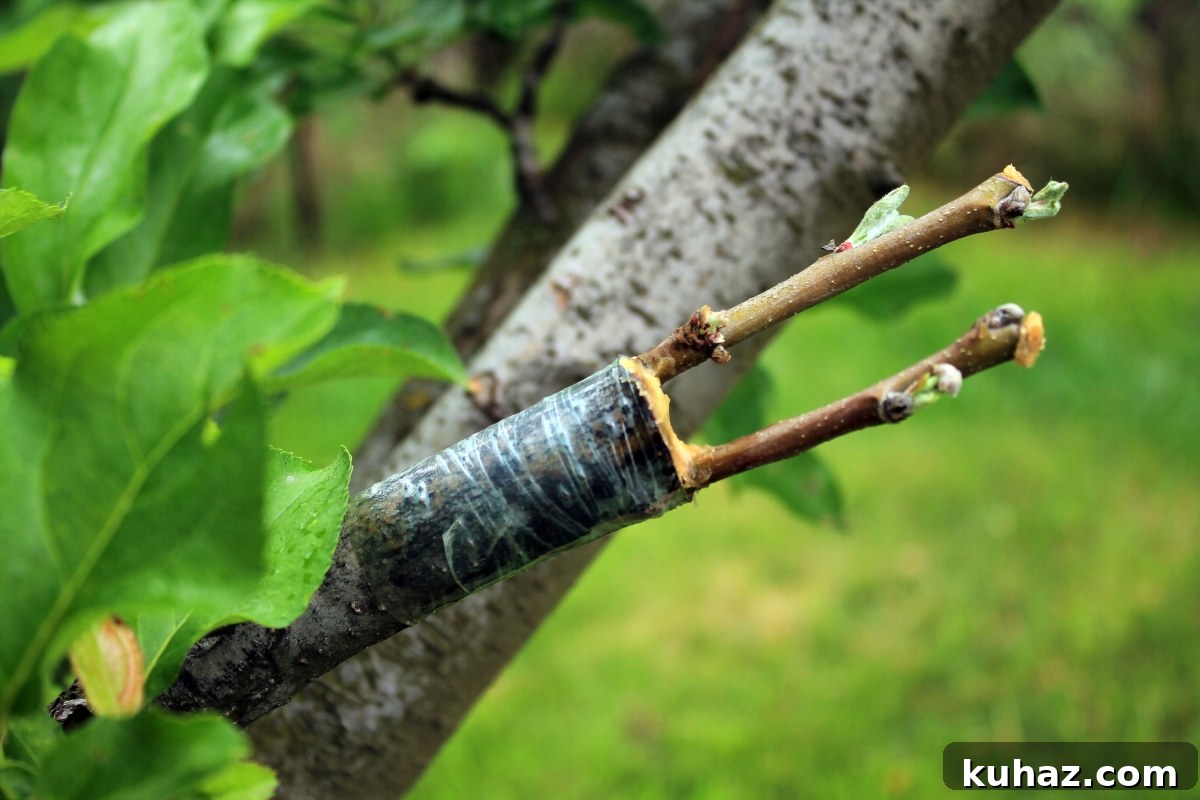
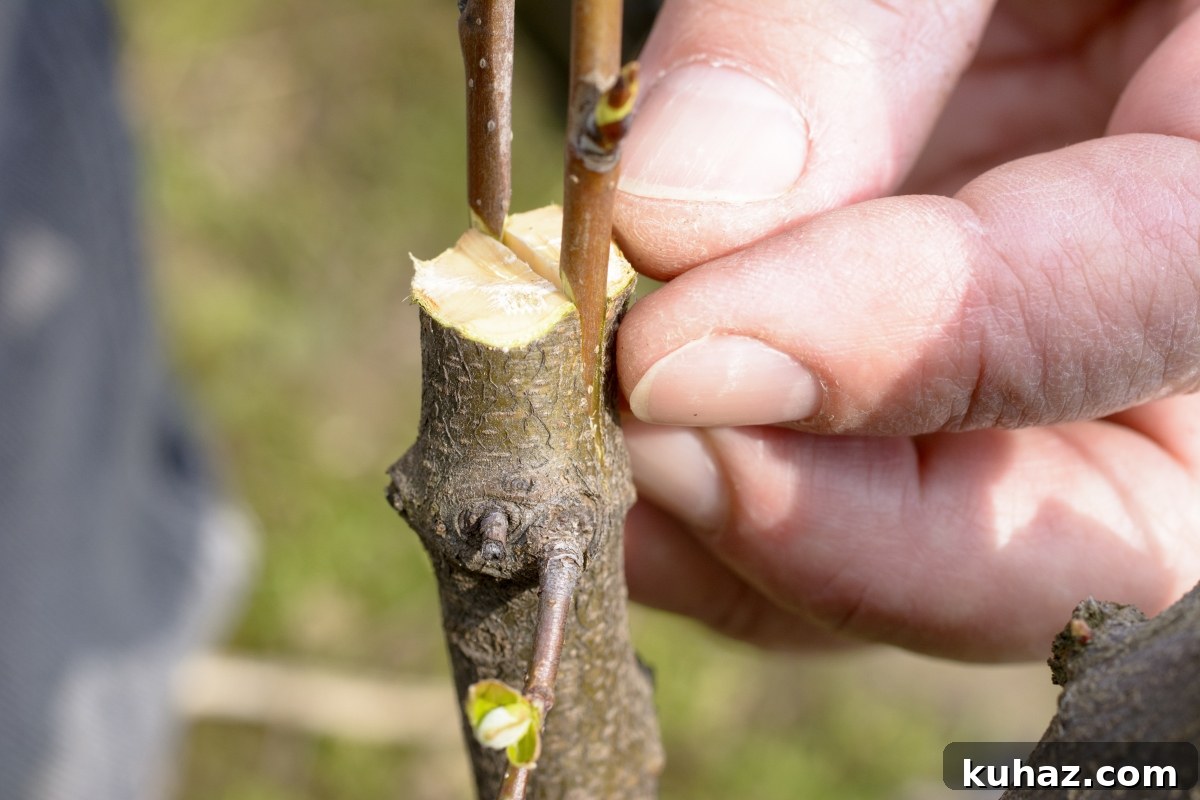
Choose a healthy branch about 2 inches in diameter, cut it off cleanly, then split it 2–3 inches deep. Insert two scions on opposite sides of the cleft with their cambium aligned to the outer edges, then seal the wound to prevent moisture loss.
Bark Graft
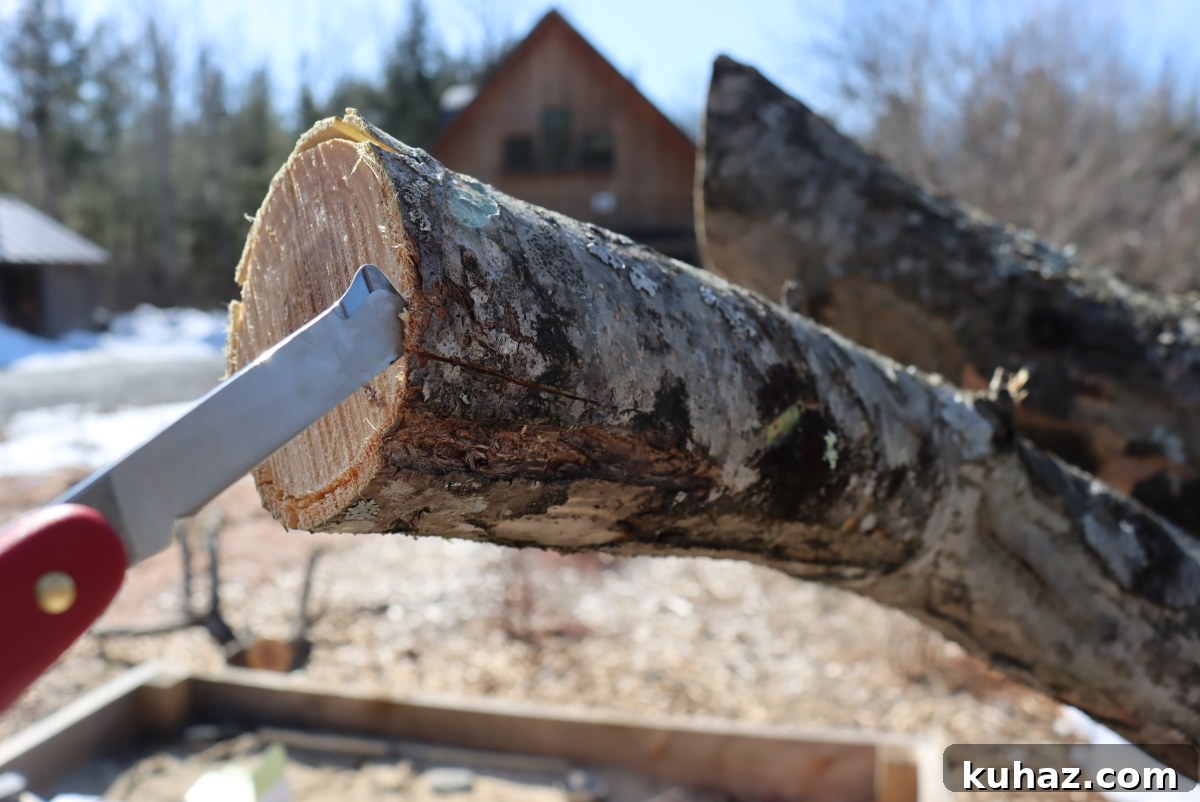
Bark grafts allow multiple scions and are useful on larger branches. After cutting the branch, make a vertical slit in the bark and pry it back to create a pocket. Insert sloped scions under the bark, align cambium, then secure and seal the wound.
Dressing Tree Wounds
Sealing field grafts is critical. Parafilm is excellent for small bench unions; for larger cuts, use a grafting sealant or wax to prevent desiccation and infection. Commercial grafting wax can be warmed and brushed on. A warmed waxseal applied with a brush sets quickly and protects the fresh cuts.
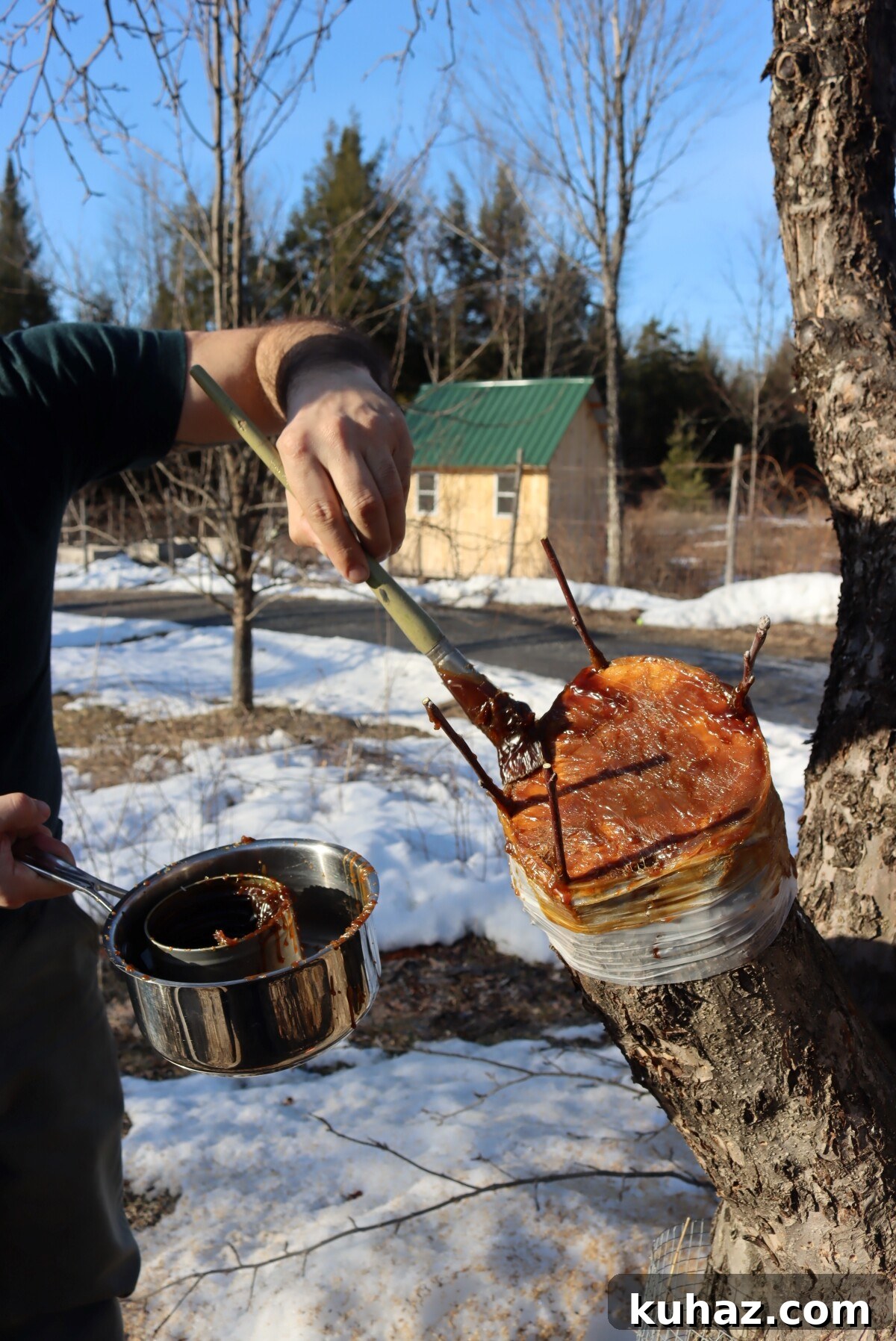
You can also make a homemade grafting wax by combining pine resin (gum rosin), beeswax, and a fat like tallow to achieve a tacky, pliable sealant that adheres well and helps prevent moisture loss.
Bridge Grafting
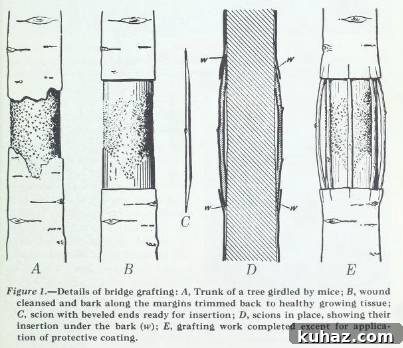
Bridge grafting repairs trees that have been girdled by rodents or other damage. It restores cambial connectivity and can save valuable established trees. Learning bridge graft techniques is useful insurance for orchard health.
Grafting Frequently Asked Questions
Here are answers to a few common grafting questions.
Is sealing graft cuts necessary?
Yes for field grafts. Large cuts expose wood and can dry out or become infected; sealing helps the scion survive and the tree conserve resources. For tight bench grafts, parafilm alone often provides adequate protection.
What causes grafts to fail?
- Excessive drying of scion or union due to poor sealing.
- Grafting at the wrong time of year; graft while trees are dormant but close to bud break.
- Poor-quality scion wood—old, damaged, or diseased wood won’t graft well.
- Incorrect orientation—scions must be grafted right-side-up so buds and cambium align properly.
Further Reading
This guide covers the essentials, but grafting has many variations. For deeper study, consult specialized grafting references and propagation manuals that cover additional graft types and advanced techniques.