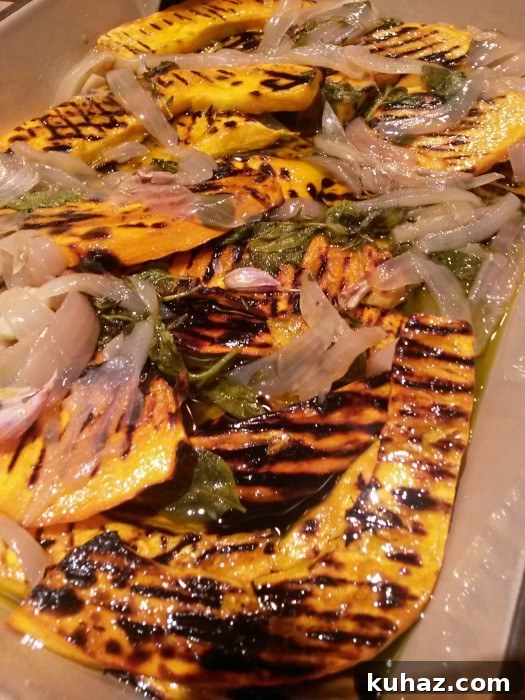
We spent a delightful few days in Ostia Antica, near Rome, with Carla Tomasi earlier this month. We ate exceptionally well and spent many happy hours cooking alongside Carla, learning techniques and recipes rooted in Italian tradition. Over the coming weeks I’ll be sharing some of those recipes as I recreate them from my notes; the first is a simple classic: griddled, sweet-and-sour marinated pumpkin, known in Italian as zucca in agrodolce.
This version is inspired by a Sicilian treatment of pumpkin or squash and was brought to mind for Carla by Rachel Roddy, whom we met during a rain-soaked, memorable day in Rome. Rachel and her partner Vincenzo welcomed us warmly, guided us around Testaccio, and treated us to a generous lunch. I’m also looking forward to Rachel’s first book, Five Quarters: Recipes and Notes from a Kitchen in Rome.
The base ingredient I used was a Padana squash we grew last year. Padana is a dense, sweet squash that holds up beautifully to griddling and marination. At Carla’s we tried a couple of variations: she added mint, parsley and a touch of chilli to the vinegar for brightness and heat; I used a mix of Emperor’s mint and oregano for a slightly different aromatic profile. Both of us used apple cider vinegar for its rounded acidity, but other light vinegars could work well.

The method is straightforward: the squash is cut into slices or wedges, griddled or roasted until tender and slightly charred, then tossed in a warm sweet-and-sour dressing so the flavours meld. The agrodolce dressing is purposely simple — vinegar, a little sugar or honey, olive oil and aromatic herbs — which lets the natural sweetness of the pumpkin come through while balancing it with tang and herbal notes.
At Carla’s we first served the zucca in agrodolce with a Roman-style pan-roast lamb. The dish also featured the next day as part of a large lunch when our friend Sigurd from Testaccio joined us. Left to rest, the pumpkin absorbed the dressing and the flavours deepened — it truly tastes better after a few hours or overnight in the fridge.
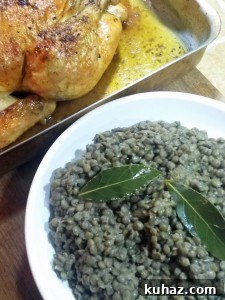
I served it another time with roasted chicken and some dressed lentils for a lighter meal. The following day I chopped the marinated pieces smaller and tossed them through penne for a quick, satisfying pasta — a great way to stretch leftovers into a new meal. The sweet-and-sour pumpkin pairs beautifully with simple grains and pulses, grilled meats, or as an antipasto on a share board.
There are plenty of easy variations to try. Add fresh herbs like parsley or basil at the end for a bright finish, include a little chilli or red pepper flakes for heat, or fold in capers for a salty contrast. For a more rustic version, roast the squash rather than griddle it; for a lighter take, reduce the sugar and increase the vinegar slightly. The balance of sweet and sour is flexible — adjust to your taste.
Storage is forgiving: keep the marinated pumpkin in an airtight container in the fridge and use it within a few days. It can be served chilled, at room temperature, or gently warmed. The texture softens with time but the flavour becomes more integrated, which is why I often prefer it after a rest.
This zucca in agrodolce is a wonderfully simple Italian side or topping that showcases seasonal squash. It requires few ingredients, is forgiving to make, and rewards a little planning as the flavours mature. If you try it, let me know which variation you prefer — with herbs, chilli, or perhaps in a pasta or lentil salad.

This is a simple, flexible and delicious dish — give it a try and enjoy how the sweet-and-sour balance transforms ordinary pumpkin into something memorable.