If you are wondering how to transport a wedding cake safely, the most important thing to know is that careful planning matters. A tiered cake can travel beautifully when it is supported correctly, kept cool, placed on a flat surface, and handled by someone who understands how delicate it is.
Transporting a wedding cake can feel intimidating, especially if you are helping a friend or family member on the wedding day. A cake is not just dessert; it is often one of the most photographed details at the reception. Because of that, it deserves careful handling from the moment it leaves the bakery until it is placed at the venue.
These practical wedding cake transportation tips are based on real bakery experience delivering tiered cakes of different sizes over both short and longer distances. Whether you are picking up a professional cake, delivering a homemade tiered cake, or helping with wedding logistics, the same basic rules apply: know the cake’s size, keep it stable, avoid heat, drive carefully, and do not wait until the last minute to plan the pickup.
Below are seven clear steps to help you transport a wedding cake safely and reduce the risk of sliding, melting, dents, or damage during the drive.
1. Check with the Baker for Measurements and Refrigeration Requirements
If you are transporting a tiered cake from a local baker or professional bakery, start by asking for their specific transportation instructions. Every baker may build, stack, chill, and support cakes a little differently, so their advice should always come first.
Before pickup day, ask the baker for the cake’s exact dimensions, the height of the box, the size of the cake board or cake drum, and the estimated weight. This helps you choose the right vehicle and make sure there is enough room for the cake to sit flat without being squeezed against doors, seats, or other wedding supplies.
What Are the Measurements of the Cake?
Knowing the measurements of the wedding cake is essential. A tall tiered cake may not fit in a compact car, and a wide cake board may require more floor space than expected. If the cake is large or heavy, plan to send two people for pickup so one person can help carry the cake while the other opens doors, clears the path, and stabilizes the box.
Measurements also help you confirm whether the venue has enough refrigerator space. A cake that needs to stay cold should not arrive at a venue only to sit out for hours because there is nowhere to store it.
Does the Wedding Cake Need to Be Refrigerated?
Ask the baker whether the cake must be refrigerated and how long it can safely sit at room temperature before serving. Buttercream, fillings, and decorations can soften if the cake gets too warm. In hot weather or outdoor wedding conditions, buttercream may lose its shape, decorations may shift, and the cake may not look as polished as it did at pickup.
Many buttercream wedding cakes should remain refrigerated until a few hours before serving. If the venue does not have refrigerator space, consider timing the cake delivery closer to the reception so the cake is not left sitting out too long.
Check with the Venue
Contact the wedding venue before pickup day and ask whether refrigerator space is available for the cake. Many venues have commercial refrigerators, but they may already be reserved for catering, flowers, or other event items. Confirm the available space using the measurements you received from the baker.
If the venue cannot refrigerate a large tiered wedding cake, consider an alternative setup such as smaller cakes or a dessert table. Smaller cakes are often easier to transport, store, and display.
2. Use a Cake Drum and a Sturdy Cardboard Box
The safest way to transport a wedding cake is to place it on a sturdy cake drum that fits securely inside a strong cake box. Your baker may provide both the board and the box. If so, keep the cake inside that box until it reaches the venue.
What Is a Cake Drum?
A cake drum is a thick, heavy-duty cake board that gives the tiered cake a strong base. Many tiered cakes also include a center dowel or internal support system that helps hold the tiers in place and prevents sliding during transport. Different bakers use different support methods, so ask how the cake has been stabilized before you move it.
The cake drum should fit snugly inside the cake box. For example, a three-tiered cake on a 14-inch cake drum should go into a 14-inch wide box. When the board fits the box properly, there is less room for the cake to shift while the vehicle is moving.
How to Make a Tiered Cake Box
If you need to make your own box, choose a cardboard box that is wide enough and tall enough for the entire tiered cake. The box should be the same width as the cake drum so the board cannot slide around inside it.
For example, an 8″, 10″, and 12″ three-tiered cake on a 16″ cake drum will often fit well in a 16″ x 16″ cardboard box, as long as the box is tall enough. Most individual cake tiers are about 4 to 5 inches tall before stacking, but decorations can add extra height.
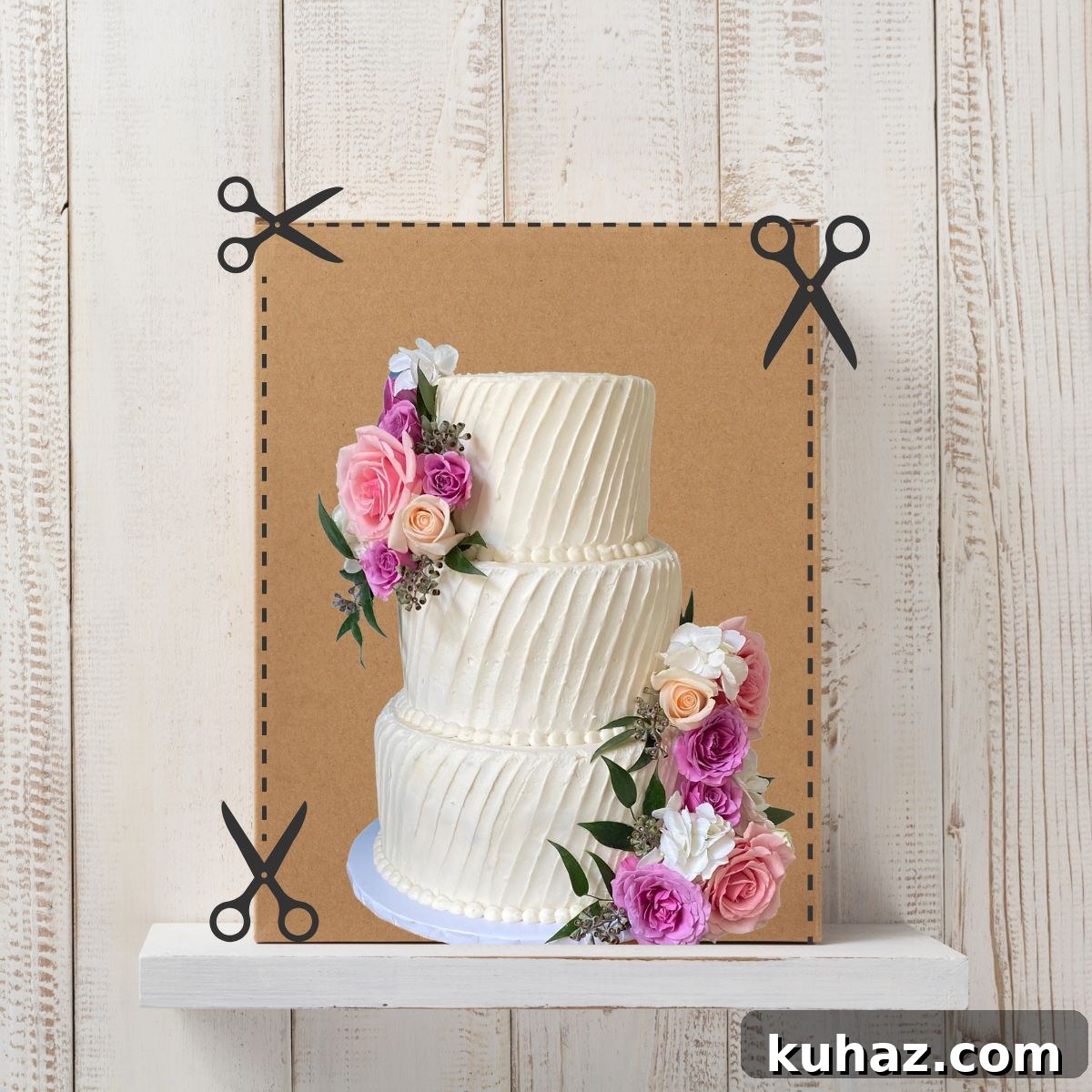
Securely tape the short sides of the box with packing tape. Then use a box cutter to cut down one tall side of the box, creating a door. This allows you to slide the cake into the box instead of lowering it from above, which is much safer for tall or heavy cakes.
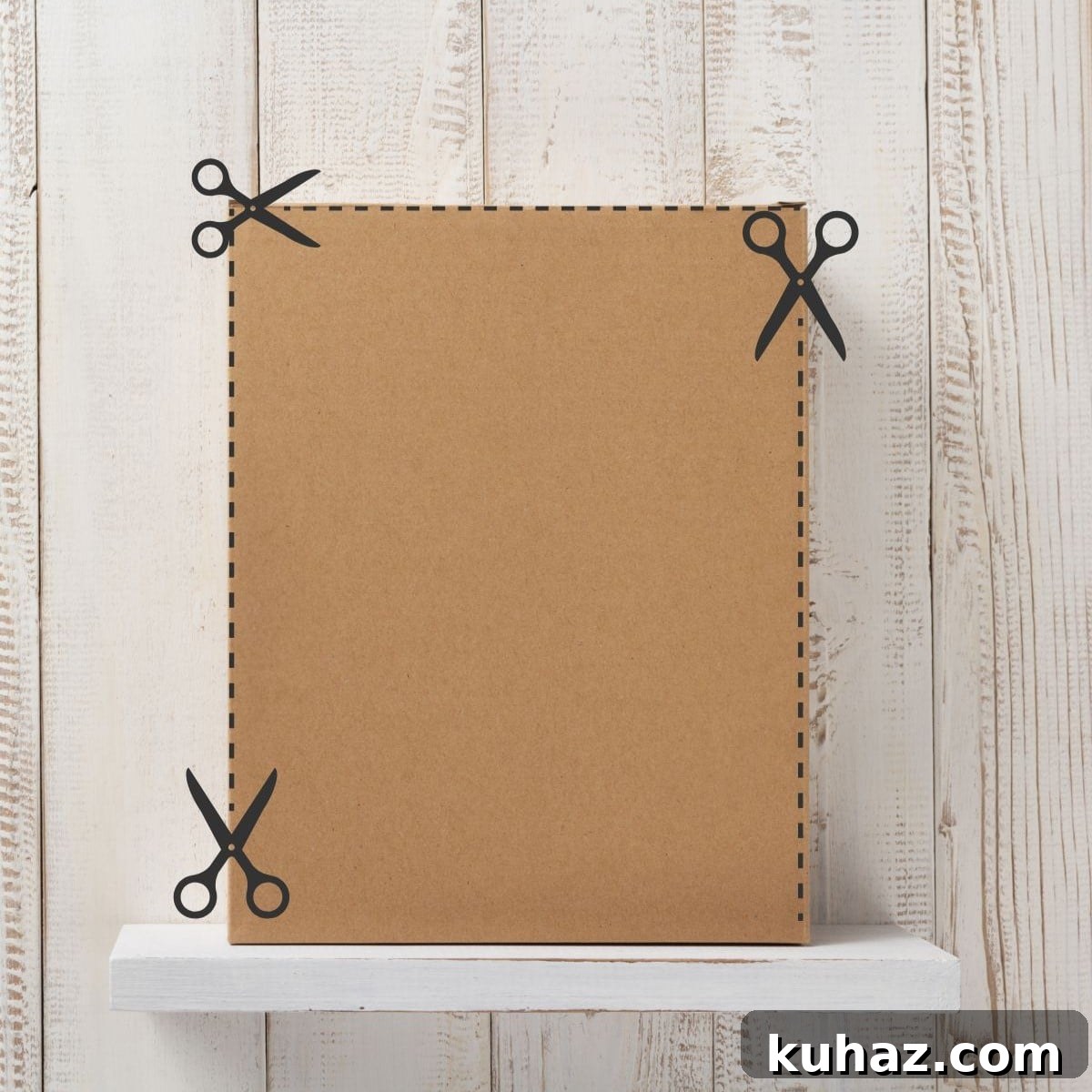
Once the cake is inside, tape the door closed for the drive. A proper box helps protect the frosting, flowers, decorations, and sides of the cake during transportation.
3. Reserve a Flat Place in Your Vehicle
A wedding cake should always travel on a flat, level surface. Do not place it on a slanted seat, in someone’s lap, or on top of loose items. Even a short drive can damage a cake if it is tilted or unstable.
Choose a vehicle with a large flat cargo area or floorboard, such as an SUV, van, or similar vehicle. Before pickup, clear the space completely. Wedding accessories, bags, decorations, and flowers should not crowd the cake box or press against the sides.
Avoid Laps and Tilted Seats
A lap may seem safe because someone can “hold” the cake, but it is actually too unstable. Car seats are also usually angled, which can cause the cake to lean. The best option is a flat floor surface where the box can sit level throughout the drive.
If the floor is smooth and slippery, place a non-slip liner underneath the cake box. A textured mat can help keep the box from sliding, but make sure the surface remains flat and even.
Avoid Deep Containers
Do not place a large wedding cake inside a deep bin or container that requires you to lift the cake up and out. Tiered cakes can be heavy, and pulling them out of a deep container increases the chance of scraping the frosting or damaging decorations.
If needed, you can place soft items around the cake box to keep it from shifting. However, avoid pressing anything tightly against the box, because the cardboard can bend inward and touch the cake.
4. Keep the Vehicle Cool
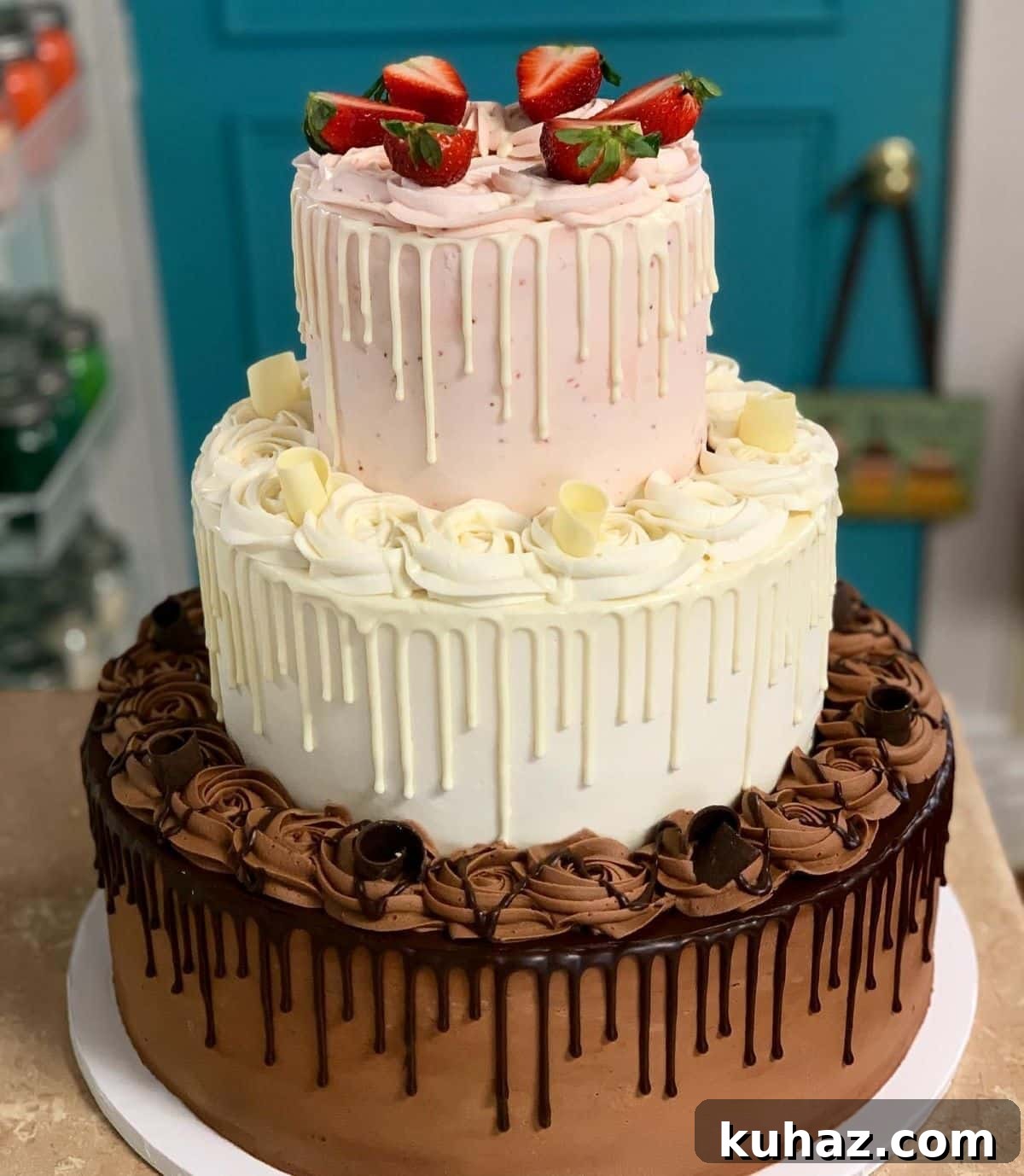
Temperature is one of the biggest concerns when transporting a wedding cake. Even if the cake does not require refrigeration, it is still best to keep the vehicle cool. Turn on the air conditioning before pickup so the car is already chilled when the cake is loaded.
Keep the cake away from direct sunlight, and do not leave it in a parked car. On warm days, avoid extra errands or long stops while the cake is inside the vehicle. Heat can soften buttercream and fillings, making the cake more vulnerable to movement and damage.
What About Long Trips?
If you need to travel more than an hour with a wedding cake, ask the baker for advice before making a plan. In some cases, picking up the cake the day before may be safer, especially if it can be kept cold overnight.
Some cakes may be transported partially frozen if the baker recommends it. Once you arrive, place the cake in a refrigerator so it can thaw slowly and evenly. Do not freeze or thaw a wedding cake without confirming that the cake’s recipe, filling, frosting, and decorations can handle it.
5. Drive Carefully with Someone Near the Wedding Cake
Whenever possible, send two people to transport the cake. One person can drive while the other sits near the cake box and watches for movement. The passenger can also help with doors, carrying, and communication at the venue.
Drive slowly and smoothly. Avoid sudden braking, sharp turns, fast lane changes, and quick stops. Watch carefully for speed bumps, potholes, steep driveways, and uneven roads. If needed, slow down before turns or come to a complete stop before entering a bumpy area.
Remember that a tiered cake is tall and delicate. Even if it is properly supported, it should be treated like fragile cargo from start to finish.
6. Save the Cake Stand for the Venue
Do not transport a wedding cake on a cake stand unless you are highly experienced and the baker specifically recommends it. A cake stand adds height and instability, which increases the risk of tipping or sliding during the drive.
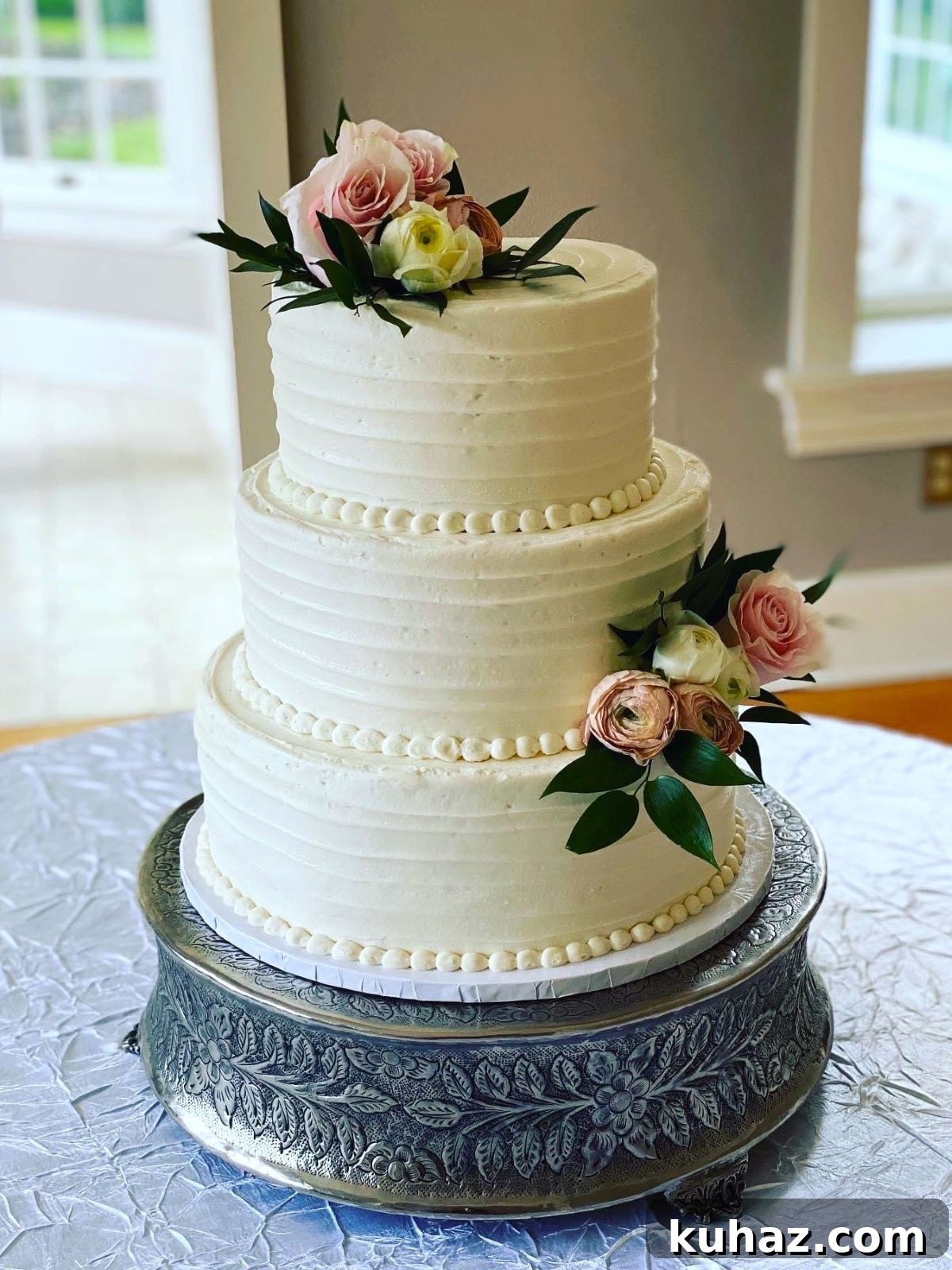
The safest method is to transport the cake on its cake drum inside the box, then place the cake on the stand at the venue. Guests will be focused on the finished display, not the board under the cake. If possible, arrange for the cake stand to already be waiting on the cake table before the cake arrives.
7. Pass These Steps to the Pickup Person
If you are not the person picking up the wedding cake, make sure the pickup person understands these instructions before they leave. They should arrive with a clean, cool vehicle, enough flat space, and no plans for extra stops on the way to the venue.
A common mistake is sending someone to collect the cake after their car is already full of wedding supplies. Another mistake is assuming the cake can sit on a passenger seat or in someone’s lap. Clear communication ahead of time can prevent these problems.
Bring an Emergency Cake Kit
It is smart to bring a small cake repair kit, especially for a tiered wedding cake. Include extra frosting if available, small icing spatulas, paper towels, and any decorating tools recommended by the baker. If a minor dent appears in the frosting, it may be possible to smooth it gently or cover it with flowers or decorations already planned for the cake.
If you follow these wedding cake transportation tips, you may not need the repair kit at all. Still, having one nearby can give you peace of mind on a busy wedding day.
Recipe & Step-by-Step Instructions
Quick checklist for transporting a wedding cake safely:
- Ask the baker for cake measurements, weight, support details, and refrigeration instructions.
- Confirm refrigerator space at the wedding venue before pickup.
- Use a sturdy cake drum and a strong box that fits the board securely.
- Place the cake on a flat, level surface inside the vehicle.
- Keep the car cool and protect the cake from direct sunlight.
- Drive slowly, avoid sudden movements, and watch for bumps or sharp turns.
- Transport the cake separately from the cake stand and set it up at the venue.
- Send two people if possible, and bring a small emergency cake repair kit.
With the right precautions, a wedding cake can arrive safely, securely, and looking just as beautiful as it did when it left the bakery. Plan ahead, keep the cake cool and level, and make sure everyone involved knows how carefully it needs to be handled.
Good luck on your wedding cake transportation day. A little preparation can make the entire process calmer and help ensure the cake looks wonderful when it reaches the celebration.
Thanks for reading. ❤️