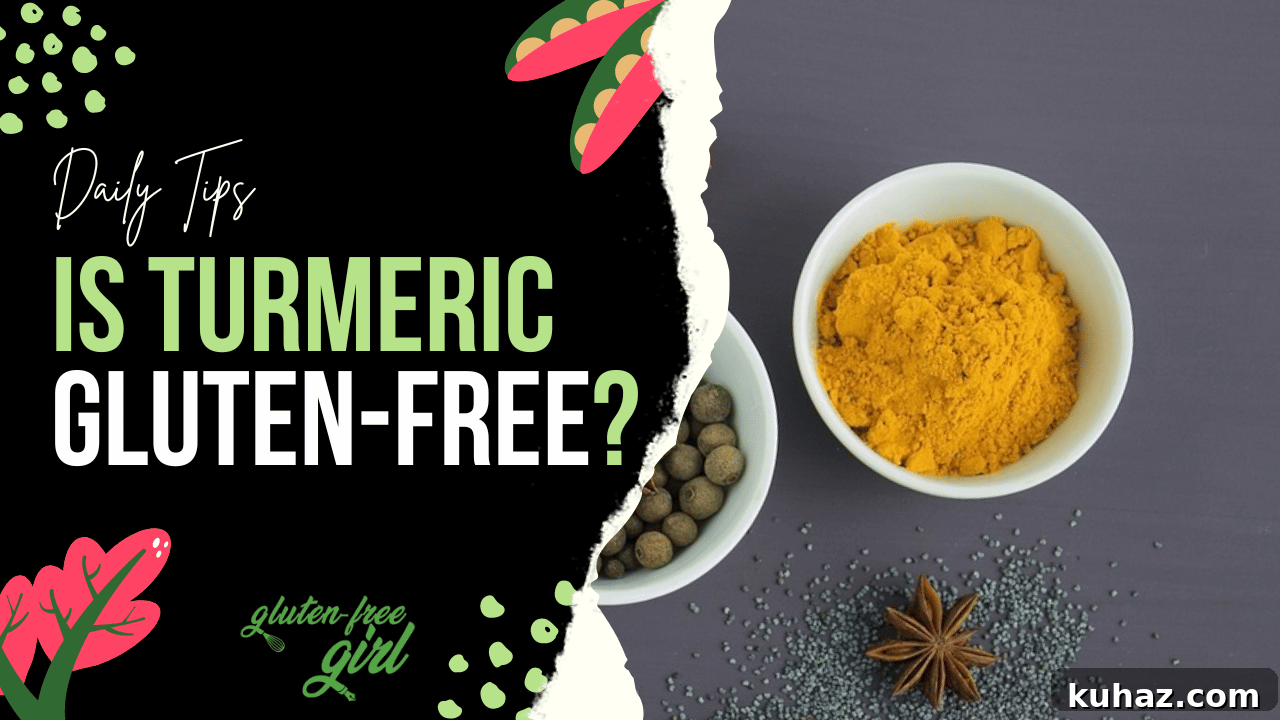
Yes — turmeric is gluten-free. Turmeric is a root-derived spice, not a grain, and in its pure form contains no gluten. For people with celiac disease or non-celiac gluten sensitivity, turmeric can be a safe, flavorful ingredient when sourced and handled carefully to avoid cross-contamination.
The distinction matters because turmeric is widely used in cooking around the world and is also valued for its potential health benefits. Celiac disease is an autoimmune condition triggered by gluten ingestion; as Dr. Alessio Fasano explains, “Celiac disease is an immune-mediated enteropathy triggered by the ingestion of gluten in genetically predisposed individuals.” For anyone who must avoid gluten, using naturally gluten-free ingredients like turmeric helps maintain a varied and nutritious diet.
Turmeric’s active compound, curcumin, has been studied for anti-inflammatory and antioxidant effects. Researchers such as Dr. Ajay Goel and colleagues note curcumin’s anti-inflammatory and antioxidant properties, which is one reason turmeric is popular in gluten-free meal plans like Paleo or gluten-free Mediterranean diets. However, those with celiac disease should consult a healthcare professional before starting new supplements or making major dietary changes.
Can Individuals with Celiac Consume Turmeric?
Yes. Pure turmeric — whether fresh root or single-ingredient powdered turmeric — is naturally gluten-free and can be consumed by people with celiac disease or gluten sensitivity. The primary caveat is cross-contamination or additives in processed products. Always check labels and, when in doubt, choose products labeled “gluten-free” or “certified gluten-free.”
What gluten-free recipes can you cook with turmeric?
Turmeric is versatile and easy to add to many gluten-free dishes. Here are practical recipe ideas:
- Golden Turmeric Rice: Sauté onions and garlic, stir in turmeric, then cook with rice for a fragrant, colorful side dish.
- Turmeric Roasted Vegetables: Toss carrots, cauliflower, sweet potatoes, or other vegetables with olive oil, turmeric, and herbs before roasting.
- Turmeric Smoothie Bowl: Blend frozen fruit, yogurt or dairy-free yogurt, a pinch of turmeric and spices, then top with gluten-free granola, nuts, or seeds.
- Turmeric Chicken Curry: Make a simple curry with turmeric, coconut milk, vegetables and gluten-free spices for a hearty, warming meal.
- Turmeric Quinoa Salad: Combine cooked quinoa with chopped vegetables, herbs, and a lemon-turmeric vinaigrette for a light, nutritious salad.
- Turmeric Ginger Tea: Simmer fresh or powdered turmeric with ginger in hot water; sweeten with honey if desired for a soothing infusion.
How to keep turmeric gluten-free
To ensure turmeric remains safe for a gluten-free diet, follow these practical steps:
- Buy pure turmeric powder or fresh turmeric root from reputable brands and suppliers.
- Prefer products labeled “gluten-free” or “certified gluten-free” when available.
- Avoid pre-mixed spice blends unless the label clearly states they are gluten-free, as blends may contain fillers or thickeners with gluten.
- Prevent cross-contamination in your kitchen: use separate utensils, cutting boards, and storage containers, and clean surfaces thoroughly after preparing gluten-containing foods.
- When dining out, ask about ingredients and preparation methods to confirm turmeric-containing dishes are free from gluten-containing sauces, thickeners, or shared equipment.
- Choose supplements labeled gluten-free and consult manufacturers if the labeling is unclear.
Are turmeric tea and turmeric drinks gluten-free?
Plain turmeric tea — made from fresh root or pure powdered turmeric — is gluten-free. Commercial tea blends can include flavorings or additives, so check labels or look for gluten-free certification. Similarly, ready-made turmeric drinks and cocktails are gluten-free if all ingredients (mixers, syrups, alcohol) are gluten-free; verify labels or ask bartenders when ordering.
Is turmeric pasta gluten-free?
Turmeric itself is gluten-free, but turmeric pasta is only gluten-free if it’s made with gluten-free flour such as rice, corn, or chickpea flour. Pasta made with wheat flour will contain gluten. Always read ingredient lists and look for gluten-free certification when buying turmeric-flavored pasta.
Is the turmeric in potato bread gluten-free?
Turmeric used as a spice in potato bread is gluten-free, but the bread’s overall gluten status depends on the flour used. Potato bread made with wheat flour contains gluten; only breads made with gluten-free flours are safe for those avoiding gluten. Check ingredient lists or ask bakers about the recipe.
How can turmeric become contaminated with gluten?
Cross-contamination most commonly occurs during processing or packaging in facilities that handle gluten-containing grains. Shared equipment, bulk bins, or spice blends with additives can introduce gluten into otherwise pure turmeric. To reduce risk, choose certified products and avoid bulk containers with shared scoops when possible.
How to prevent cross-contamination when preparing turmeric dishes
Prevent cross-contamination by adopting clear kitchen practices:
- Use dedicated utensils, cutting boards, and storage for gluten-free cooking.
- Thoroughly clean shared surfaces and equipment before preparing gluten-free food.
- Avoid bulk spice bins and pre-mixed blends that may have been handled with gluten-containing utensils.
- Inform hosts or restaurant staff about strict gluten-free requirements to ensure safe preparation.
How to tell if a turmeric product is not gluten-free
Read the ingredient list and look for obvious gluten sources such as wheat, barley, rye, or malt. Watch for ambiguous terms like “modified food starch,” “natural flavors,” or unspecified “spice blends” that could hide gluten-derived ingredients. Labels that state “may contain wheat” or similar cross-contact warnings indicate potential contamination. Choosing certified gluten-free products adds an extra layer of assurance.
Is turmeric powder in the market gluten-free?
Most pure turmeric powder is naturally gluten-free, but quality and manufacturing practices vary. Select trusted brands, check labels for gluten-free certification, and avoid products processed in facilities that also handle gluten-containing grains if cross-contamination is a concern.
Common turmeric-containing foods that may not be gluten-free
- Restaurant curry dishes: May contain wheat-based thickeners, soy sauce, or suffer cross-contamination during preparation.
- Turmeric rice pilaf prepared commercially: Could include soy sauce or other gluten-containing additions.
- Pre-packaged turmeric seasoning blends: May contain gluten-containing fillers or stabilizers unless labeled gluten-free.
With mindful sourcing and safe kitchen practices, turmeric can be a flavorful and healthful addition to a gluten-free diet.