 Today is Day 21 of staying at home for our family. Three weeks ago our schools closed with little warning and everything changed: our family of four began living, working and schooling from home all day. We quickly realized that everyone would be eating at home, all day, every day, and that we needed to cut back on grocery visits. That forced us to become strategic about what we cooked and what would spoil first. After three weeks we’ve settled into a routine that helps minimize waste, stretch pantry items, and keep meals healthy and varied — even with two hungry teen boys, one of whom has celiac disease.
Background
Before staying at home, I went to the grocery store a lot. Between being a food blogger who tests and photographs recipes and parenting two teenagers with big appetites, I would visit several stores throughout the week. Sometimes I did a large weekly shop, and other times I would stop by to pick up a single item—fresh produce, fish or specialty gluten-free pasta. I took it for granted that I could run to a store whenever I needed.
When stay-at-home life began, we were also asked to limit trips to the grocery store. That meant rethinking how I cooked, how we planned meals, and how to use ingredients efficiently so nothing went to waste.
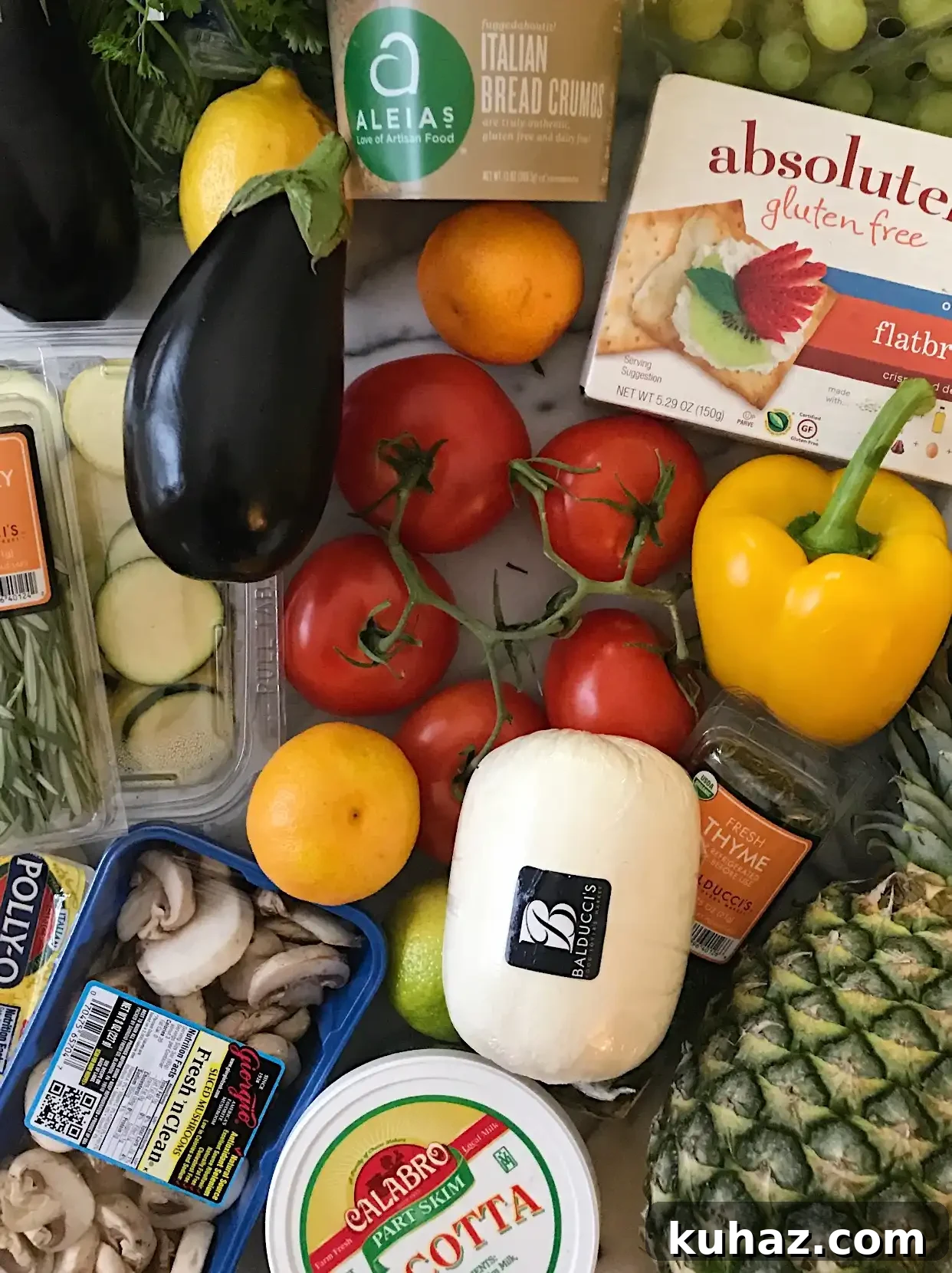
Meal Strategies and Meal Planning Overview
Meal planning can feel overwhelming in normal times; with more people at home and fewer shopping trips it can seem daunting. The tips below simplify meal planning while keeping flexibility and flavor so you can enjoy tasty, nutritious food without stress.
Note: Our family has chosen not to rely on takeout. If you have safe gluten-free takeout available and want to support local restaurants, that can be a good option for variety.
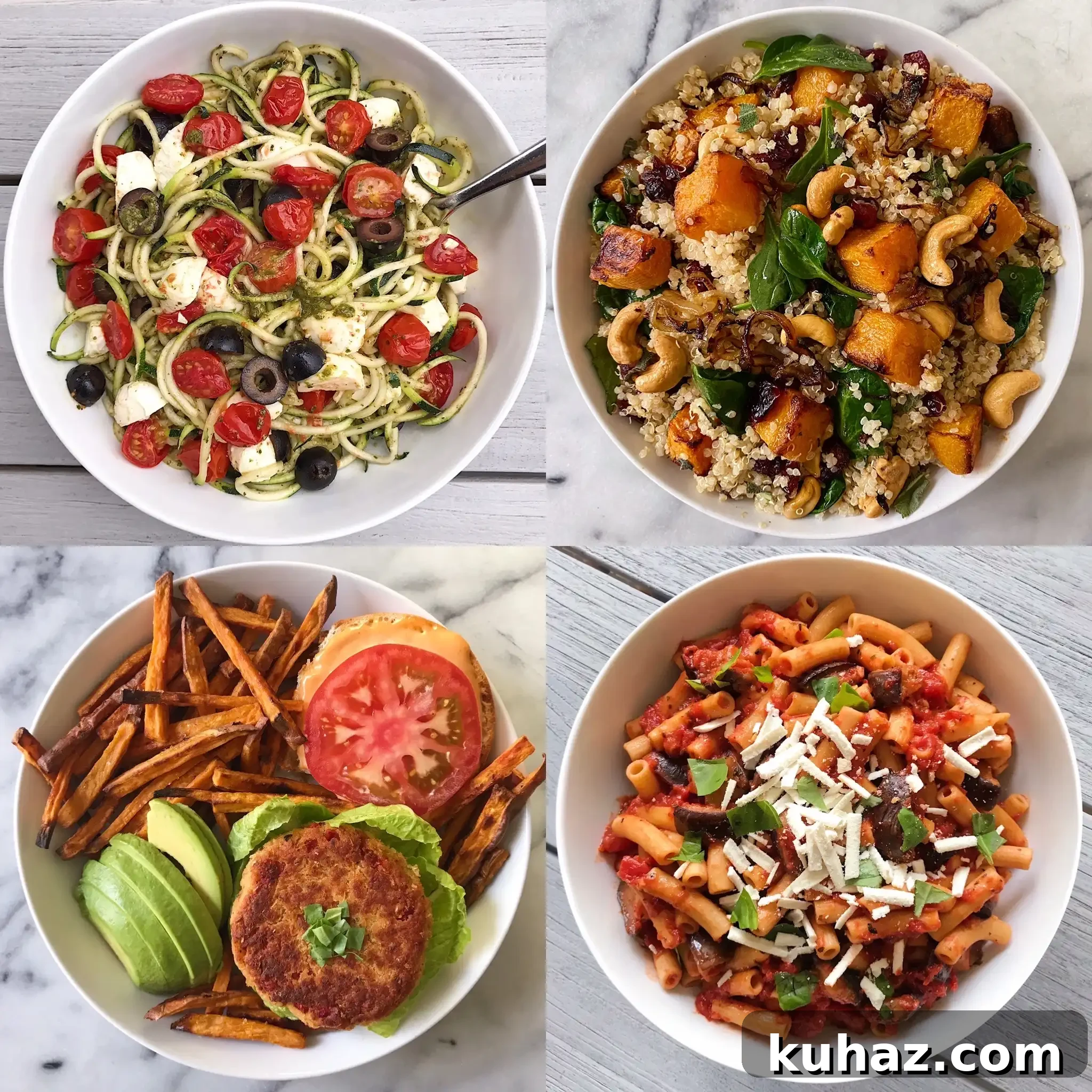
Simple Meal Strategies
1. Favor dishes that don’t rely on extremely perishable ingredients and lean on pantry staples
We now favor recipes that use pantry items and long-lasting produce over dishes that rely on delicate herbs or vegetables that spoil quickly. Pantry staples include canned beans and tomatoes, rice, quinoa, pasta, oils, vinegars, and dried seasonings. Hearty produce like potatoes, onions, squash, carrots and cabbage keeps well and stretches meals farther. When we do buy more perishable favorites—like eggplant—we plan to use them within the first couple of days so nothing goes to waste.
2. Buy ingredients that offer maximum flexibility
When shopping, I focus on ingredients we use across many meals. Items like onions, garlic, tomatoes, scallions, broccoli, snap peas, avocados, and herbs such as parsley and basil give us the flexibility to create pasta, stir-fries, salads, tacos and more without needing to plan every meal in advance. Having these staples on hand makes it easy to respond to cravings and improvise dishes.
3. Maximize each ingredient by planning multiple uses
Think ahead about how to use an ingredient in more than one way. If you buy a head of cauliflower for a main dish, plan to use leftovers in fried rice or a simple gratin later in the week. Fresh herbs can appear in dressings, sauces, and garnishes. For large salads, I often make half portions so ingredients don’t sit in the fridge too long, and so we don’t feel like we’re eating the same thing for days.
4. Vary dinner flavor profiles
To keep meals interesting, rotate flavor profiles: Italian one night, Mexican the next, then Asian or Indian. Using different spices, sauces and condiments makes staples like beans, rice and pasta feel new and exciting each meal.
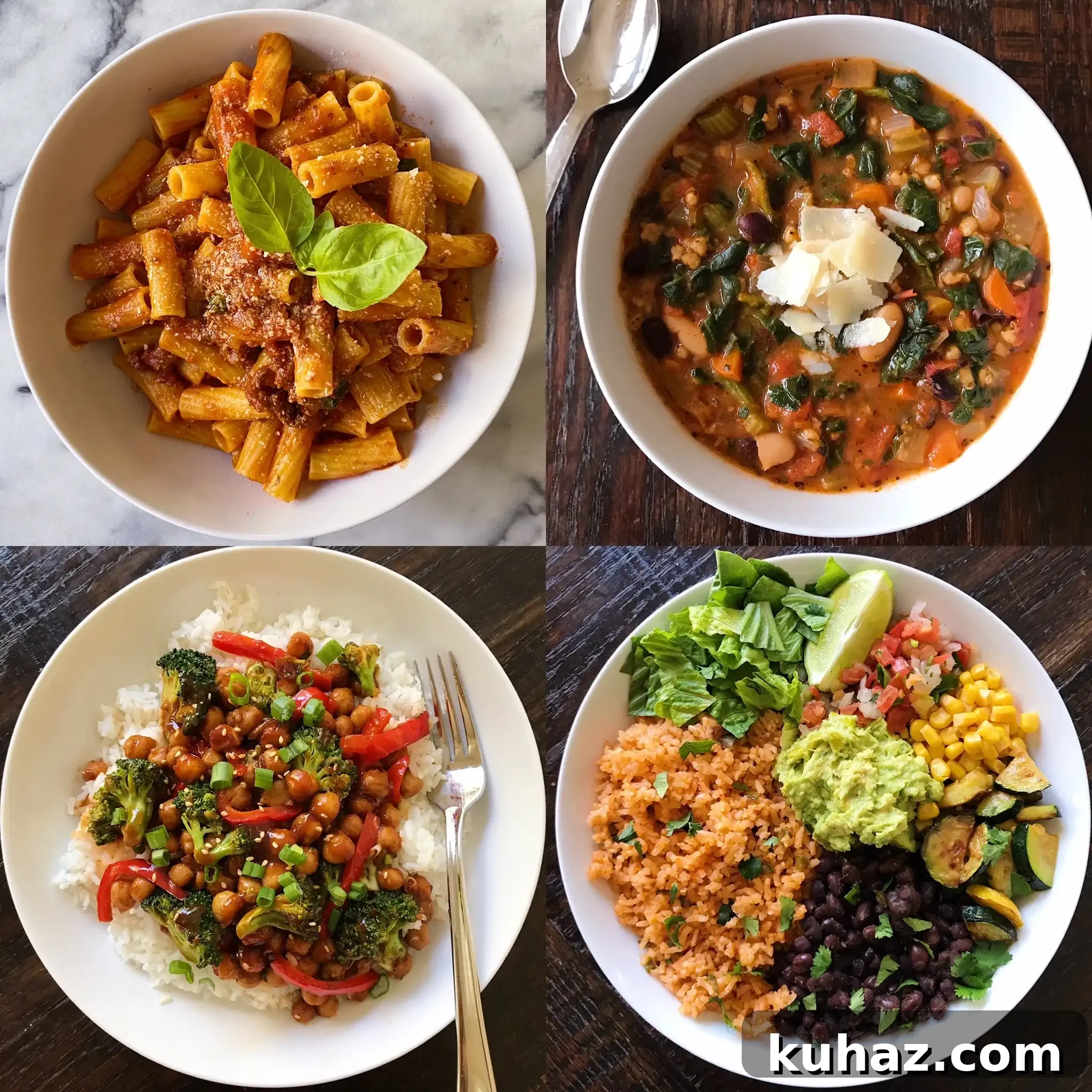
5. Build in leftover days
Scheduling leftover days every two to three days has been a lifesaver. Leftovers reduce the daily cooking load and prevent food waste. Everyone in the family tends to pick and choose different things from the fridge—one person might reheat stir-fry, another enjoy baked ziti, and someone else grab soup or a veggie burger. Leftover days are a welcome break from cooking, not a concession to boring food.
6. Freeze extras for future meals
We freeze soups, sauces, baked goods, and cooked proteins so we don’t have to eat the same dish multiple days in a row. Freeze portions after enjoying them once or twice to save for a later meal; it makes meal planning easier and reduces waste.
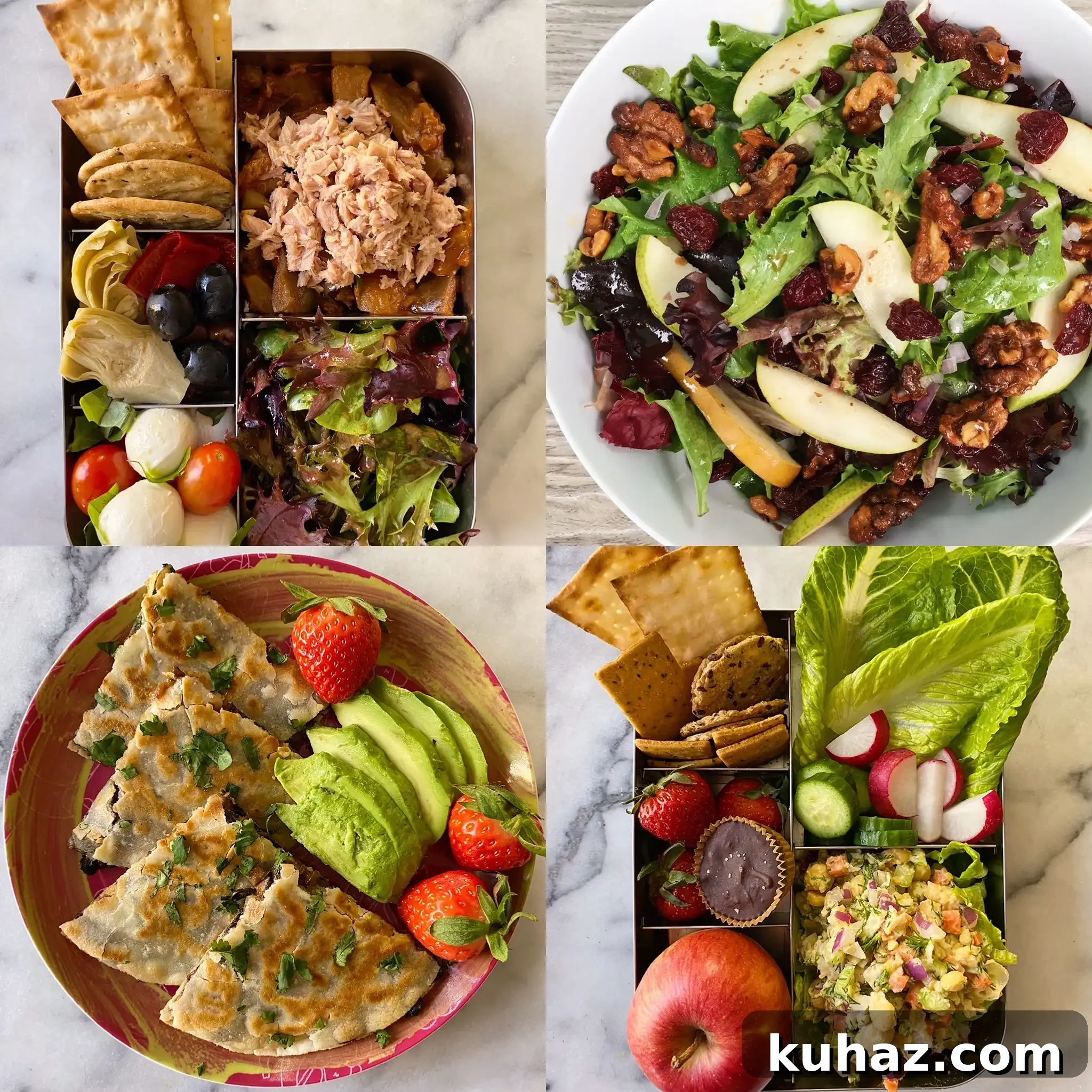
7. Keep lunches simple
To avoid cooking and cleaning all day, lunches are low-effort. The teens are fine with frozen pizza, boxed mac and cheese, or burgers. My husband and I usually have big salads, quesadillas, or something as simple as peanut butter and jelly on rice cakes. Simple lunches free up time and energy for other parts of the day.
8. Pace cooking and baking
Pace your cooking and baking across the week so you aren’t overwhelmed. Some days we cook or bake, and other days we simply reheat what’s already prepared. For baking, we make one quick-bread or muffin recipe and one dessert recipe per week, plus keep energy bites and frozen treats in the freezer for comfort. This approach satisfies cravings without turning the kitchen into a constant production line.

9. Be flexible
Flexibility is essential. Substitute ingredients when needed—use parsley instead of cilantro, spinach instead of swiss chard—and trust your instincts in the kitchen. Baking is less flexible than cooking, so avoid major substitutions in baked goods unless you know how they’ll affect the outcome. If a planned dish suddenly doesn’t appeal to the family, pivot to something else. Follow food moods and cravings to keep meals enjoyable.
10. Keep a running shopping list
Maintain a running shopping list in your phone so you can minimize time in stores and ensure you buy everything you need in one trip. Add items throughout the week as you run out or think of them, and check recipe ingredients before you go. This small habit saves time and prevents wasted trips.
I hope these tips help you navigate meal planning and cooking while staying at home. How are you managing meals for your household? Any strategies that have worked well for you?