Triple Coloured Chocolate Cake and Macaroon Cookies — Module One Recap
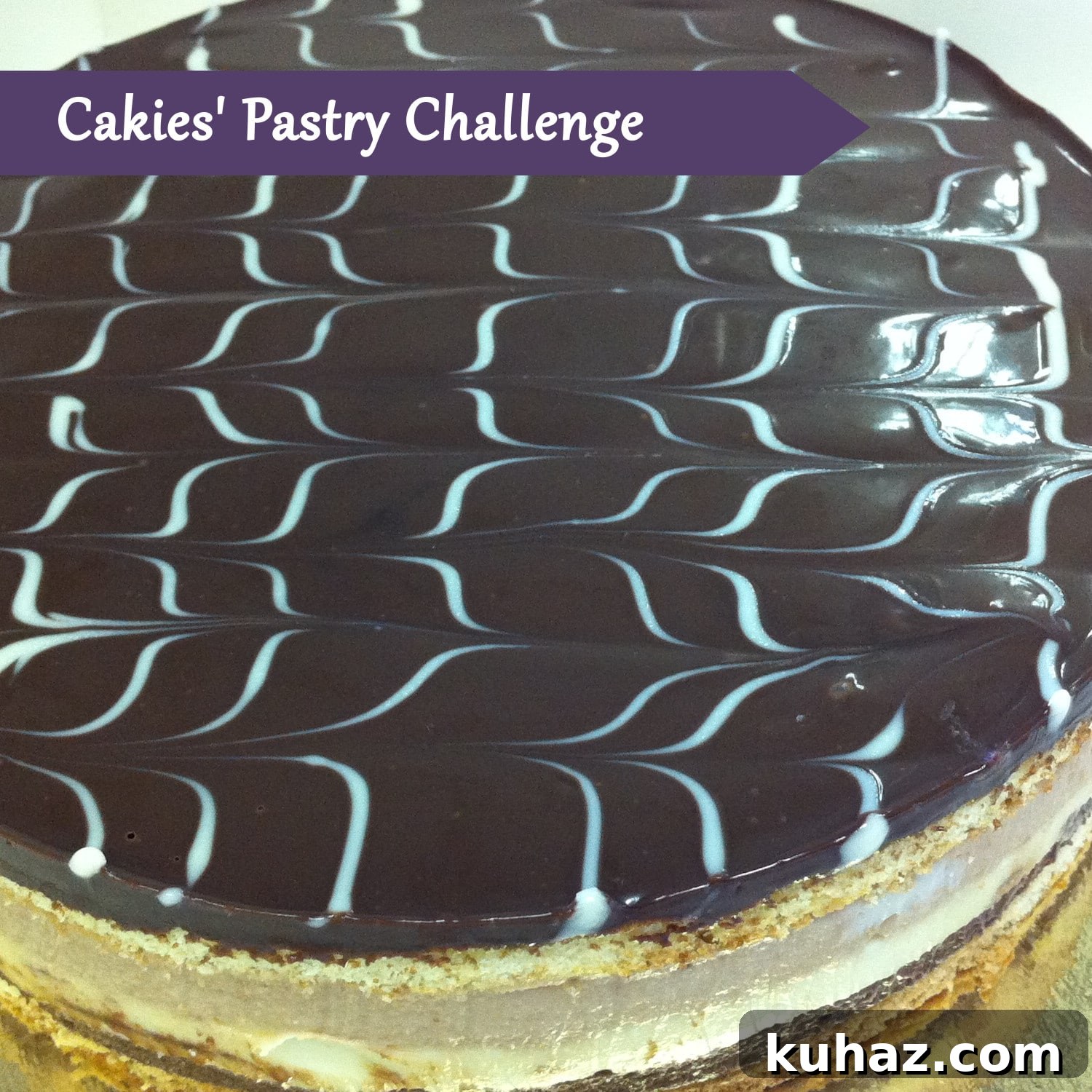
Last week I completed the final lesson of the first module in my baking course. This module focused on different types of cake batter and practical techniques for building layered cakes and delicate cookies. For the final assignment we created a triple coloured chocolate cake, which required careful preparation of a flat sponge sheet, precise layering, and three distinct chocolate ganaches. The day was full of hands-on learning, and the results reflected the skills we had practiced over the past weeks.
To assemble the cake we first baked a large flat sponge and cut two round layers—one for the base and one for the top. Between those layers we spread three different chocolate ganaches: dark, milk, and white. The contrasting colours and flavours created depth in both taste and appearance. We finished the cake with a thin coat of chocolate on the top to seal the layers and add a smooth visual finish. Although I noticed small areas where I could refine texture and finish, I was genuinely proud of the structure, flavour balance, and overall presentation.
With leftover sponge from the sheet cake, my baking partner and I made a simple cake log. We filled it with dark chocolate ganache and added chopped nuts for crunch. Because we had spent most of the day on intensive techniques, we opted for a rustic, unfussy finish on the log. Its appearance could certainly be improved with more time and attention, but the flavour and texture were excellent, and it was a satisfying way to use every bit of sponge.
Alongside the cakes we made bitterkoekjes, a traditional cookie that is sometimes described in English as a type of macaroon. These almond-based cookies were a new experience for me. I had not expected to enjoy them so much, but their texture and almond-forward flavour were delightful. A few of the cookies received a buttercream topping and a fondant dip for contrast; experimenting with these finishes helped me understand how small details change both taste and presentation.
The day was busy but rewarding. Between baking, assembling, and finishing multiple items, I took stock of what I’ve learned in the past few weeks. The technical practice—mixing batters to the correct consistency, baking an even sponge sheet, tempering and preparing ganache, and assembling multi-layered constructions—has improved my confidence. My colleagues and family were happy to be taste-testers; their positive reactions confirmed that the flavour work was successful even when the decoration was intentionally simple.
Looking ahead, I’m excited for the next module, which focuses entirely on chocolate. I’m eager to deepen my understanding of chocolate tempering, ganache textures, and chocolate work for decoration. This first module solidified foundational techniques and taught me how to diagnose small issues in sponge structure and finishes. I feel better prepared to tackle more advanced chocolate-focused projects, and I’m already making notes on how to refine my finishing touches and presentation for future cakes and confections.
Overall, the module was a productive blend of technical training and creative practice. The triple coloured chocolate cake, the cake log, and the macaroon-type cookies each offered different lessons in flavour pairing, texture control, and efficient use of ingredients. I left the session tired but motivated, with a clearer idea of what to focus on next and the satisfaction of sharing freshly made treats that people genuinely enjoyed.