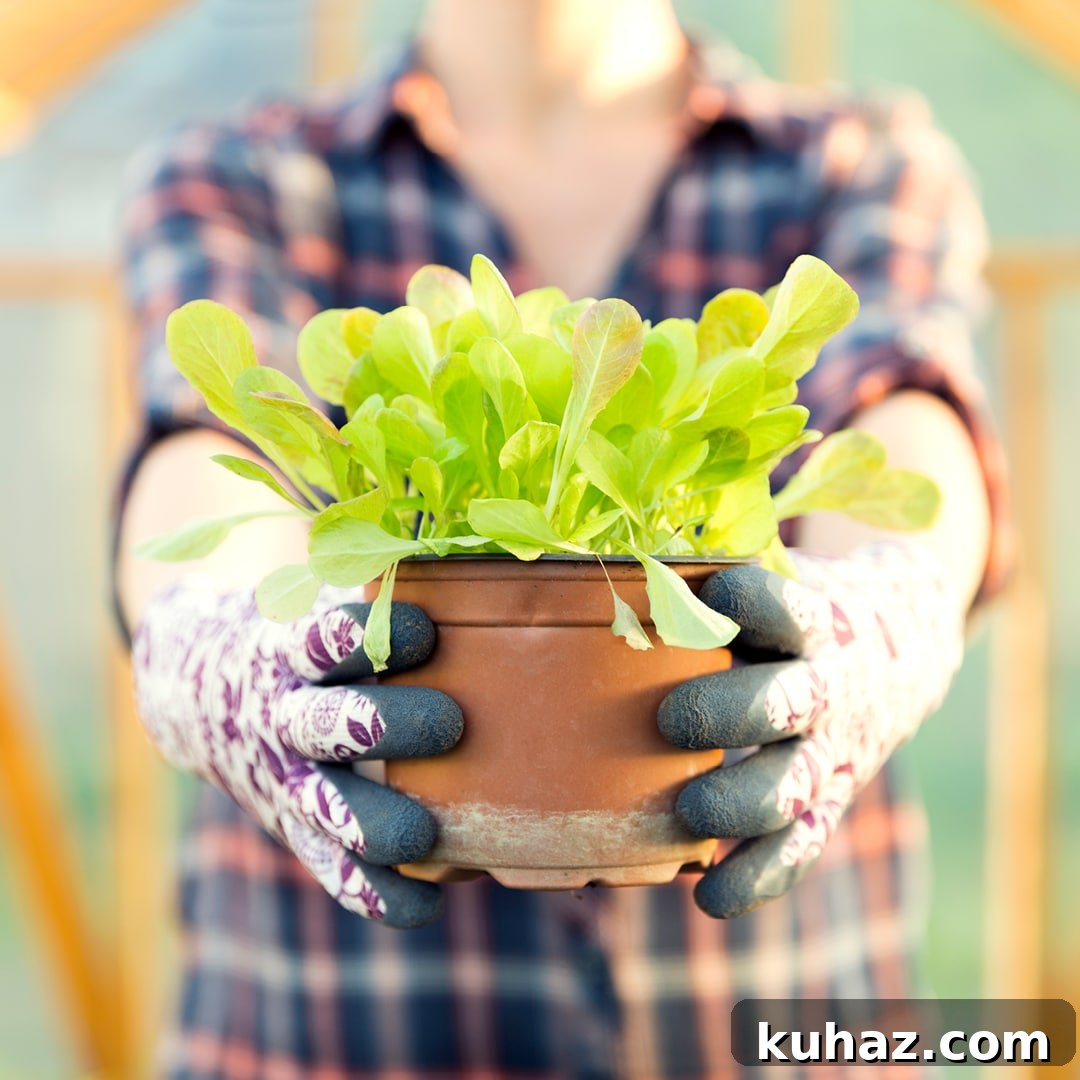
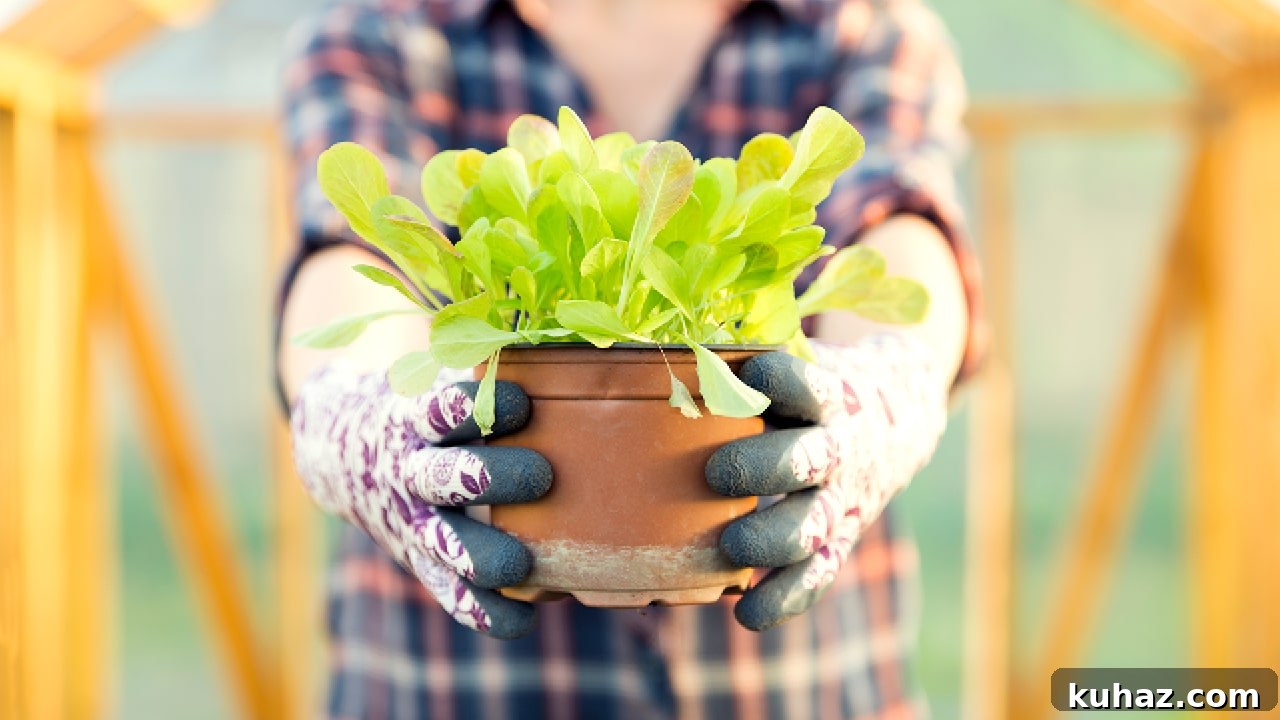
Any plant will do. Find one and keep it close—whether a cheerful houseplant, a fragrant herb, or something a little larger. Growing even a single plant can shift your perspective, pull you out of daily ruts, and reconnect you with the natural cycles that surround us.
Watching growth is quietly miraculous. A seed, small and seemingly lifeless, becomes a source of food, fragrance, color and calm when given soil, water and sunlight. Year after year I am still surprised: each new sprout is a reminder that life continues in subtle, reliable rhythms. Growing something invites you to be part of those rhythms.
This is a simple request: one small pot, one tiny beginning. You don’t need a yard, an expensive setup, or a perfect green thumb—just the curiosity to try.
Reasons to grow
- Reconnect with something larger than yourself.
- Remember that we are part of the earth’s cycles and seasons.
- Add a touch of hope and everyday wonder to your life.
- Become a student of nature—observe, learn, adapt.
- Improve your health: spending time with plants and green spaces is linked to better well-being in scientific research.
With edible plants
- Teach children—and remind yourself—where food actually comes from.
- Harvest the freshest possible, hyper-local food right from your container or yard.
- Save money on groceries, especially herbs and small veggies over a season.
- Enjoy the deep satisfaction of eating something you grew.
With indoor plants
- Improve indoor air quality and the sense of calm in your space.
- Add color, texture and life to rooms that otherwise feel static.
- Let the sight of growing things lift you during work or chores.
- Even one well-cared-for plant can make a meaningful difference.
Where to start with growing plants
Start small and simple. A single houseplant or a potted herb—basil, mint, or hearty rosemary—lets you experience growth without a major commitment. Choose plants where a couple of leaves can make a difference: add them to a glass of water, a salad, or simply admire them on your windowsill.
Avoid jumping into complicated projects at first. For example, tomatoes often become a handful: they begin as delicate seedlings and can quickly turn into sprawling, tangled plants that demand lots of support and attention. They’re rewarding, but not ideal for a first-time grower.
If you want to start from seed, sugar snap peas are forgiving and tasty. They thrive in cooler weather and can be an easy introduction to seed-sown success. For a decorative and productive option, consider a potted fruit tree: dwarf lemons or mandarins make beautiful patio plants and yield delicious fruit.
For beginner vegetable gardening, try a single zucchini plant. It grows vigorously—one plant can produce a surprising abundance—and it’s a confidence builder. You’ll learn to harvest and preserve, and you’ll quickly feel capable as a gardener.
If you’re thinking…
“But I live in an apartment!” Grow in pots. Containers are versatile, moveable, and often easier to maintain than in-ground beds. They reduce weeding, limit pest access like gophers, and let you arrange plants for the best light.
“Everything I try to grow dies!” Gardens teach patience and acceptance. Loss is part of the cycle—plants fail for many reasons, from pests to weather—but each setback is also a lesson. Restarting and experimenting are how we learn. Nightly checks for pests, simple protective measures, and choosing resilient varieties will improve your success rate.
“Aphids took over my plants!” In many cases, gentle solutions work well. A mild soap spray—about 1 tablespoon of a gentle castile soap mixed into a quart of water—can deter soft-bodied pests. Spray affected leaves regularly until the infestation diminishes, and rinse afterward to avoid residue buildup. (Use a product labeled safe for plants and follow the product guidance.)
We are inherently linked to the earth. Digging back through family history often reveals ancestors who worked the land. Even in cities, our food and well-being come from natural systems. Growing plants lets us experience that connection firsthand.
This is not an exhaustive gardening manual; I’m not presenting myself as an expert. Consider it a friendly nudge: grow one thing and see what happens.
Here’s a bit of what I’m growing
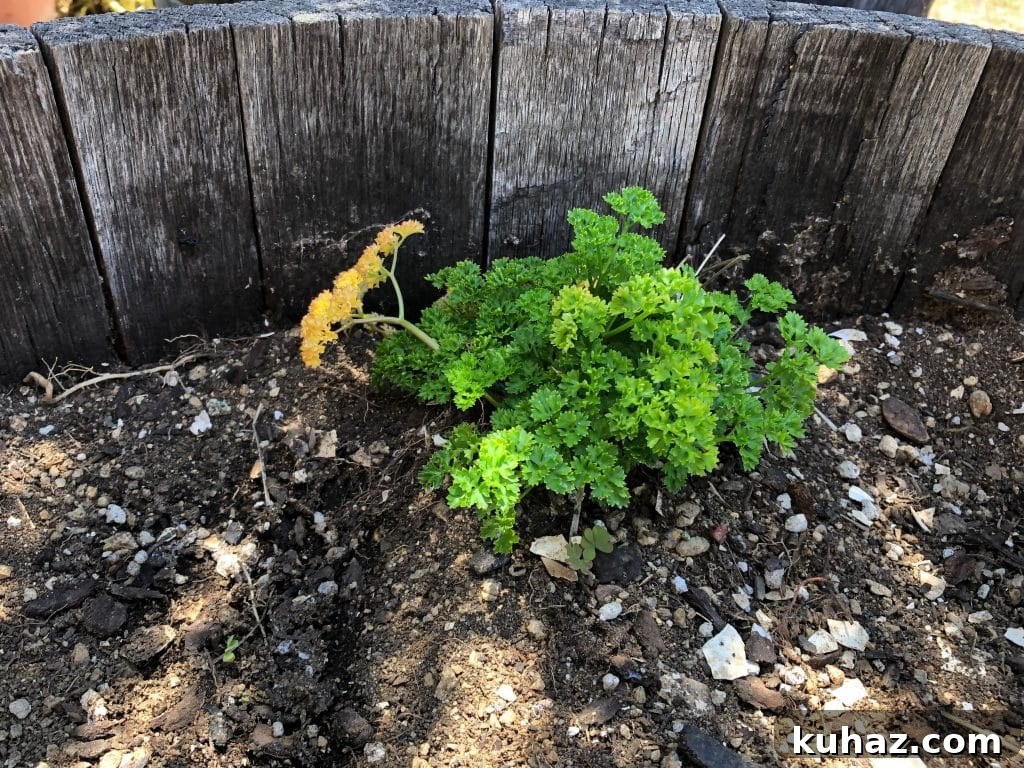
Couldn’t you make room for a small parsley plant like this? Parsley is useful, forgiving, and great for small pots.
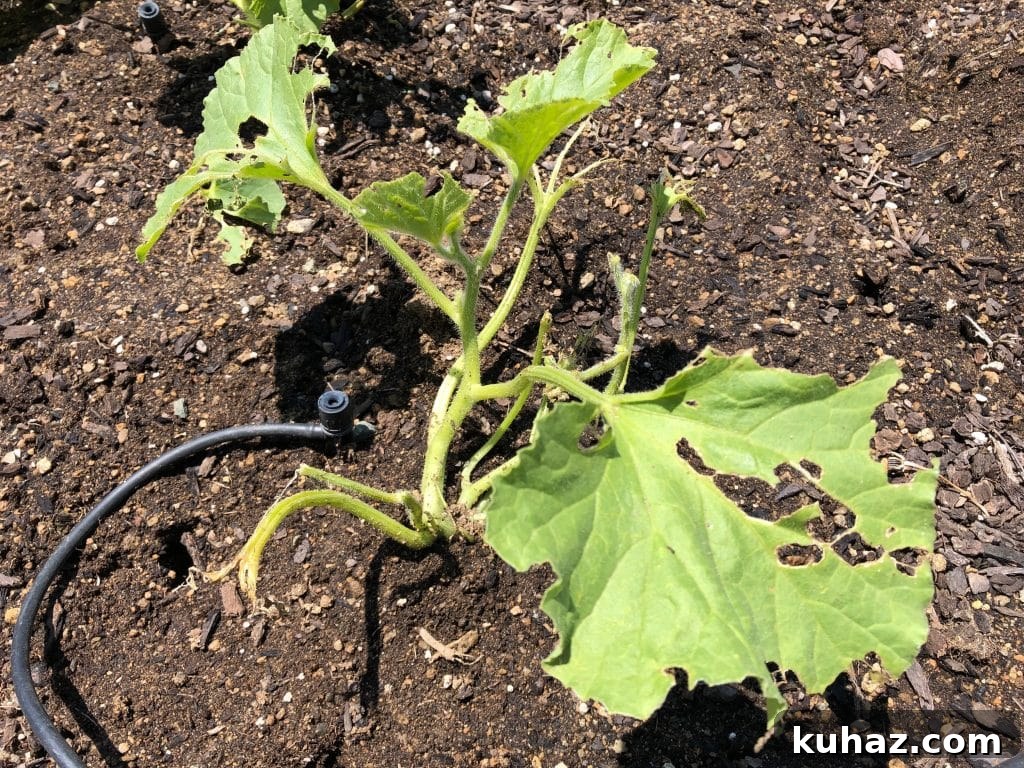
Some seasons require nightly vigilance. Slugs and snails can be persistent; hand-picking is old-fashioned but effective. Protect tender seedlings until they’re established.
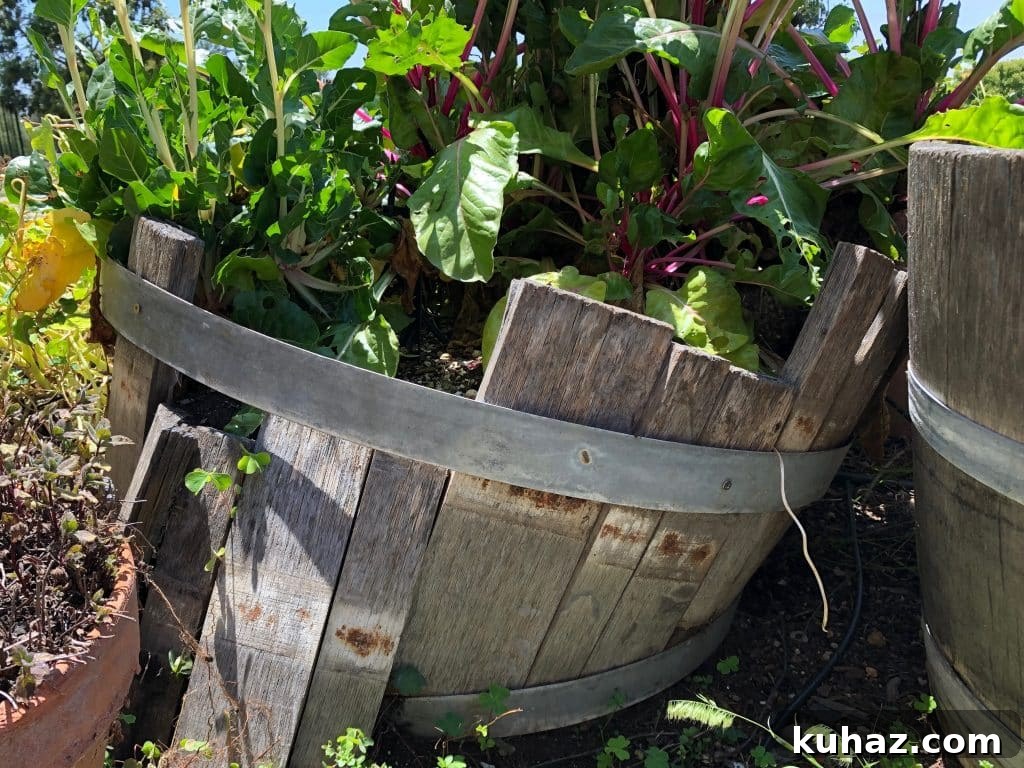
Swiss chard is a reliable, long-lived plant for containers. I planted a small tray years ago and those plants keep producing—perfect for smoothies, sautés and steady greens in the kitchen.
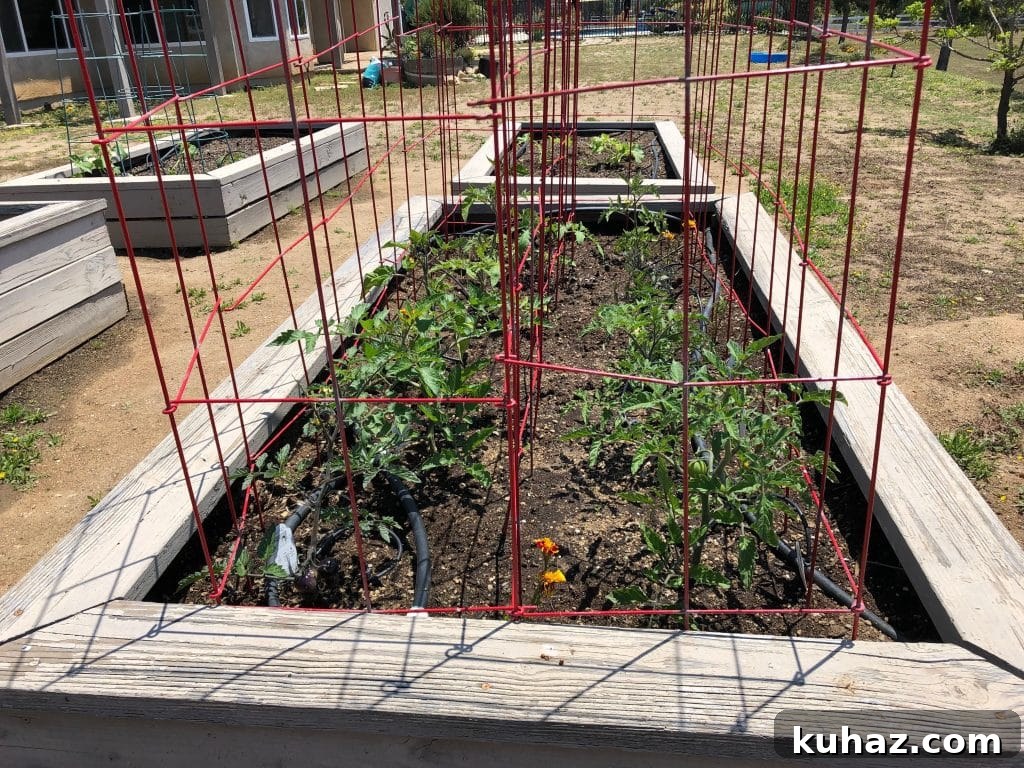
Tomato plants often outgrow supports and spill everywhere by midseason. Still, they reward you with a range of colors and flavors worth the management.
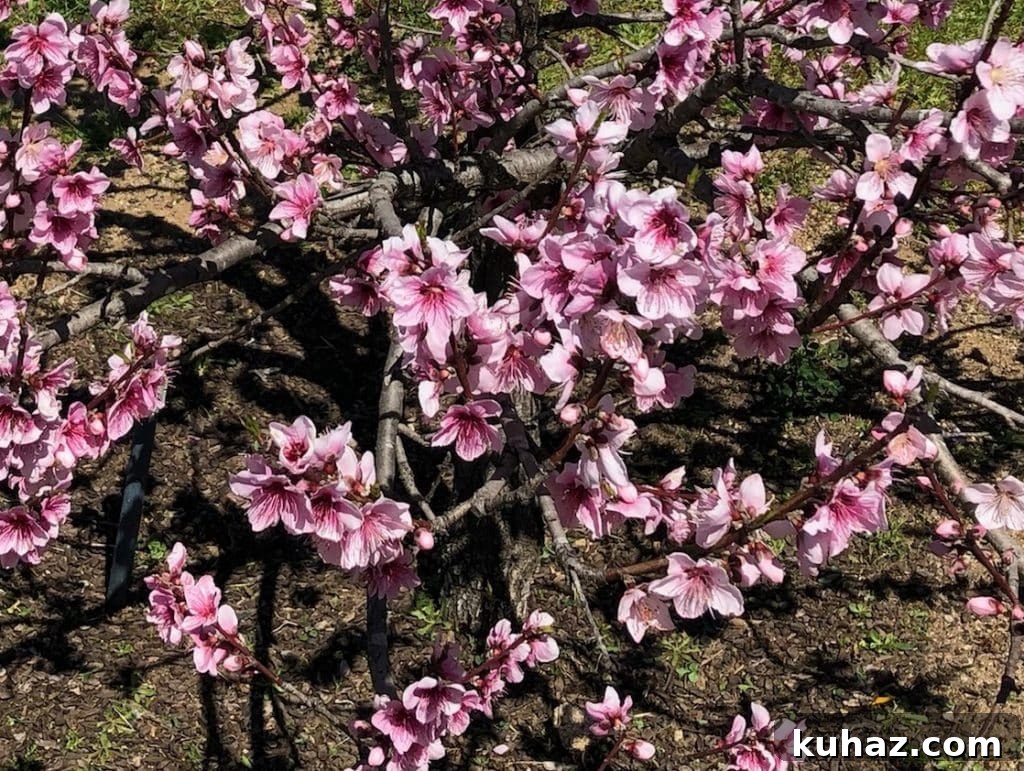
Peach blossoms are unexpectedly beautiful. Thinning fruit—removing excess small fruit—is part of caring for fruit trees so remaining fruit develops better size and quality.
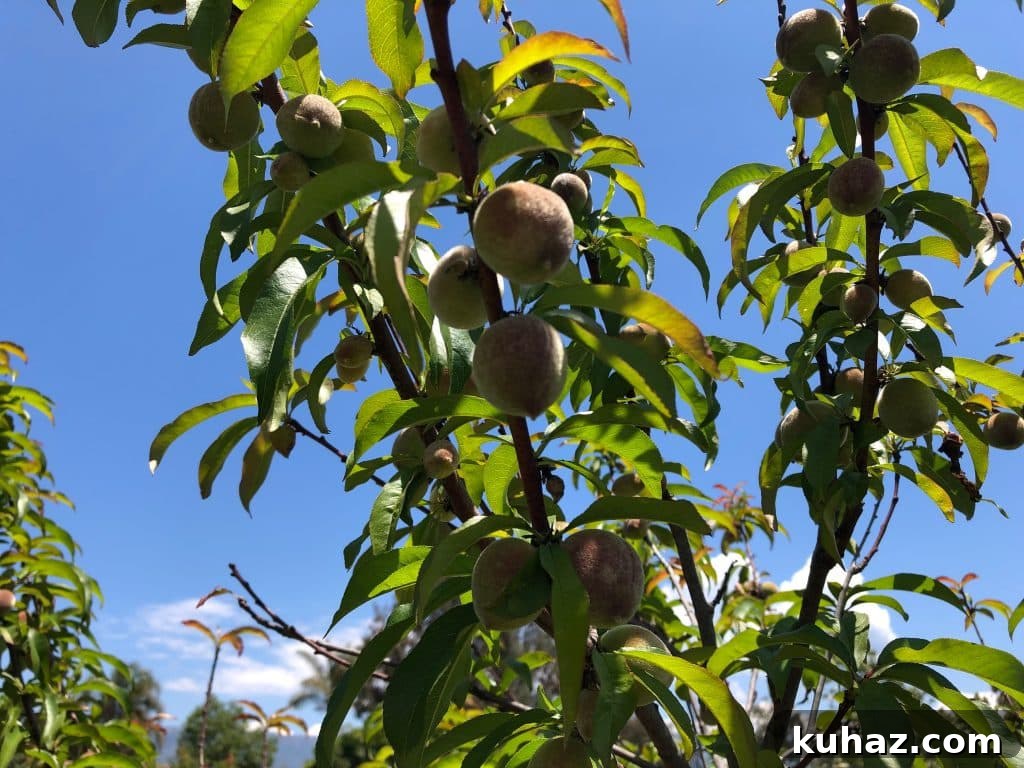
Fresh, fuzzy peaches are a revelation for anyone who has only had canned versions. That’s one of the small joys of growing your own.
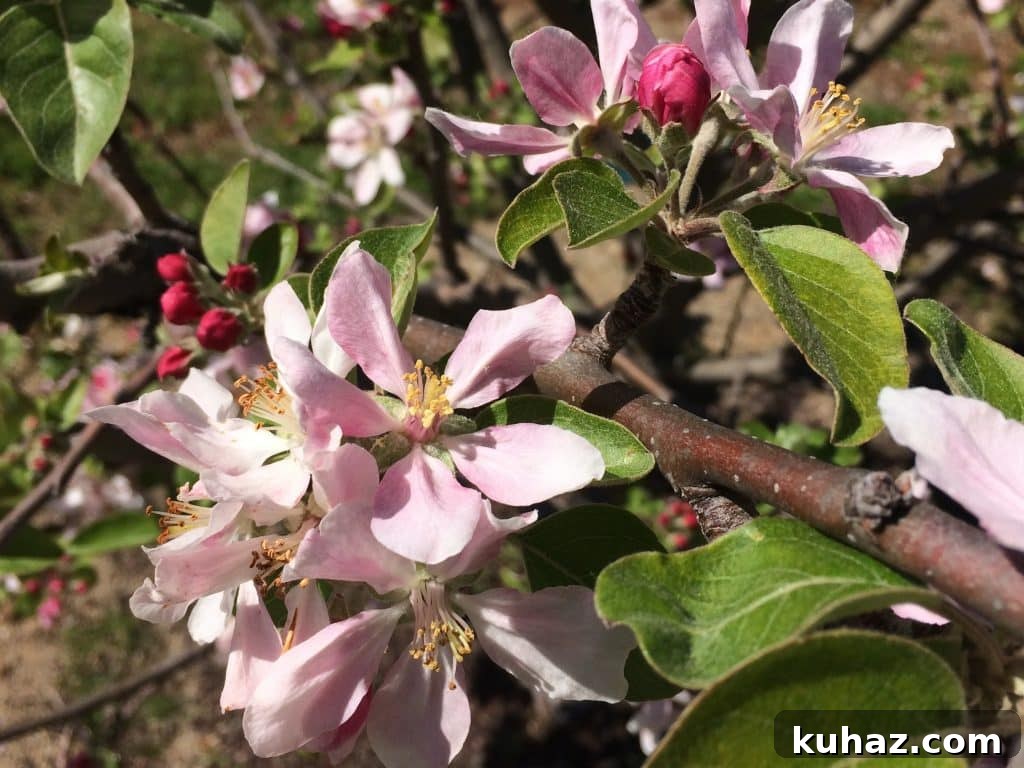
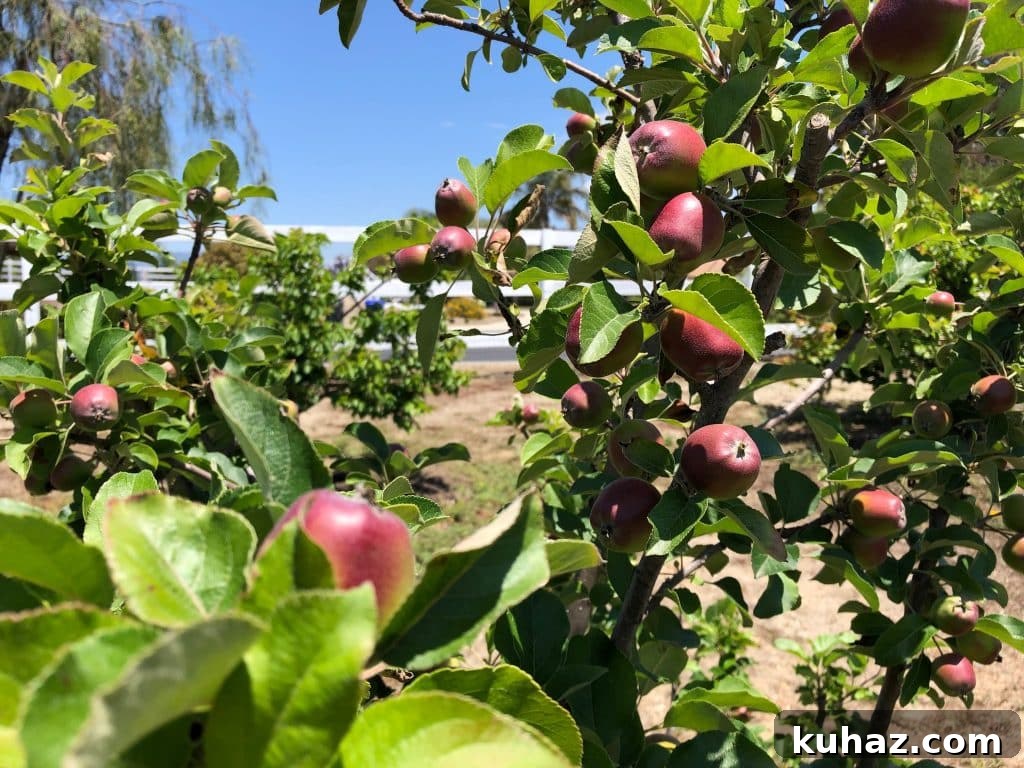
Apples are a special favorite. Baking or simply smelling warm apples fills the kitchen with comforting aromas—an instant mood lift.
And here’s a colleague’s container garden: boxes make growing approachable and tidy. Volunteer plants—those that pop up from last year’s seeds—are free surprises and welcome additions.
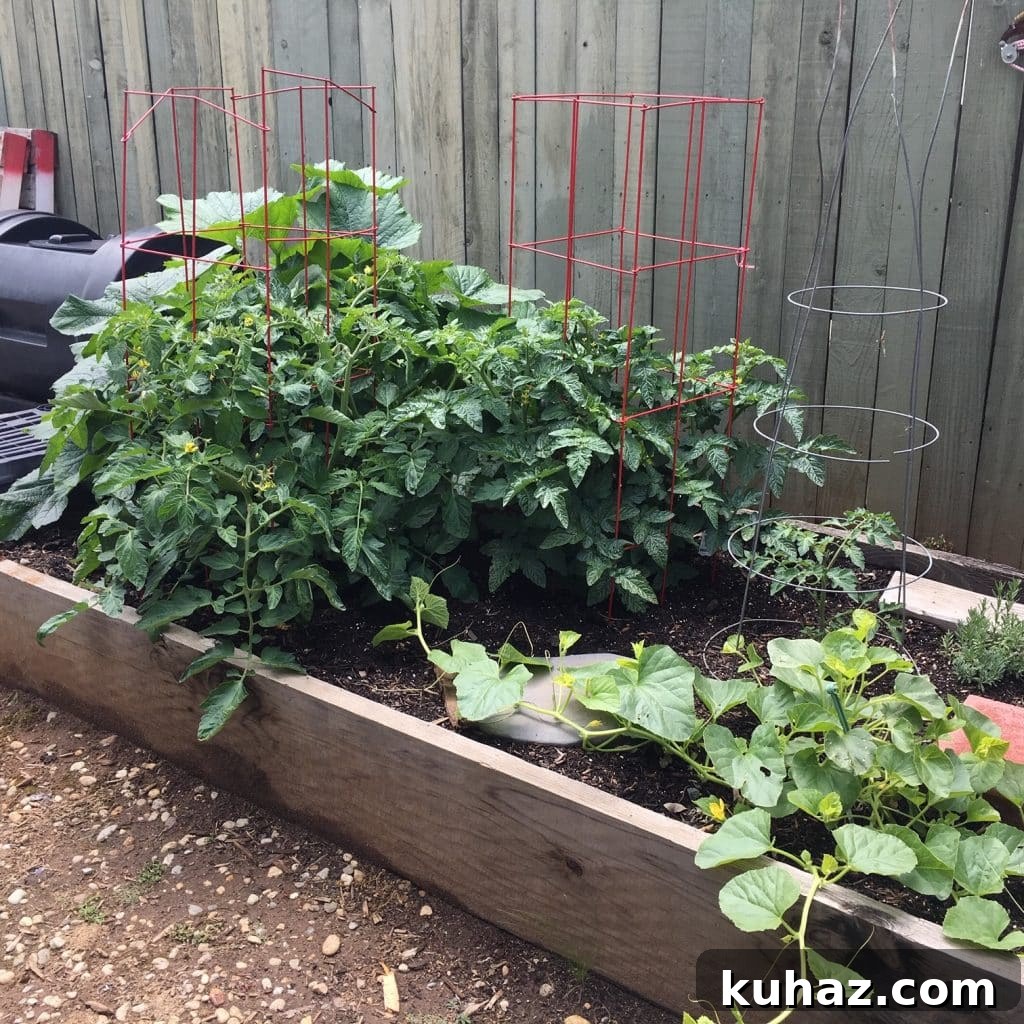
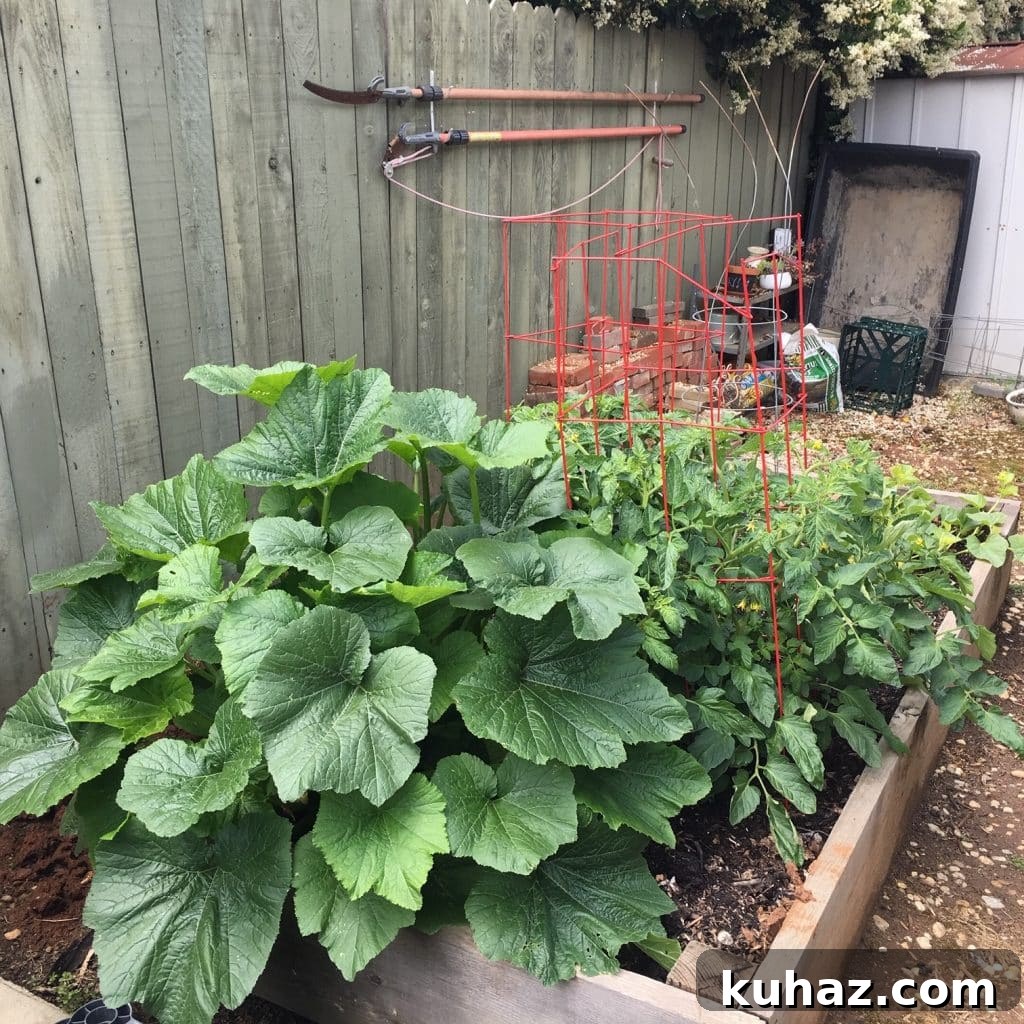
Patty grows zucchini—brave and plentiful. If you find yourself with an abundance, here’s a simple favorite:
Grilled Zucchini
Slice zucchini lengthwise about 1/4″ thick. Brush with olive oil and sprinkle with fresh-ground pepper and sea salt (or garlic salt). Grill over medium heat in a grill pan or directly on the grates until the surface becomes slightly translucent. Flip and cook the second side to the same doneness. Remove and drizzle with balsamic vinegar. Simple, smoky and delicious.
Further reading
- Gardening Regeneratively at Home
- Castile Soap Spray for Garden Pests
- “Regenerative Merges” — 3 Key Certifications
- Community Supported Agriculture