Photography by Sarah Mather of Noisette Bakehouse
Here are some of my favorite food- and kitchen-related discoveries and reads for April. This selection spans technique, storytelling, visual inspiration, and practical guides—useful for home cooks, bakers, bloggers, and anyone who loves food culture.
How to cook perfect Japanese rice — a clear, practical walkthrough that breaks down technique and timing so you get consistently fluffy, separate grains. Whether you cook rice every day or only occasionally, these tips make a real difference to texture and flavor.
Mark Russ Federman on the Russ & Daughters book — an insightful piece about family-owned food businesses, legacy, and the ways personal history shapes a shop’s identity and its role in a neighborhood’s food culture.
Female chefs weigh in on the experience of being constantly asked about gender. The conversations highlight ongoing challenges, resilience, and the evolving landscape of professional kitchens.
Ahead of anything sensitive, there’s an unapologetic piece with strong language—enjoy at your discretion. It’s one of those reads that’s vivid and memorable for its voice and candor.
MRI images of fruits and vegetables offer a fascinating view of familiar produce. The internal structures revealed by imaging can feel almost otherworldly and are a reminder of how extraordinary everyday ingredients really are.
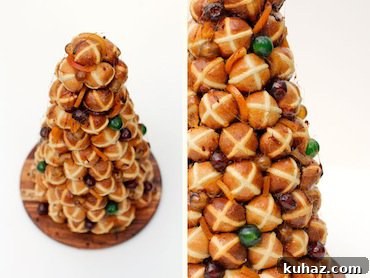
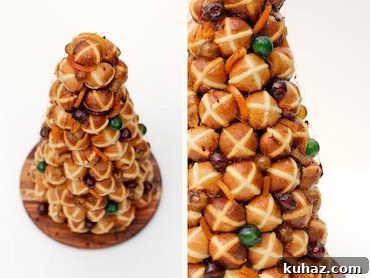
Taking hot cross buns to new heights — a playful and inventive approach to a classic, transforming the humble bun into something spectacular. The result is both visually striking and an invitation to experiment with traditional recipes.
How to create a style guide for your blog — practical advice for anyone building an online food presence. A style guide streamlines decisions about tone, imagery, recipe formatting, and consistency, making publishing easier and more professional.
Haiku detection in the New York Times is a clever, playful tool that highlights the unexpected poetry hiding in headlines and short texts. It’s a reminder that form and structure can reveal creativity in surprising places.
100 rules of dinner gathers practical etiquette and wisdom for meals—helpful for hosts, families, and anyone who wants to make dinner more thoughtful, relaxed, and enjoyable.
Julie Lee’s food collages showcase a unique visual language made from ingredients and kitchen moments. Her work is inspiring for food photographers, stylists, and anyone who enjoys playful, artful presentations of food.
Making flatbread in Lebanon offers a glimpse into traditional techniques, tools, and rhythms of baking. It’s a grounded reminder that great bread often comes from simple ingredients handled with practiced care.
Foolproof poached eggs — a straightforward method that simplifies a technique many home cooks find intimidating. With a few reliable tricks, you can get tender whites and runny yolks every time.
Scrollable baklava offers a visually driven exploration of a layered pastry, useful for pastry lovers who appreciate step-by-step visuals and the satisfying geometry of rolled and layered desserts.
Thirteen things you can do for Earth Day presents realistic, actionable steps to reduce waste and support sustainable food choices, suitable for individuals and families looking to make small but meaningful changes.
Five years of hand-drawn sandwich bags documents a simple, affectionate project by a parent. It’s a testament to creativity in daily life and a reminder that small rituals can become enduring traditions.
A Park Slope–style food coop comes to Paris — an interview and profile that explores cooperative models for buying and sharing food. The piece highlights how community-focused approaches can reshape access, quality, and values around what we eat.
These links together form a snapshot of what’s engaging in food culture right now: technique and craft, vivid visuals, thoughtful writing, and projects that connect food to family and community. I hope you find something here that sparks curiosity, improves a meal, or inspires a new kitchen experiment.