Swapping cornstarch, tapioca, and arrowroot can feel like kitchen alchemy—until your sauce turns gluey or your pie filling won’t set. Though all three are thickeners, they react very differently to heat, acidity, freezing, and handling. Choosing the wrong one can change a promising dish into a textural disappointment.
Maybe you’ve made a silky gravy that split or a pie that stayed runny. When the starch choice is an afterthought, even experienced cooks get baffled. This guide explains how each starch behaves and how to swap them safely so you avoid those flops.
In this article you’ll get clear, practical guidance. After a few minutes you’ll know which thickener to reach for, how each performs in common cooking situations, and the right substitution ratios so your sauces and fillings turn out as intended.
Quick Answer: Which Starch Should You Use?
When you need a fast decision, use this quick reference to pick the right thickener for common dishes.
| If you’re making… | Use |
|---|---|
| Gravy / pan sauces | Cornstarch |
| Fruit pie filling | Tapioca |
| Clear glazes | Arrowroot |
| Freezer meals | Tapioca |
| Allergic to corn | Arrowroot or potato starch |
This gives you a reliable starting point. Read on for the “why” behind each choice and for exact substitution advice when you’re missing the starch a recipe calls for.
Cornstarch vs Tapioca vs Arrowroot: At-a-Glance Comparison
The differences in thickening power, activation temperature, finish, and freeze stability matter a lot. This short comparison highlights the key contrasts so you can choose confidently.
| Feature | Cornstarch | Tapioca | Arrowroot |
|---|---|---|---|
| Thickening strength | High | Medium–high | Medium |
| Activation temperature | Higher heat | Lower heat | Very quick |
| Finish | Opaque | Glossy | Clear |
| Freeze–thaw stability | Poor | Excellent | Good |
| Dairy-friendly | Yes | Yes | No |
| Best uses | Gravy, frying | Pie, make-ahead sauces | Clear glazes |
| 1:1 substitution? | Often | Usually requires adjustment | Usually requires adjustment |
Add This to Your Thickening Toolkit: Potato Starch Insights
Potato starch is another useful option. It thickens strongly at lower temperatures and gives a smooth, glossy texture, but it can break down with prolonged boiling and is less freezer-stable than tapioca.
- Strong thickening: Thickens quickly and works at relatively low heat.
- Smoother finish: Produces a glossy, silky texture.
- Heat sensitivity: Add late—boiling too long can thin it.
- Freeze–thaw limits: Less stable than tapioca after freezing.
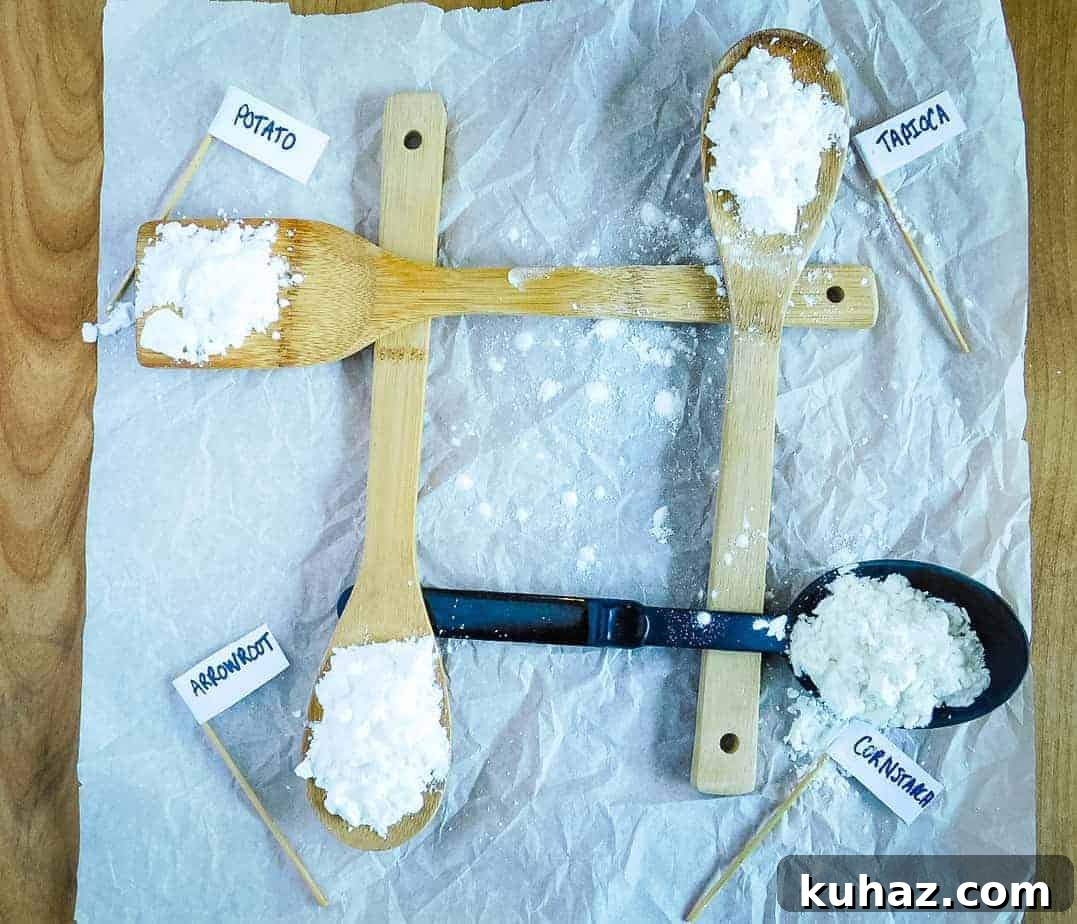
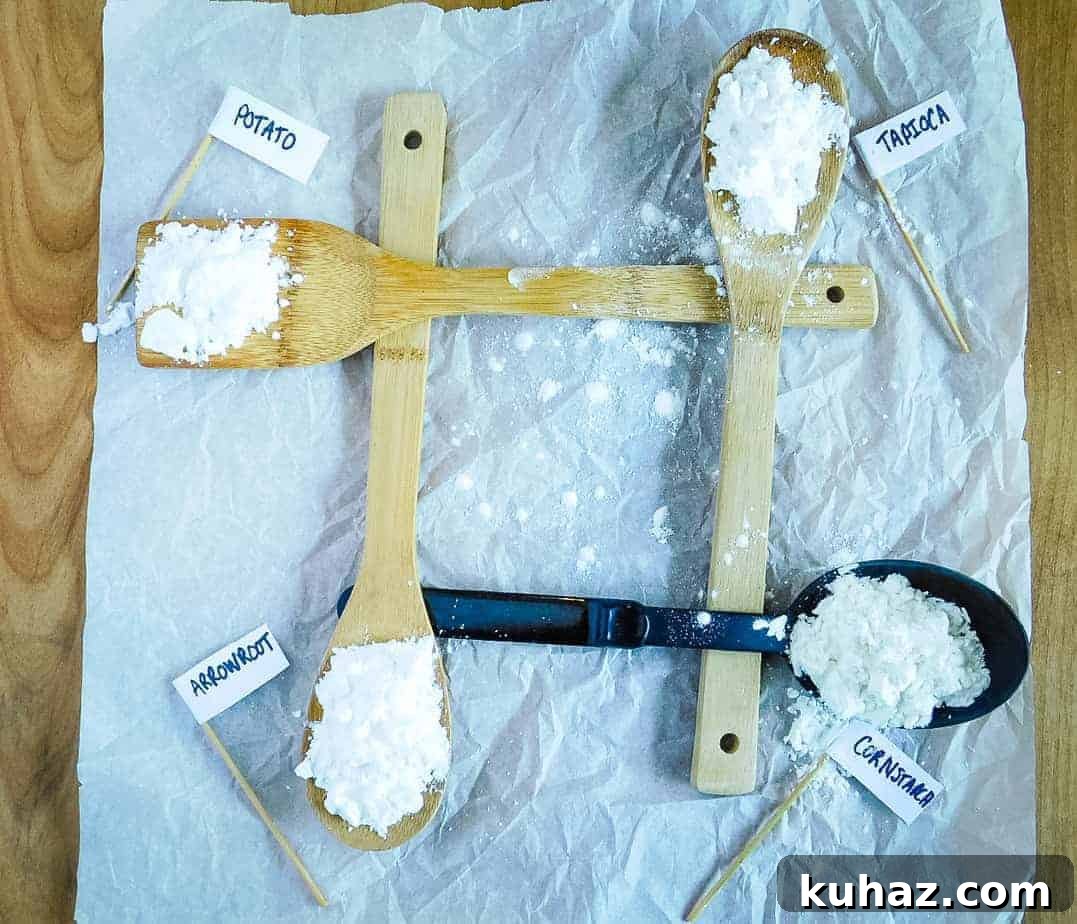
What Each Starch Looks Like
A quick visual: recognizing these starches helps you select the right one at the pantry shelf.
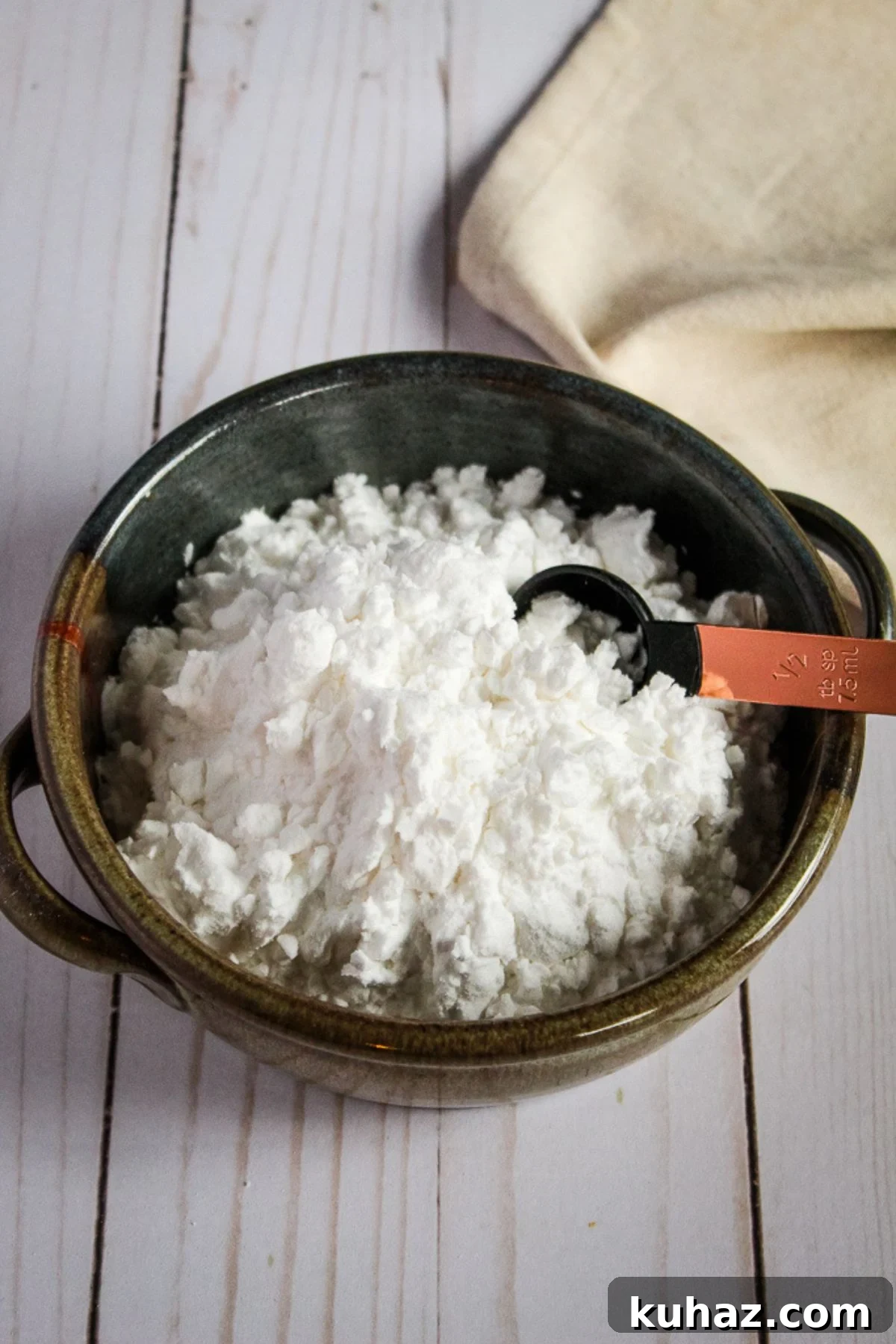
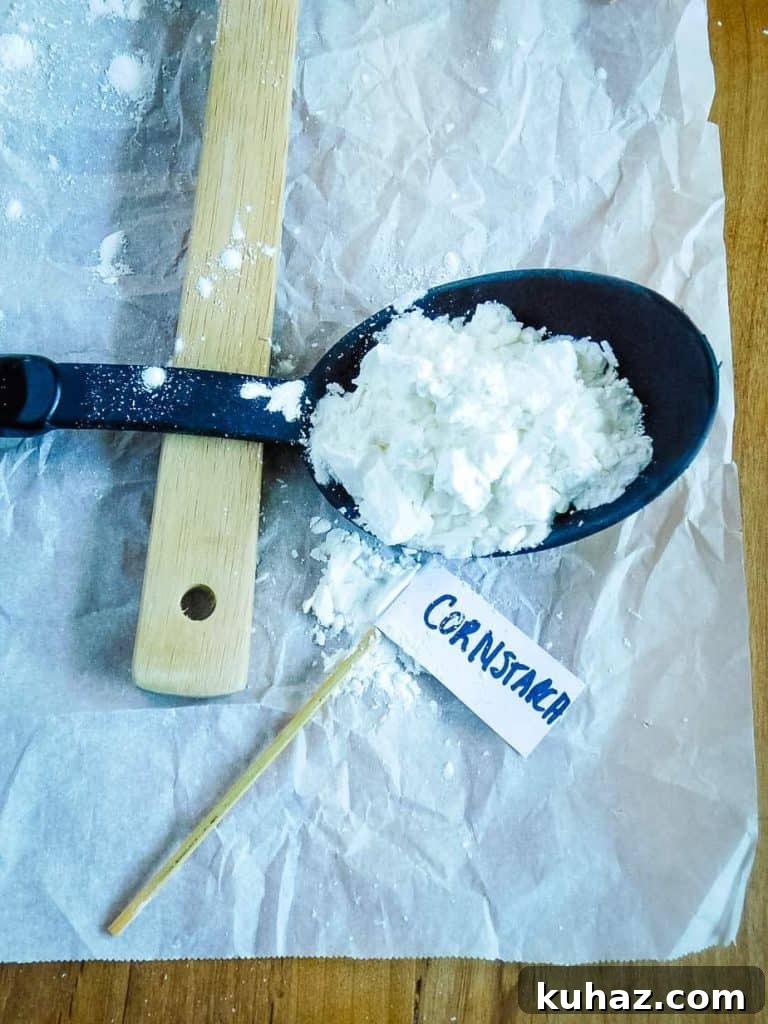
- Cornstarch: Fine, powdery white—very silky to the touch; makes opaque, smooth sauces.
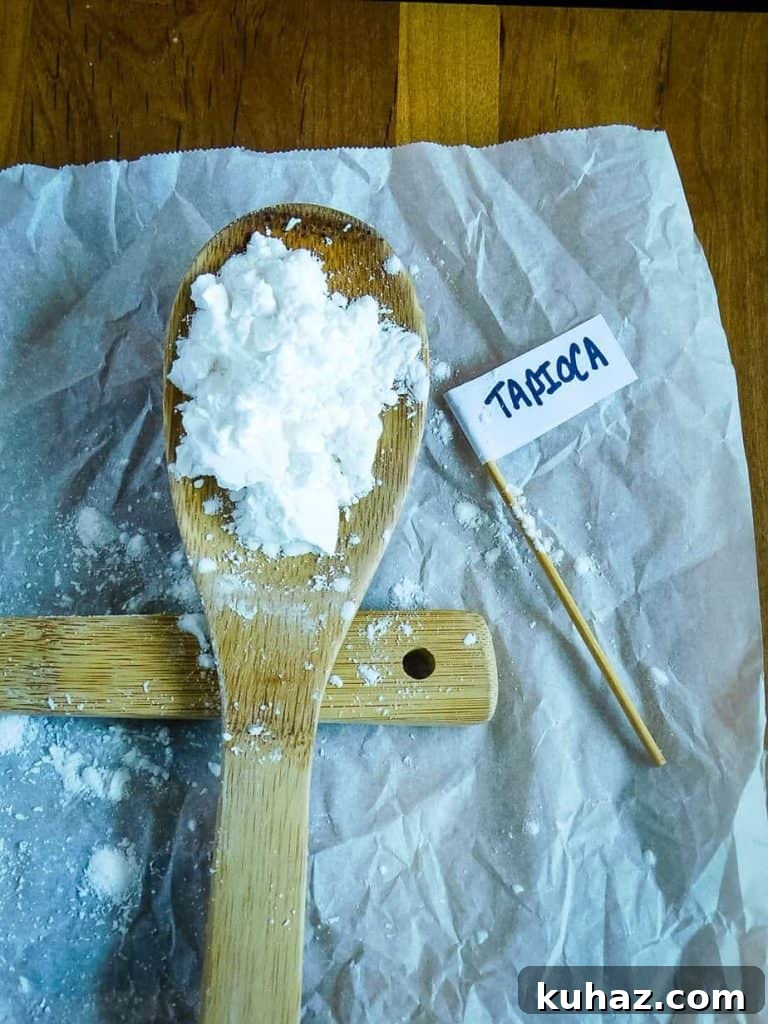
- Tapioca starch: Bright white and slightly more granular; produces glossy, translucent results.
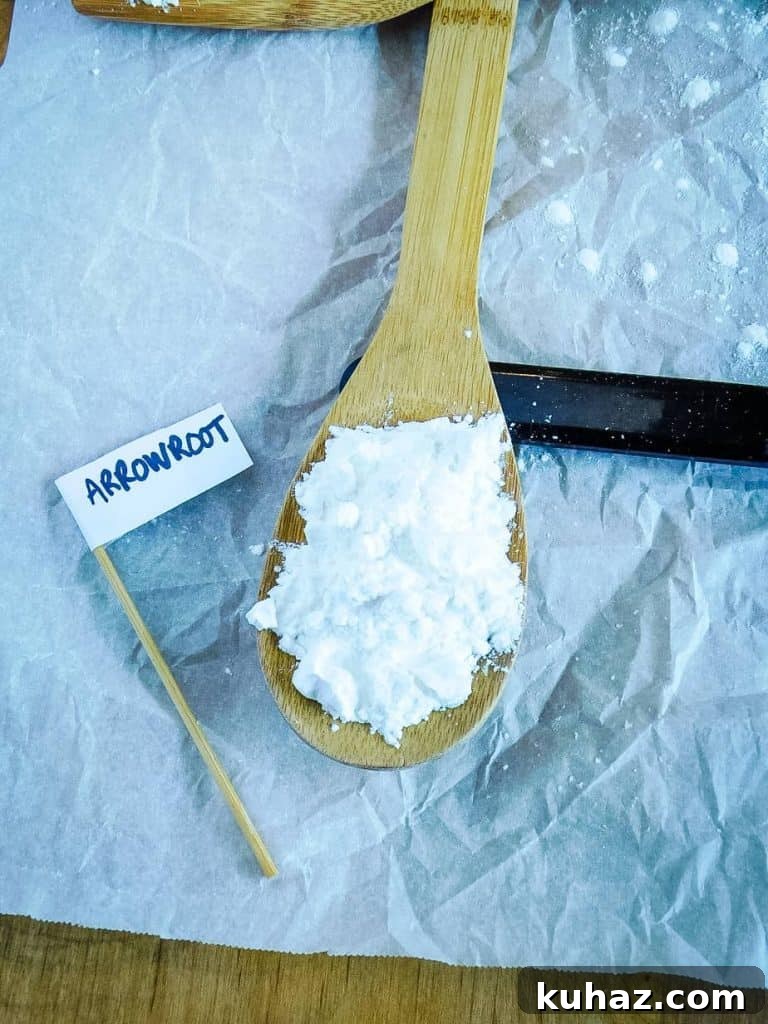
- Arrowroot: Pale, light powder that dissolves quickly into clear, delicate glazes.
How Each Starch Behaves in Heat (The Science Made Simple)
The key is gelatinization—how starch granules absorb water and swell with heat. That process and how granules react afterward determine the texture and stability of your sauce or filling.
Cornstarch Behavior
Cornstarch thickens as it reaches near-boiling temperatures. Granules swell and create a dense, opaque body; however, prolonged high heat can break them down and thin the sauce. Cornstarch is also prone to weeping after freezing.
- Thickens at higher heat and near boiling.
- Gives an opaque, substantial finish.
- Overcooking can break down the gel and thin the sauce.
- Not ideal for freezing and thawing—may separate.
Tapioca Starch Behavior
Tapioca thickens at lower temperatures and yields a shiny, translucent finish. It forms a network that tolerates freezing and thawing well, which makes it ideal for pies and make-ahead desserts. Too much or prolonged heat can make it stringy.
- Gelatinizes earlier than cornstarch.
- Produces a glossy, translucent finish.
- Holds up well through freeze–thaw cycles.
- Can become stringy if overused or overcooked.
Arrowroot Behavior
Arrowroot sets very quickly and stays clear, but it’s sensitive to dairy and extended simmering. Add it near the end of cooking for the best clarity and texture.
- Thickens very quickly and gives a crystal-clear finish.
- Not reliable in dairy—can turn slimy or separate.
- Breaks down if boiled for long periods—add at the end.
How Acidity Affects Thickener Performance
Acidic ingredients like tomatoes or citrus change how thickeners work. Arrowroot and tapioca hold up better in acidic sauces than cornstarch, which can weaken under high acidity. Cornstarch and potato starch are more heat-stable but less tolerant of high acid combined with long simmering.
- Arrowroot and tapioca: more acid-resistant.
- Cornstarch and potato starch: better at high temperatures but less forgiving with acidity and long cooking.
How Starches Change Texture in Baked Goods
Swapping starches affects not only viscosity but also crumb, chew, and mouthfeel in baked goods. Each starch interacts differently with moisture and structure during baking.
Cornstarch Texture: Tender & Soft
Cornstarch creates a tender, delicate crumb—it swells without adding chew, making cakes and cookies softer and lighter. That’s why small amounts are often added to cake and cookie mixes.
Tapioca Texture: Chewy & Cohesive
Tapioca brings elasticity and cohesion to gluten-free breads and cookies. Its higher amylopectin content helps baked goods hold together and resist crumbling, giving a slightly chewy but cohesive result.
Arrowroot Texture: Light & Neutral
Arrowroot stays light and neutral, preserving delicate crumbs and shine without adding chew—ideal for pastries and light cakes where you want a refined finish.
Quick Swap Guide for Replacing Tapioca
Out of tapioca? Here are reliable substitutes and ratios so textures remain consistent.
For Sauces & Gravies
- Cornstarch: Use 1 tbsp cornstarch for 1 tbsp tapioca in most sauces.
- Arrowroot: Use 1:1 if you want a clear finish.
For Pie Fillings
- Cornstarch: Use about 1½ tbsp cornstarch per 1 tbsp tapioca for similar gel strength.
- All-purpose flour: Use about 2 tbsp flour per 1 tbsp tapioca, and cook longer to remove raw flour taste.
For Frying / Coating
- Cornstarch gives the best crispness for batters and dredges.
- Rice flour is a good alternative for extra crunch if avoiding cornstarch.
Ratio Chart Table
Use this quick table when substituting so sauces and fillings behave predictably.
| Dish Type | Tapioca Amount | Substitute | Amount |
|---|---|---|---|
| Sauces & gravies | 1 tbsp | Cornstarch | 1 tbsp |
| Sauces & gravies | 1 tbsp | Arrowroot | 1 tbsp |
| Pie filling | 1 tbsp | Cornstarch | 1½ tbsp |
| Pie filling | 1 tbsp | All-purpose flour | 2 tbsp |
| Frying / coating | — | Cornstarch | Equal measure |
| Frying / coating | — | Rice flour | Equal measure |
Exact Substitution Ratios You Should Know
Small differences in how starches thicken mean substitution ratios matter. Here are dependable rules:
- Tapioca for cornstarch: Use about 2 tbsp tapioca for every 1 tbsp cornstarch when needed.
- Flour: Use roughly 2 tbsp flour for every 1 tbsp starch, and cook longer.
- Arrowroot & potato starch: Often used 1:1 with minor adjustments depending on the application.
Why Ratios Matter
Getting the ratio right affects thickness, texture, shine, and stability. Too little leads to runny results; too much can make a sauce gluey or gummy. Use the ratios above to get consistent outcomes.
Other Useful Alternatives When You’re Out of Starch
If you don’t have cornstarch, tapioca, or arrowroot, common pantry items and alternative starches can often step in.
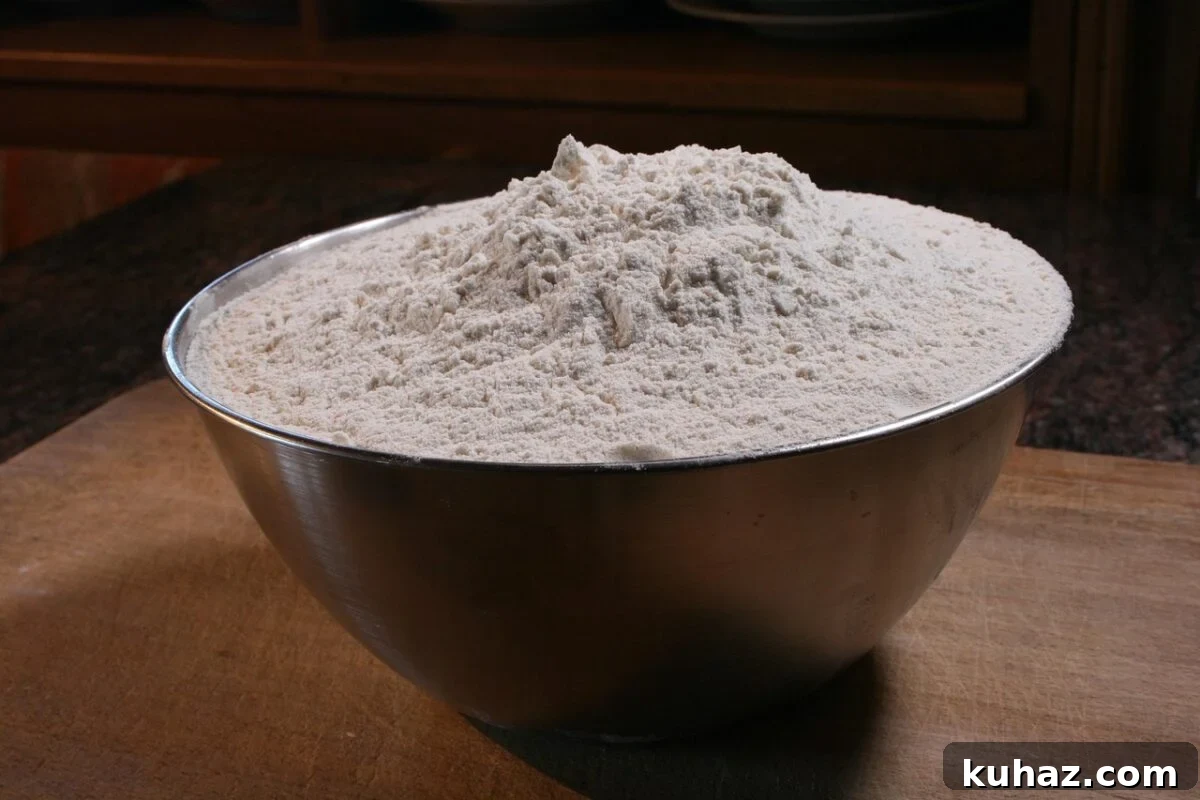
- All-purpose flour: Widely available—needs more quantity and longer cooking.
- Rice flour / mochiko: Neutral gluten-free options that work well in some sauces and batters.
- Sweet potato or other root starches: Common in some cuisines for glossy sauces without cloudiness.
Instant Thickening Options When You Can’t Cook
For cold sauces, dressings, smoothies, or instant gravies, these thickeners work without heat.
Modified Starches
Modified starches are processed to hydrate and thicken without heat. They resist acid and temperature changes, making them common in ready-to-eat products.
Xanthan Gum
Xanthan gum thickens quickly in cold or warm liquids at very low usage levels. It creates a smooth, stable texture across a wide range of temperatures and pH levels.
Guar Gum
Guar gum hydrates rapidly and gives a creamy texture ideal for cold soups, dressings, and gluten-free batters. Add it slowly to avoid over-thickening.
How These Starches Behave in Everyday Cooking
Here are practical examples showing which starch works best in common dishes and why.
Gravy (Why Cornstarch Works)
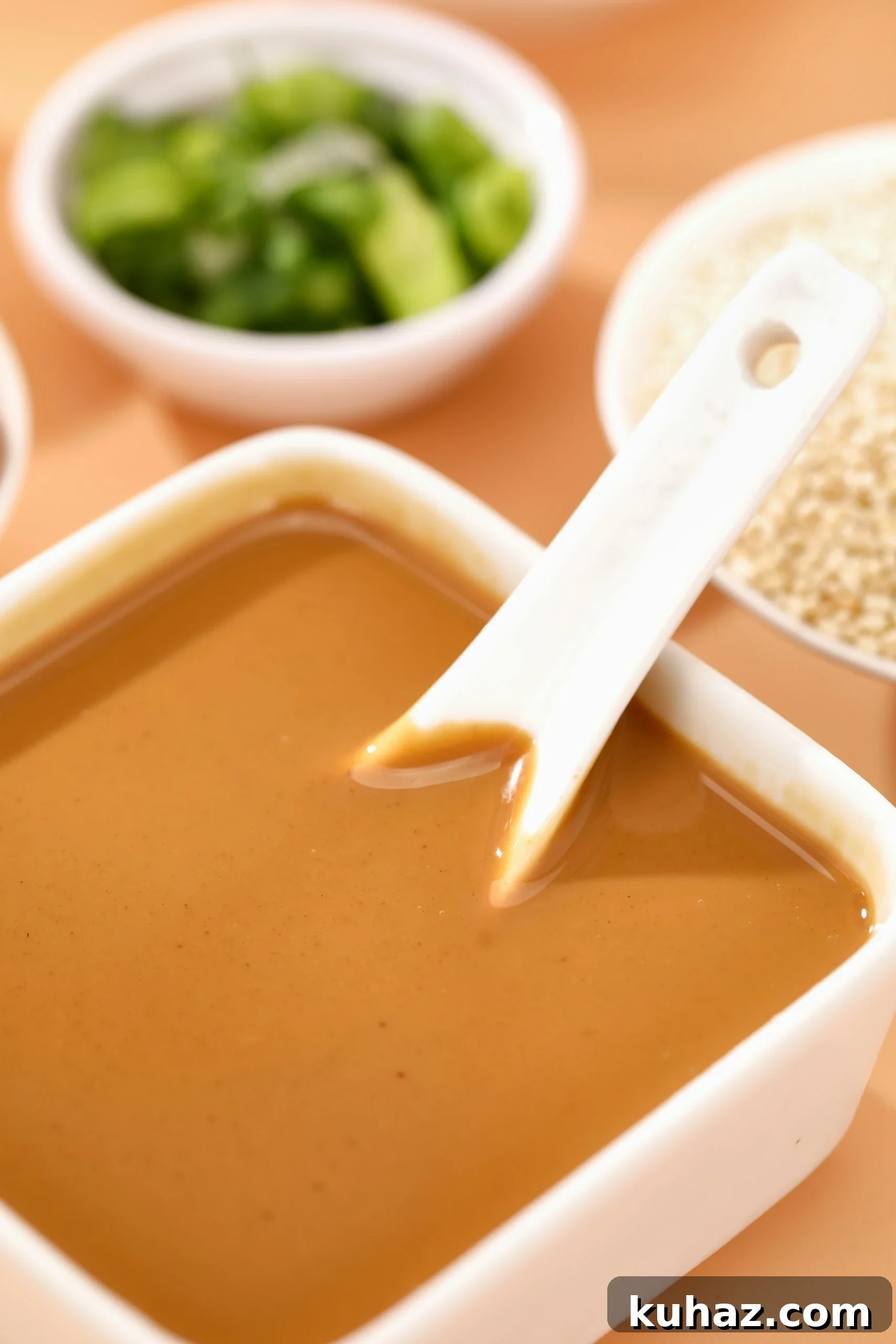
Cornstarch gives gravies a smooth, consistent body that clings to meat and vegetables. It thickens reliably with heat without changing flavor, which is why cooks often prefer it for pan sauces.
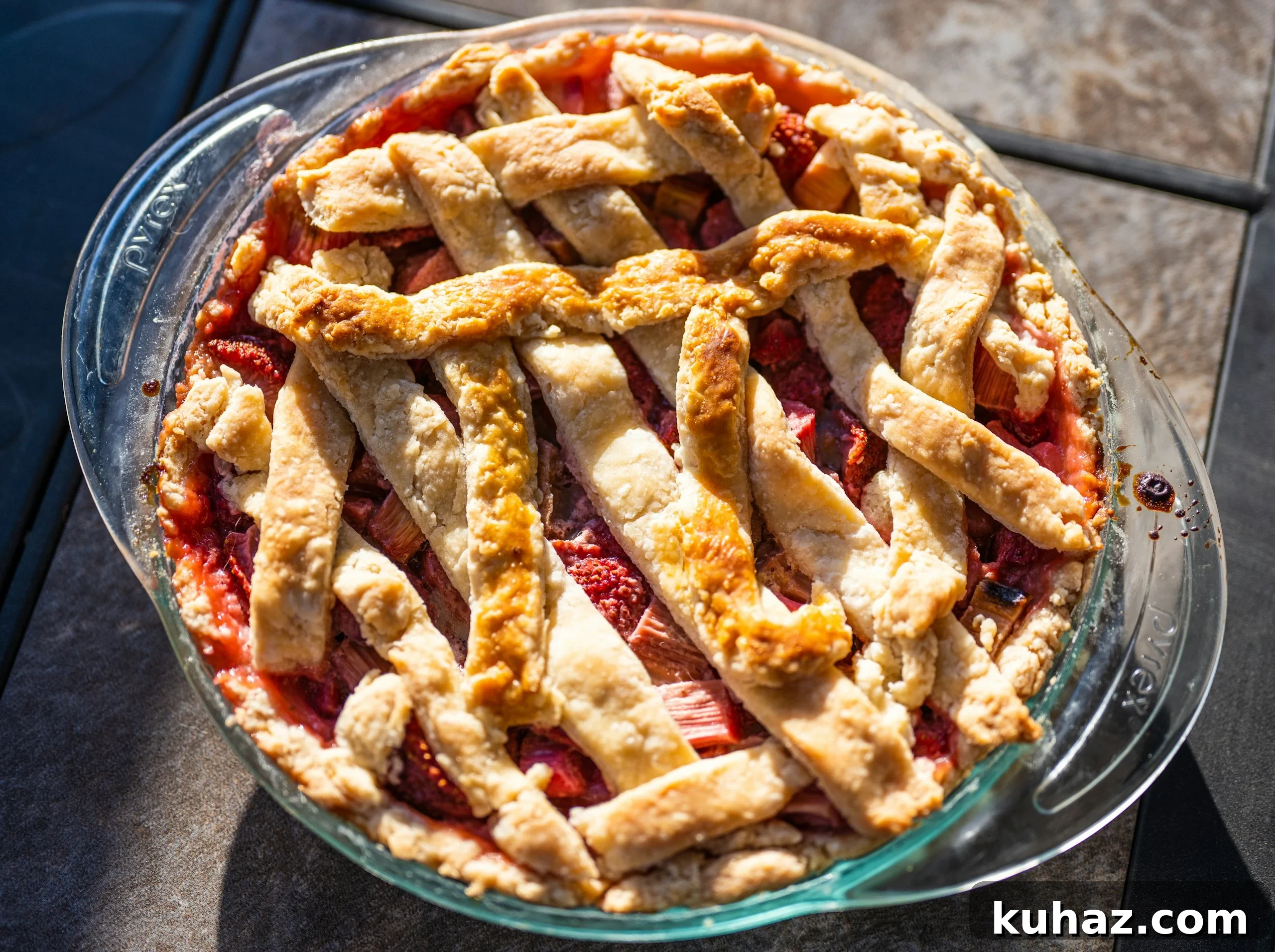
Pie Filling (Why Tapioca Works)
Tapioca creates a glossy, clear filling that holds up after cooling, so fruit pies slice cleanly without becoming runny. Its freeze–thaw stability also makes it a favorite for make-ahead desserts.
Frying (Why Cornstarch Crisps Better)
Cornstarch forms a tight surface network when fried, producing a light, crackling crust that resists oil absorption. That’s why many fry batters include cornstarch for extra crunch.
5 Ways Your Starch Can Fail You and What To Do Instead
Most starch mishaps are avoidable if you know the common mistakes and how to fix them.
Adding Starch Straight To Hot Liquid
Never sprinkle dry starch into hot liquid—lumps are guaranteed. Always mix starch with cold water to form a slurry before adding it to the pot.
Not Making A Slurry
Skipping the slurry step often causes uneven thickening. A smooth starch-and-cold-water slurry ensures even texture and reliable results.
Boiling Too Long
Starches thicken with heat but will break down if boiled too long. Remove the pan from heat as soon as the sauce reaches the desired thickness.
Using Arrowroot In Dairy
Avoid arrowroot in cream- or milk-based sauces—it can cause sliminess or separation. Use cornstarch or a flour-based thickener for dairy sauces.
Using Too Much (Gummy Texture)
Adding excessive starch can produce a gummy, pasty texture. Start with small amounts, whisk well, and wait for the mixture to develop before adding more.
When a Substitute Won’t Work and What to Use Instead
Some swaps are poor choices for specific situations—here are key cases to avoid and better options.
Dairy Sauces + Arrowroot
Arrowroot can turn slimy in dairy; use cornstarch or flour for cream sauces.
Freezer Meals + Cornstarch
Cornstarch-thickened dishes often separate after freezing. For make-ahead or frozen meals, prefer tapioca or use a blend designed for freeze stability.
Long Simmer Sauces + Arrowroot
Arrowroot breaks down under long simmering. For sauces that will cook a long time, choose cornstarch or a roux/flour-based thickener.
Cornstarch vs Tapioca vs Arrowroot: Pick the Best for Your Recipe
Here’s a quick roadmap to help you choose without hesitation.
Choose Cornstarch If:
- You want a crisp, golden coating for frying
- You’re making gravy or pan sauces
- You need an affordable, reliable thickener
Choose Tapioca If:
- You’re thickening fruit pie filling
- You plan to freeze leftovers
- You want glossy, translucent sauces
Choose Arrowroot If:
- You want crystal-clear sauces or glazes
- You’re avoiding corn-based thickeners
- You need a fast-reacting, light thickener
Other Ways to Thicken Sauces Beyond Starches
Starches aren’t the only option. Technique and other ingredients can thicken and improve texture without adding starch:
- Roux: Fat and flour cooked together—classic for gravies and creamy soups.
- Egg yolks: Thicken custards and some sauces through gentle coagulation.
- Reduction: Simmering a liquid down concentrates flavor and naturally thickens it.
Frequently Asked Questions
Here are short answers to common reader questions about these thickeners.
Can I Substitute Cornstarch for Tapioca?
Yes, in many cases. Cornstarch works as a substitute but gives a more opaque, matte finish compared with tapioca’s shine.
Which Thickens Better, Tapioca vs Cornstarch?
Cornstarch usually thickens more per tablespoon at high heat, while tapioca thickens at lower temperatures and produces a glossier result.
Why Is Tapioca Gummy?
Tapioca can become gummy or stringy if overcooked after it has thickened. Avoid prolonged boiling once the desired consistency is reached.
Does Arrowroot Thicken The Same?
Arrowroot thickens similarly to tapioca and creates a clear gel, but it’s more sensitive to dairy and extended heat.
Can You Freeze Cornstarch Sauces?
Cornstarch-thickened sauces generally don’t freeze well. Freezing and thawing can break the gel and cause separation.
Is Tapioca or Cornstarch Better for Pie Filling?
Tapioca is usually better for fruit pies because it keeps a glossy finish and holds up after cooling.
What’s the Healthiest Starch?
“Healthiest” depends on your goals. Tapioca and arrowroot are gluten-free and neutral in flavor; whole-grain flours add fiber; and choices like potato starch offer strong thickening with minimal calories. Pick based on dietary needs and recipe requirements.
Final Takeaway
Choose cornstarch for crisp frying and robust gravies, tapioca for glossy pie fillings and freezer-friendly dishes, and arrowroot when clarity matters. Keep the substitution ratios and handling tips above handy so your next thickened sauce or filling behaves exactly as you expect.
What’s Your Go-To Thickener?
Which starch do you keep in your pantry—cornstarch, tapioca, arrowroot, or something else? Share your favorite and how you use it in the comments.