Much like allulose, erythritol is a popular sweetener used in many low-carb and sugar-free desserts. In this article I’ll explain what erythritol is, how it’s made, its nutritional profile, and share a variety of dessert ideas and recipes where I use it regularly.
When I first switched to a low-carb approach, one of my biggest concerns was how to keep my favorite treats without the sugar and extra carbs. I discovered there are many excellent substitutes for sugar and flour that let you enjoy familiar flavors while staying within keto or diabetic-friendly guidelines.
One of the sweeteners I reach for most often in baking is erythritol. Below I’ll answer common questions about it, explain how I use it in recipes, and highlight several desserts that turn out great with erythritol as the sweetener.
Frequently Asked Questions About Erythritol
There’s a lot of confusion about how sweeteners differ and when to use each one. Here are the most common questions I get about erythritol and straightforward answers to help you decide if it’s right for your baking and cooking.
What Is Erythritol?
Erythritol is a sugar alcohol (a polyol) used as a sugar substitute. I use it in many recipes to reduce calories and carbohydrates while preserving sweetness and texture in baked goods and confections.
What Does Erythritol Taste Like?
Erythritol is less sweet than table sugar—about 60–70% of sugar’s sweetness—so it’s often blended with other sweeteners like monk fruit or stevia to reach desired sweetness without adding carbs.
How Is Erythritol Made?
Small amounts occur naturally in fruits such as grapes, watermelon, and pears, and in some fermented foods. Commercial erythritol is produced by fermenting dextrose (a simple sugar often derived from corn) using specific fermentation processes.
Is It a Sugar Alcohol?
Yes. Sugar alcohols are carbohydrates that chemically resemble both sugars and alcohols but are neither. They’re not fully absorbed by the body, so they provide fewer calories than regular sugar.
What Is a Sugar Alcohol Anyway?
The term can be confusing: sugar alcohols aren’t alcoholic beverages and aren’t the same as table sugar. They have a chemical structure similar to both, but because they’re only partially absorbed, they contribute fewer calories and generally have less impact on blood sugar.
What Is the Nutritional Value of Erythritol?
Erythritol is very low in calories—around 0.24 calories per gram—making it a popular choice for those tracking calorie intake or following a ketogenic lifestyle.
Is Erythritol Considered Natural?
Yes, to an extent. It occurs naturally in some fruits (grapes, watermelon, pears, peaches) and in mushrooms, and it appears in certain fermented foods and beverages. Commercial erythritol is made from natural sugars via fermentation.
Is It Safe to Consume?
For most people, erythritol is considered safe. Studies have not shown serious adverse effects in typical amounts, though consuming large quantities of some sugar alcohols can cause mild digestive discomfort in sensitive individuals. As with any ingredient, use it in moderation and consult a healthcare professional if you have specific health concerns.
Is Erythritol OK on Keto?
Yes—erythritol is keto-friendly. It contributes essentially zero net carbs and negligible calories, so it typically does not affect daily carbohydrate totals when tracking macros for ketosis.
Does It Raise Blood Sugar Levels?
No. Erythritol is absorbed differently from table sugar and does not cause significant blood glucose or insulin spikes, which is why many people with diabetes or on low-carb plans choose it. If you have a medical condition, always check with your doctor and monitor your own response.
Can You Bake With Erythritol?
Absolutely. Erythritol comes in granular and powdered forms and can replace table sugar in many recipes. Granular erythritol works well in crusts and some batters, while powdered erythritol is better for smooth fillings and frostings to avoid a grainy texture.
Below are several dessert recipes where I regularly use erythritol, with tips on form and ratios.
Where Can I Find Erythritol?
Many grocery stores and specialty brands now stock erythritol. It’s become more accessible as keto and low-carb diets have grown in popularity.
Some brands I often use and recommend include Surkin, So Nourished, Lakanto, and Wholesome.
Recipes to Make Using Erythritol
Erythritol can usually replace sugar at a 1:1 ratio, though because it’s slightly less sweet you may prefer a 1.25:1 adjustment in some recipes. Below are a few of my favorite desserts that turn out beautifully with erythritol.
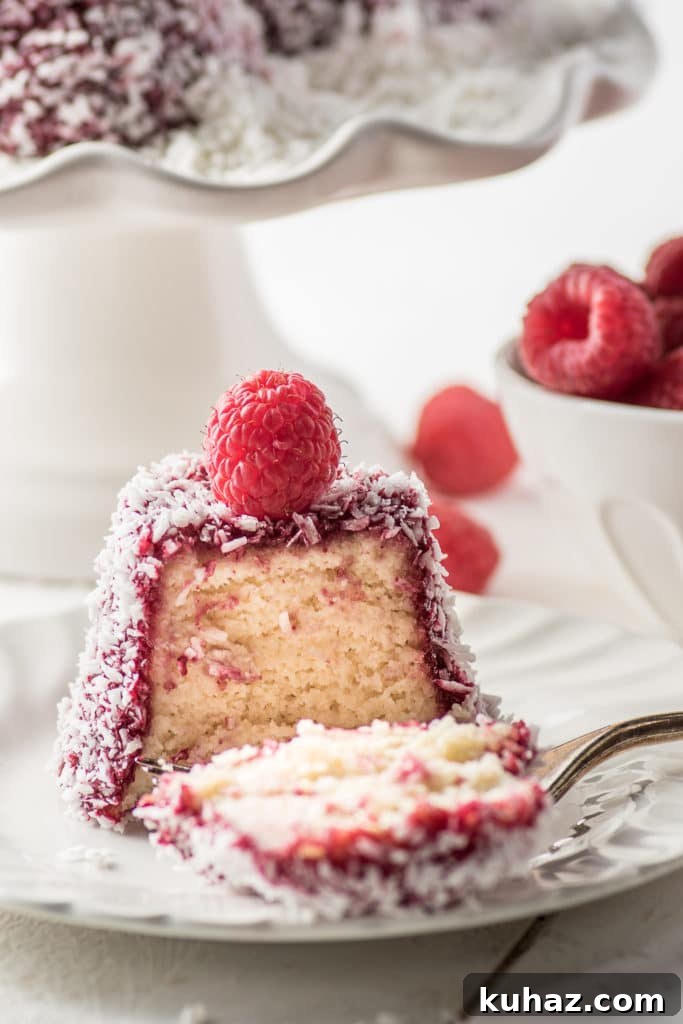
Little English Madeleine Cakes
These moist vanilla cakes are perfect with afternoon tea. I use erythritol in the raspberry jam filling, the cake batter, and even the coconut coating to keep them low-carb without sacrificing flavor.
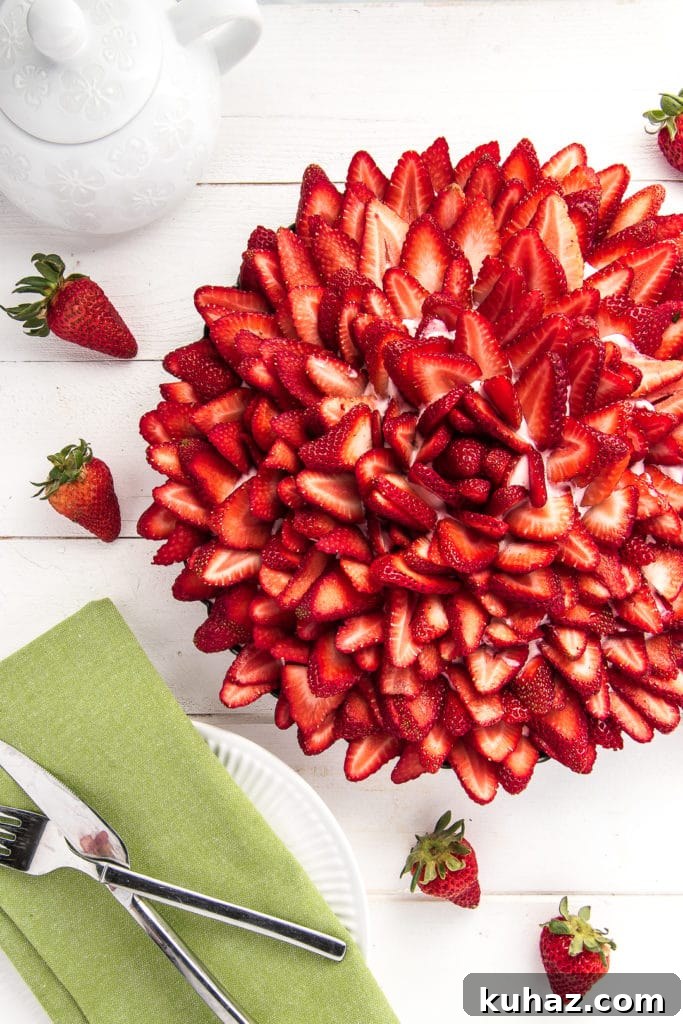
Strawberry Cream Pie with Coconut Shortbread Crust
This pie balances tart fresh strawberries with a sweet, creamy filling and a buttery coconut shortbread crust. I use powdered erythritol in the filling for a smooth texture and granular erythritol in the crust for structure.
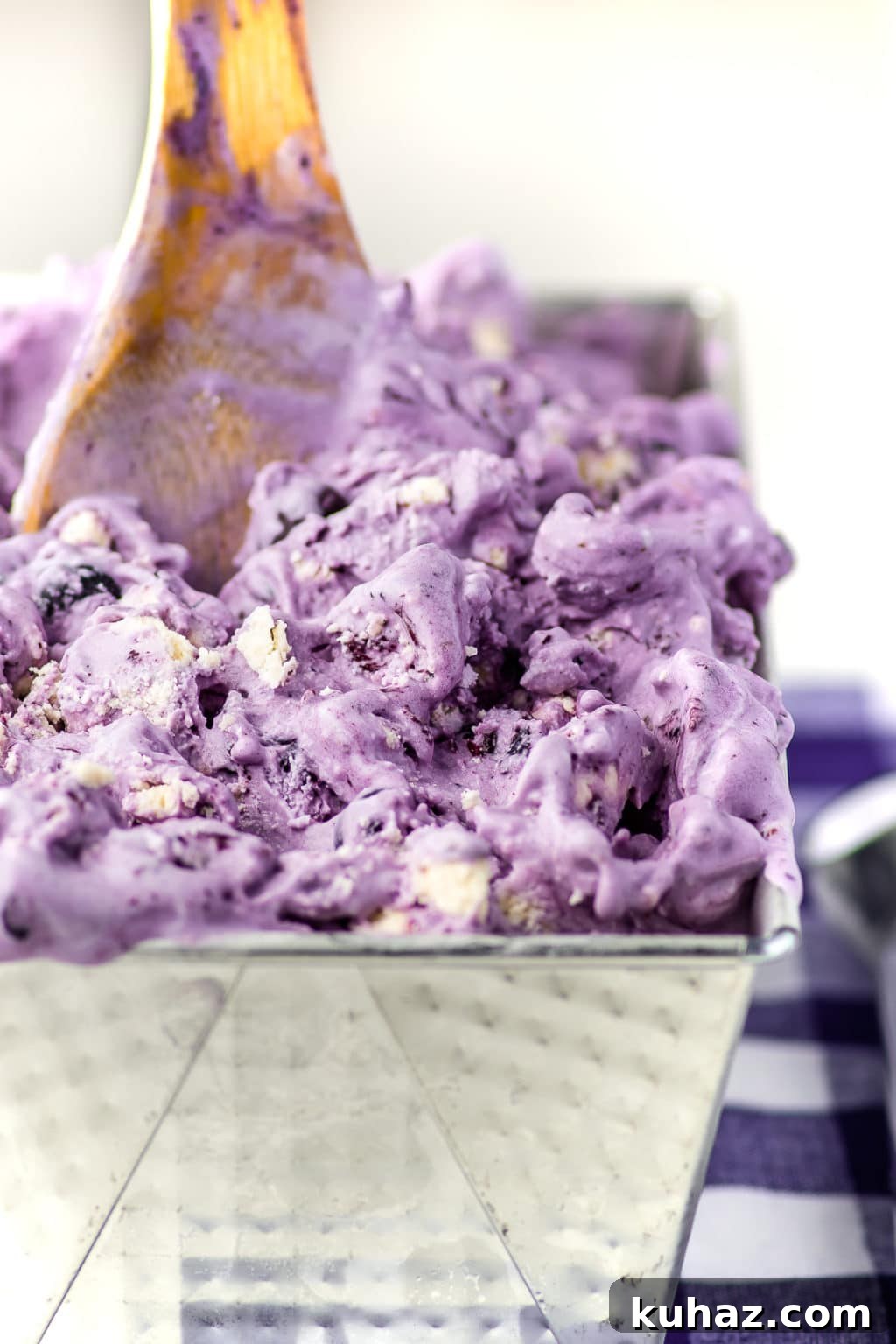
Blueberry Cheesecake Ice Cream with Real Bits of Cheesecake
This creamy frozen dessert combines frozen blueberries, almond milk, cream cheese, and a cup of powdered erythritol for a tart-and-sweet summer treat. It’s gluten-free, sugar-free, and keto-friendly.
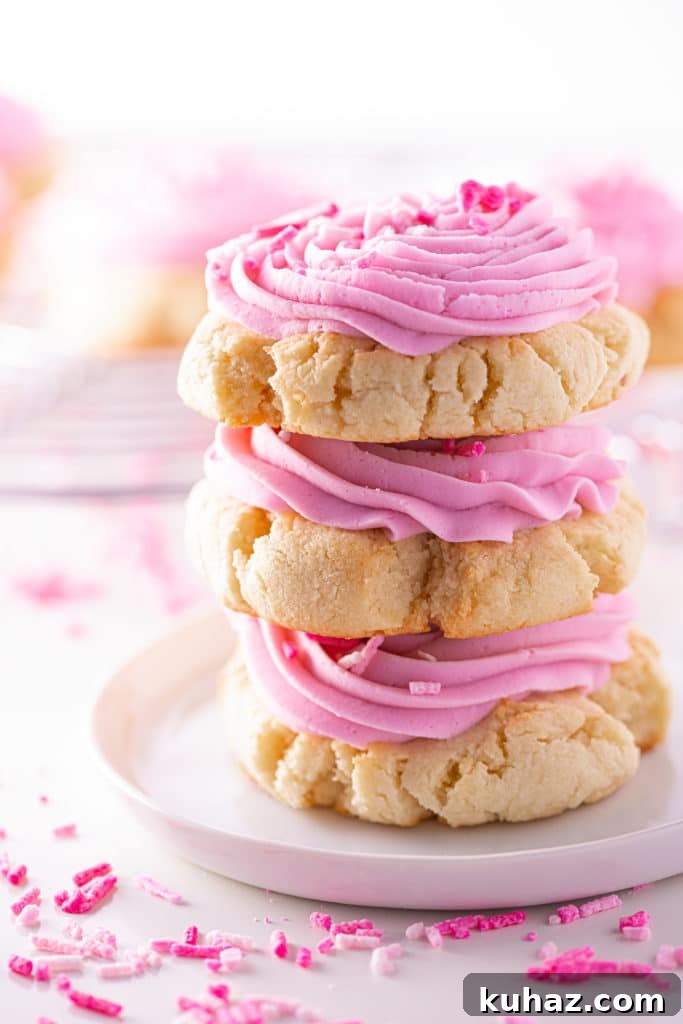
Melt-In-Your-Mouth Frosted Keto Sugar Cookies
These cookies recreate that nostalgic sugar-cookie experience without the carbs. I use 3/4 cup erythritol in the cookie dough and 1/3 cup in the frosting. A scoop of protein powder adds structure and keeps them tender.
More Recipes to Try
If you’d like more ideas for using erythritol, try these recipes from my collection. They’re all designed to be low-carb and dessert-friendly:
- Epic Low Carb Raspberry Cheesecake
- Gluten-Free Blueberry Cheesecake Bars
- Low Carb Cupcakes with Roasted Strawberries and Creamy Vanilla
- Keto PB + J Muffins

With the right form and a few simple swaps, erythritol makes it easy to enjoy many classic desserts in a low-carb, sugar-free way. Experiment with powdered vs granular forms, adjust sweetness to taste, and enjoy baking with a lower-carb sweetener that performs well in a wide range of recipes.