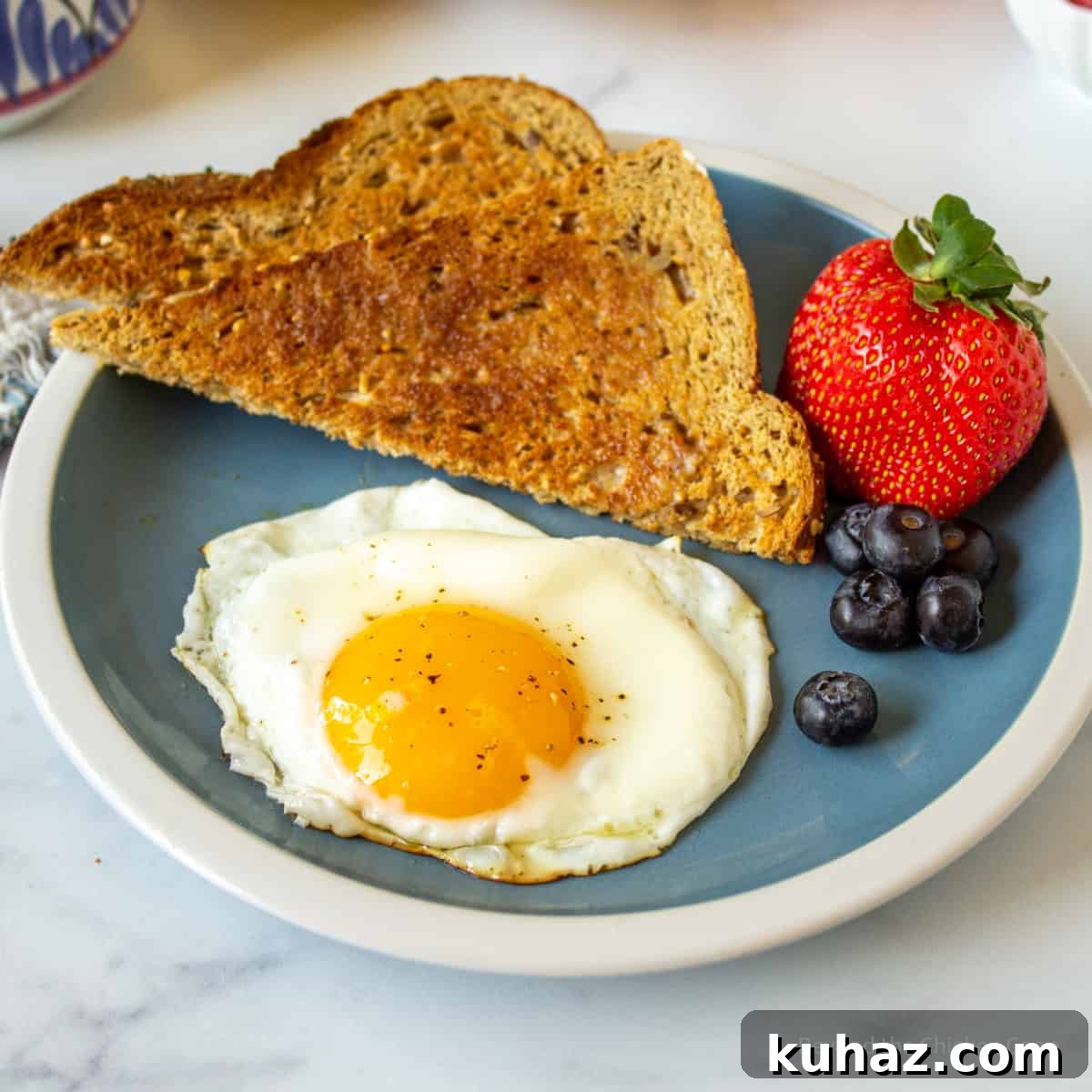
Learning how to fry a perfect sunny side up egg is simple once you know the right technique. The most important details are using the right pan, keeping the heat low, and cooking the egg gently until the white is set while the yolk stays soft and runny. A well-seasoned cast iron skillet or a nonstick pan makes the process much easier and helps prevent the egg from sticking or tearing when you slide it onto a plate.
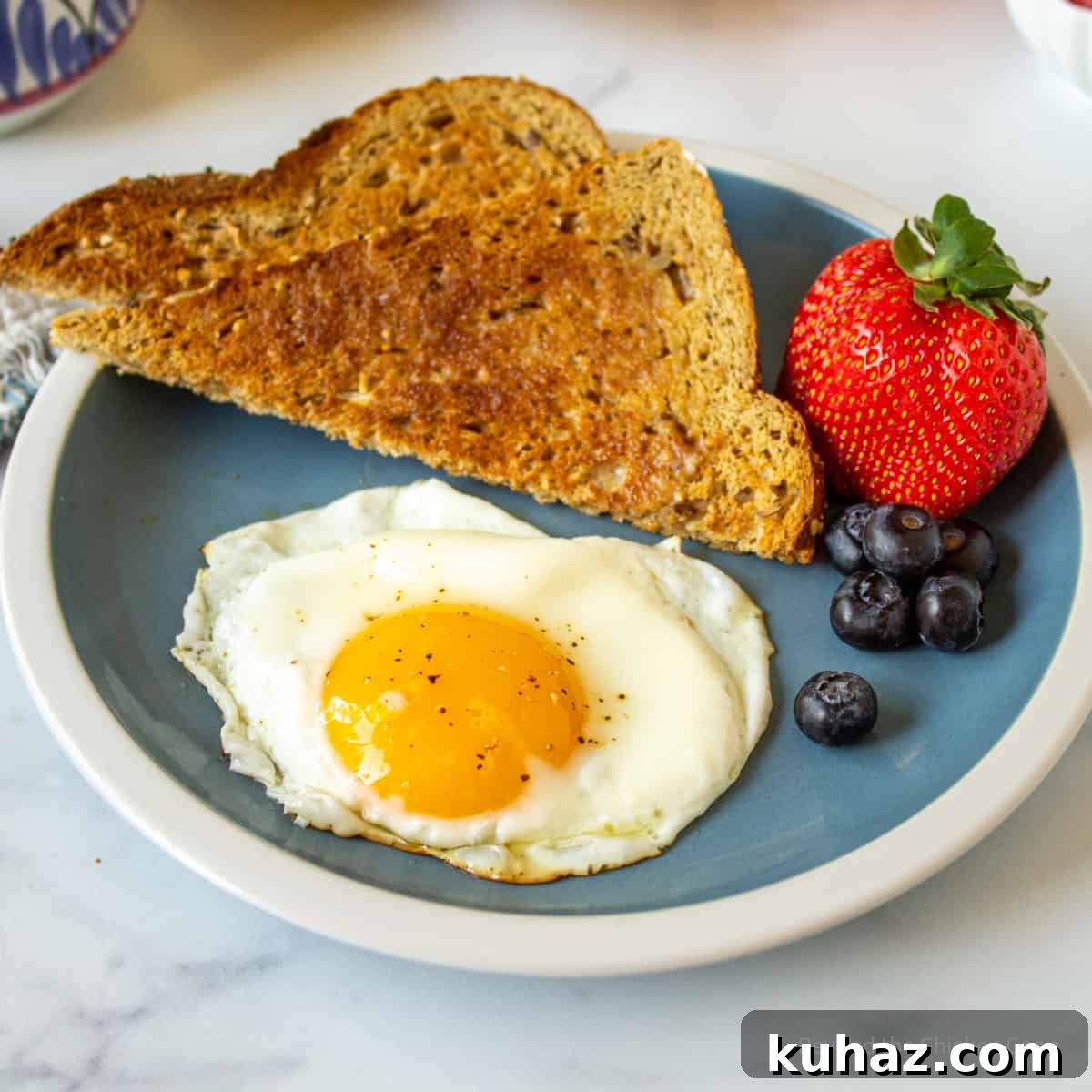
How To Cook Sunny Side Up Eggs Perfectly!
Sunny side up eggs are cooked on only one side, which gives them their signature look: a bright yolk sitting on top of tender, fully cooked whites. Some recipes suggest adding water and covering the pan with a lid to steam the top of the egg. While that method can work, it is not always necessary. If the egg is steamed too long, the texture can turn rubbery and the yolk may lose its silky finish.
For the best sunny side up eggs, cook slowly over low heat. Let the white firm up naturally while the yolk remains glossy and runny. If you prefer the thin layer of white over the yolk to be slightly more cooked, you can cover the pan briefly near the end of cooking. Just keep the time short so the yolk does not overcook.
Sunny Side Up Eggs vs Over Easy, Medium, and Hard
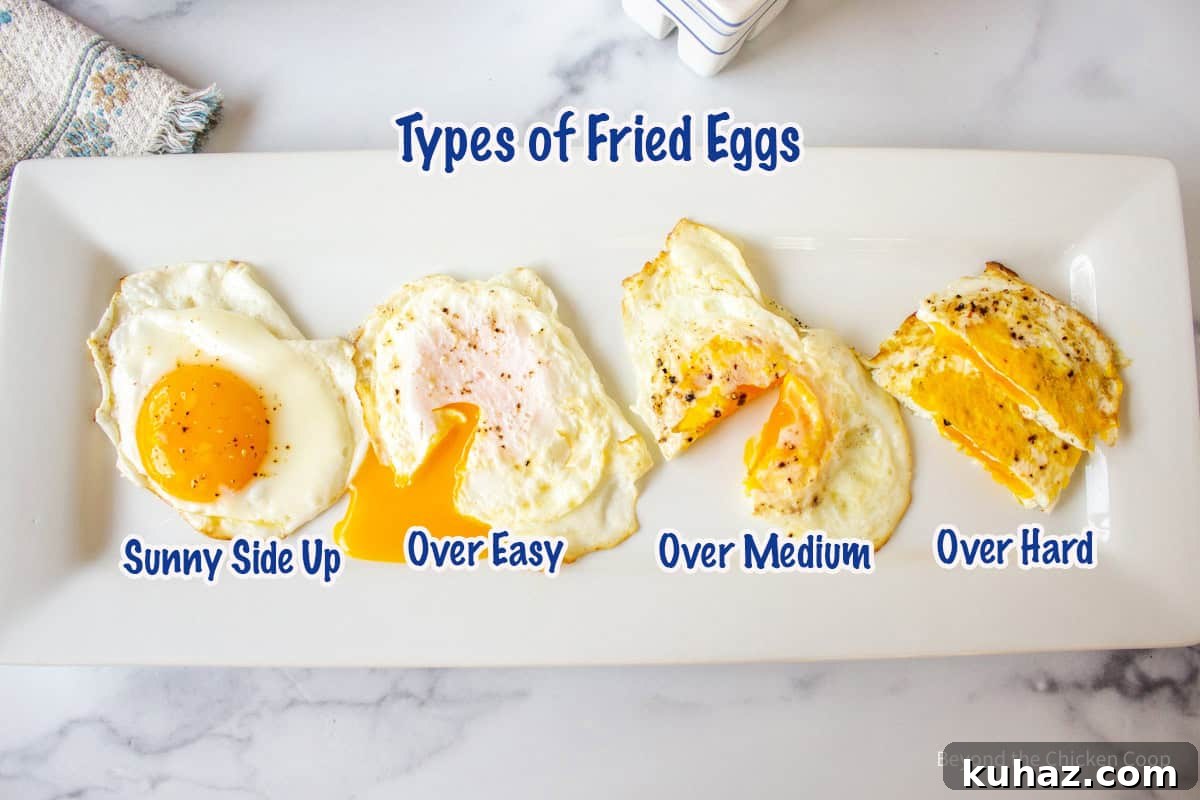
Fried eggs are a classic breakfast choice, but the final result depends on how long the egg is cooked and whether it is flipped. Understanding the difference between each style helps you make eggs exactly the way you like them.
There are four common types of fried eggs: sunny side up, over easy, over medium, and over hard. Each one begins in a hot pan with butter or another cooking fat, but the cooking method changes the texture of the white and yolk.
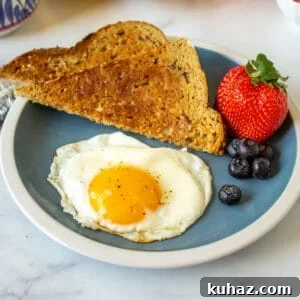
A sunny side up egg is not flipped during cooking. It cooks only from the bottom, leaving the yolk visible on top. The white should be fully set, while the yolk remains runny.
Over easy eggs are cooked on one side, then gently flipped and cooked briefly on the second side. The white is cooked through, but the yolk stays soft and runny.
Over medium eggs are cooked like over easy eggs, but they stay in the pan a little longer after flipping. The yolk is partly cooked and may have a soft, jammy center.
Over hard eggs are cooked until the yolk is no longer runny. Depending on preference, the yolk may be just set or fully cooked all the way through.
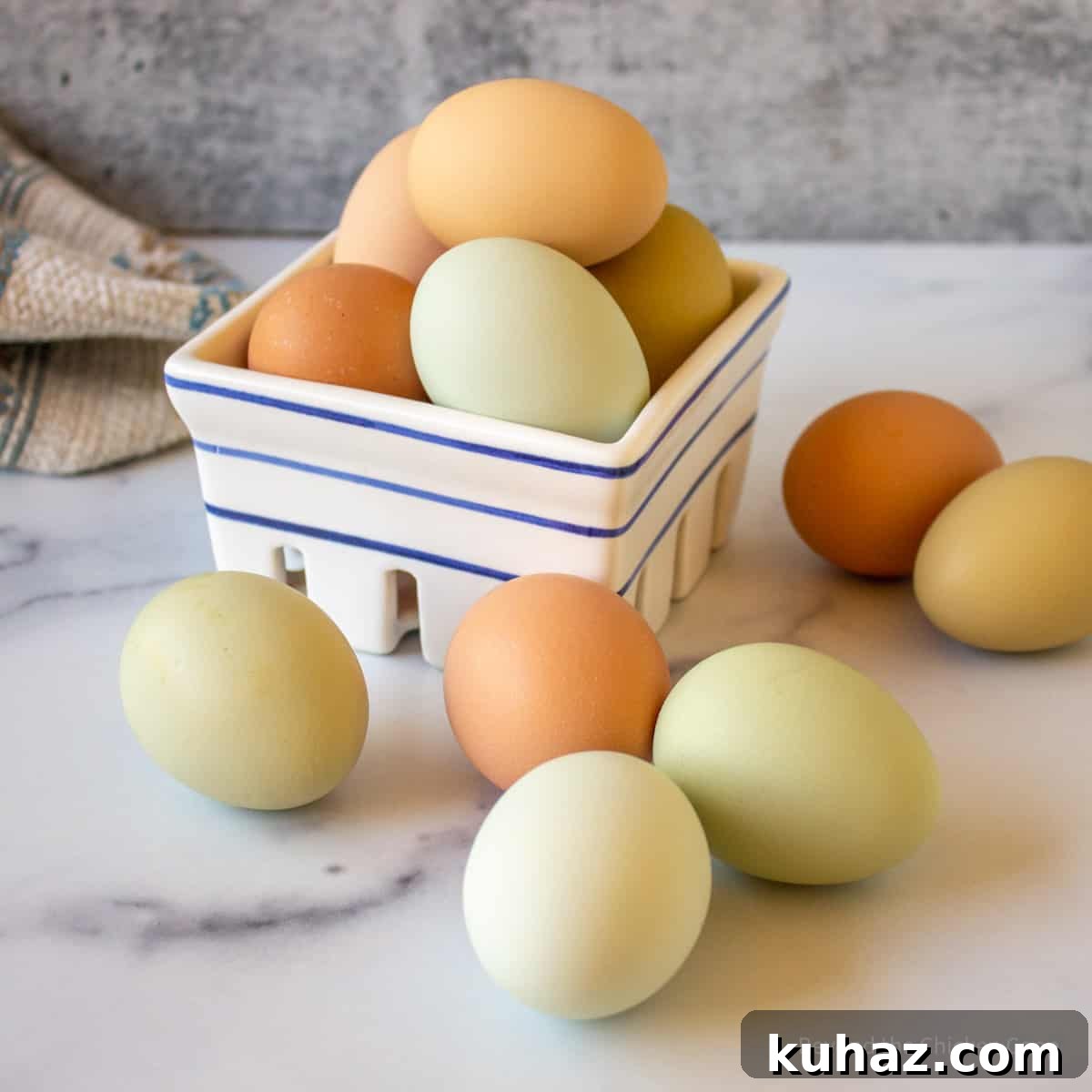
Sunny Side Up Egg Ingredients
- Fresh eggs – Fresh eggs hold their shape better in the pan and usually have a yolk that sits nicely above the white.
- A pat of butter – Salted butter adds flavor and helps prevent sticking.
- Salt and pepper – A light sprinkle is all you need to season the egg.
Best pan for frying eggs
A good pan makes a big difference when frying eggs. A well-seasoned cast iron skillet or a nonstick skillet is the easiest option because both help the egg release cleanly from the surface.
Stainless steel pans can also be used, but they require more care. Keep the heat low and use enough butter to create a protective layer between the egg and the pan. If the heat is too high, the egg may stick or develop crisp edges before the white has fully cooked.
No matter which pan you use, sunny side up eggs are best cooked over low to medium-low heat. Gentle heat gives the white time to set while keeping the yolk soft and runny.
How to Make Sunny Side Up Eggs
- Heat a skillet over low heat.
- When the pan is warm, add ½ tablespoon of butter. Let it melt and become bubbly, but do not let it brown.
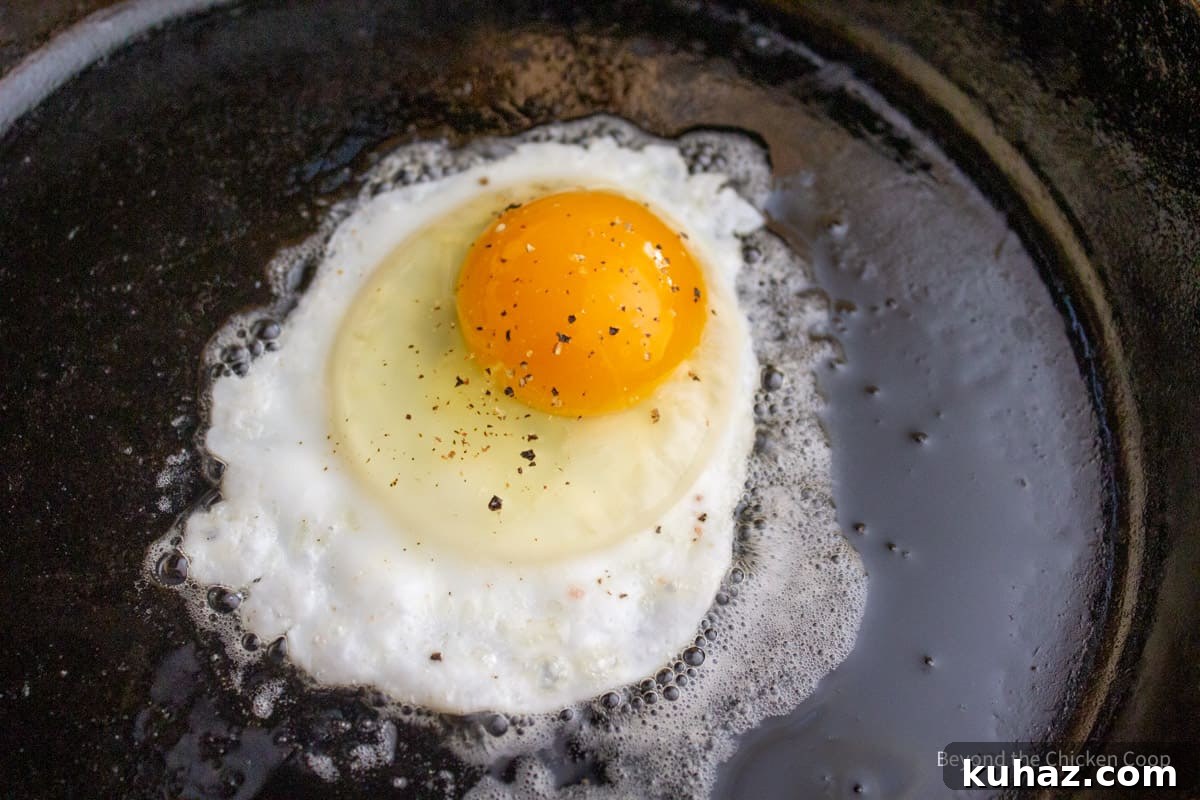
- Crack the egg into the pan over the melted butter.
- Season lightly with salt and pepper.
- Cook slowly until the white is set and the yolk is still runny.
Tips for making Eggs Sunny Side Up
- Warm the pan over low heat so the egg cooks evenly.
- Use butter, olive oil, or rendered bacon grease for flavor and to help prevent sticking.
- Avoid high heat. It can make the edges crisp before the white is fully set.
- Cook just until the white has turned opaque and firm, usually about 2 to 3 minutes.
- Cook only one or two eggs at a time so they do not touch or crowd the pan.
- If you want the top of the yolk slightly cooked, cover the pan briefly near the end.
- Wipe out the pan between batches if cooking several eggs.
- Serve immediately for the best texture and flavor.
Sunny Side Up Egg FAQs
Both styles usually have a runny yolk. The difference is that sunny side up eggs are not flipped, while over easy eggs are flipped and cooked briefly on both sides.
Cooking time depends on your stove and pan, but most sunny side up eggs are ready in about 2 to 4 minutes.
The egg is done when the whites are fully set and no longer translucent. The yolk should remain soft and runny.
The USDA recommends fully cooking both the white and the yolk. If you are concerned about an undercooked yolk, consider using pasteurized eggs or choose fresh, uncracked eggs.
Ways to serve Sunny Side Up Eggs
Sunny side up eggs are especially good with foods that can soak up the runny yolk. They work well for breakfast, brunch, or even a simple savory meal.
- English muffins
- Toasted wheat bread
- Pancakes
- Oven roasted potatoes
- Country potatoes
- Breakfast sausage
More delicious egg recipes
- Hard boiled eggs
- Cheesy egg casserole
- Ham and spinach quiche
- Mini frittatas
If you enjoy simple breakfast recipes, sunny side up eggs are a great basic skill to master. Once you know the timing and temperature, you can make them quickly and consistently.
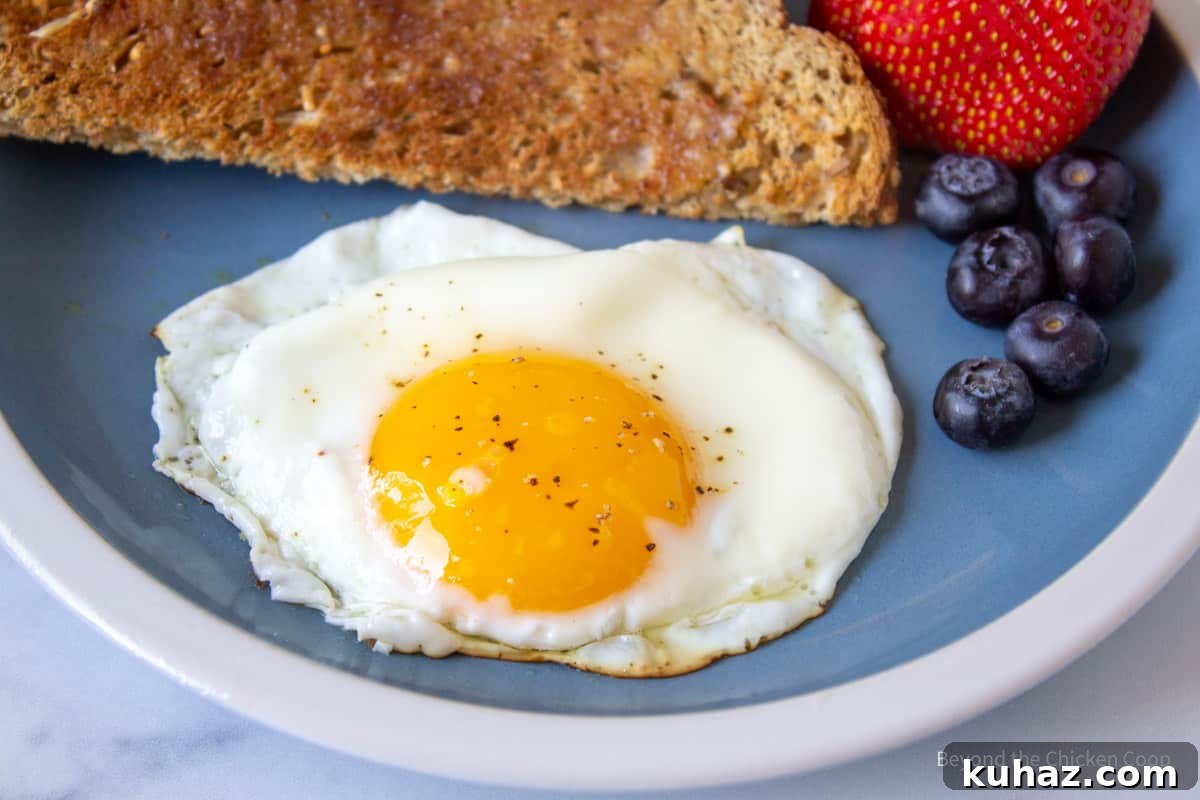
If you make this recipe, serve it right away while the whites are tender and the yolk is warm and runny.
-
Chocolate Chip Scones
-
Blueberry Peach Muffins
-
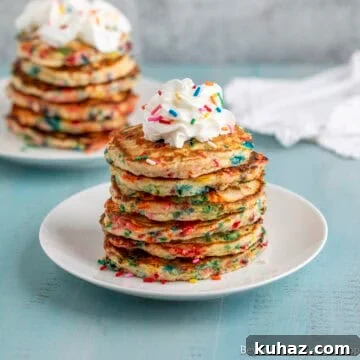
Confetti Pancakes
-
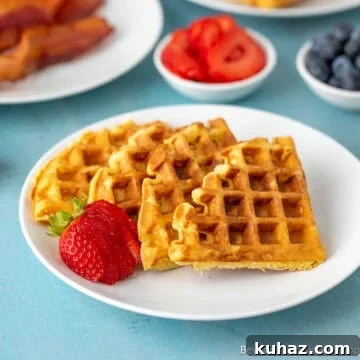
Buttermilk Waffles
Eggs Sunny Side Up
Kathy Berget
Ingredients
- ½ tablespoon butter
- 1 egg
- salt
- pepper
Instructions
-
Heat a pan over low heat.
-
When the pan is warm, add ½ tablespoon of butter. Let the butter melt and become bubbly.
-
Crack the egg into the pan over the melted butter.
-
Sprinkle with a small amount of salt and pepper.
-
Cook over low heat until the white is set. Slide the egg onto a plate and serve hot.
Notes
- Low heat creates a more even cooking surface.
- Butter, olive oil, or rendered bacon grease can be used.
- High heat may make the egg white crispy around the edges.
- Cook until the white is fully set, about 2 to 3 minutes.
- Do not overcrowd the pan.
- Cover briefly if you want the top of the yolk slightly more cooked.
- Wipe out the pan between batches.
- Serve immediately.
Nutritional Disclaimer:
Nutritional information is provided as a courtesy and should be considered an estimate, not a guarantee. For the most accurate results, calculate nutrition using the exact ingredients you use.
Nutrition
Calories: 113 kcal
Carbohydrates: 1 g
Protein: 6 g
Fat: 10 g
Saturated Fat: 5 g
Cholesterol: 179 mg
Sodium: 107 mg
Potassium: 62 mg
Sugar: 1 g
Vitamin A: 413 IU
Calcium: 26 mg
Iron: 1 mg