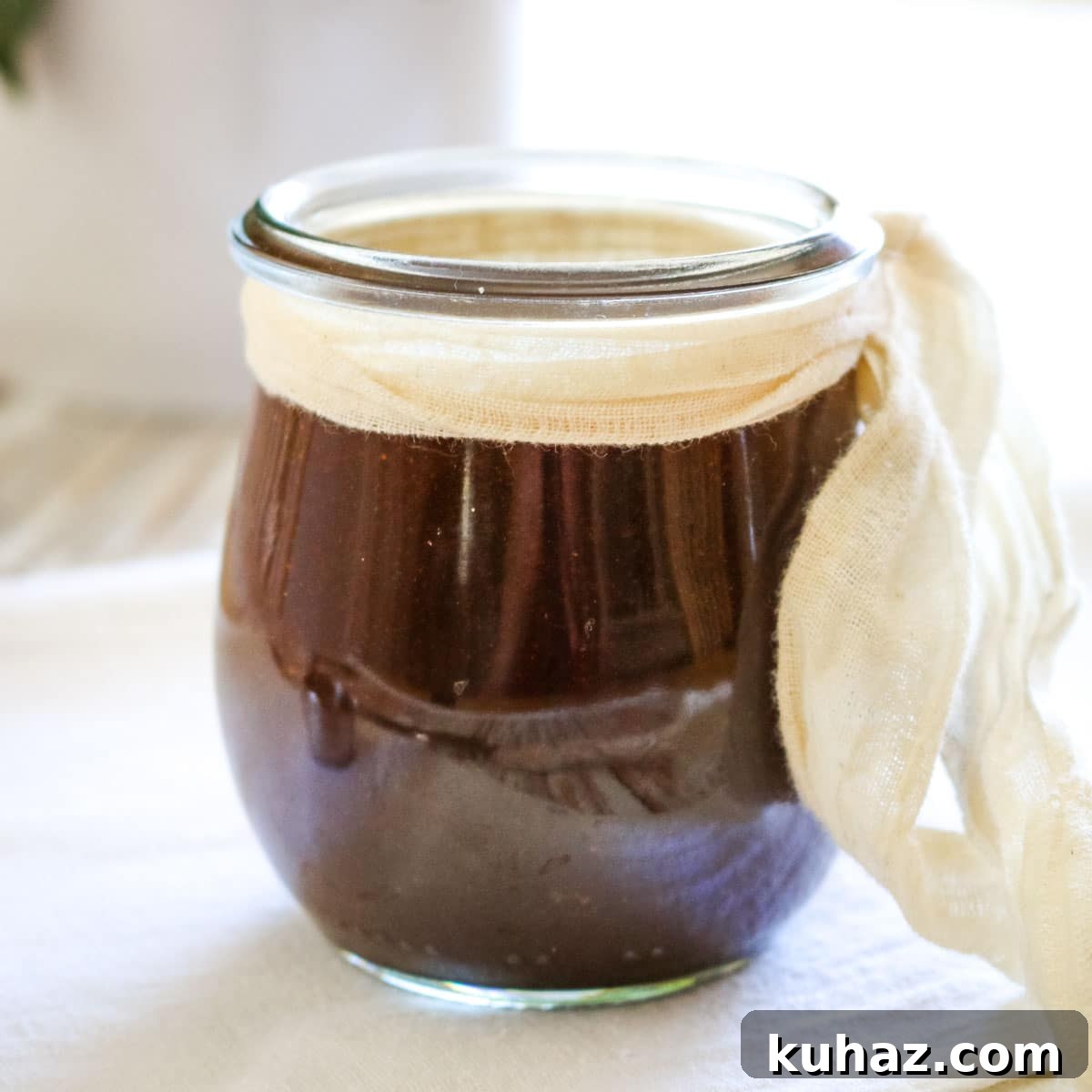
This homemade Worcestershire sauce recipe is easy, flavorful, soy-free, and gluten-free. Made with real food ingredients, it adds deep savory flavor, gentle sweetness, and bright acidity to meats, dressings, marinades, and everyday meals.
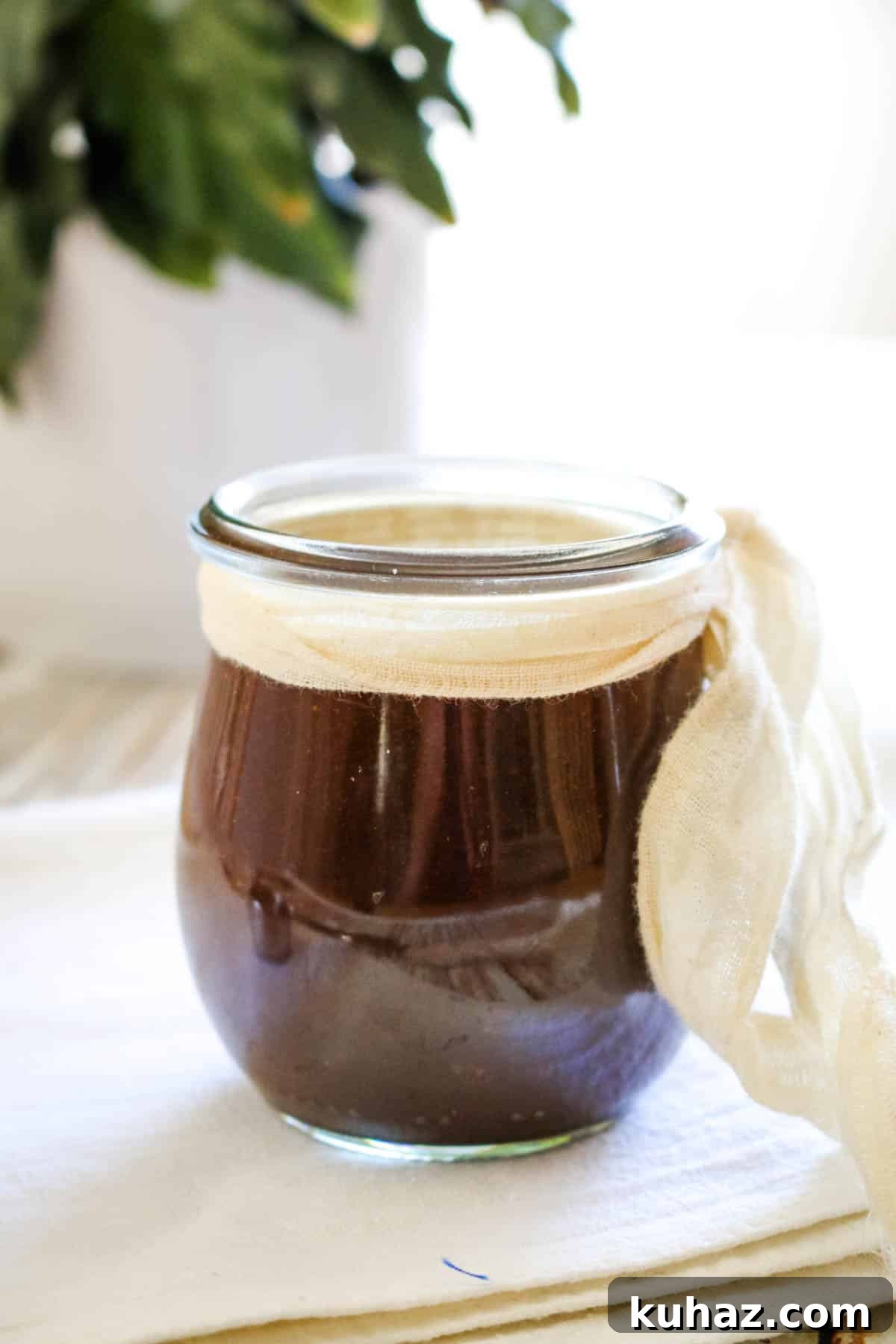
Worcestershire sauce sits somewhere between a condiment and a seasoning. A small splash can transform a simple dish by adding savory depth, tangy brightness, mild sweetness, and that hard-to-describe umami flavor. Traditional versions often include vinegar, anchovies, tamarind, molasses, garlic, onions, and a blend of spices.
This homemade Worcestershire sauce is a practical version made for a modern kitchen. It uses apple cider vinegar, coconut aminos, molasses, anchovy paste, and pantry spices to create a bold sauce without soy, gluten, or unnecessary thickeners.
Use it anywhere you want extra depth: Caesar salad dressing, sloppy joes, shepherd’s pie, burgers, marinades, roasts, soups, chili, and savory sauces. If you have a bottle hiding in the back of your refrigerator but want a cleaner homemade option, this recipe is a simple place to start.
What Is Worcestershire Sauce?
Traditional Worcestershire sauce began as a fermented condiment made with fish sauce, vinegar, and spices. The mixture was aged before bottling, which allowed the flavors to develop into a rich, complex sauce. The old-fashioned method relied on time, fermentation, and careful blending.
This homemade version is not fermented, but it captures the familiar balance of tangy, salty, sweet, and savory flavors. Instead of requiring months of aging, it comes together in about 20 minutes and improves as it rests in the refrigerator.
💭 Good to Know: Worcestershire is often mispronounced. A common pronunciation is woo-ster-sher.
Why You’ll Love This Recipe
- It is soy-free, gluten-free, grain-free, and corn-free.
- It uses real food ingredients instead of corn syrup, gums, or artificial thickeners.
- It takes only a few minutes to prepare and about 15 minutes to simmer.
- It keeps well in the refrigerator, making it easy to have on hand for quick flavor.
- It works beautifully in marinades, sauces, dressings, soups, and meat dishes.
If you are looking for a probiotic-rich fermented sauce, this is not that style of recipe. Instead, it is a quick homemade Worcestershire sauce that brings the flavor of the classic condiment into a busy kitchen without relying on soy sauce or gluten-containing ingredients.
The flavor is bold, tangy, and slightly sweet, with savory depth from anchovy paste and coconut aminos. It is a much better fit for anyone who wants to avoid many conventional bottled sauces that may contain soy, gluten, corn syrup, or unnecessary additives.
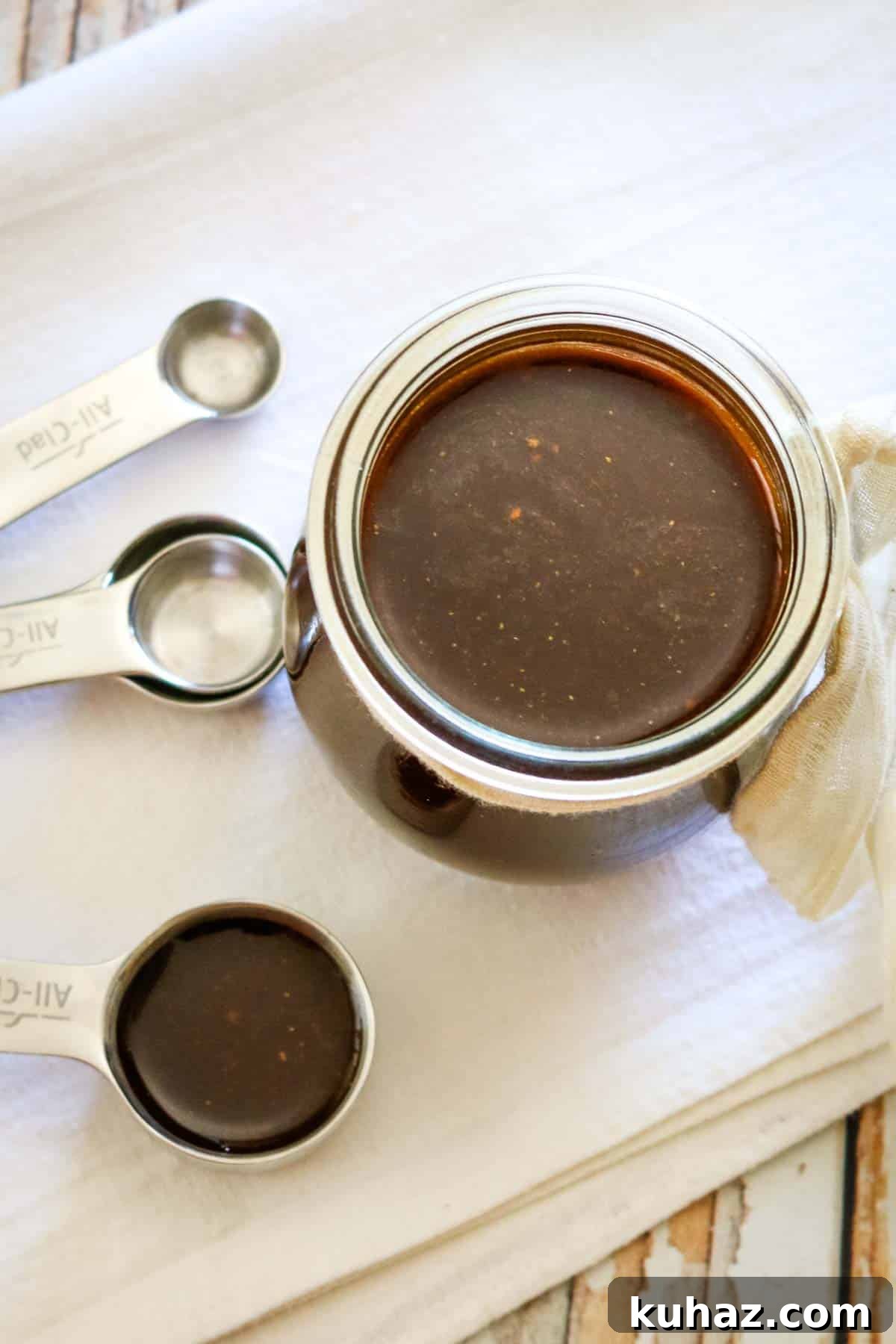
History of Worcestershire Sauce
Worcestershire sauce dates back to the early 19th century. The story commonly associated with its origin involves Lord Sandys, who is said to have tasted a flavorful sauce during his travels and asked chemists John Lea and William Perrins to recreate it.
The first attempt was reportedly disappointing, and the mixture was set aside. After being forgotten for some time, the aged sauce developed a deep savory flavor. That accidental aging process helped create the distinctive umami profile now associated with Worcestershire sauce.
Over time, the sauce became popular far beyond Worcester, England. Today, it is used around the world as a seasoning for meats, dressings, cocktails, stews, and sauces.
Ingredients
The ingredient list may look longer than expected, but each component helps build the balanced flavor that makes Worcestershire sauce so useful. Vinegar brings acidity, coconut aminos add salty depth, molasses and coconut sugar provide sweetness, anchovy paste adds umami, and the spices round everything out.
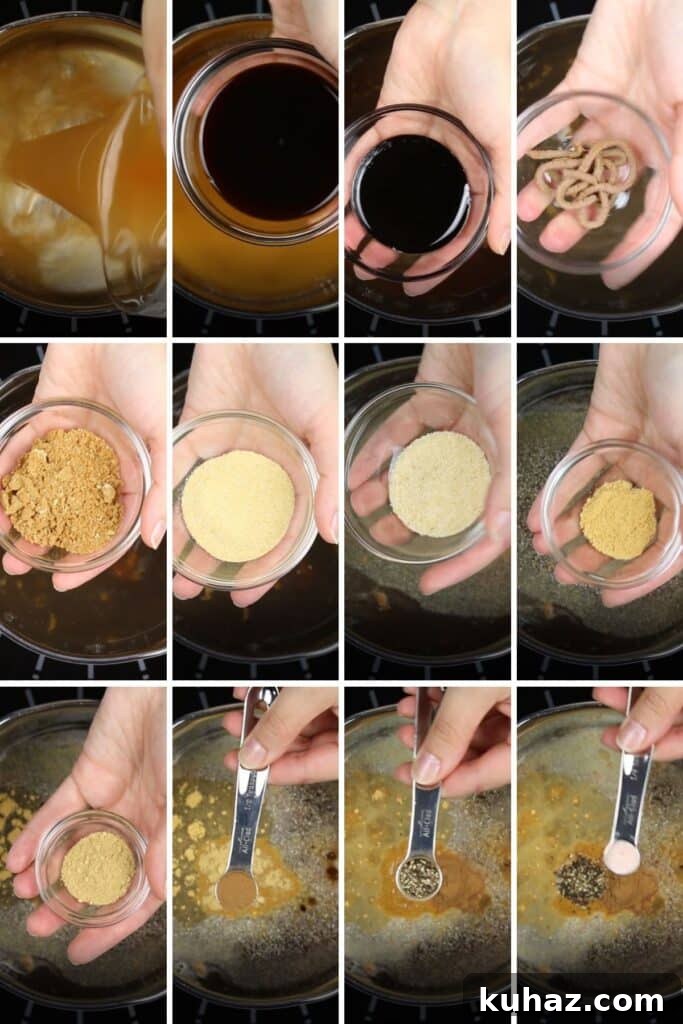
- Apple cider vinegar: Gives the sauce its tangy base and a fuller flavor than plain distilled vinegar.
- Coconut aminos: A soy-free and gluten-free alternative that adds savory depth.
- Molasses: Adds color, richness, and a subtle bittersweet flavor.
- Anchovy paste: Provides the signature umami note found in traditional Worcestershire sauce.
- Coconut sugar: Balances the vinegar with gentle sweetness.
- Garlic powder: Adds warmth and savory flavor.
- Onion powder: Deepens the seasoning blend.
- Ground mustard: Adds sharpness and complexity.
- Ground ginger: Brings a mild, warm spice note.
- Cinnamon: Adds subtle warmth without making the sauce taste sweet.
- Black pepper: Provides mild heat.
- Sea salt: Enhances the overall flavor.
Dietary Substitutions
This Worcestershire sauce is naturally gluten-free, soy-free, grain-free, and paleo-friendly. You can also adjust the sweetener or omit the anchovy paste depending on your dietary needs.
- Whole30 option: Use 2 tablespoons of date paste instead of molasses and omit the coconut sugar.
- GAPS option: Use 2 tablespoons of honey in place of the molasses and coconut sugar.
- Vegan option: Omit the anchovy paste. The flavor will be slightly different, but the sauce will still be tangy and savory.
Step-by-Step Instructions
The printable recipe card below includes the exact measurements and instructions.
For this homemade Worcestershire sauce recipe, you will need apple cider vinegar, coconut aminos, molasses, anchovy paste, coconut sugar, garlic powder, onion powder, ground mustard, ground ginger, cinnamon, black pepper, and sea salt.
Step 1. Simmer the ingredients
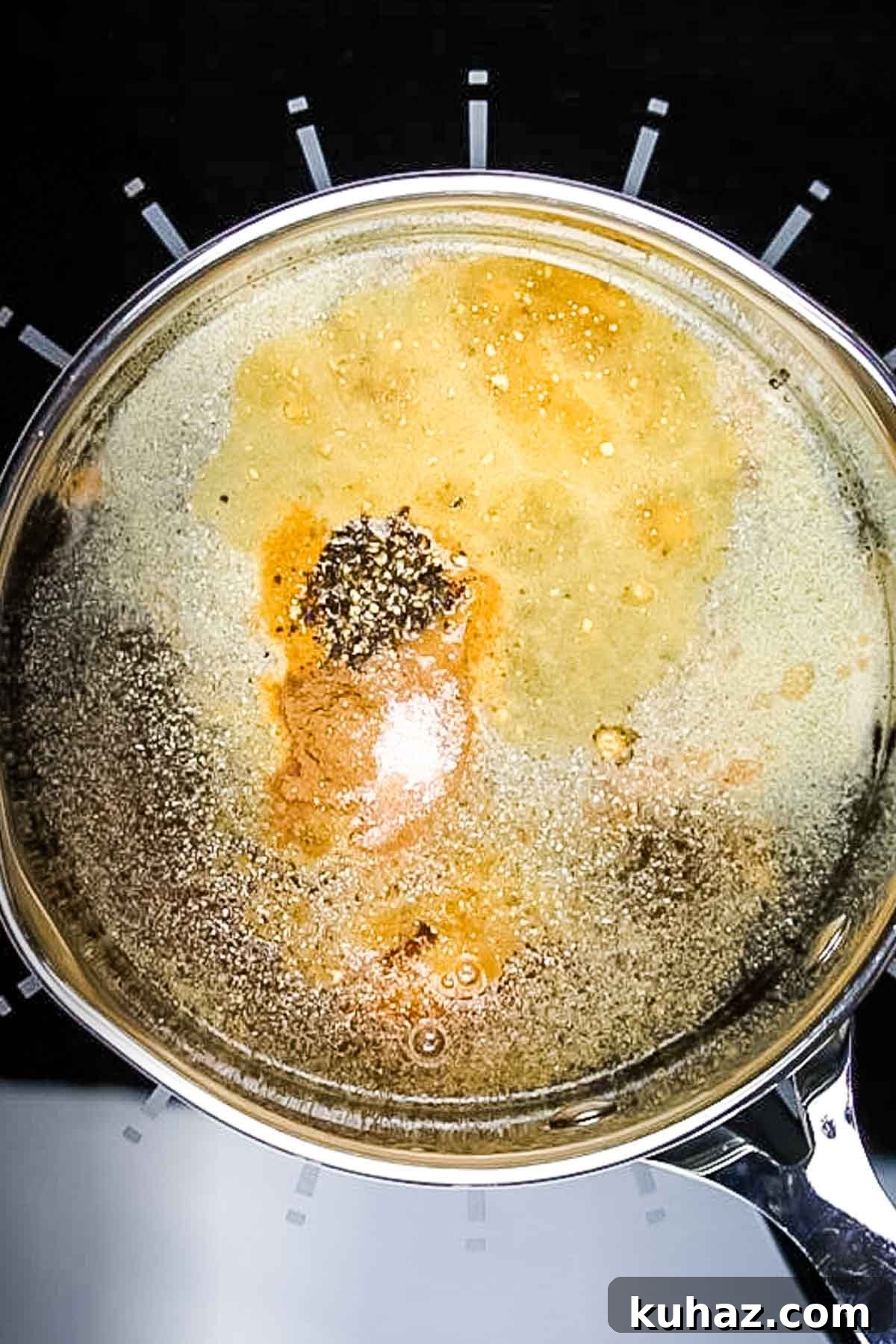
Combine all ingredients in a small to medium saucepan. Bring the mixture to a boil while whisking regularly. Reduce the heat to medium and simmer gently for 15 minutes so the flavors can blend.

Step 2. Transfer and cool
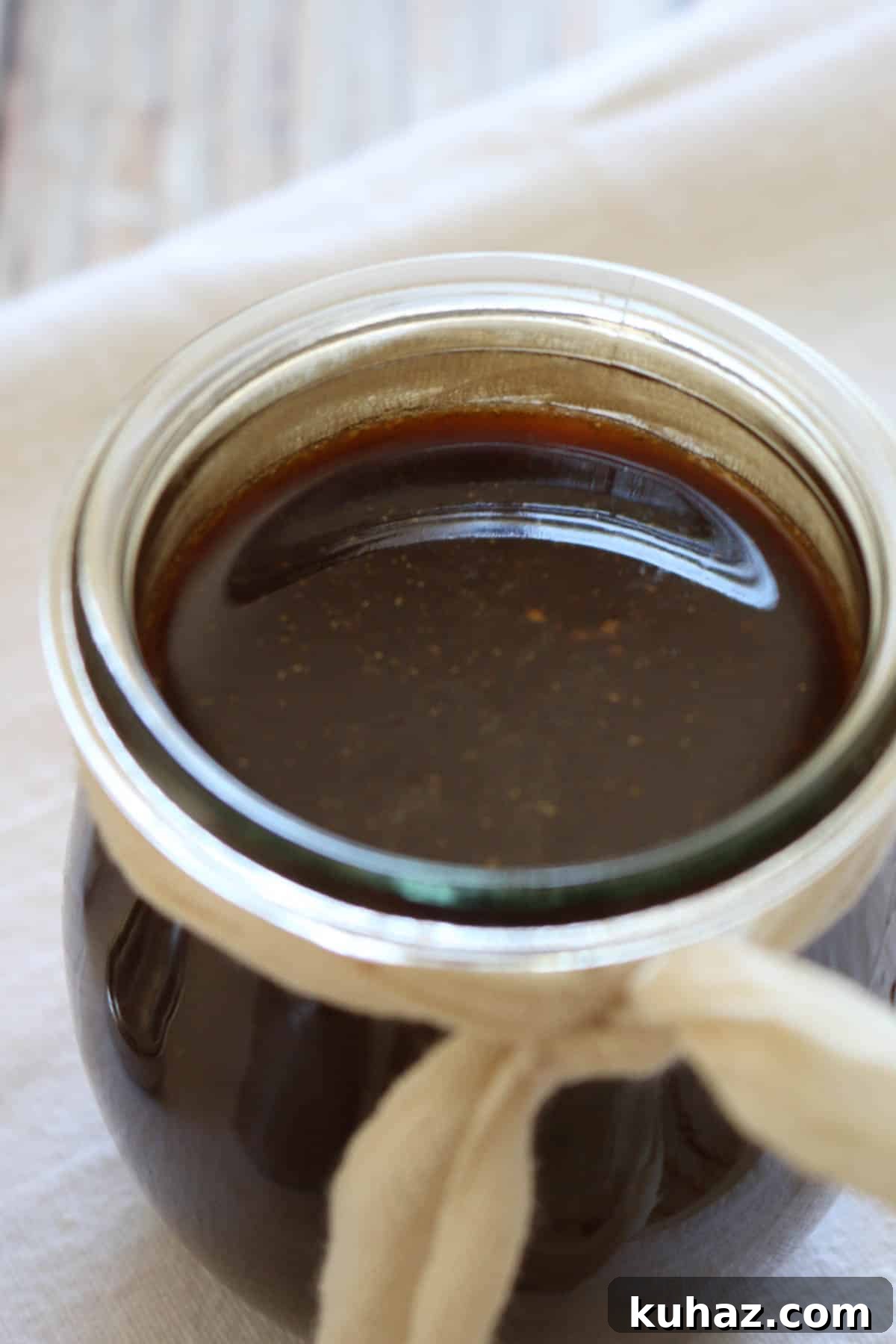
Pour the hot sauce into a clean jar or bottle and let it cool completely. Once cooled, store it in the refrigerator. The sauce will thicken slightly as it chills.
💭 Pro Tip: If you prefer a smoother sauce, strain it before storing. If you do not mind the spices settling at the bottom, leave them in the jar for continued flavor.
The flavor improves after the sauce rests, so it is even better after a day or two in the refrigerator. Shake well before using because the spices may settle naturally.
Helpful Tools
- Cooking tools: small to medium saucepan, whisk, and optional fine mesh strainer.
- Storage: a clean 12-ounce glass jar or glass sauce bottle with a tight lid.
- Tip: A bottle with a pour spout or flip-top cap makes this sauce easier to use in small amounts.
Serving Suggestions
Worcestershire sauce is best used as a flavor enhancer. It does not need to be the main ingredient to make a dish taste better. Just a teaspoon or tablespoon can add balance and depth.
Use it in ground beef recipes, burgers, meatloaf, sloppy joes, shepherd’s pie, roasts, stews, chili, and marinades. It is especially useful when a dish tastes flat and needs acidity, saltiness, and savory flavor all at once.
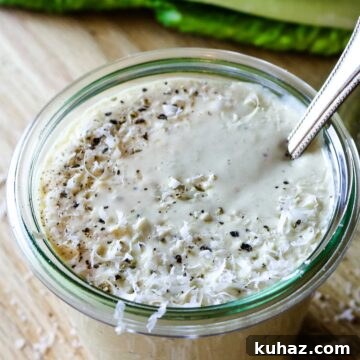
It also works well in salad dressings, especially Caesar-style dressing, and can be added to tomato-based drinks such as a Bloody Mary. For chicken wings, tougher cuts of meat, or grilled meats, mix it into a marinade to help build a richer flavor.
Because this sauce is concentrated, start with a small amount. You can always add more, but a little usually goes a long way.
Storage Instructions
To store: Keep homemade Worcestershire sauce in the refrigerator in a clean glass jar, bottle, or airtight container for up to 1 year.
Before using: Shake well. Natural separation is normal because this recipe does not use gums or artificial thickeners.

FAQs
Some store-bought versions may contain ingredients that are not suitable for a gluten-free diet. This homemade Worcestershire sauce uses coconut aminos instead of soy sauce, making it gluten-free and soy-free.
Traditional Worcestershire sauce usually contains anchovies. In this recipe, anchovy paste is the only non-vegan ingredient. To make a vegan version, omit the anchovy paste, knowing the final flavor will be slightly less savory.
Depending on the recipe, possible substitutes include balsamic vinegar, coconut aminos, fish sauce, oyster sauce, or hoisin sauce. Each substitute has a different flavor, so adjust to taste.
Looking for ways to use Worcestershire sauce? Try it in these dishes:
-
Traditional Shepherd’s Pie Recipe with Lamb
-
Healthy Caesar Salad Dressing Recipe
-
Veggie-Packed Sloppy Joes
-
Spicy Pork Ramen Recipe



Did you make this? Please leave a recipe rating and a review. Thank you! 💚
Printable Recipe

Homemade Worcestershire Sauce Recipe
Anya @ Prepare & Nourish
Equipment
-
Small to medium saucepan
-
Whisk
-
12-ounce glass jar or sauce bottle for storage
Ingredients
- 1 cup apple cider vinegar
- ¼ cup coconut aminos
- 2 tablespoons molasses
- 2 tablespoons coconut sugar
- 2 tablespoons anchovy paste
- 2 teaspoons garlic powder
- 2 teaspoons onion powder
- 1 teaspoon ground mustard seed
- 1 teaspoon ground ginger
- ½ teaspoon cinnamon
- ½ teaspoon black pepper
- ¼ teaspoon sea salt
Instructions
-
Add all ingredients to a medium saucepan. Bring to a boil while whisking regularly. Reduce the heat to medium and simmer gently for 15 minutes.

-
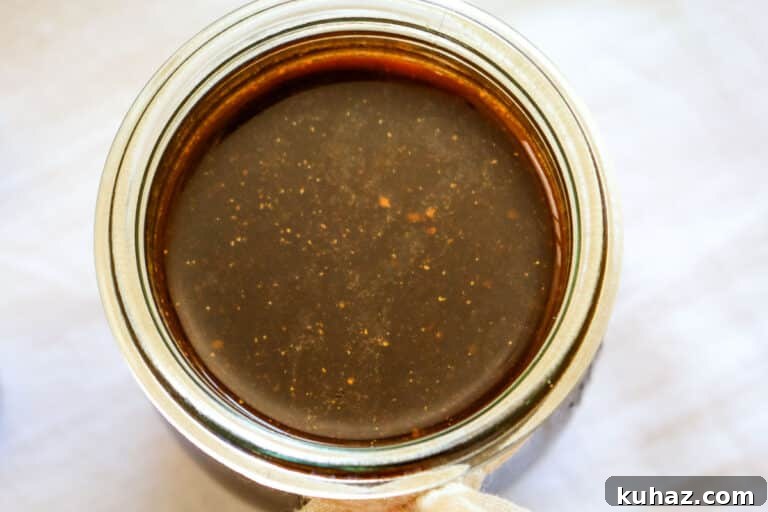
Pour the sauce into a clean bottle or jar and let it cool completely. Transfer to the refrigerator and shake well before each use.

Notes
- For Whole30: use 2 tablespoons of date paste to replace both the molasses and coconut sugar.
- For GAPS: use 2 tablespoons of honey to replace both the molasses and coconut sugar.
- For Vegan: omit the anchovy paste.
- Yield: This recipe makes 12 ounces, about 1 ½ cups, or 24 servings. One serving is 1 tablespoon.
- Refrigerate for up to 12 months. Shake well before using.
Nutrition
| Carbohydrates: 3g
| Protein: 0.5g
| Fat: 0.2g
| Sodium: 133mg
| Sugar: 2g
Nutrition information is an estimate provided for convenience and should not be considered a substitute for professional nutrition advice.
This post was originally published in April 2019 and has been updated with additional helpful information.