
Tips and steps for making the perfect cheese sauce. This guide explains how to make a smooth, creamy cheese sauce, how to prevent grainy cheese sauce, which cheeses melt best, and how to fix common problems if the sauce separates or thickens too much.
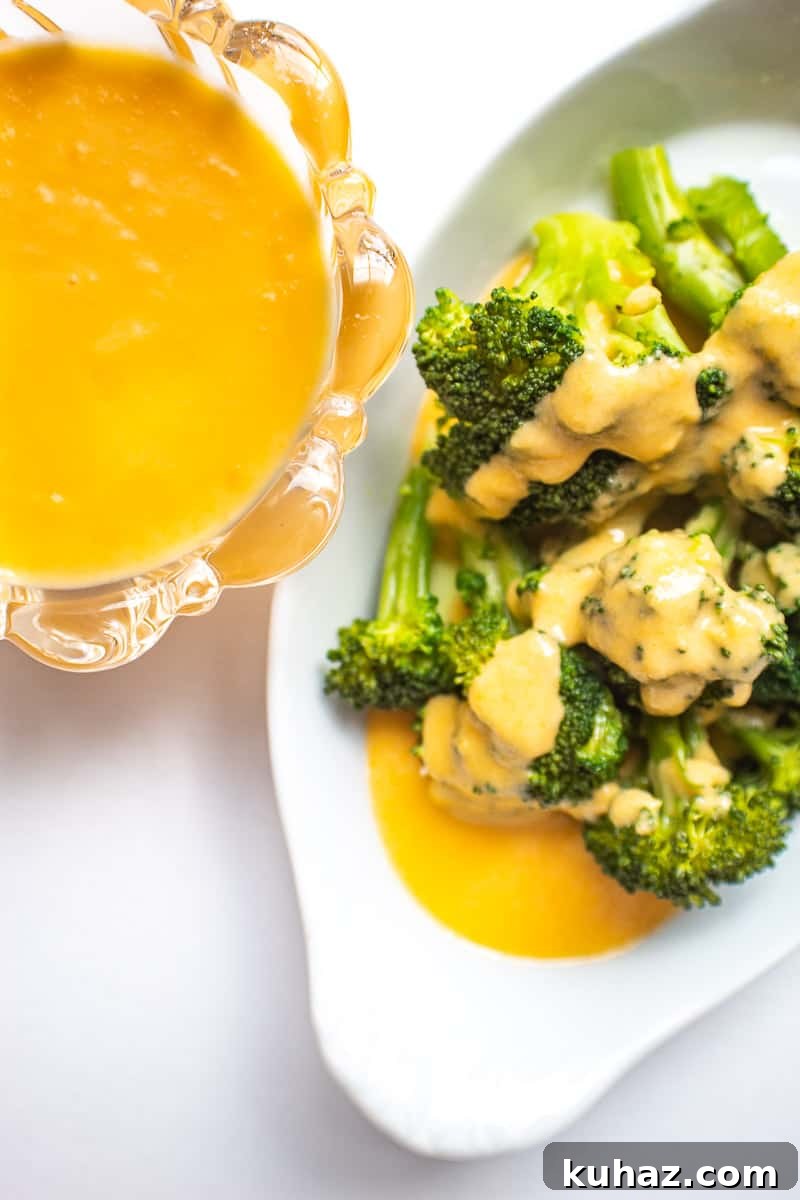
The secret to perfect cheese sauce is simple: use good-quality cheese and cook it low and slow.
Ingredients
- This easy cheese sauce, also known as Mornay sauce, is a cheese version of a flour-based white sauce. It starts with a roux made from butter and flour, then milk and cheese are added to create a rich, creamy texture.
- All-purpose flour helps thicken the sauce and gives it structure.
- Butter combines with the flour to make the roux.
- Milk works best when it is whole milk or 2% milk. Room temperature milk blends more smoothly into the roux.
- Cheddar cheese should be young, mild, or sharp cheddar grated from a block. Freshly grated cheese melts better than pre-shredded cheese.
- Lemon juice or white vinegar is added at the end, off the heat, to help create a smooth finish.
- Seasonings: salt and white pepper are classic, but cayenne pepper or smoked paprika may be used for a bolder flavor.
How to make a silky smooth cheese sauce
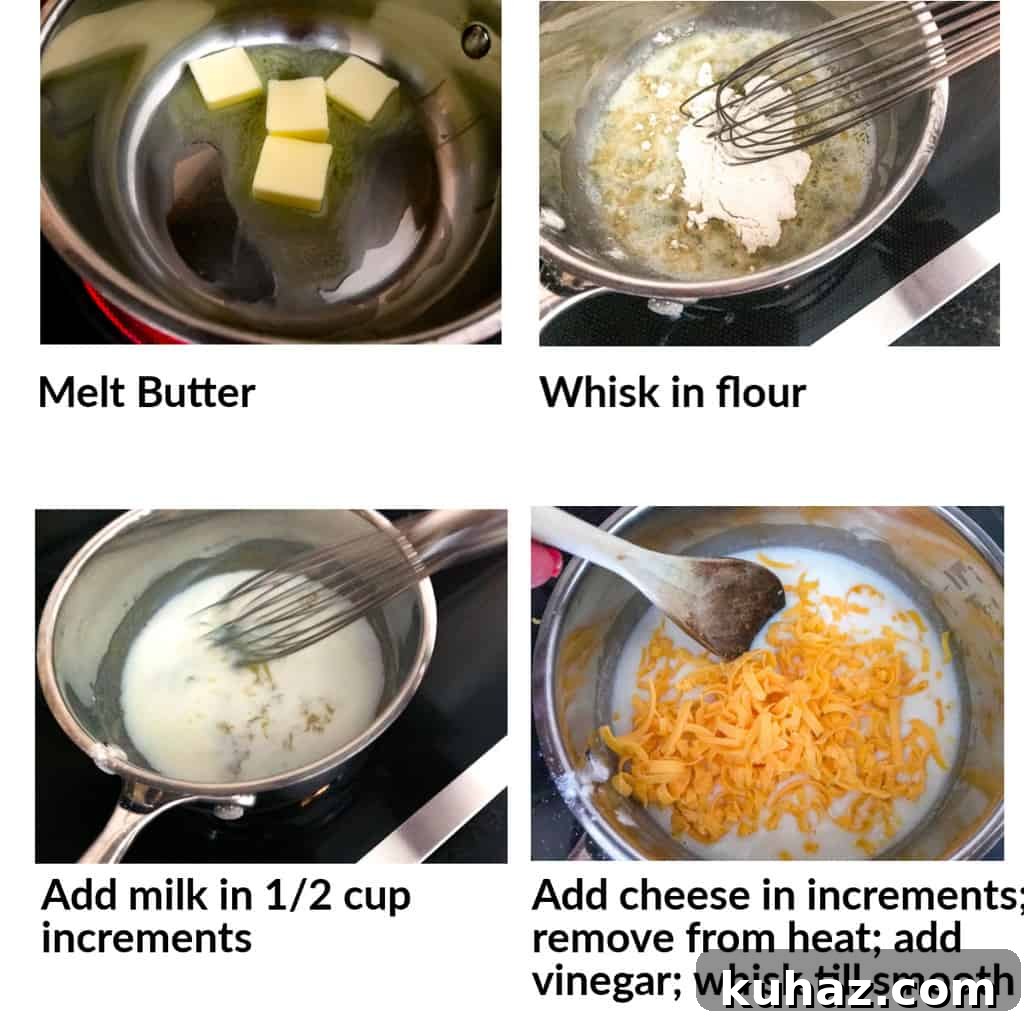
- Place a large saucepan over low heat. Add the butter and let it melt gently without browning.
- Add an equal amount of flour and whisk until the butter and flour form a paste. The mixture may look thick or clumpy at first, but that is normal. Cook the roux on low heat for 2 to 3 minutes to remove the raw flour taste.
- Gradually add room temperature milk in 1/2 cup increments, whisking constantly after each addition. Adding the milk slowly helps prevent lumps and creates a smooth base.
- Once the roux and milk are fully combined, gradually add the shredded cheese a handful at a time. Whisk gently and allow each addition to melt before adding more.
- Keep the heat low throughout the process. High heat can cause the cheese to separate, making the sauce oily or grainy.
- Season to taste with salt and pepper. For a lightly spicy cheese sauce, add a small pinch of cayenne pepper or smoked paprika.
Tips for making perfect cheese sauce
- Use a young cheese because it contains more moisture and melts more easily. Young cheeses are typically aged less than one year and have a softer, more pliable texture.
- Use whole milk cheese, not reduced-fat cheese. Reduced-fat cheeses do not melt as smoothly and can create a stringy or rubbery texture.
- Shred or cube cheese from a block. Pre-shredded cheese often does not melt as well, so freshly grated cheese is the best choice for a creamy cheese sauce.
- Cook over low heat. Gentle heat prevents the dairy from separating and helps the cheese melt evenly.
- Add acid last and off the heat. A small amount of lemon juice or white vinegar can help the sauce stay smooth, but too much acid can make it grainy.
- Do not over stir. Whisk enough to combine the ingredients, but avoid stirring aggressively once the cheese has melted.
- Serve the sauce warm. Cheese sauce thickens as it cools and may begin to clump if it sits too long.
Cheese Sauce FAQ
Grainy cheese sauce is usually caused by heat that is too high, cheese that does not have enough fat, or too much acid. Cheese should always be melted over low heat because boiling liquid can cause it to separate. Low-fat and reduced-fat cheeses are not ideal for this recipe because they do not contain enough fat to melt smoothly. A small amount of lemon juice or vinegar can help the sauce, but adding too much may make the texture gritty.
If your cheese sauce turns gritty or grainy, remove the pan from the heat first. Whisk in a small amount of milk or cream and stir until the sauce begins to smooth out. If that does not solve the problem, let the sauce cool slightly, then add a small amount of lemon juice or vinegar and whisk again while the pan is still off the heat. Always add acid last. Do not add milk or cream and acid at the same time.
Cheese sauce can be thickened by adding more cheese or by using a slurry made with cornstarch or flour. To make a slurry, combine 2 tablespoons of cornstarch or flour with 3/4 cup of water and mix well before adding it to the sauce. If using cornstarch, increase the heat to medium-high because cornstarch thickens at a higher temperature. If using flour, keep the heat low and stir until the sauce reaches the thickness you prefer.
To fix a broken cheese sauce, add 1/4 cup of water to the sauce, raise the heat to medium-high or high, and whisk constantly. The higher heat can help re-emulsify the sauce and bring the texture back together.
Storage and reheating
Store leftover cheese sauce in an airtight container in the refrigerator for up to 3 days. Freezing is not recommended because the texture may change after thawing.
To reheat, use the stovetop or microwave on low heat. The sauce may thicken after refrigeration, so add a small splash of water if needed. Warm it gently in a saucepan over low heat, whisking until smooth. If necessary, raise the heat slightly while whisking to help the sauce come back together.
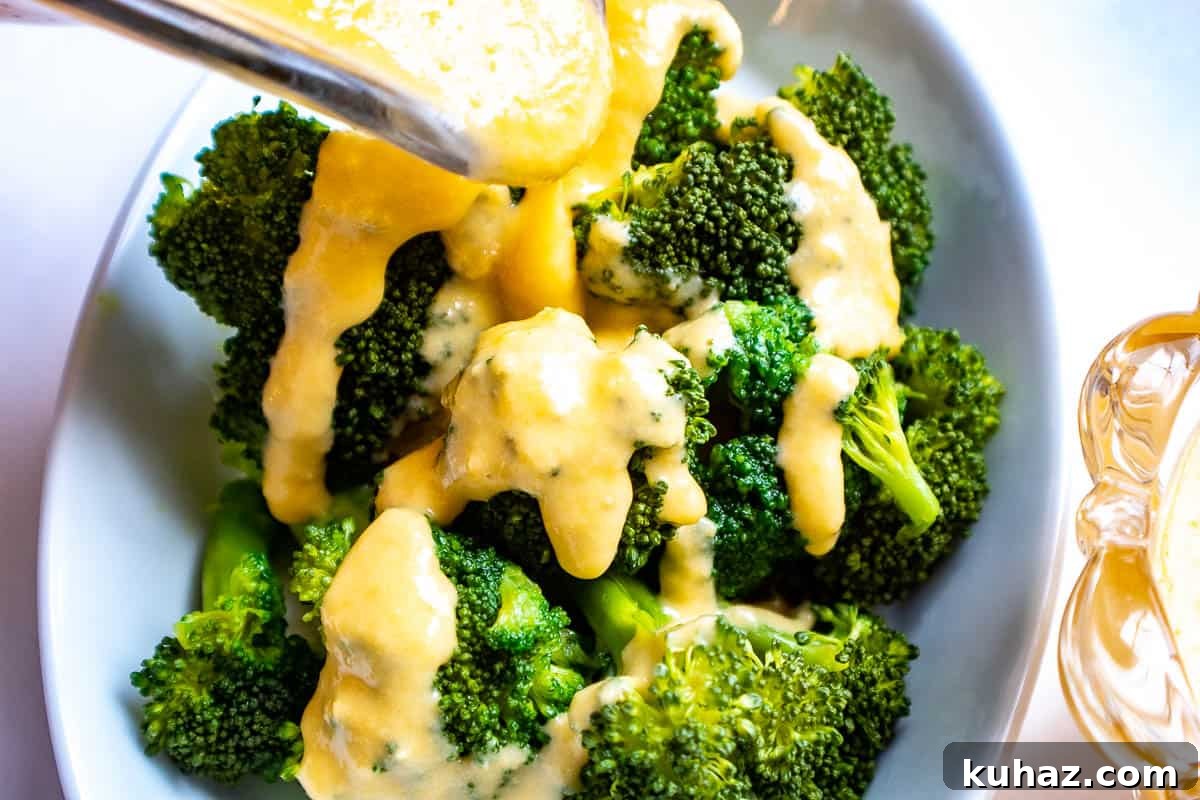
Making perfect cheese sauce is not difficult when you use the right cheese, low heat, and a little patience. This creamy cheese sauce is excellent over broccoli, cauliflower, potatoes, pasta, casseroles, or served warm as a dip.
Related recipes
- Creamy Macaroni and Cheese
- Tex-Mex Sour Cream Sauce
If you make this cheese sauce recipe, leave a comment and rating. It is always helpful to know how it turned out in your kitchen.

Foolproof Perfect Cheese Sauce
Ingredients
- 4 tablespoons butter , salted or unsalted
- ¼ cup all-purpose flour
- 1 cup milk , 2% or whole
- 8 ounces cheese , shredded from a block, preferably a young cheese
- 1 teaspoon white vinegar or lemon juice
- salt and pepper , to taste
Instructions
-
Melt the butter in a saucepan over low heat.
-
Sprinkle in the flour and whisk until a roux forms. Cook for 2 to 3 minutes on low heat.
-
Add room temperature milk in 1/2 cup increments, whisking constantly until smooth.
-
Add the shredded cheese a handful at a time, stirring gently between each addition until melted.
-
Remove the pan from the heat. Add the vinegar or lemon juice and whisk until the sauce is smooth.
-
Taste and season with salt and pepper before serving warm.
Notes
Nutrition Estimate
Calories: 790 kcal
Carbohydrates: 19 g
Protein: 34 g
Fat: 64 g
Sodium: 957 mg