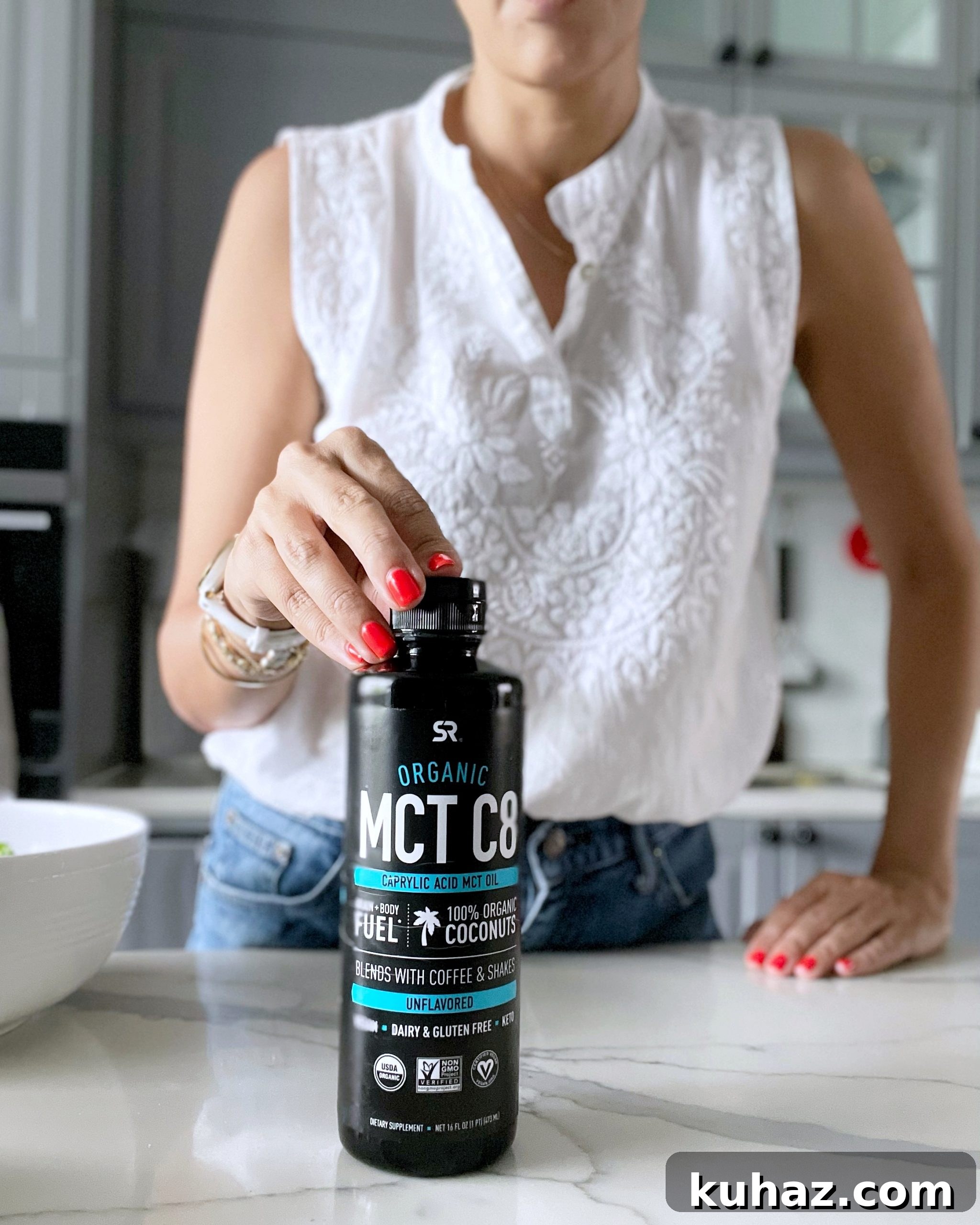
Have you bought MCT or thought about trying it? Are you a little confused about what exactly it is and how to use it? If so, read on!
I often see people mention MCT oil in recipes and wellness posts, yet the basics are rarely explained clearly: what MCT oil is, how it works in the body, the potential benefits, how to choose a product, and sensible ways to use it. Below is a concise, user-friendly overview to help you decide if MCT oil might fit into your routine and how to introduce it safely.
What is MCT oil?
MCT stands for medium-chain triglycerides, a category of fatty acids most commonly derived from coconut oil and palm kernel oil. Chemically, MCTs have shorter carbon chains—typically 6 to 12 carbons—than the long-chain triglycerides (LCTs) found in most dietary fats. The most frequently discussed MCTs in supplements are caprylic acid (C8) and capric acid (C10).
How MCT oil works
Because of their shorter chain length, MCTs are absorbed and metabolized differently than long-chain fats. They are transported directly from the intestine to the liver, where they can be rapidly converted into usable energy or ketones rather than being stored as body fat. This quick conversion is why people report faster energy and improved mental clarity after consuming MCT oil, especially on low-carb or ketogenic eating plans.
Potential benefits
- May support a healthier cholesterol profile — some research suggests modest improvements in HDL and other markers.
- Can modestly boost metabolic rate and energy expenditure compared with longer-chain fats.
- May help reduce appetite by influencing satiety hormones such as peptide YY and leptin, which can help with portion control and reduced calorie intake.
- Could assist with blood sugar regulation in some individuals by supporting insulin function and lowering post-meal glucose spikes.
- Produces ketones that many people find helpful for sustained energy and cognitive focus, especially when carbohydrate intake is low.
- Has mild antimicrobial properties; certain medium-chain fatty acids can inhibit some microbes in the gut environment.
What to look for when buying MCT oil
MCT oil products vary by the types of fatty acids they contain. Common formulations include pure C8 (caprylic acid), pure C10 (capric acid), or blends of C8 and C10. Many users and experts recommend C8 (100% caprylic acid) because it is generally converted to ketones more efficiently and may provide quicker energy. Look for a product that is pure MCT oil (no added fillers), clearly labeled with its C8/C10 composition, and from a reputable manufacturer.
How to use MCT oil
MCT oil is versatile and can be added to many foods and drinks. Popular uses include blending it into coffee or smoothies, stirring a small amount into salad dressings, adding it to homemade energy balls or “bliss” bites, or mixing it into yogurt. A typical starting dose is small—begin with 1 teaspoon to 1 tablespoon per serving and gradually increase as tolerated. Many people find 1–2 tablespoons per day effective, but individual tolerance varies.
Safety, side effects, and tips
- Take it slowly at first. Consuming too much MCT oil at once can cause gastrointestinal discomfort, cramping, or diarrhea. Start with a teaspoon and increase gradually.
- Use with food. Some people find MCT oil easier to tolerate when taken with a meal rather than on an empty stomach.
- Avoid high-heat cooking. MCT oil is best used at low to moderate temperatures or added after cooking; it is not ideal for high-heat frying.
- Talk to your healthcare provider if you have liver disease, severe digestive conditions, or other health concerns before adding concentrated fats to your diet.
In summary, MCT oil is a concentrated source of medium-chain triglycerides that can offer a quick source of energy and support feelings of fullness, mental clarity, and metabolic activity for some people. Choose a product with a clear C8/C10 profile, start with small amounts, and adjust based on how your body responds.