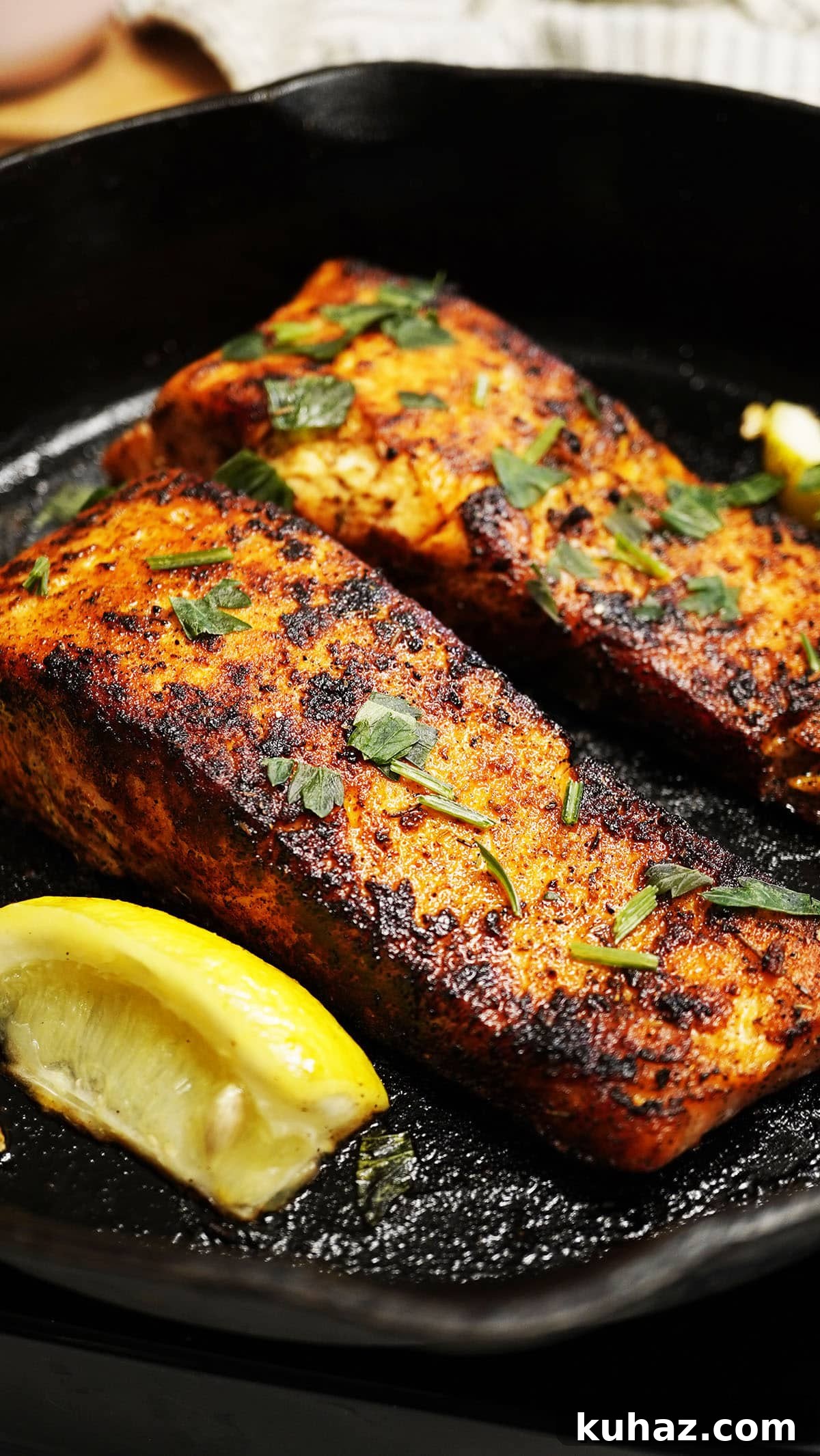
Discover an easy and flavorful Easy Blackened Salmon Recipe that’s quick to prepare and perfect for weeknight dinners or special occasions. This simple method produces a crisp, smoky crust and a tender, moist interior. Packed with nutrients and adaptable to your taste, blackened salmon is a healthy, satisfying choice with minimal prep time.
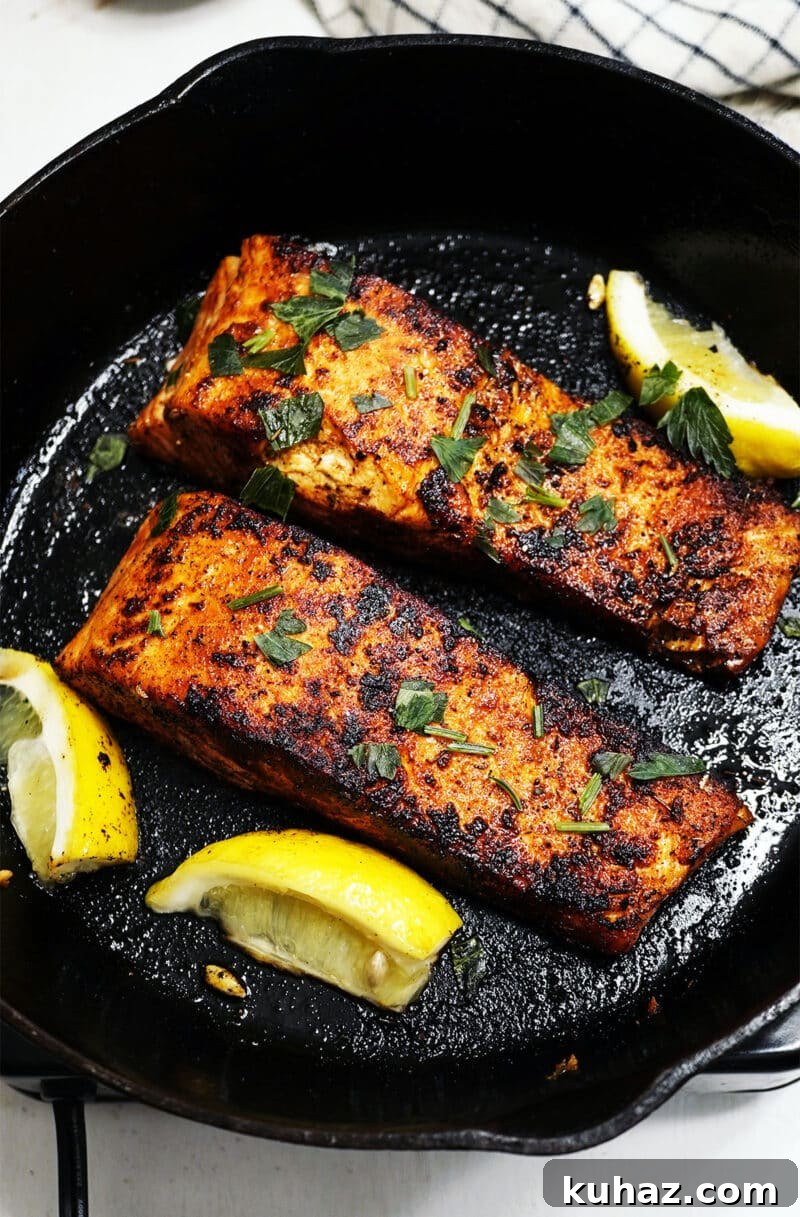
I’ve been focusing on healthier meals lately, and blackened salmon quickly became one of my go-to dishes. The technique uses a bold spice blend that enhances the natural richness of the fish without masking it. The seasoning creates a dark, flavorful crust while preserving the salmon’s tender texture. It’s easy to adjust the heat and seasoning to match your preferences, and leftovers reheat well for lunches or meal prep.
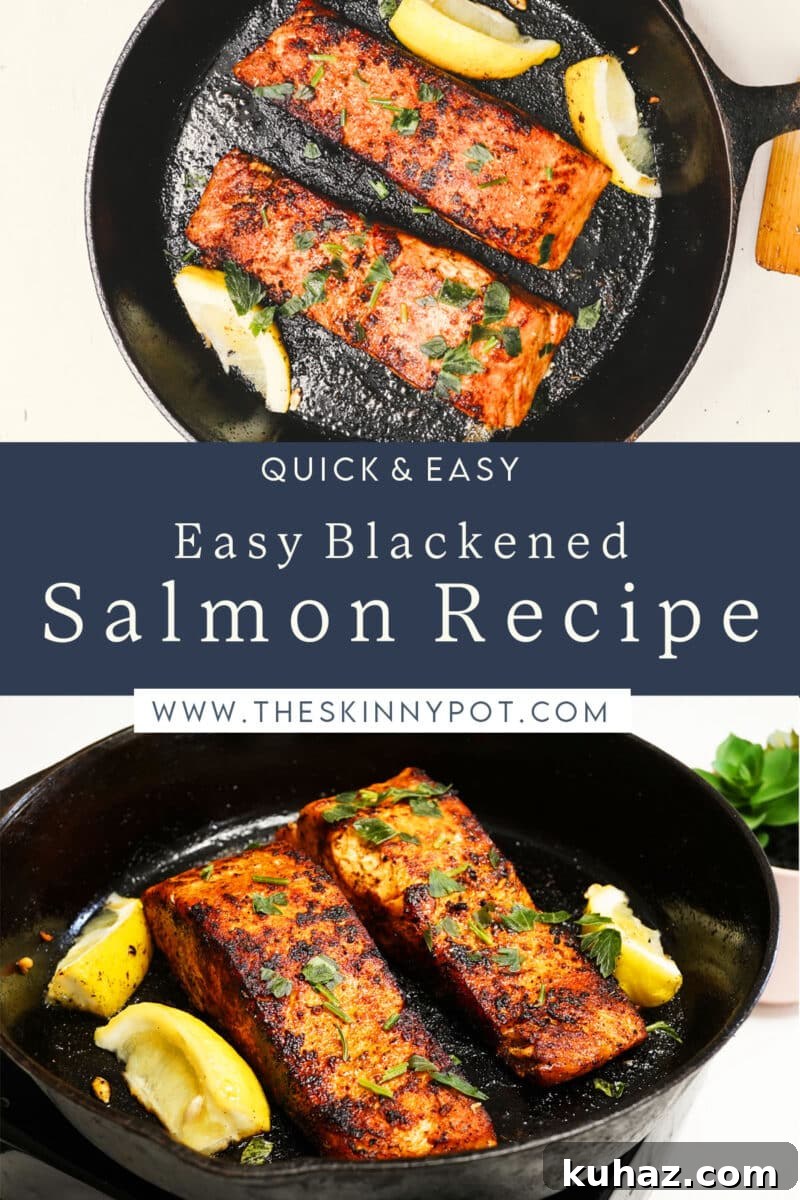
Why I love this recipe
- Simple spice mix made from pantry staples.
- Highly customizable — increase or decrease cayenne for desired heat, or adjust salt and sweetness to taste.
- Great for meal prep: flavors develop overnight, and salmon stays moist when reheated gently.
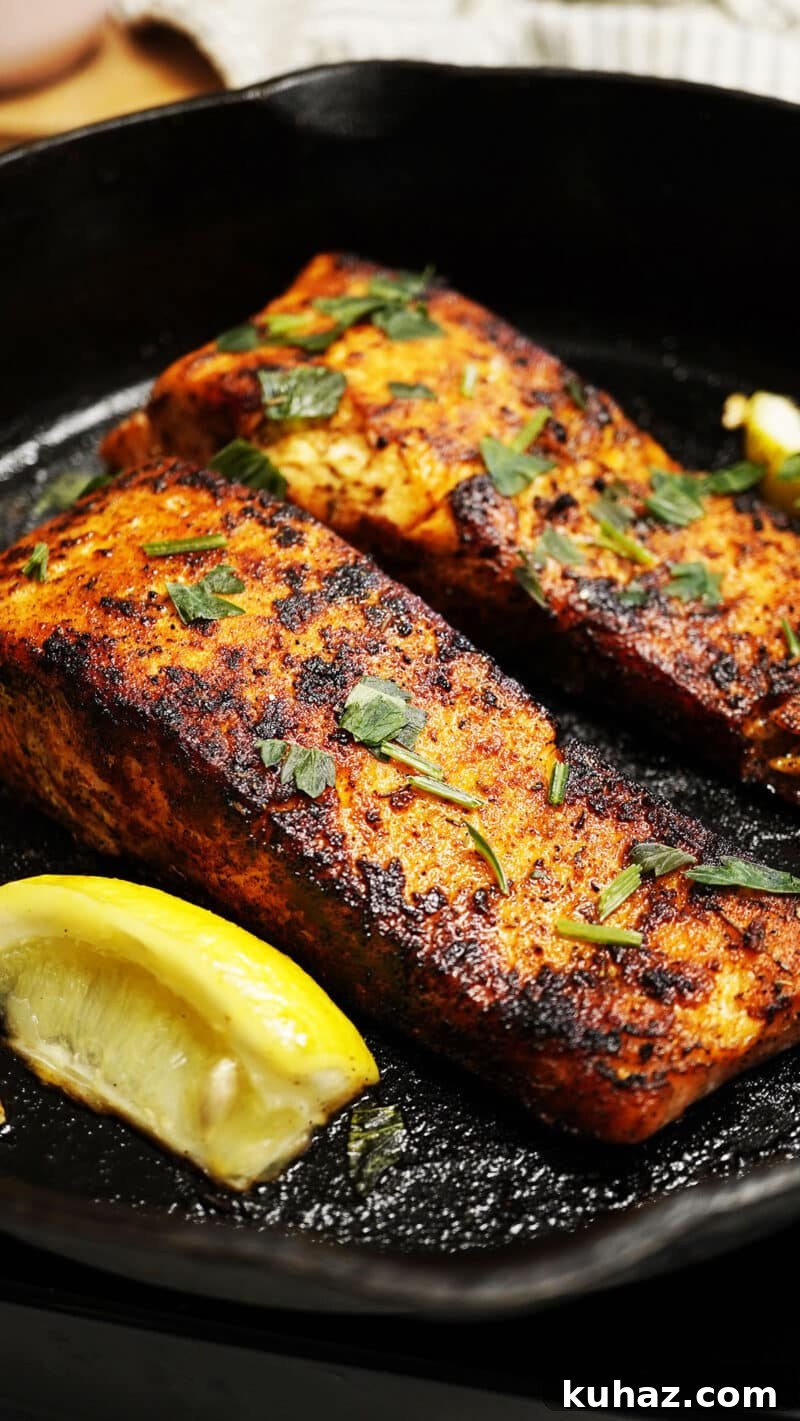
What Do You Use to Blacken Salmon?
To make blackened salmon you only need a few straightforward ingredients:
- Salmon fillets: Fresh, skin-on or skinless as you prefer; skin-on helps hold the fish together while searing.
- Blackened seasoning: A blend of paprika, cayenne, garlic powder, onion powder, dried thyme, dried oregano, salt, and pepper.
- Butter or oil: Use clarified butter (ghee) or a high smoke point oil for searing to get a crisp crust.
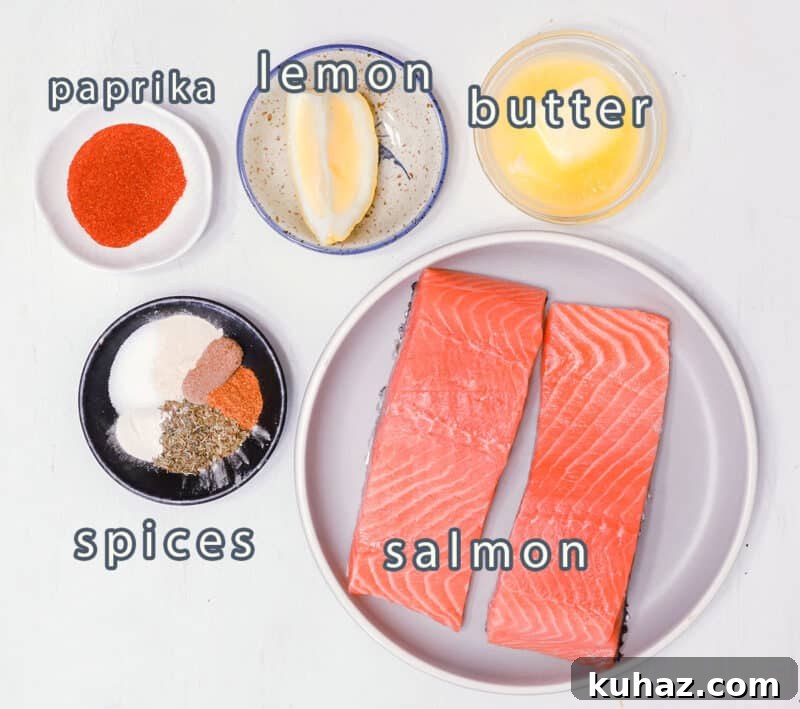
How to Make Blackened Salmon at Home
- Prepare the salmon: Pat fillets dry with paper towels so the seasoning adheres and the surface crisps properly.
- Mix and apply seasoning: Combine the dry spices and press the mix onto the flesh side of each fillet. Lightly brush melted butter over the fish before adding the seasoning for better adhesion and flavor.
- Heat the pan: Preheat a cast-iron or heavy-bottomed skillet over high heat until very hot. A hot pan is essential to form a dark crust quickly without overcooking.
- Sear the salmon: Place the fillets flesh-side down and cook undisturbed for 3–4 minutes to develop the blackened crust. Flip carefully and cook an additional 3–5 minutes depending on thickness, until the internal temperature reaches 145°F or the flesh flakes easily.
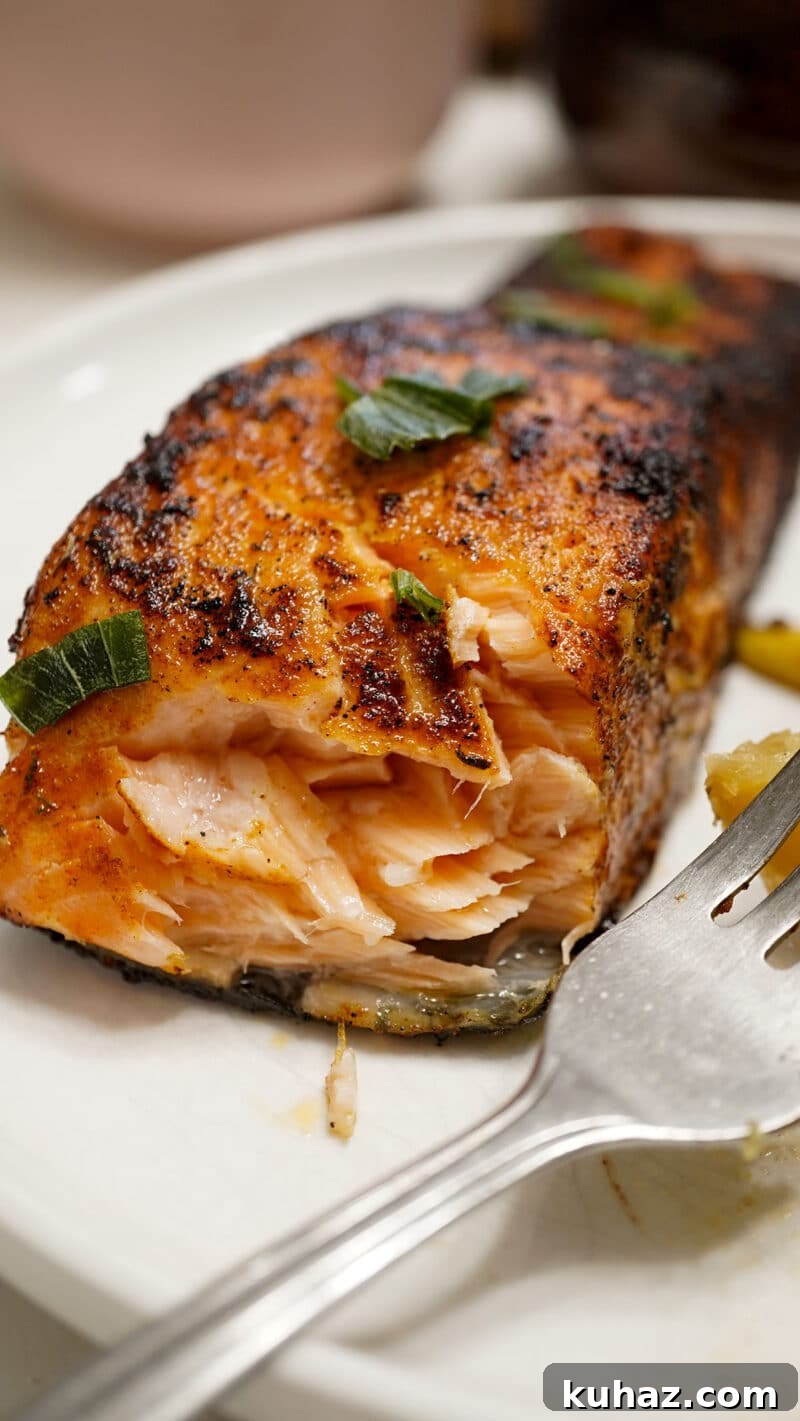
- Rest and serve: Let the salmon rest a minute in the pan off the heat, then serve with lemon wedges and your choice of sides such as greens, rice, or roasted vegetables.
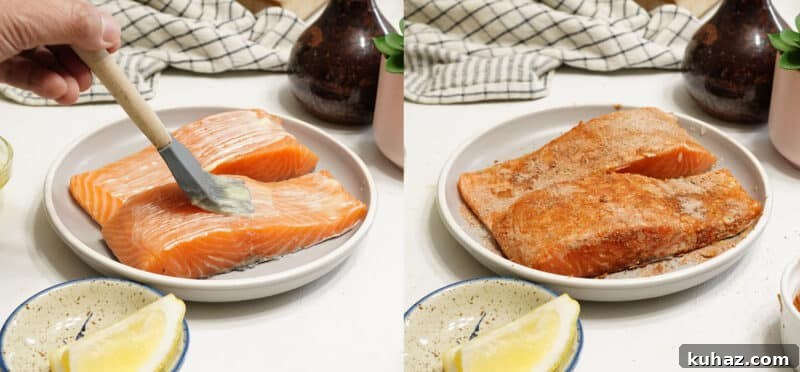
Tips for Perfect Blackened Salmon
- Avoid overcrowding the pan — cook in batches if needed to maintain high heat and consistent searing.
- Use a meat thermometer to confirm an internal temperature of 145°F at the thickest part for safe, flaky salmon.
- Adjust the cayenne to match your heat tolerance; start with 1/2 teaspoon and add more if you like it spicy.
- Dry the fish well before seasoning to improve crust formation.
- Sear undisturbed for a few minutes to let the crust form, then flip carefully with a wide spatula for even cooking.
- Turn off the heat and allow the salmon to rest in the skillet for a minute before plating to let juices redistribute.
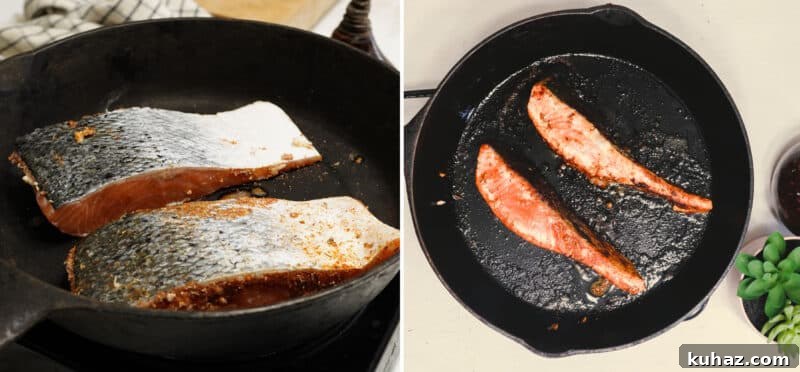
Variations and Additions to Enhance the Dish
Try mixing a touch of honey or Dijon mustard into the melted butter before applying it to the fish for a sweet-tangy note. Serve blackened salmon over rice, quinoa, or a bed of sautéed spinach. A fresh herb garnish or a yogurt-based sauce can add brightness and balance the spice.
Is Salmon Better Grilled or Blackened?
Both methods produce excellent results but differ in texture and flavor. Grilling imparts a smoky char and can yield firmer flakes, while blackening creates an intensely seasoned, crispy crust with a slightly smoky, charred flavor from high heat. Choose grilled salmon for a lighter, smoky taste and blackened salmon when you want bold spice and texture.
FAQs
What is the difference between blackened and grilled salmon?
Blackened salmon is seared at high heat with a spice crust, producing a pronounced, spicy crust. Grilling relies on open flame or smoke for a milder, smoky flavor.
Can I blacken other types of fish?
Yes — firm white fish like red snapper, trout, and tilapia also work well with blackening seasoning and technique.
How spicy is blackened salmon?
Spiciness depends on the cayenne in the seasoning; you can easily reduce or increase it to suit your taste.
Do I need a cast-iron skillet?
A cast-iron skillet is ideal because it holds high heat well, but any heavy-bottomed pan that can get very hot will work.
Easy Blackened Salmon
Prep time: 5 mins • Cook time: 15 mins • Serves: 2
Equipment
- 1 spatula
- 1 9-inch cast-iron or heavy skillet
- 1 plate
Ingredients
- 2 salmon fillets
- Blackened seasoning: 1 tbsp paprika, 1 tsp onion powder, 1 tsp garlic powder, 1/2 tsp cayenne pepper, 1/2 tsp dried thyme, 1/2 tsp dried oregano, 1 tsp salt, 1 tsp sugar
- 2 1/2 tbsp unsalted butter, melted (or clarified butter)
- 1 lemon, cut into wedges
- Fresh thyme for garnish (optional)
Instructions
- Pat the salmon fillets dry and place flesh-side up on a plate.
- Combine the blackened seasoning ingredients in a bowl.
- Brush the flesh side of each fillet with melted butter, then sprinkle and gently press the seasoning to adhere.
- Heat a large cast-iron pan until very hot. You can test by flicking a drop of water — it should sizzle and evaporate quickly.
- Place salmon flesh-side down and cook undisturbed for 3 minutes, or until a dark crust forms. Carefully flip and cook skin-side for about 5 minutes, depending on thickness.
- Continue cooking on medium heat until cooked through, about 7–8 minutes total depending on thickness. Turn gently as needed to brown evenly.
- Remove from heat, squeeze lemon over the top, and let rest briefly before serving. Garnish with fresh thyme if desired.