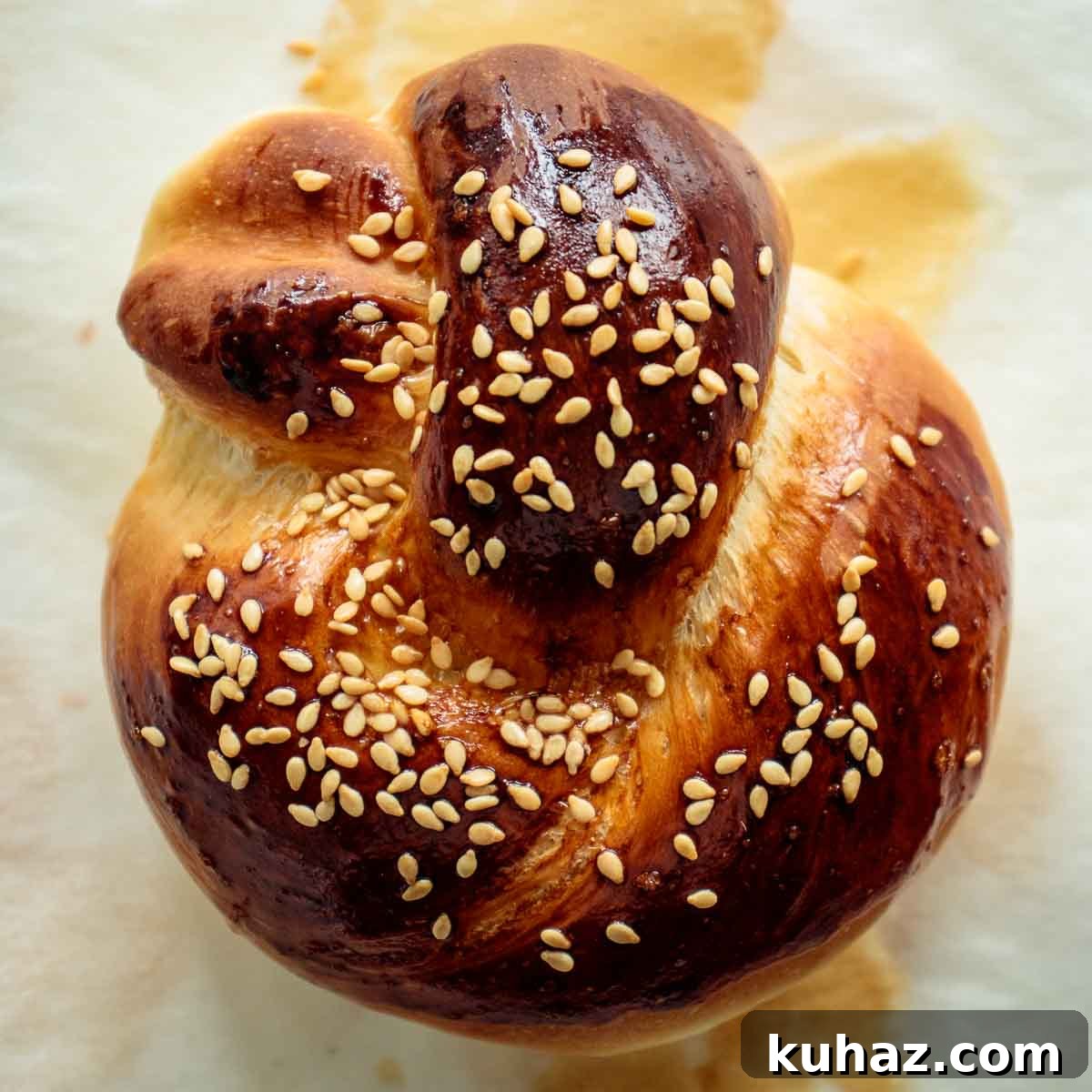
These Challah Rolls are soft, fluffy, dairy-free, and full of flavor. Shaped into beautiful knotted buns, brushed with egg wash, baked until golden brown, and finished with sesame seeds, they are perfect for weekday sandwiches, holiday meals, Shabbat, family dinners, and gatherings.
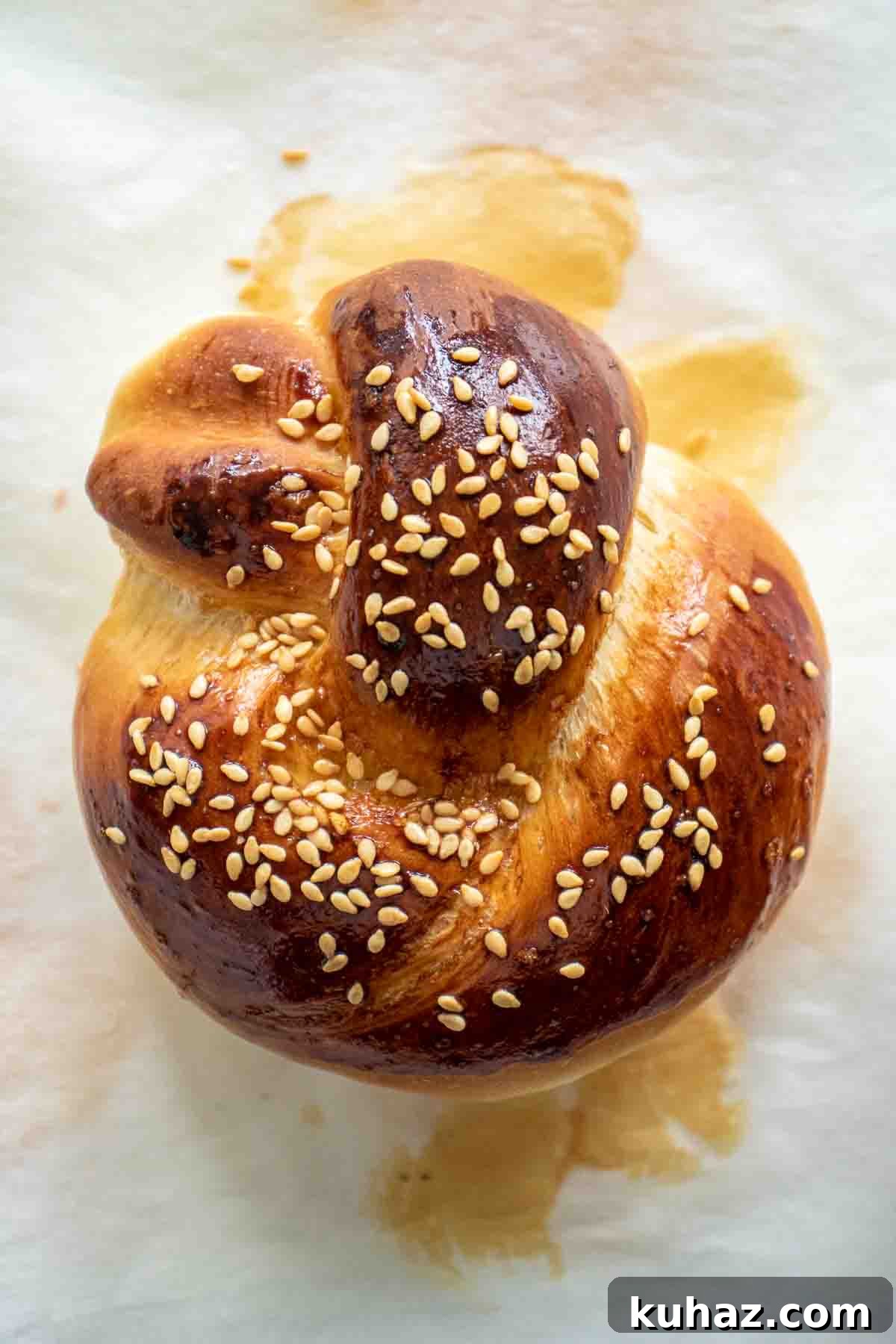
If you enjoy baking homemade bread, this challah rolls recipe is a wonderful one to keep in your collection. The dough is enriched with eggs and oil, giving the buns a tender texture and a slightly sweet flavor without using any dairy. They are delicious served warm, sliced for sandwiches, or placed in a bread basket alongside dinner.
These challah buns are easy to make with basic pantry ingredients, and the shaping process is simple once you understand the steps. Below, you’ll find ingredient notes, shaping guidance, baker’s schedule ideas, storage tips, and a complete recipe card.
🥐What’s a challah?
Challah is a traditional Jewish yeast bread often associated with religious meals and celebrations. It is an enriched bread, meaning the dough includes ingredients such as eggs and fat for extra softness and flavor.
Challah is sometimes compared to brioche because both breads are tender, rich, and beautifully golden. The main difference is that brioche usually contains butter and milk, while challah is typically made with oil instead of butter and does not contain dairy. This makes challah rolls a great option when you want a soft homemade bread that is naturally dairy-free.
🥖Why make these mini buns
- They are beautiful enough for holidays and special meals, but simple enough for everyday baking.
- They make excellent mini sandwich rolls because the crumb is soft, sturdy, and easy to slice.
- The recipe is dairy-free, making it useful for meals where butter or milk is not wanted.
- The ingredients are common pantry staples and easy to find in most grocery stores.
- The dough can be made the same day or refrigerated overnight after the first rise.
These challah rolls are especially useful when you want individual portions instead of one large braided loaf. They bake quickly, look impressive on the table, and are easy to serve.
📃Ingredients and substitutions
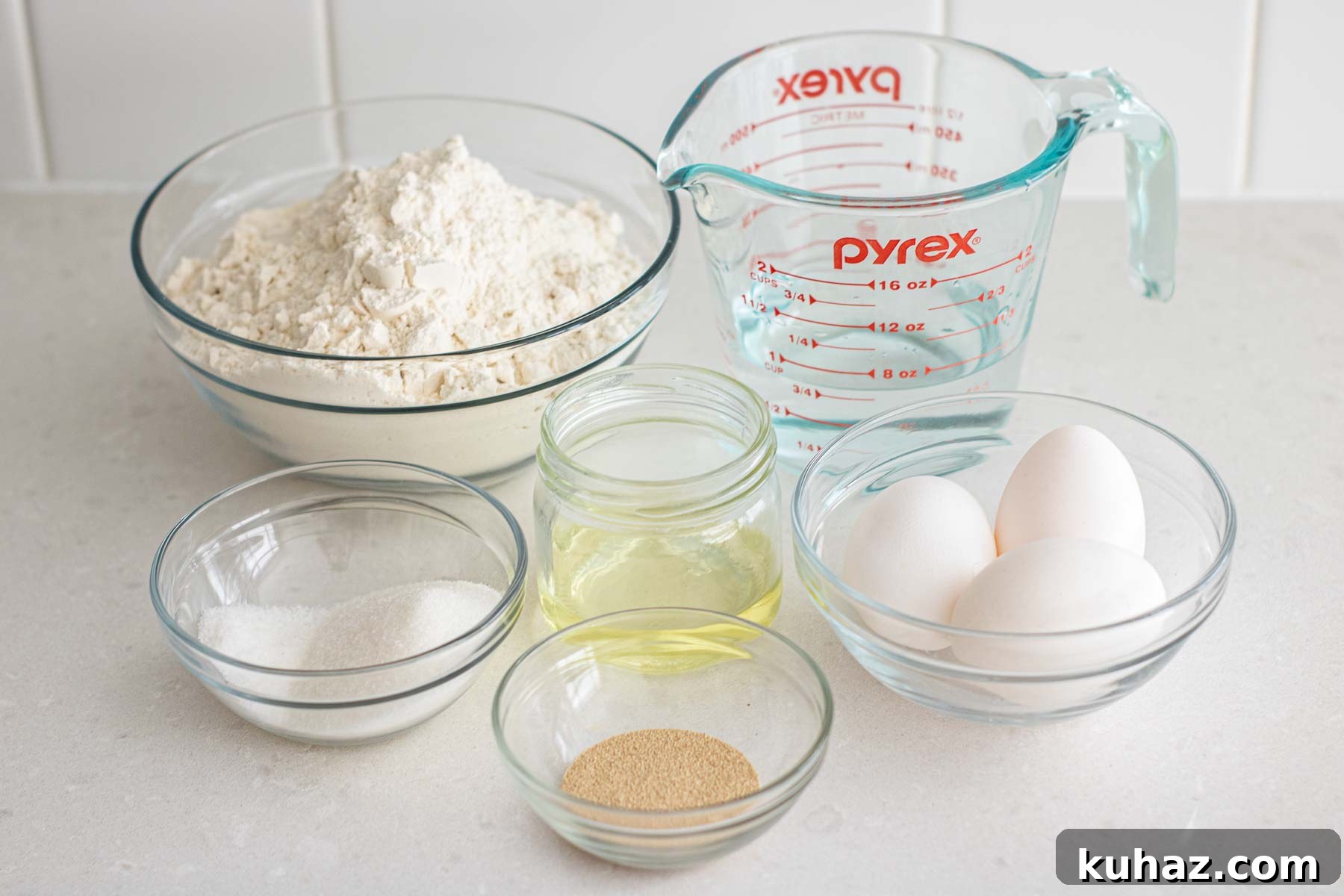
These challah rolls have a gentle sweetness, but they are not dessert bread. The flavor is balanced, making them suitable for both savory and lightly sweet fillings.
Flour. All-purpose flour gives these rolls a soft, fluffy texture. Bread flour can also be used if preferred, though the rolls may have a slightly chewier crumb.
If you want to add whole wheat flour, replace no more than half of the white flour with whole wheat flour. Whole wheat flour absorbs more liquid and can make the dough drier, so for every cup, or 130 g, of whole wheat flour used, add 4 extra teaspoons of water.
Salt. Kosher salt or fine sea salt both work well. Salt balances the sweetness and strengthens the flavor of the bread.
Sugar. Granulated sugar or caster sugar can be used. Honey or brown sugar may also be used as a substitute. Brown sugar will add a mild caramel-like flavor.
Oil. Canola oil, vegetable oil, coconut oil, or olive oil can be used. If you do not need the rolls to be dairy-free, butter can replace the oil.
Eggs. Eggs enrich the dough and help create the soft texture and golden color associated with challah.
Water. Use room-temperature or lukewarm water. Avoid hot water, as it can damage the yeast.
Sesame seeds for topping. Sesame seeds are optional. Both white and black sesame seeds work well.
See the recipe card for full ingredient amounts and instructions.
🥣How to make the dough
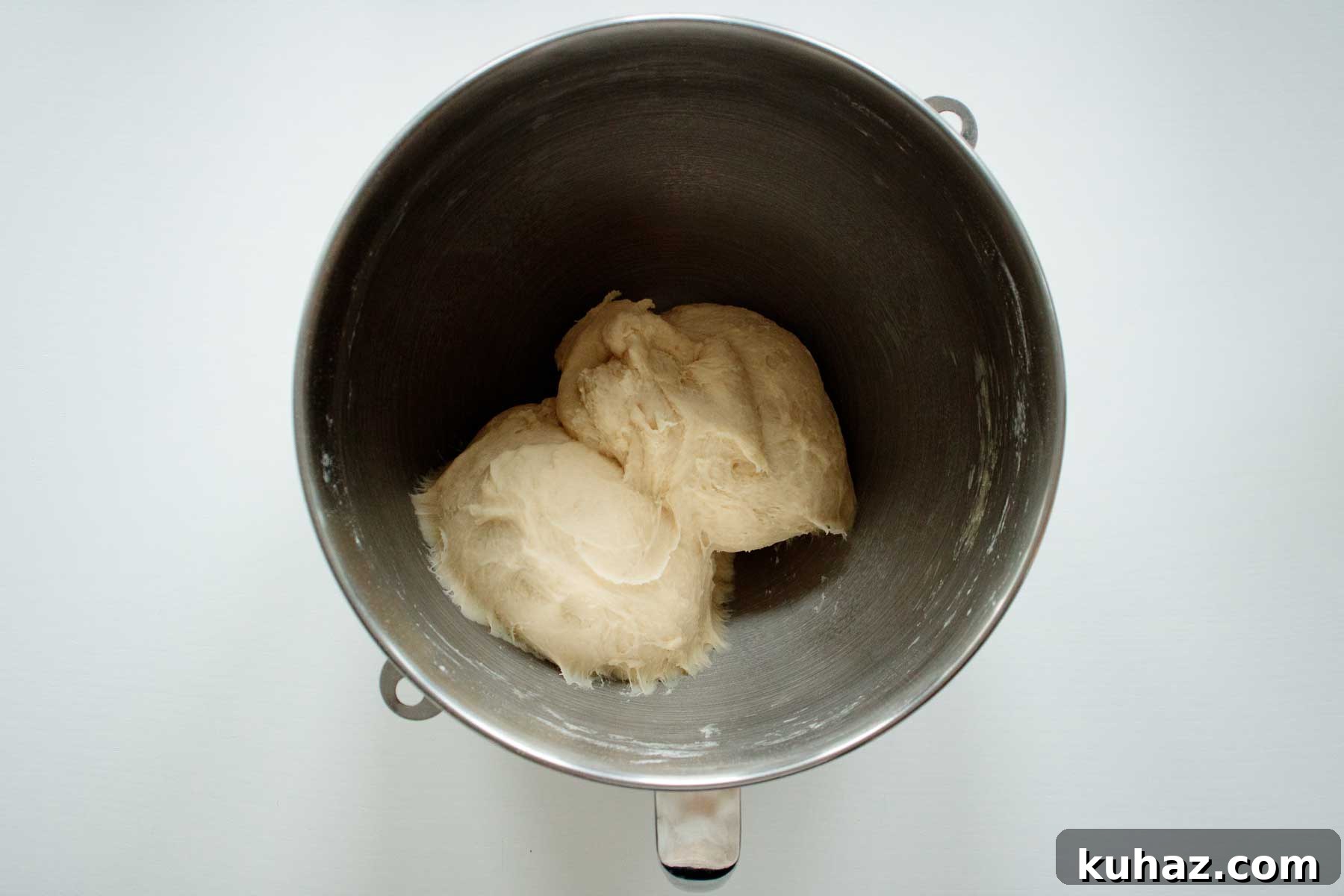
Step 01. Combine the dry ingredients, eggs, water, and oil. Knead the dough with a stand mixer or by hand until it becomes smooth and elastic.
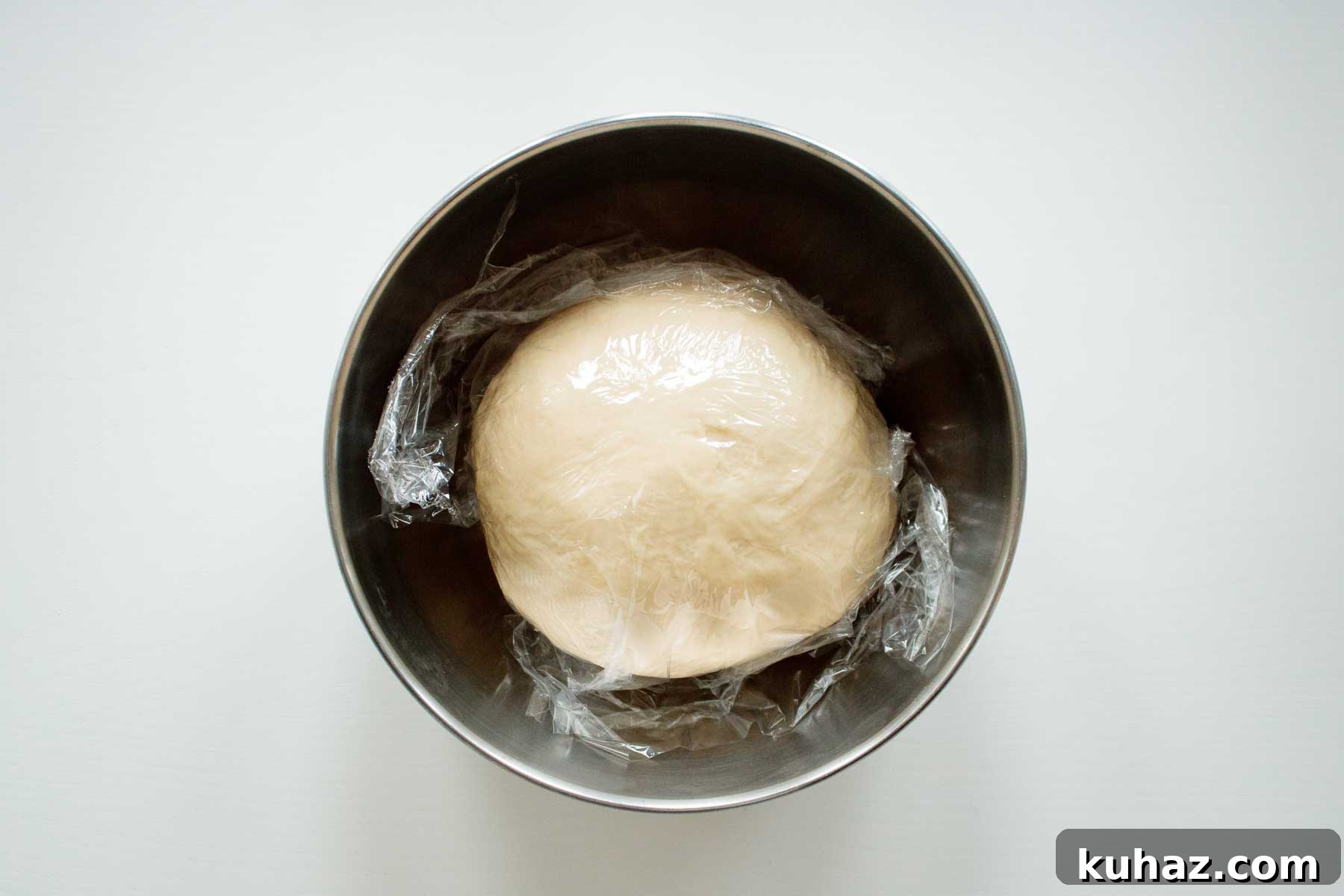
Step 02. Place the dough in an oiled bowl, cover it, and let it rise for 1 hour 30 minutes to 2 hours, or until doubled in size.
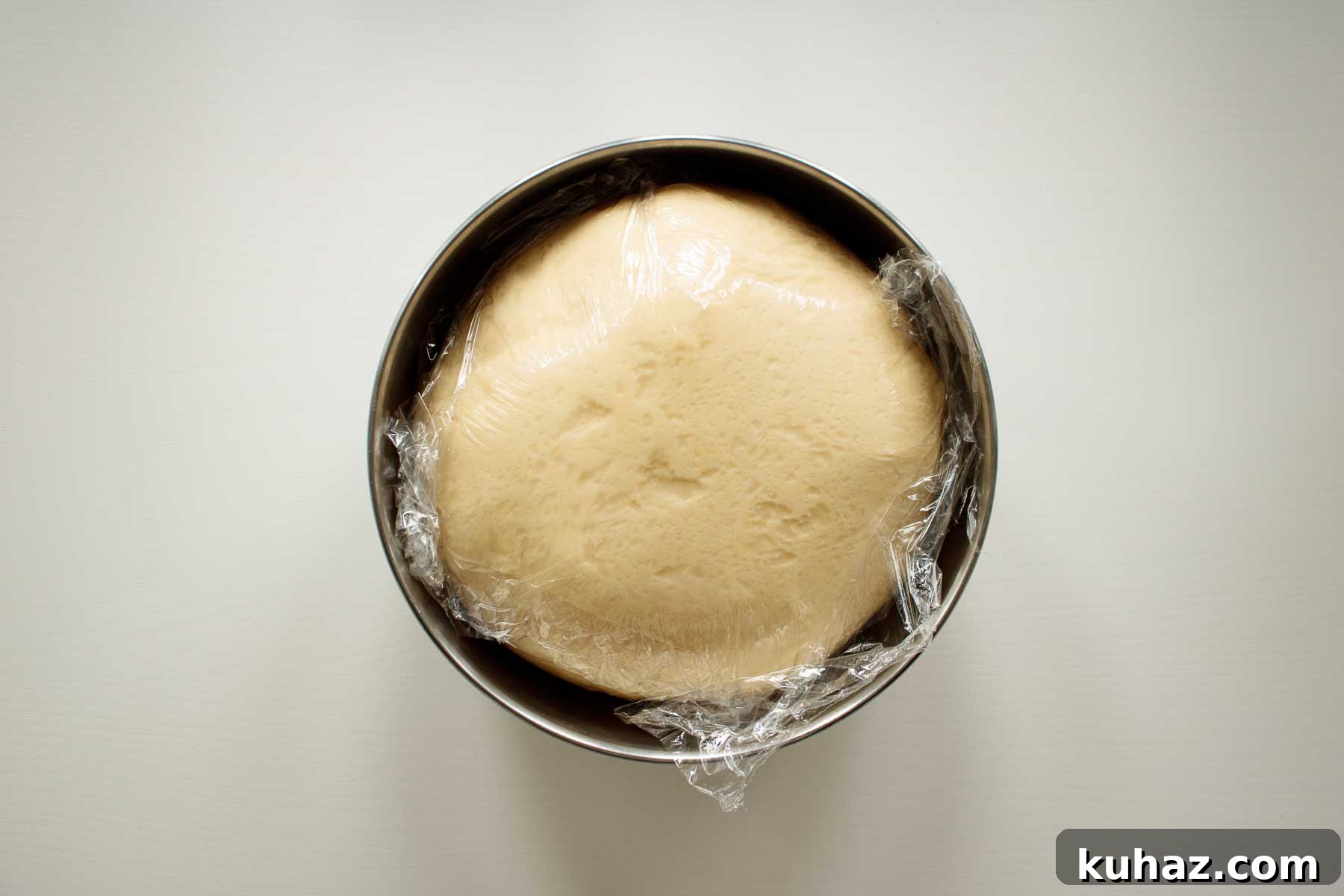
Step 03. When properly risen, the dough should look airy and doubled. It will be easier to shape after this first proof.
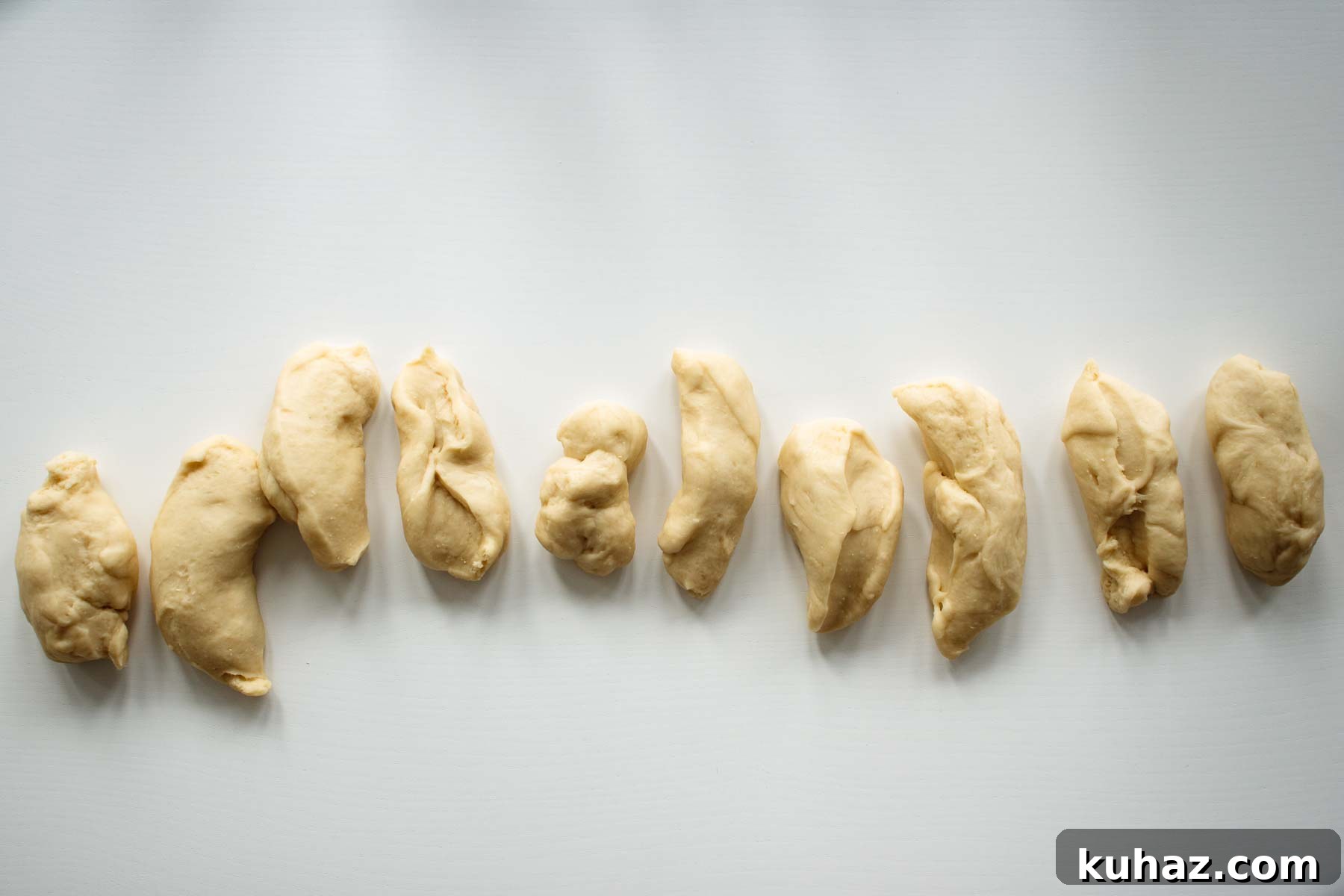
Step 04. Divide the dough into 8 to 10 equal pieces. Let the pieces rest for 5 minutes so the gluten relaxes and the dough becomes easier to shape.
You can let the dough rise overnight. After the first rise, once the dough has doubled, cover it with plastic wrap and refrigerate it. The next morning, let the dough sit at room temperature for 5 to 10 minutes, then continue with shaping.
🥐How to shape the rolls
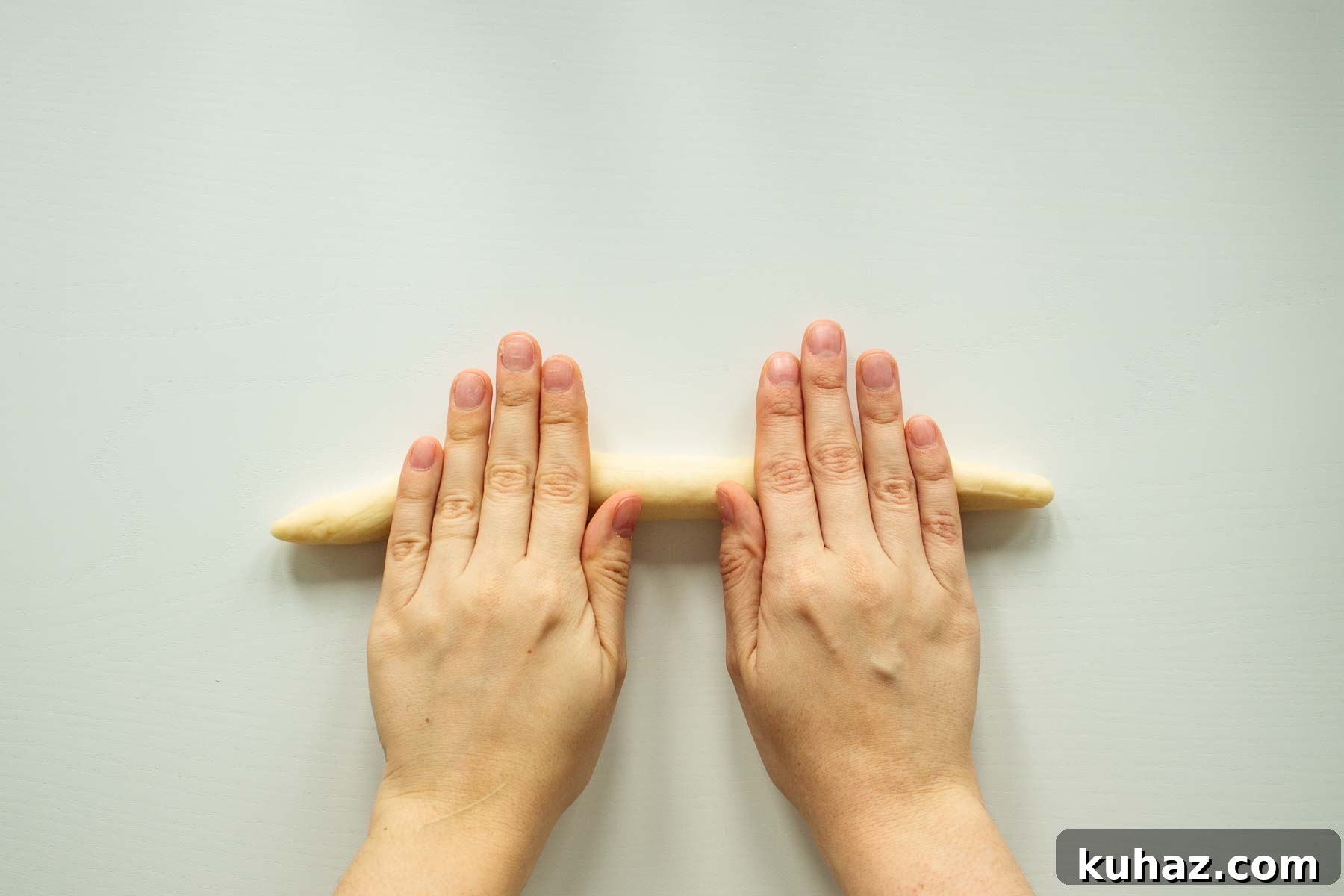
Step 05. Roll each piece of dough into a long rope. Try to keep the thickness even from one end to the other.
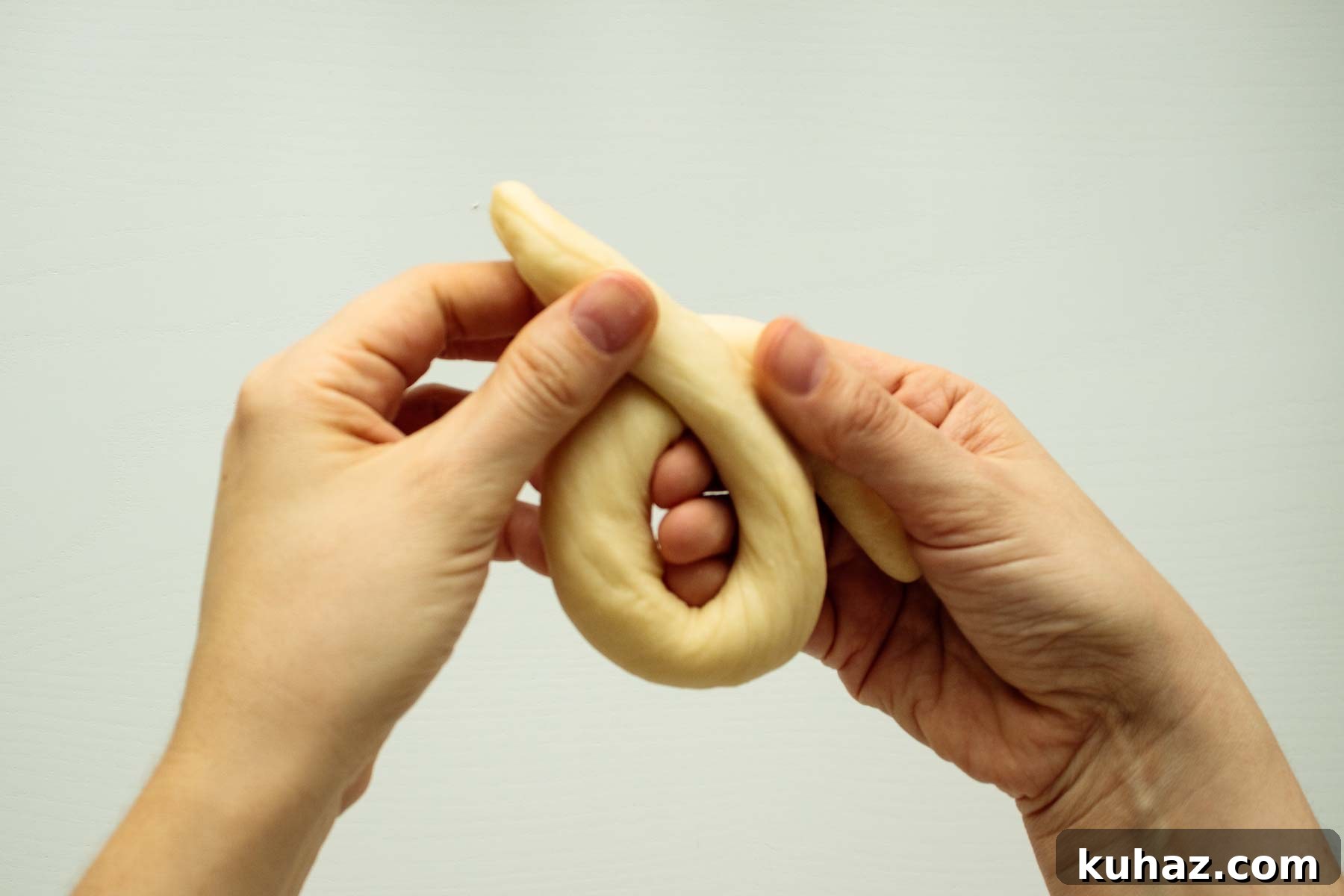
Step 06. Begin forming a knot with the rope of dough.
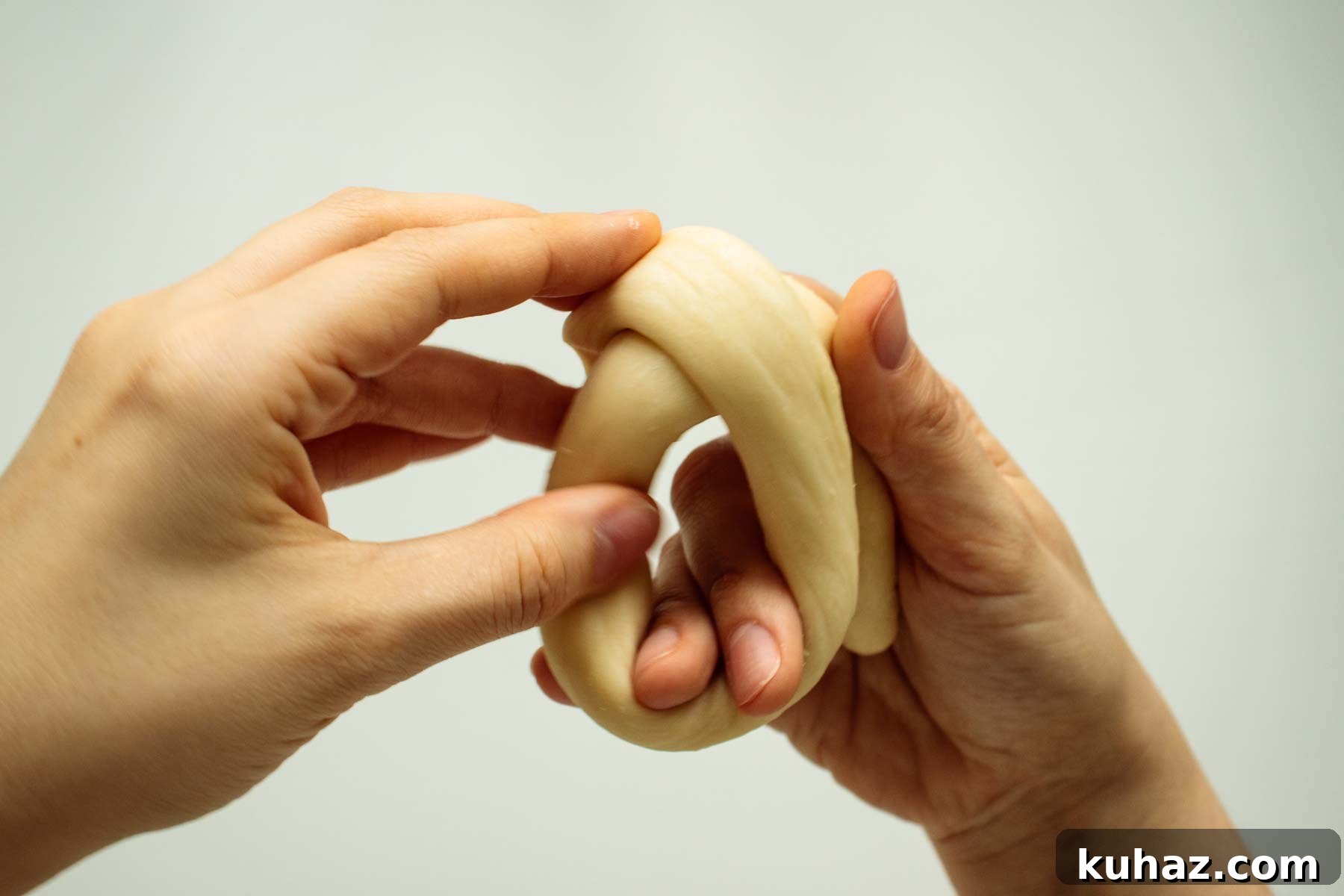
Step 07. Twist the dough around to create the rounded knotted shape.
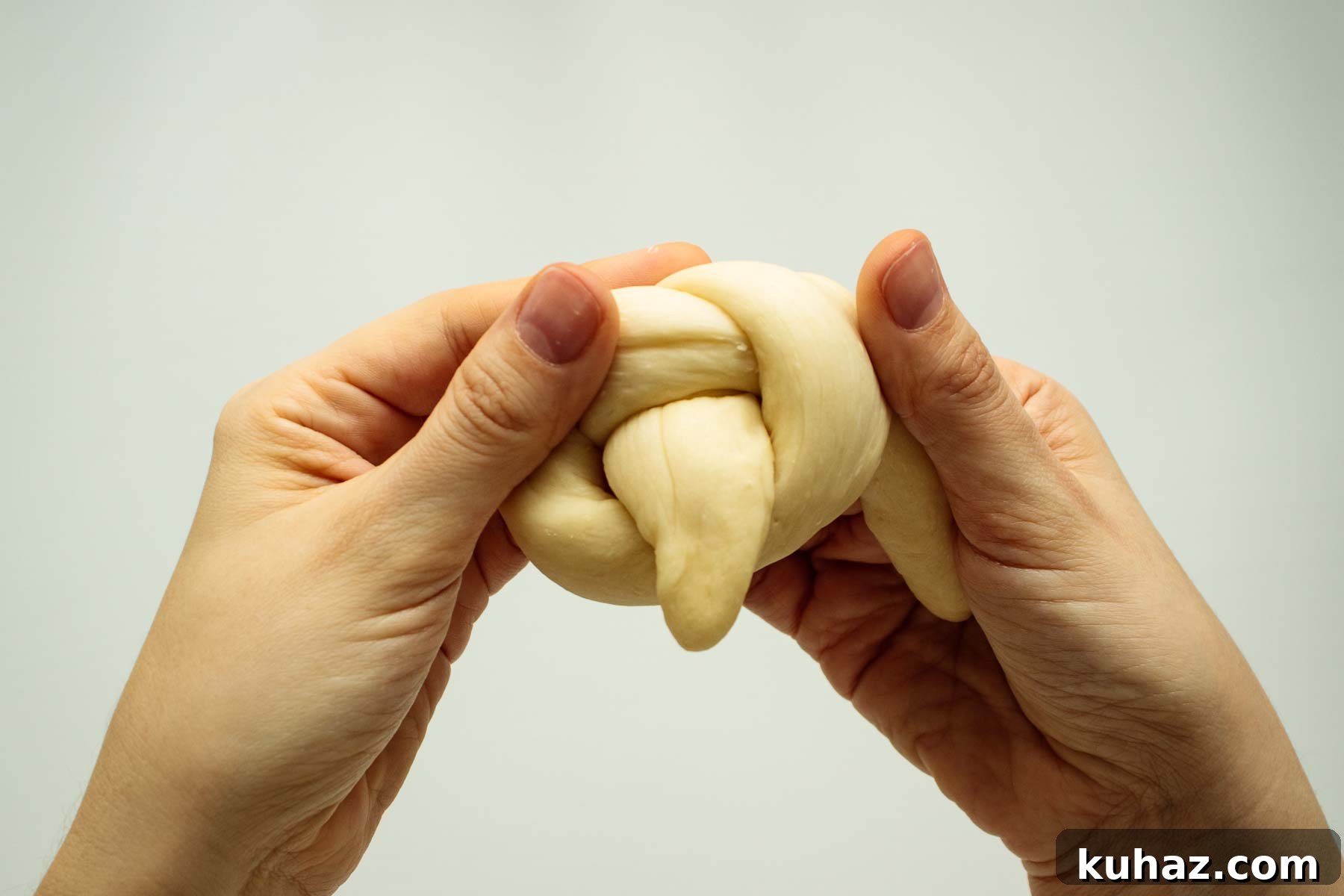
Step 08. Tuck and pinch the ends underneath each roll. This helps the rolls keep their shape while baking.
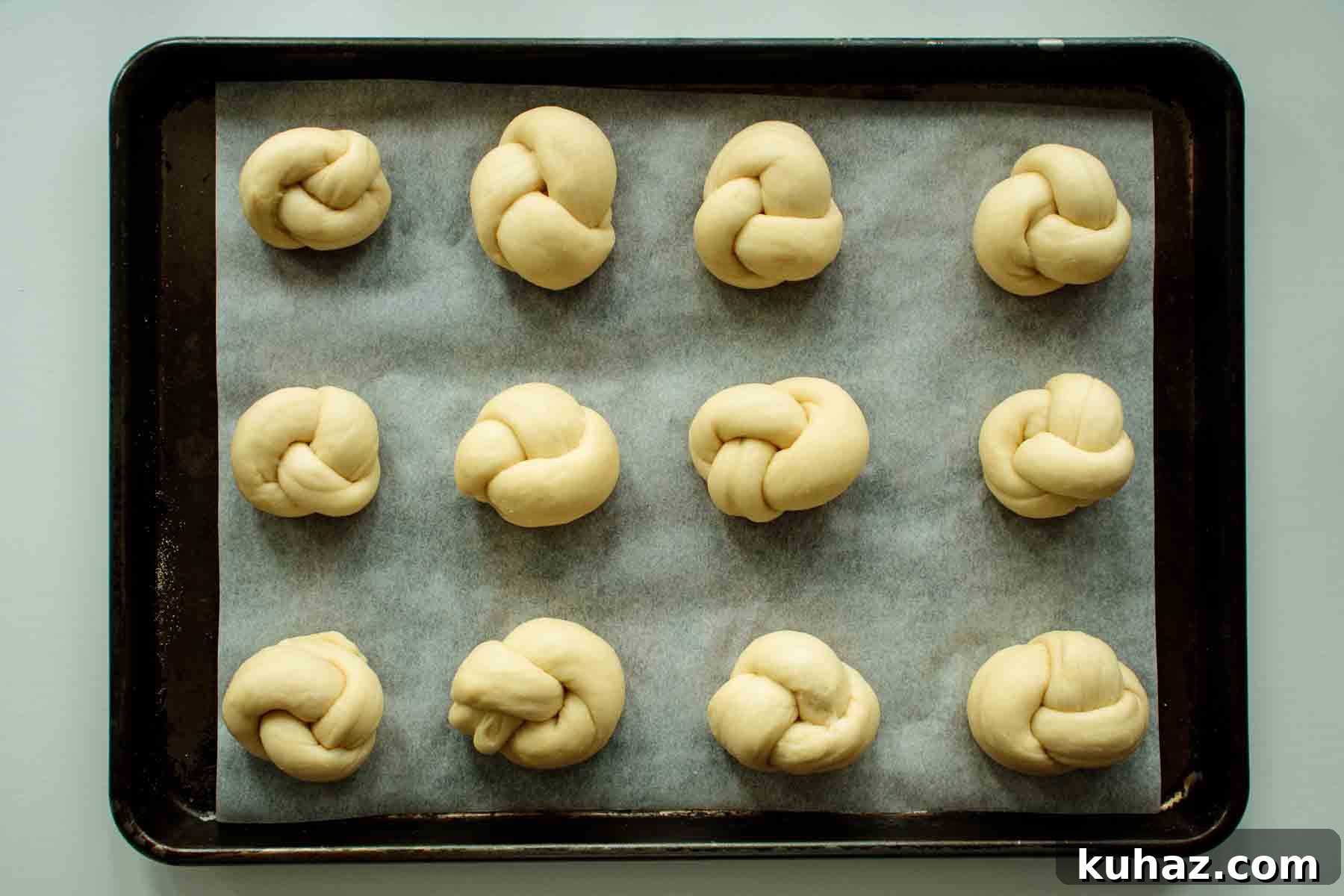
Step 09. Place the shaped rolls on a parchment-lined baking sheet. Cover loosely and let them rise for about 40 minutes, or until puffy and light.
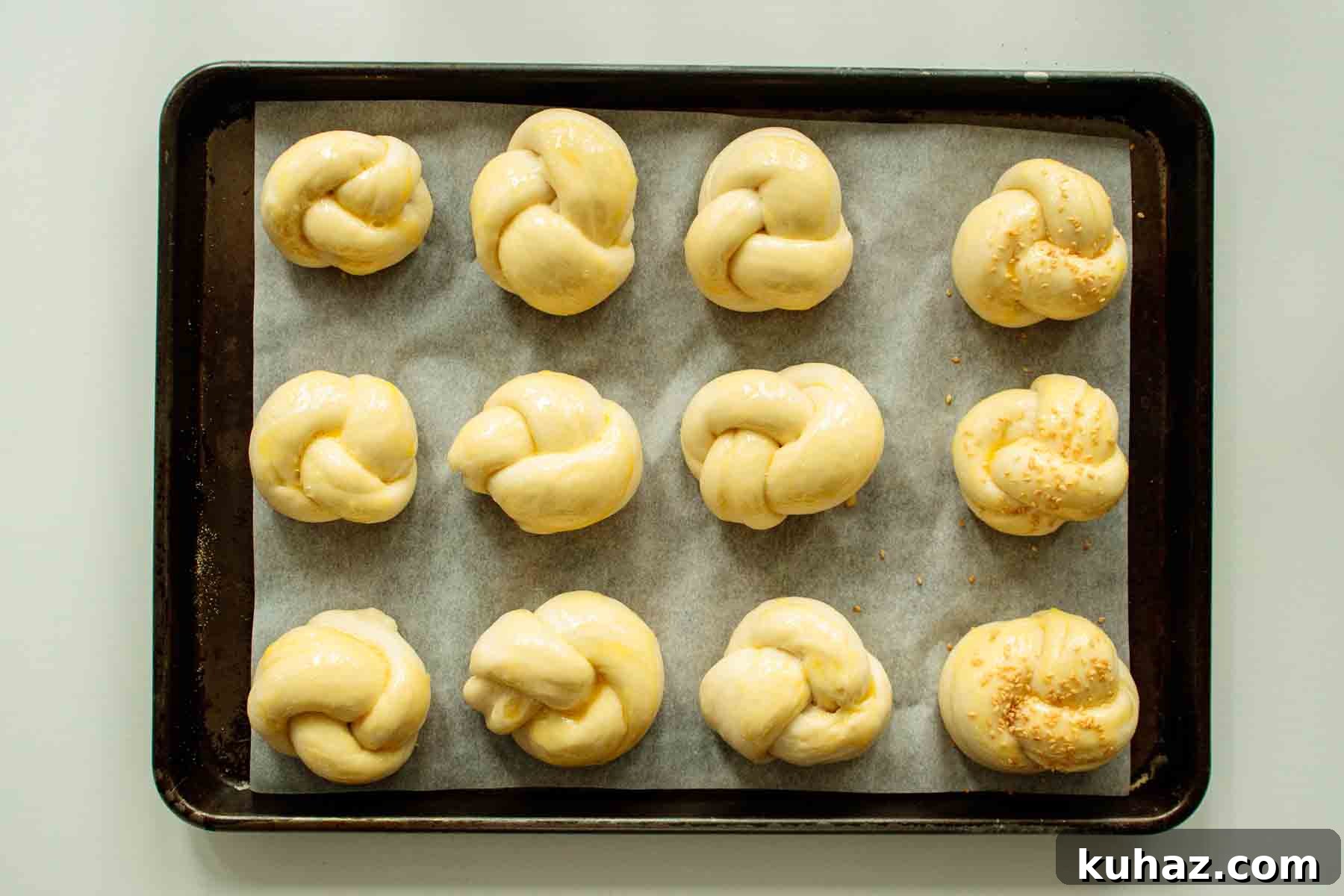
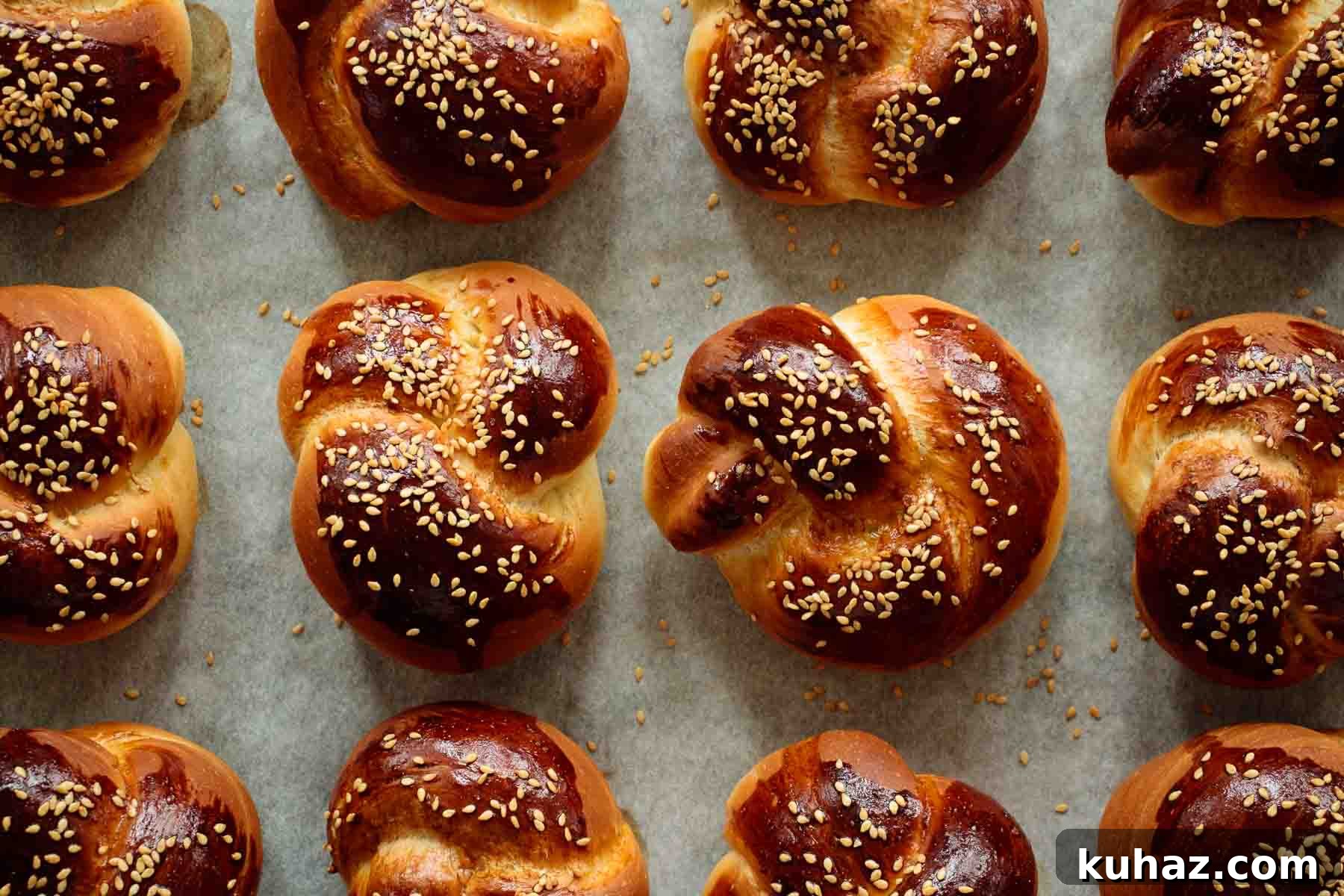
Step 10. Brush with egg wash, sprinkle with sesame seeds if using, and bake in a preheated oven until golden on top.
🕛Baker’s schedule suggestions
Here is a simple schedule if you want to bake these challah buns for dinner:
- 4:00 pm: Mix the dough ingredients, knead until smooth, shape into a ball, and place in an oiled bowl.
- 4:10 pm: Cover the dough and let it rise until doubled. Use a warm spot in the kitchen or a proofing setting if available.
- 5:40 pm: Deflate the dough, divide it into equal pieces, shape each roll, place them on a lined baking sheet, and let them rise again.
- 6:20 pm: Brush each roll with egg wash, add sesame seeds if desired, and bake until golden brown.
- 6:45 pm: Let the rolls cool briefly before serving. They will be ready for dinner.
If you prefer fresh challah rolls for breakfast or lunch, use an overnight schedule:
- 4:00 pm: Mix and knead the dough, then place it in an oiled bowl.
- 4:10 pm: Let the dough rise until doubled.
- 5:40 pm: Once the first rise is complete, cover the dough well with plastic wrap and refrigerate overnight to prevent the surface from drying out.
- 6:00 am: Remove the dough from the refrigerator. Let it rest for 5 to 10 minutes, then divide and shape the rolls.
- 6:15 am: Place the rolls on a lined baking sheet and let them rise in a warm spot. Cold dough may take a little longer to become puffy.
- 7:00 am: Brush with egg wash, sprinkle with sesame seeds if using, and bake until golden.
- 7:25 am: Let the rolls cool for a few minutes before serving.
✔️Expert tips
- Pinch the ends of the knotted dough underneath each roll. This keeps the rolls from unraveling as they expand in the oven.
- Use a kitchen scale when possible. Flour can vary greatly when measured by cups. A scale gives more reliable results and helps the dough stay properly hydrated.
- Use lukewarm water in a cold kitchen. This helps the yeast work well, especially during cooler months.
- Never use hot water with yeast. Water that is too hot can kill the yeast and prevent the dough from rising.
- Avoid cold water when making bread. Cold water can slow the rise significantly and may make the dough harder to proof properly.
- Preheat the oven before baking. Start preheating about 15 minutes before the rolls are ready to go in.
🙋🏻♀️Questions you might have
The ends of the knotted dough may not have been tucked and pinched underneath the roll. Securing the ends helps the challah rolls hold their shape while baking.
Dense challah is often caused by under-proofed dough or yeast that is no longer active. Make sure your yeast is fresh, use lukewarm or room-temperature water, let the dough rise in a warm spot, and preheat the oven before baking.
Yes. Add ½ to 1 cup of raisins during the last 2 minutes of kneading so they are evenly distributed without being crushed.
🫙Storing and freezing
Once cooled, store challah rolls in a bread keeper or an airtight container. They keep well for 3 to 5 days at room temperature. Avoid storing bread in the refrigerator, as it can dry out faster.
Challah rolls also freeze well after baking. Place cooled rolls in a freezer-safe plastic bag, press out as much air as possible, seal, and freeze for up to 3 months.
To reheat frozen rolls, preheat the oven to 350°F and bake for 5 to 8 minutes, or until warmed through.
🥐More buns and rolls recipes
-
Sourdough Discard Pull-Apart Dinner Rolls
-
Brioche Hot Dog Buns Recipe
-
Quick Whole Wheat Rolls
-
Subway Bread Recipe
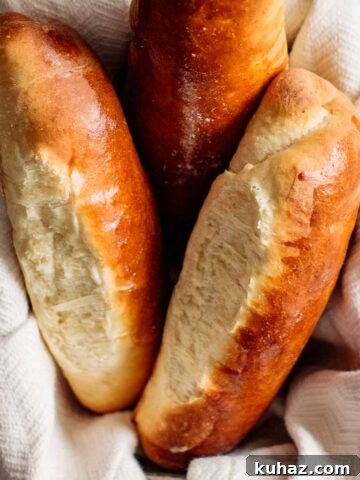
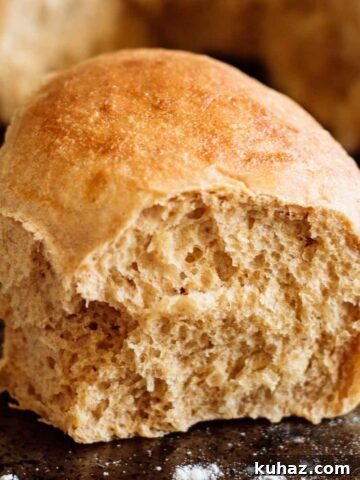
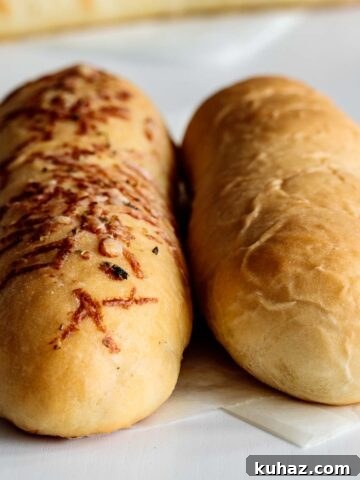
If you tried this Challah Rolls Recipe, leave a 🌟 star rating and share how it turned out in the comments.
📖 Recipe
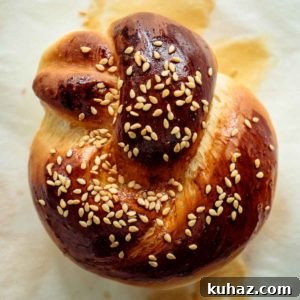
Challah Rolls (Challah Buns)
Equipment
-
1 Baking sheet
Ingredients
- 500 g all-purpose flour
- 7 g instant yeast
- 7 g salt
- 50 g sugar
- 2 large eggs
- 180 ml water
- 50 g oil
- 1 egg yolk for egg wash
- sesame seeds for topping optional
Instructions
-
In a large bowl, add the dry ingredients, eggs, water, and oil. Mix until a rough dough begins to form.
-
Using a stand mixer fitted with the dough hook, knead for 5 minutes on medium-low speed. The dough should be smooth and may stick slightly to the bottom of the bowl. If kneading by hand, knead for 10 to 15 minutes on a lightly floured surface.
-
Place the dough in an oiled bowl and cover with plastic wrap. Let it rise in a warm place for about 1 hour 30 minutes, or until doubled in size.
-
Deflate the dough. Divide it into 10 equal pieces using a bench scraper, sharp knife, or your hands. Line a baking sheet with parchment paper.
-
Roll each piece into a long rope. Twist and tie the dough into a knot, tucking the ends underneath each roll. Repeat with all pieces.
-
Cover loosely with plastic wrap and let the shaped rolls rise for about 40 minutes, or until almost doubled. They should look puffy and feel light.
-
Preheat the oven to 425°F.
-
Brush the challah rolls with the egg yolk and sprinkle with sesame seeds, if using.
-
Bake for 15 minutes, or until golden on top. Let the rolls cool for 10 minutes before serving.
Notes
Pinch the ends well. Tucking the ends under the rolls prevents them from opening during baking.
Measure carefully. A kitchen scale gives the most accurate results, especially for flour.
Use lukewarm water in cold weather. It helps the dough rise more reliably, but never use hot water with yeast.
Overnight option: After the first rise, refrigerate the covered dough overnight. Let it sit at room temperature for about 10 minutes before shaping.
Pull-apart option: Place the shaped rolls close together in a lined baking dish so they touch as they bake.
Nutrition
Calories: 266 kcal
Carbohydrates: 44 g
Protein: 7 g
Fat: 7 g
Sodium: 287 mg