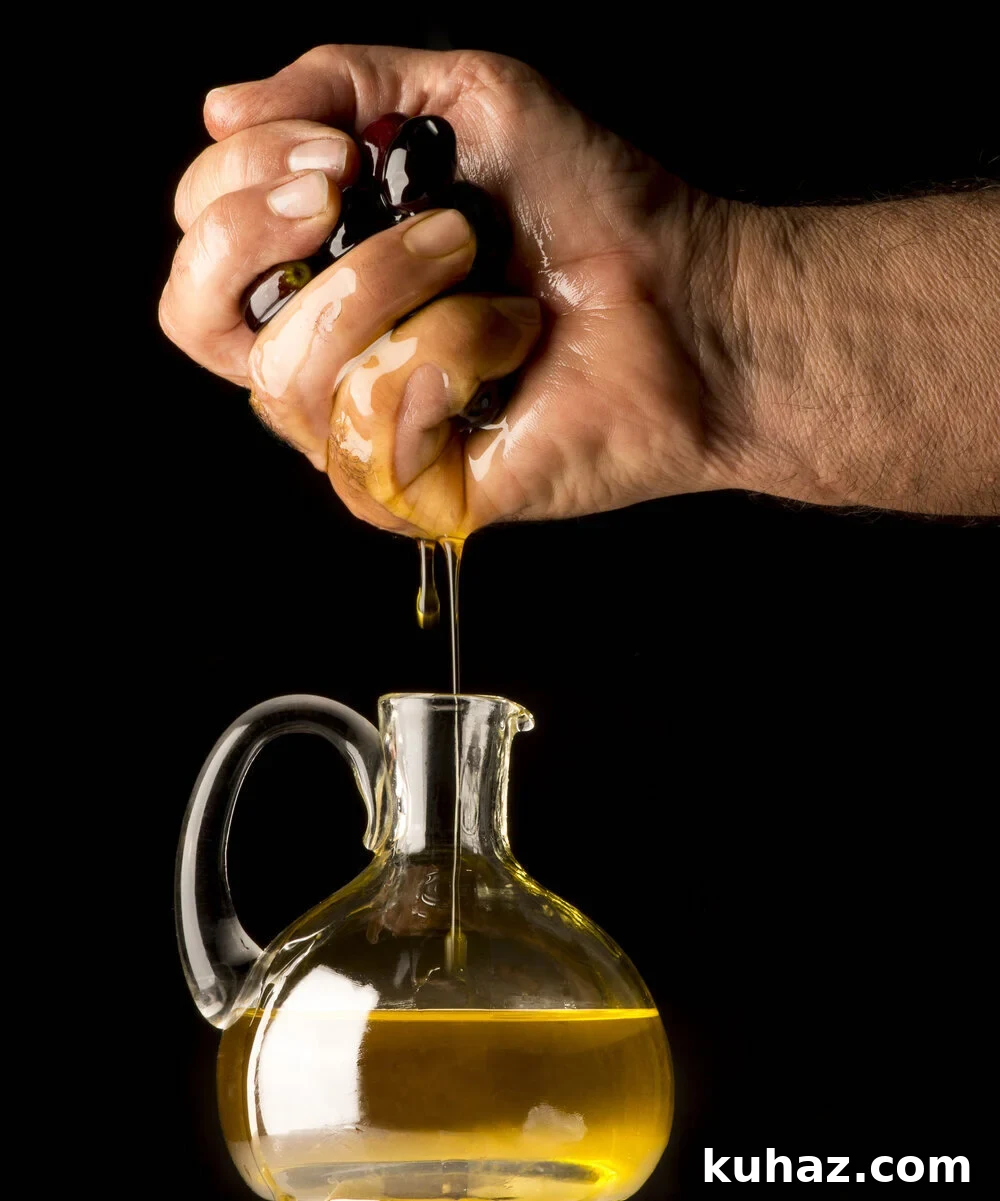
The following excerpt, taken from my cookbook, explains which cooking oils are best and which to avoid. It clarifies the topic to help you make informed choices when shopping for oil. Each of the sections below is explained in plain terms.
- plant sources
- extraction and processing methods
- hydrogenation
- and smoke points
All oils are not created equal!
Sources
Genetically Modified Oils
Avoid oils made from genetically modified crops when possible, especially canola, corn, soy, and cottonseed. These crops are often engineered and commonly sprayed with the herbicide glyphosate. Because they are used extensively in processed and prepared foods, exposure can be widespread.
Canola oil is especially pervasive in the food supply. It was developed from rapeseed, which was historically used as an industrial lubricant. After hybridization to reduce erucic acid, rapeseed became the edible oil known as canola. Some animal studies have raised concerns about long-term consumption of canola oil, and other research has shown it may reduce vitamin E levels. Because of its low cost and neutral flavor, canola is widely used in processed foods, institutional kitchens, and many packaged items—even products found in health food stores can contain it.
Olive Oil
Olive oil is a reliable, widely researched choice for everyday cooking and finishing. Rich in antioxidants, vitamin E, vitamin K, and primarily monounsaturated fats, olive oil has a long culinary history and recognized health benefits. However, fraud is a concern in the olive oil market: some bottles labeled as olive oil may be diluted or blended with cheaper oils. To reduce the risk of buying adulterated oil, look for reputable certifications and quality seals from recognized industry groups and for oils that have won independent taste or quality awards. Labels that specify “extra virgin” indicate superior aroma and flavor; “virgin” denotes slightly lower quality. If a label lacks either term, the oil has likely been refined.
Avocado, Sesame, and Coconut Oils
Refined avocado oil has one of the highest smoke points of common culinary oils, making it a good option for high-heat cooking when refined without chemical solvents. Sesame oil brings a distinctive, nutty flavor that suits many Asian dishes and dressings. Coconut oil is often promoted as a healthy alternative, but it is predominantly saturated fat—about 90%—and contains little omega-3 fat or significant vitamins and minerals. For those reasons, I use coconut oil sparingly and consider it more of a culinary choice than a nutritional staple.
Extraction and Processing Methods
Pressing
Mechanical pressing has been used for centuries to extract oil from fruits, nuts, and seeds. Cold-pressed oils are produced without added heat or chemicals, preserving flavor and many nutrients; this method is generally preferred. Expeller-pressed oils are also mechanically extracted but generate heat through friction, which can reduce some beneficial compounds.
Centrifuge
Modern olive oil producers often use centrifugation to separate oil from fruit solids and water. Although centrifuge extraction can still be gentle, some regions allow labels such as “cold-pressed” even when centrifuges are used. “Extra virgin” remains the best label for flavor and quality, while the absence of “virgin” or “extra virgin” usually indicates more intensive refining.
Chemical Solvents
Many vegetable oils in the U.S.—including canola, corn, cottonseed, safflower, soy, and sunflower—are extracted using chemical solvents such as hexane. Hexane is a petroleum by-product and is regarded as a neurotoxic substance by some health authorities. Solvent-extracted oils are often further processed with bleaching and deodorizing steps to neutralize color and odor. Certified organic oils are not allowed to use chemical solvent extraction, so organic labeling can help avoid solvent-processed oils.
Hydrogenated and Partially Hydrogenated Oils
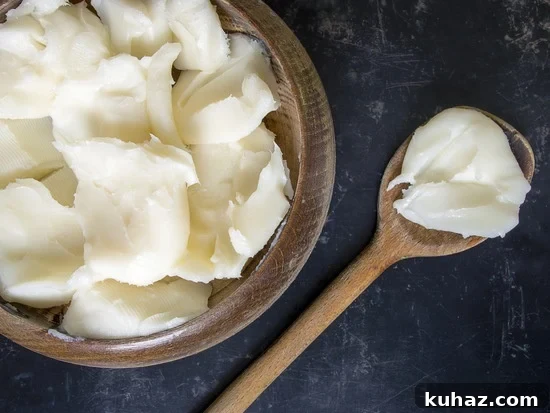
Hydrogenation chemically converts unsaturated oils into more solid fats by adding hydrogen. Fully hydrogenated oils become saturated fats, while partially hydrogenated oils form trans fats. Both types are linked to higher cardiovascular risk, but partially hydrogenated trans fats are particularly harmful because they raise LDL (“bad”) cholesterol and lower HDL (“good”) cholesterol. Trans fats were common in many processed products, including margarines and baked goods. Be cautious of labels that claim “trans-fat free”—products can legally contain small amounts per serving but still include partially hydrogenated oils on the ingredient list. Naturally solid plant fats at room temperature include coconut and palm oil; otherwise, solid or semi-solid plant-based spreads are typically hydrogenated or partially hydrogenated.
Smoke Points
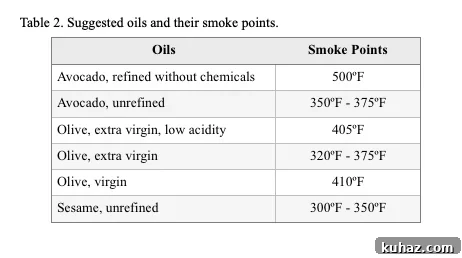
Each oil has a smoke point—the temperature at which it begins to break down, smoke, and produce harmful compounds. Avoid heating oils past their smoke points. If an oil starts to smoke, discard it and begin again: overheated oil releases free radicals and destroys heat-sensitive vitamins and antioxidants. As a guideline, sautéing over medium-high heat typically brings oil to roughly 250°F. Choose oils with appropriate smoke points for the cooking method you plan to use to preserve flavor and nutrition.
If you enjoyed this post, you may also like How is Balsamic Vinegar Made?
Bibliography
- Lauretti, Elisabetta; Domenico Praticò. “Effect of Canola Oil Consumption on Memory, Synapse and Neuropathology in the Triple Transgenic Mouse Model of Alzheimer’s Disease.” Scientific Reports, December 2017.
- Agency for Toxic Substances and Disease Registry, US Department of Health and Human Services. Public Health Statement for n-Hexane, July 1999.
- Center for Food Safety and Applied Nutrition, US Food and Drug Administration. Final Determination Regarding Partially Hydrogenated Oils, 2015.
- Neghab, Masoud; Mahdieh Delikhoon; Abbas Norouzian Baghani; Jafar Hasanzadeh. “Exposure to Cooking Fumes and Acute Reversible Decrement in Lung Functional Capacity.” The International Journal of Occupational and Environmental Medicine, October 2017.
- Svedahl, Sindre; Kristin Svendsen; Torgunn Qvenild; Ann Sjaastad; Bjørn Hilt. “Short Term Exposure to Cooking Fumes and Pulmonary Function.” Journal of Occupational Medicine and Toxicology, May 2009.