The King of Steaks: Mastering the Reverse Seared Picanha
Have you ever tasted a cut of beef so tender and flavorful it changes how you think about grilling? Meet the picanha. Long the star of Brazilian churrascarias, this prized roast is now earning its place on backyard grills everywhere.
I cooked a beautiful American Wagyu picanha from Snake River Farms. Their animals are a cross of Japanese Wagyu with high-quality Continental breeds, producing exceptional marbling and a rich, buttery flavor that pairs perfectly with a reverse-sear approach.
What Exactly is Picanha?
This cut is known by several names: culotte, top sirloin cap, or rump cap in the U.S. It sits on the top of the sirloin primal. What sets picanha apart is its distinctive thick fat cap. In many American butcher shops that cap is trimmed away, but in traditional barbecue the fat is essential — as it renders it bastes the meat, keeping it moist and adding savory depth you won’t get from a typical ribeye or strip.
Why Reverse Sear?
The picanha’s combination of a lean muscle and a heavy fat cap makes the reverse sear ideal. Start low and slow to cook the interior evenly, then finish with high heat to crisp and caramelize the fat cap into a golden crust.
Prepping the Picanha
Preparation: The Tempering Phase
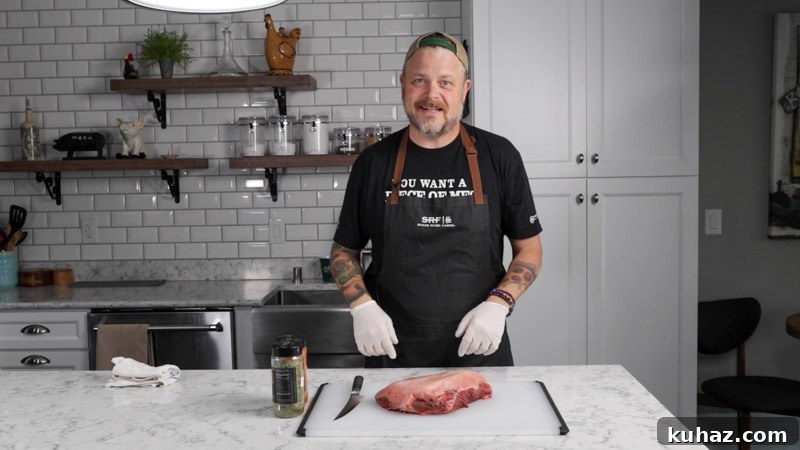
One of the most common mistakes is putting a cold roast straight from the fridge onto a hot grill. Take the picanha out of its packaging about an hour before cooking to let it come closer to room temperature.
Why Timing Matters
This tempering helps achieve even cooking. A cold center forces the exterior to overcook before the middle reaches your target temperature. For American Wagyu, allowing the roast to warm slightly softens intramuscular fat, improving texture. Use this hour to pat the roast completely dry — moisture on the surface prevents a good crust.
A Note on Food Safety
A one-hour rest at room temperature for a whole muscle roast is standard practice in professional kitchens and safe. The interior of a solid muscle is sterile; this step helps ensure juiciness from edge to edge.
Trimming, Scoring, and Seasoning
Refining the Roast: Trimming for Tenderness
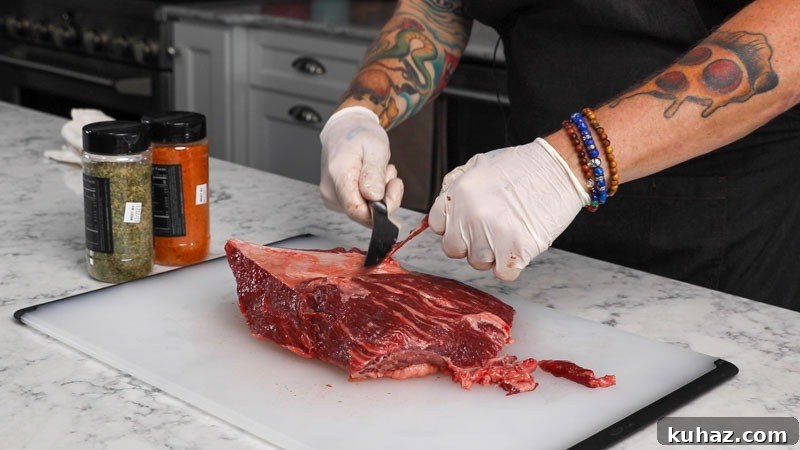
Keep the top fat cap, but remove silver skin and any loose fat from the meat side. Silver skin is tough connective tissue that doesn’t render; it will stay chewy if left on.
Eliminating the Silver Skin
- Texture: Silver skin will shrink and curl, creating an uneven roast and a tough bite.
- How to Remove It: Slide a sharp boning or paring knife under the membrane, angling the blade slightly up, and pull the silver skin away in strips. Be careful not to gouge the meat.
Cleaning the Under-Side Fat
Trim any ragged fat on the meat side so seasoning contacts the muscle directly. This helps form an even bark during the low-and-slow phase while preserving the top cap for flavor and insulation.
The Result
After trimming you should see a clean, ruby-red surface on the meat side and a uniform, white fat cap on top — a stunning contrast that makes picanha so appealing.
Scoring the Fat Cap — The Secret to Maximum Rendering
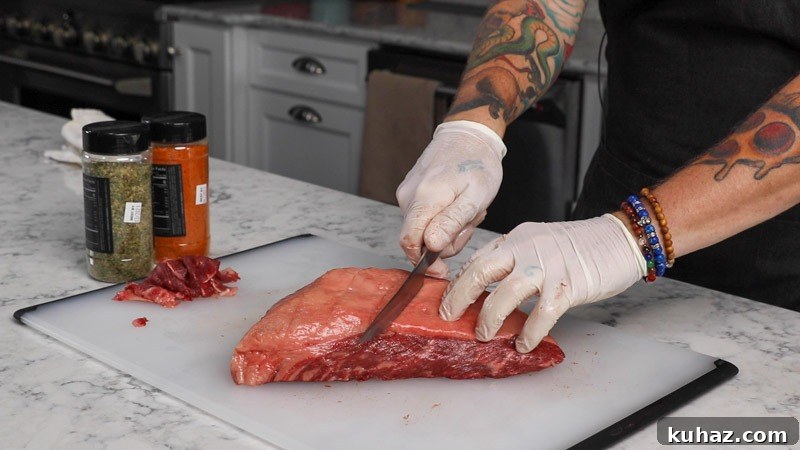
With the roast trimmed and tempered, score the fat cap. Using a very sharp knife, make a crosshatch (diamond) pattern with cuts about one inch apart. Cut through the fat until you just see the meat — avoid slicing deep into the muscle.
Why We Score the Fat
- Accelerated Rendering: Scoring increases surface area, helping the fat render efficiently and become crispy rather than chewy.
- Deep Seasoning: The cuts let seasoning penetrate the fat and reach the meat beneath, flavoring the roast from top to bottom.
- Prevent Curling: Scoring relieves tension between fat and muscle so the roast stays flat for an even cook.
How to Do It Like a Pro
The Diamond: After one set of parallel lines, rotate the roast 45 degrees and repeat.
The Angle: Hold the knife slightly tilted and use long, steady strokes — don’t saw.
The Depth: Aim for about 1/4 to 1/2 inch deep, stopping when the meat’s pink shows.
The Seasoning — Enhancing the Picanha
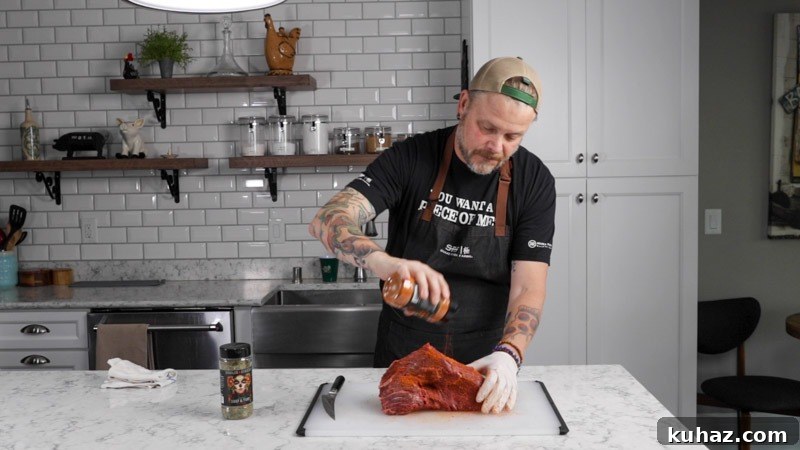
With the fat cap scored, it’s time to season. American Wagyu already has deep, buttery flavor; your job is to enhance, not mask, that profile. Rub about 1 to 1.5 tablespoons of olive oil over the roast as a binder, then season generously on all sides. Simple kosher salt and freshly cracked black pepper is traditional and excellent, but you can choose a bolder rub if you prefer.
Seasoning Options
- Simple: Coarse kosher salt and coarse black pepper — classic and effective.
- Custom Blend: Try a homemade mix: 4 parts coarse kosher salt, 2 parts coarse black pepper, 1 part granulated garlic, 1 part onion powder.
Application Technique
Massage the seasoning into the diamond cuts so the spices are carried down into the fat as it renders. Season the meat side thoroughly as well.
The Two-Zone Setup (The Strategy of the Reverse Sear)
For picanha, precision matters. Use the reverse sear: cook the roast gently over indirect heat until it nears your target, then finish over high direct heat for a crisp crust.
Configuring for Two-Zone Cooking
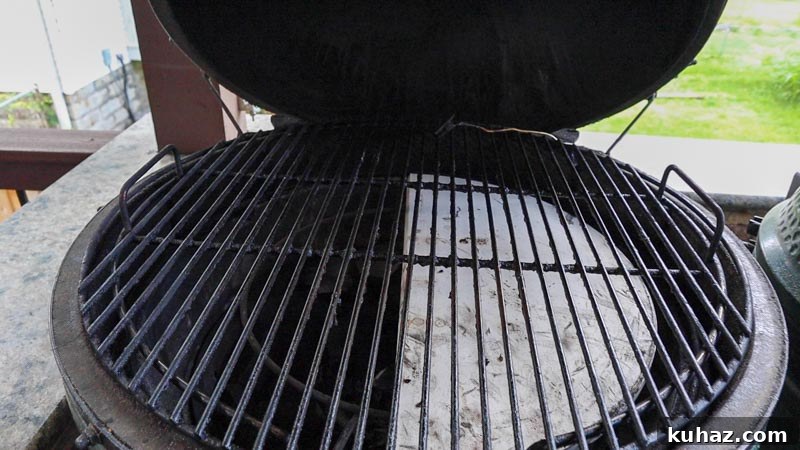
Create an indirect zone and a direct zone. Place a heat shield or ceramic insert on one side as the indirect area and leave the other side open for direct heat. This allows you to roast gently and then move the meat to a searing station.
Preheating to 250°F
Bring your grill to a steady 250°F. This temperature starts rendering the fat without tightening the muscle fibers too quickly, giving an even cook from edge to edge while avoiding a wide gray band.
Placement Strategy
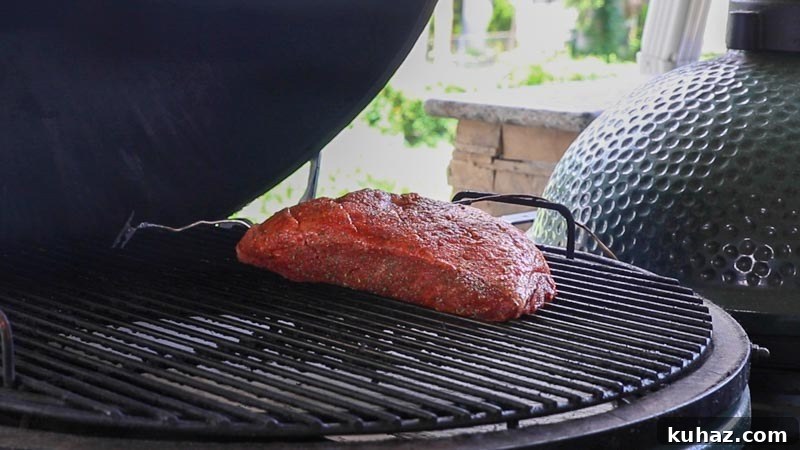
Place the seasoned picanha on the indirect side with the fat cap facing up. The cap insulates the meat and, as it warms, the seasoned juices will baste the roast.
The Transition — When to Pull and Pivot
In reverse searing, internal temperature is your guide. For a medium-rare finish, the goal during the low phase is not to finish the roast but to reach a transition point.
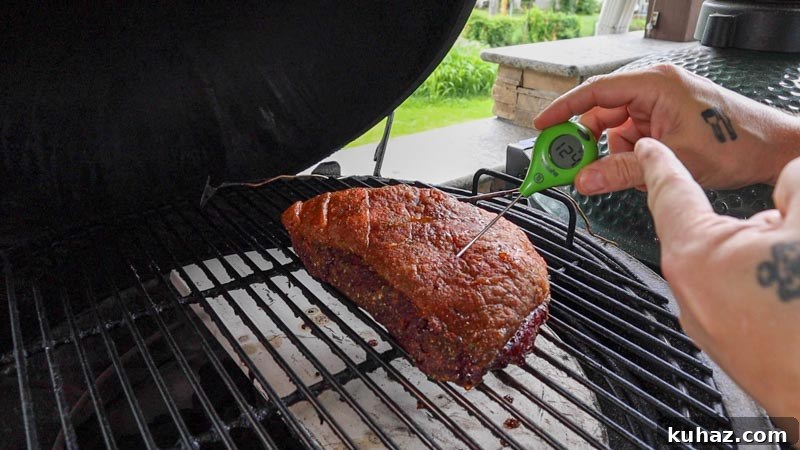
Pull the roast when the internal temperature reaches 120°F.
At this point the roast will look a bit dull and underdone — that’s expected. Move it to a cutting board and tent loosely with foil while you raise the grill to about 500°F for the sear.
What to Expect: Size vs. Time
Cooking times vary by weight and ambient conditions. As a guide:
| Weight (lbs) | Approx. Low & Slow Time (at 250°F) | Target Pull Temp |
| 2.0 – 2.5 lbs | 45 – 60 minutes | 120°F |
| 3.0 – 3.5 lbs | 70 – 90 minutes | 120°F |
| 4.0+ lbs | 100+ minutes | 120°F |
Use a reliable leave-in probe thermometer to avoid overshooting the 120°F mark.
The Final Sear (The “Money” Phase)
When the grill hits roughly 500°F, it’s time for the finale. This high heat turns the soft fat into a crispy, caramelized crust.
The Fat-Side Finish
Place the roast on the direct side, fat cap facing down first. Sear for only 60–90 seconds per side. You want a deep mahogany crust on the meat and a brittle, charred texture on the fat.
Warning: Expect some flare-ups as Wagyu fat hits the coals — that’s normal. Keep tongs ready and manage flames as needed.
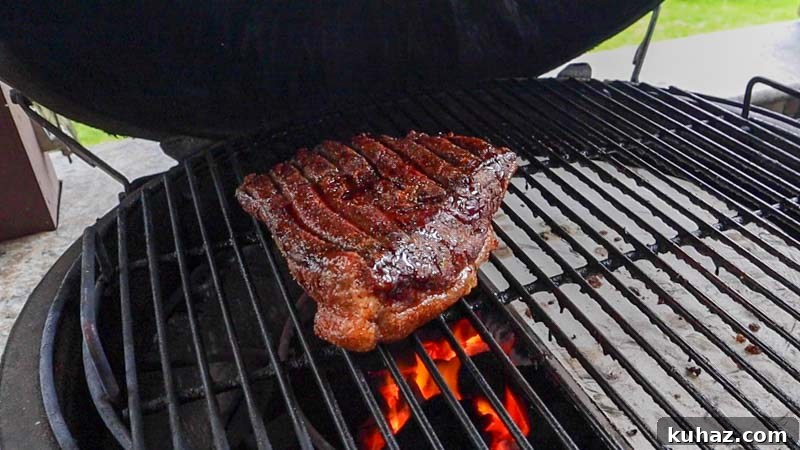
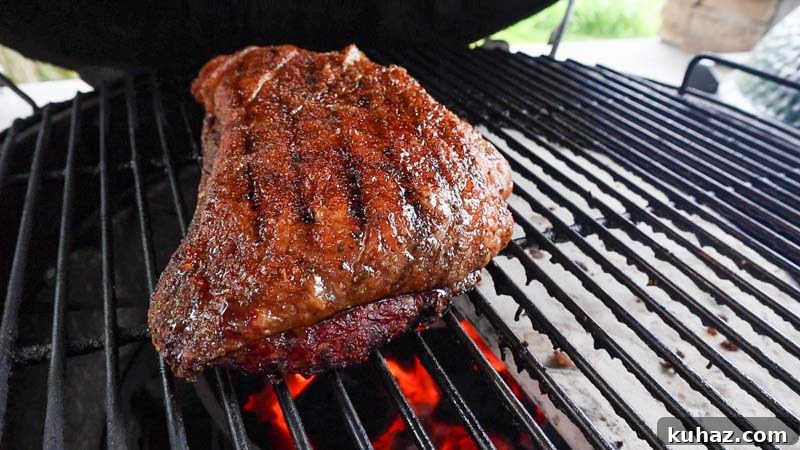
The Rest and the Reveal
After the sear, remove the roast and let it rest for at least 10 minutes before slicing.
Why the Rest is Vital
- Redistribution: Resting lets muscle fibers relax and reabsorb juices that were driven to the center during the sear.
- Carry-over Cooking: The internal temperature can rise another 5–10°F during rest, bringing the roast into a perfect medium-rare range (about 130–135°F).
How to Slice Picanha for Maximum Tenderness
Picanha has a clear grain. Slicing correctly makes the difference between melt-in-your-mouth and chewy.
1. Identify the Grain
Find the long parallel lines of muscle fibers and slice against the grain.
The Slicing Technique
- Thickness: Use a long, sharp carving knife and cut 1/2 to 3/4 inch thick slices.
- The Angle: Cutting across the fibers shortens them, which makes each bite tender.
- Fat-to-Meat Ratio: Aim for slices that include some of the rendered fat cap — the contrast is the hallmark of picanha.
Final Presentation
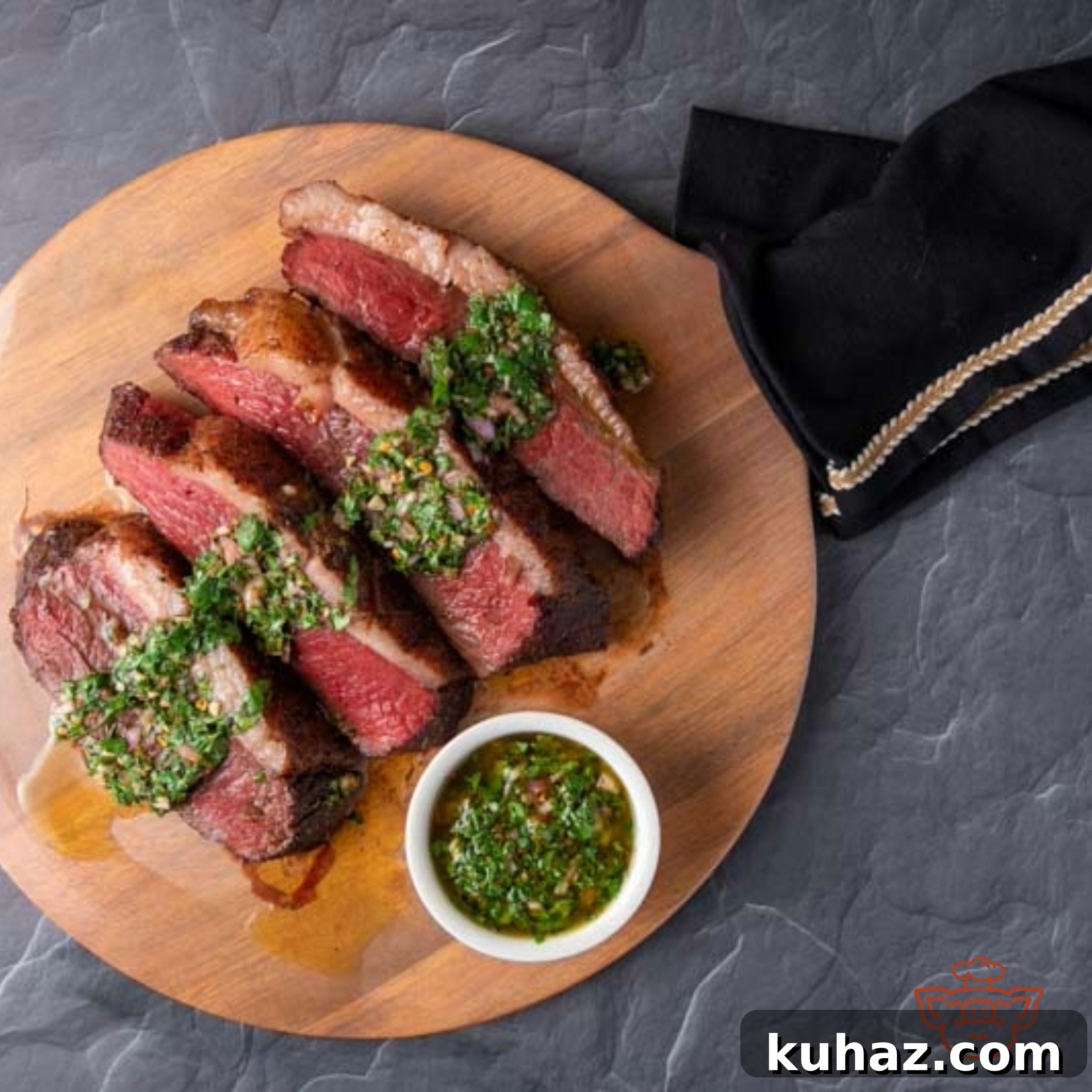
Fan the slices on a wooden board to show the edge-to-edge pink center. Picanha pairs beautifully with chimichurri or a simple side. The reverse sear yields a smoky, perfectly rendered, and incredibly juicy roast — a true churrascaria classic at home.
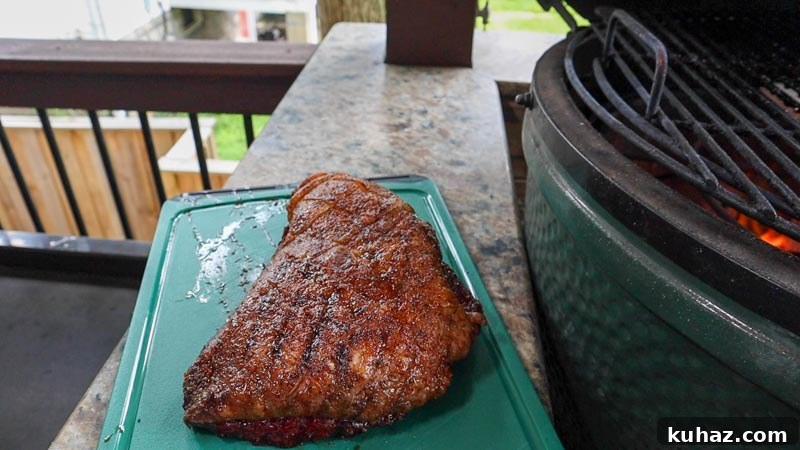
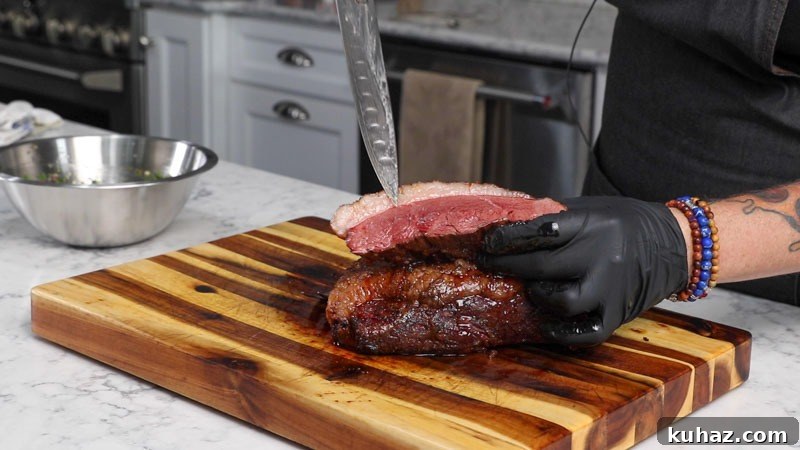
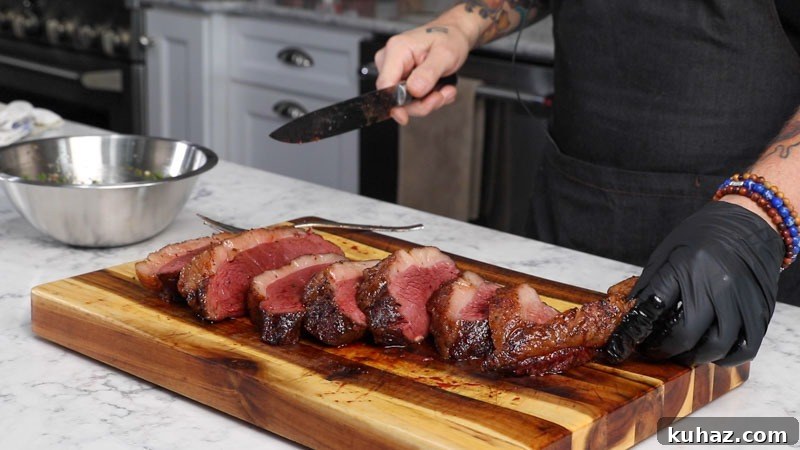
Serve with a bright chimichurri or simple seasonal sides to balance the rich Wagyu fat.
Big Green Egg Reverse Seared Picanha
Ingredients
- 2.5 lbs picanha roast
- 1–1.5 tbsp olive oil
- 3 tbsp favorite BBQ rub (or use the Buddha Rub below)
Buddha Rub Blend
- 4 tbsp coarse kosher salt
- 2 tbsp coarse black pepper
- 1 tbsp granulated garlic
- 1 tbsp onion powder
Instructions
- Preheat your grill to 250°F and set up two zones: indirect and direct heat.
- Trim silver skin and excess fat from the meat side of the picanha, leaving the top fat cap intact.
- Crosshatch the fat cap with shallow cuts.
- Rub the roast with olive oil to bind the seasoning, then work the rub into the fat cap and meat side.
- Place the roast on the indirect side, fat cap up, and cook until the internal temperature reaches 120°F.
- Remove the roast and open vents to raise the grill to about 500°F.
- Sear on the direct side: fat cap down for 60–90 seconds, then flip and sear the meat side for 60–90 seconds.
- Pull the roast and let it rest at least 10 minutes, then slice against the grain and serve.
Nutrition information is an approximation.
Additional Info
Course: Main
Cuisine: Brazilian-style
Tried this recipe? Share your results on social media and tag the creator if you wish.