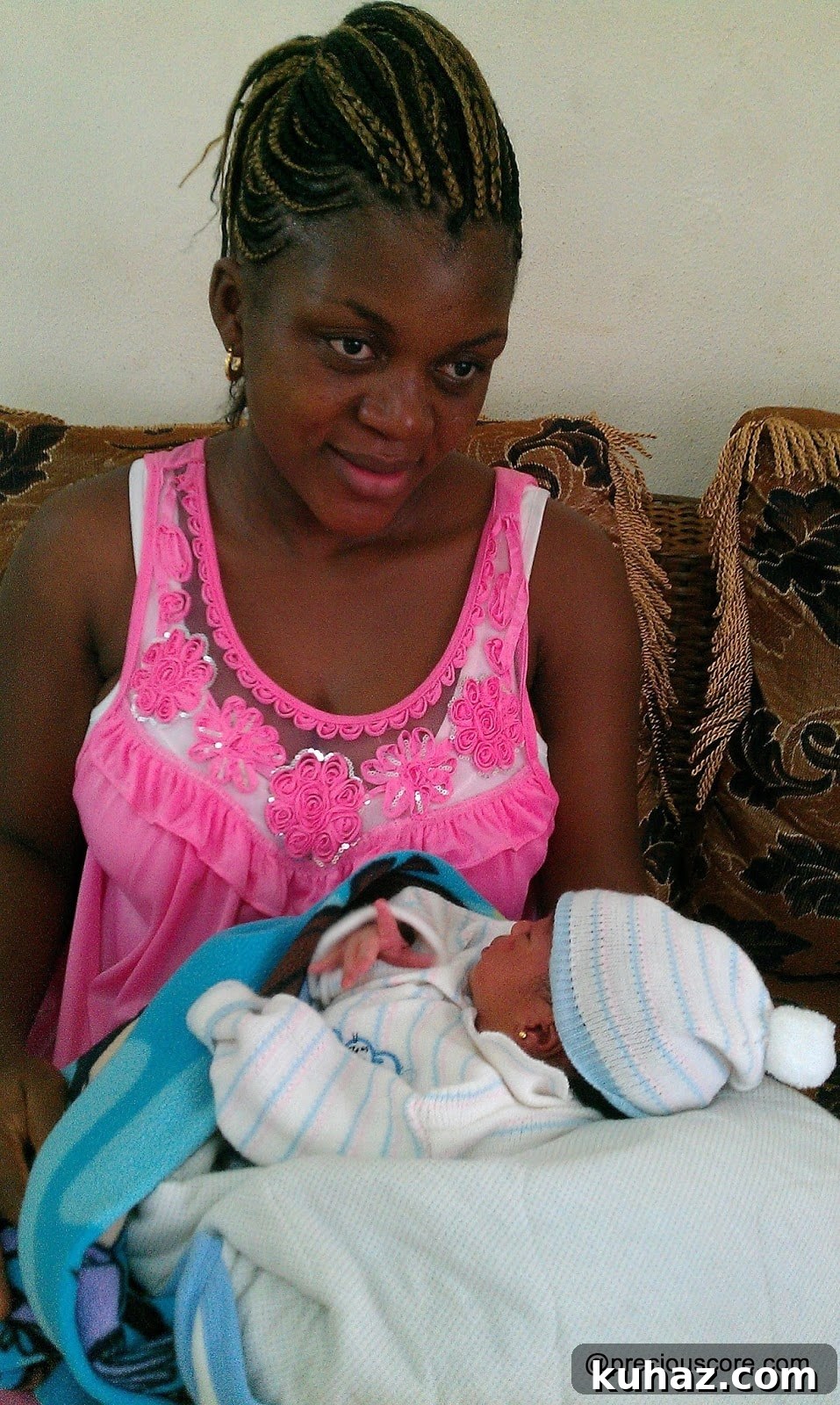
My second pregnancy was much gentler than the first. Unlike my initial experience, I barely had morning sickness and generally felt well throughout those months. I travelled, relaxed, and enjoyed the anticipation of meeting our new baby. I had prepared myself for an easier delivery based on what I had heard and experienced before, but of course every birth has its own story.
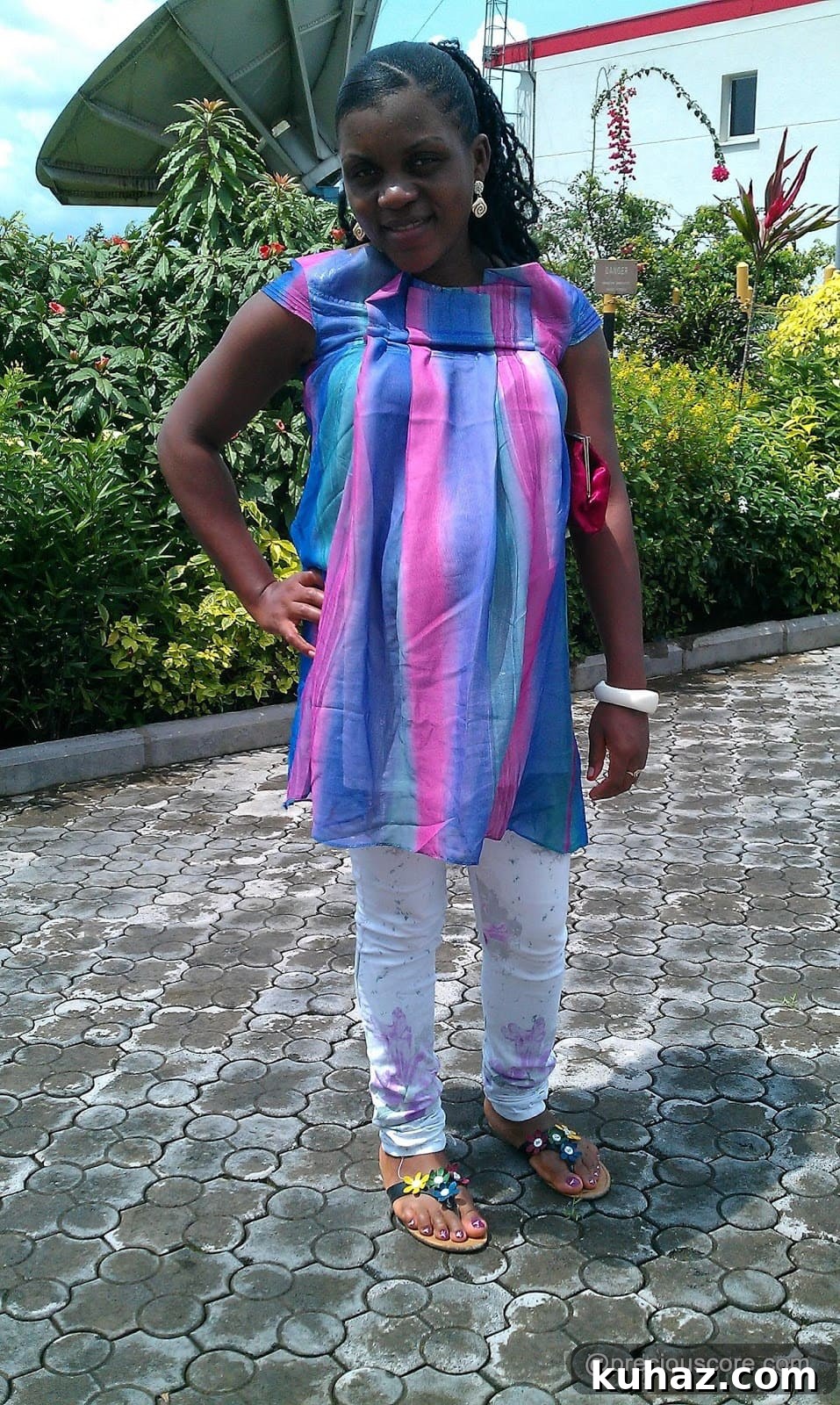 |
| This is me during my pregnancy |
I wasn’t as fragile as I had been with my first pregnancy, so I assumed labour would be straightforward. Early one evening, while doing chores around the house, I started having intense pains. I tried to manage them for a while, but when they became too much I asked my younger brother, Desmond, to go with me to the nearby clinic. It was about 1 a.m. when we walked through the neighbourhood; the bars were still open and the night felt alive, but I was focused on the baby growing in my belly.
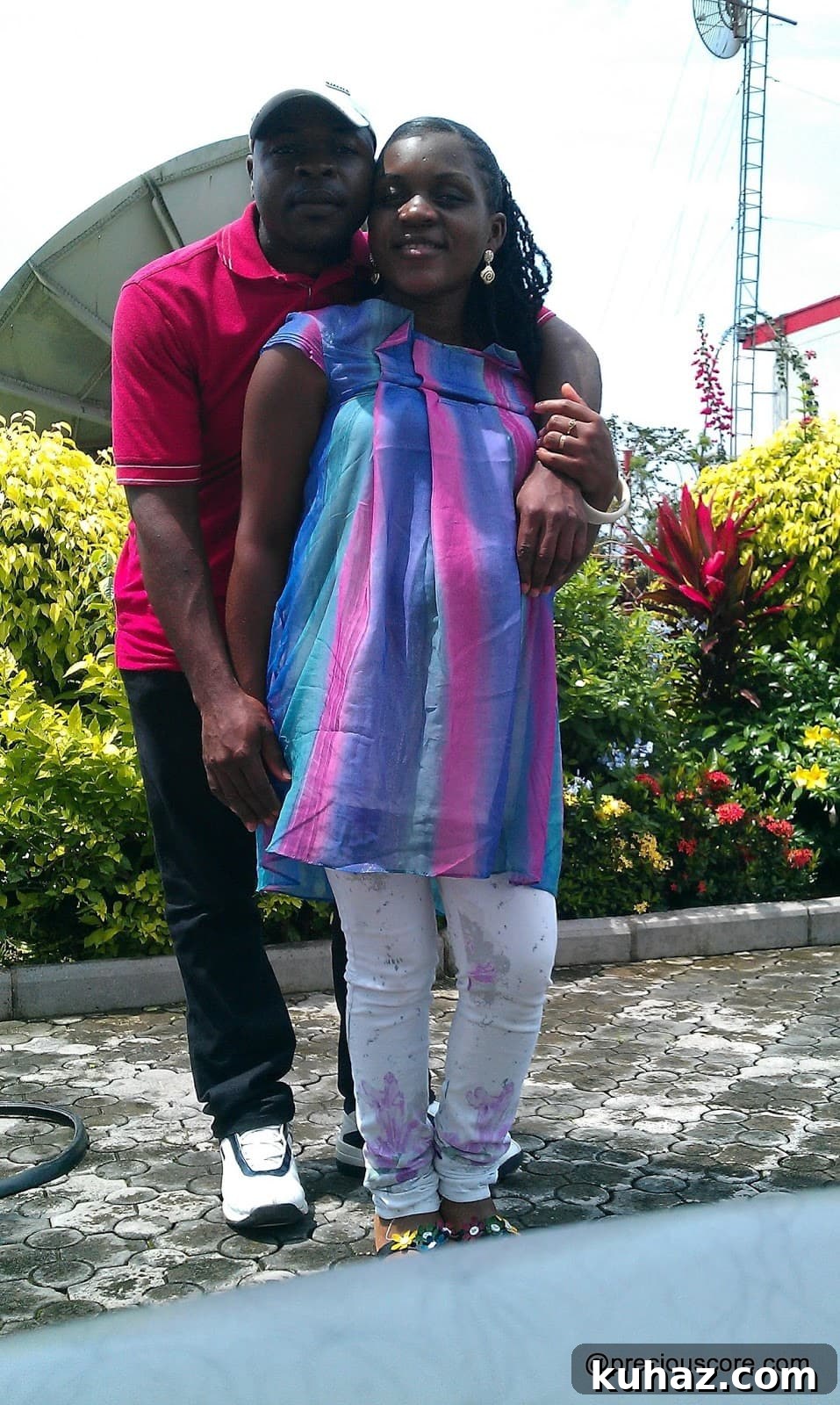 |
| In Douala |
At the clinic, a midwife—Aunty Mado—checked me and said my cervix was 2 centimetres dilated. She asked me to climb the stairs several times to help labour progress, so I followed her instructions faithfully. By dawn there was no baby yet, only tiredness, frustration, and a toddler caught in the middle of our household routine.
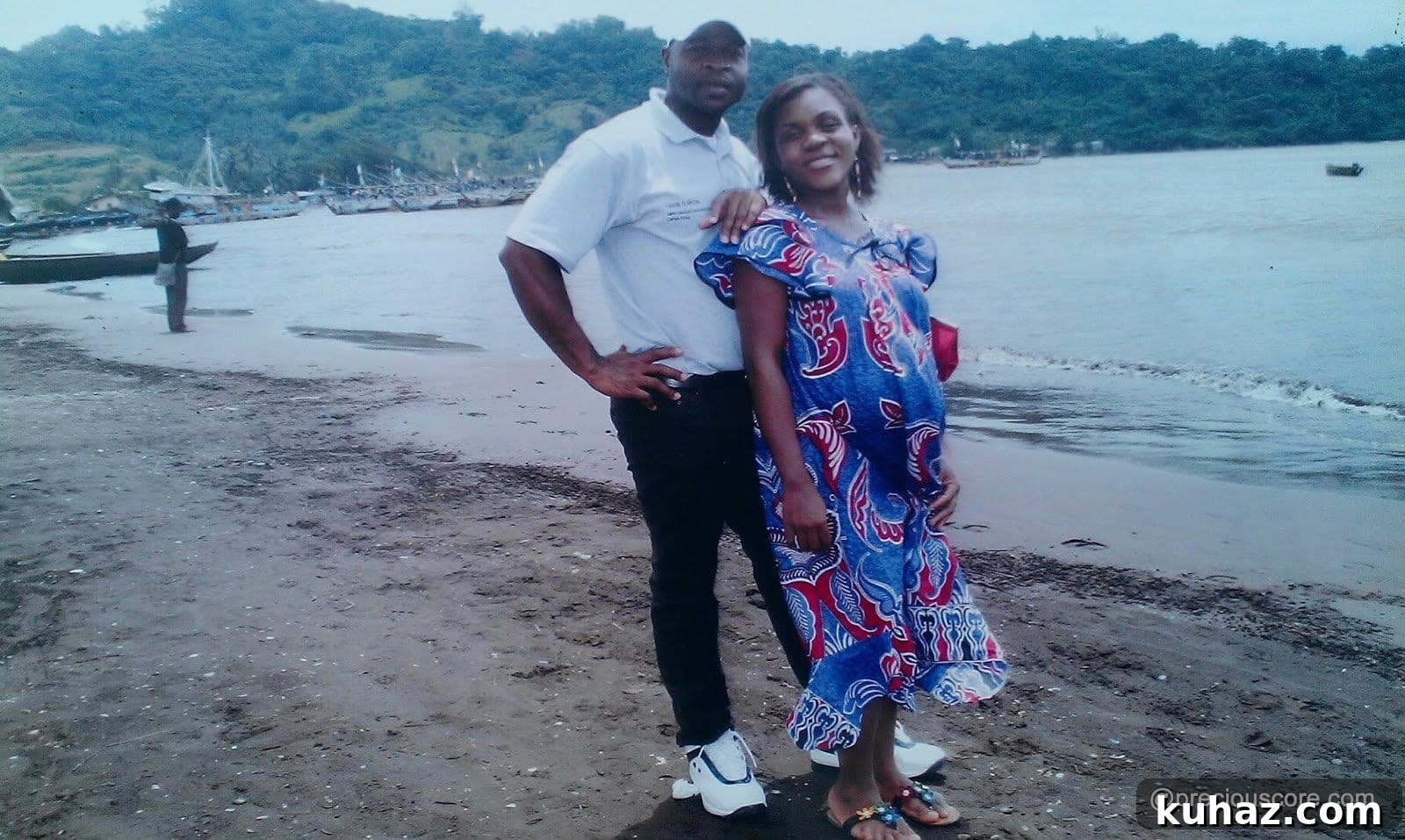 |
| At Down Beach, Limbe |
Back home on the second day, I continued with ordinary activities between contractions, hoping each one would help dilate my cervix. On the third day the pains intensified. Desmond and I ran last-minute errands: I bought a few things for the baby and for guests, withdrew cash for hospital bills, and called my friend Akwi to come and help. She arrived quickly with her little one and stayed to support me.
When I went back to the clinic that day, another midwife examined me and said I was 4 centimetres dilated. She seemed surprised because the notes had shown 2 centimetres previously. I couldn’t explain the slow progress. Frustrated, I left my packed bag at the clinic and went home feeling defeated. Later that night, after resting and gathering strength, I returned to the clinic. Aunty Mado checked me again and this time I was 6 centimetres. That felt like real progress.
I paced the clinic grounds trying to encourage the labour to move forward, but every time I entered the labour room my contractions would quiet down and I would become sleepy. Stepping out, the pain would return stronger than before. It was baffling and disheartening. After three days of labour that stalled and resumed, I turned increasingly to prayer. I had always believed in prayer, but in that stretch it became the anchor keeping me going.
Desmond and my aunt joined me in praying. There were moments when I felt exhausted and almost out of words; I could only groan and keep asking for strength. Gradually I felt a calm settle in my spirit and a renewed certainty that I could enter the labour room and finish what had begun. When the urge became undeniable, Aunty Mado took me into delivery. I could barely walk, but moments later our daughter arrived—3.45 kilograms—on a cool November night at 2:45 a.m. I cried out in gratitude the instant she was placed in my arms.
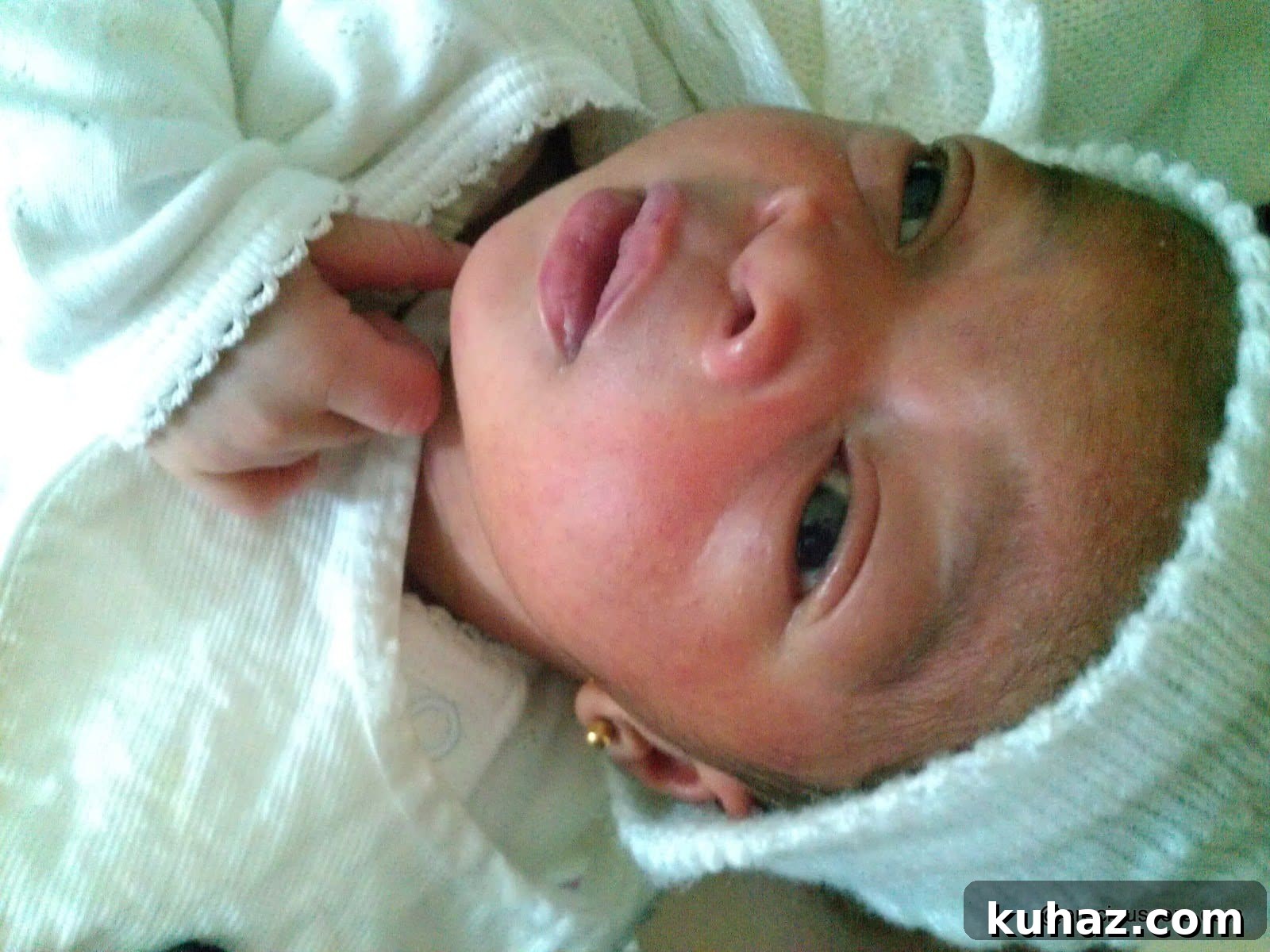
After the birth, the medical evaluation showed she had been struggling—turning blue from exhaustion because of the frequent and prolonged contractions. The care she received immediately afterward helped her recover. We named her Salma, a name that means peace and perfection. She has been a living reminder to me of how powerful persistent prayer and faithful support can be.
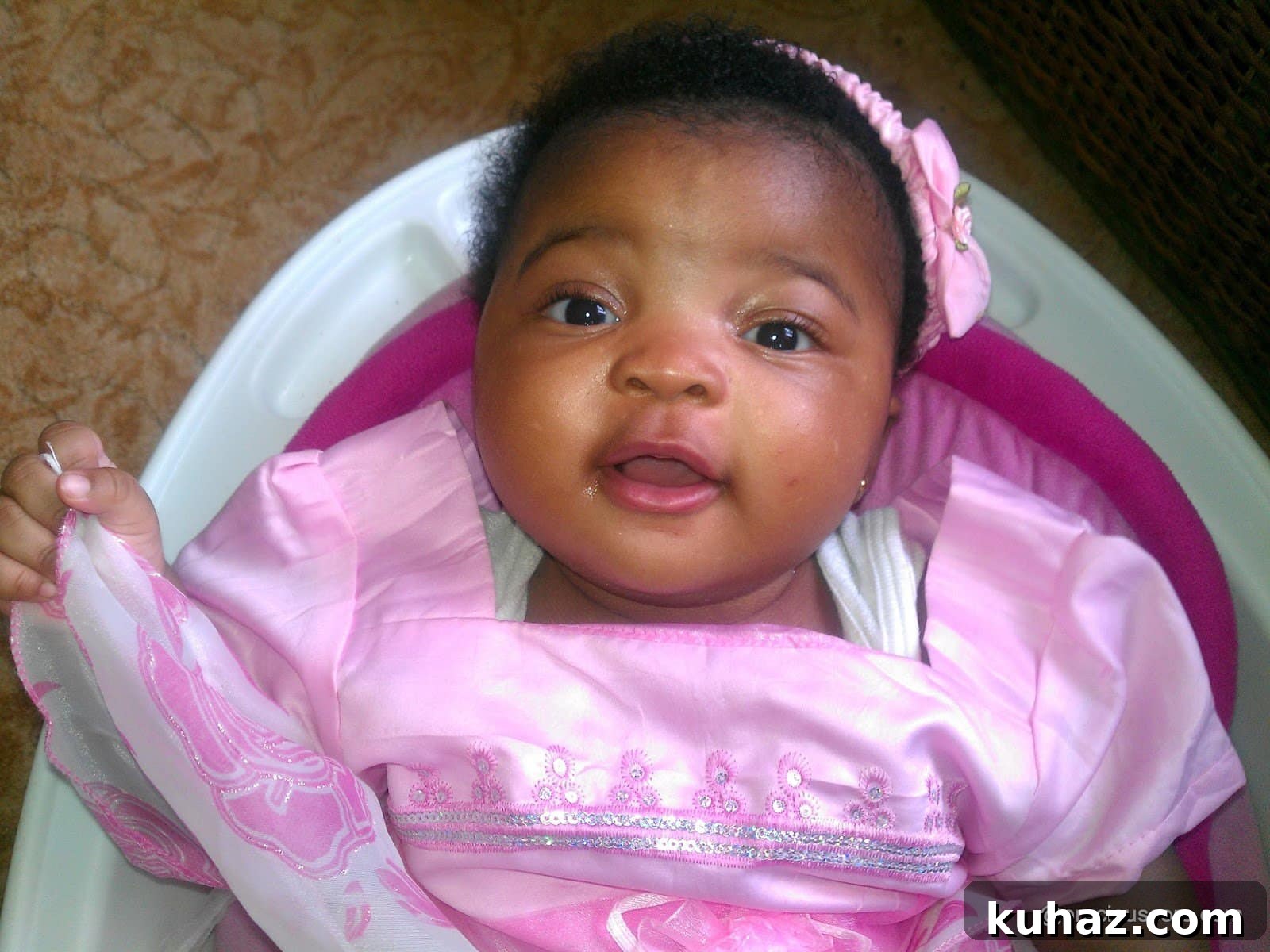
Today Salma is growing strong and healthy. Each time I look at her I remember those long days and nights of labour, the worry, the hope, and the prayers that sustained us. If you are facing a situation that seems hopeless, persistent and determined prayer—paired with practical support—can make a difference. My own story of labour and delivery is proof that hope, faith, and care can lead to a joyful outcome.
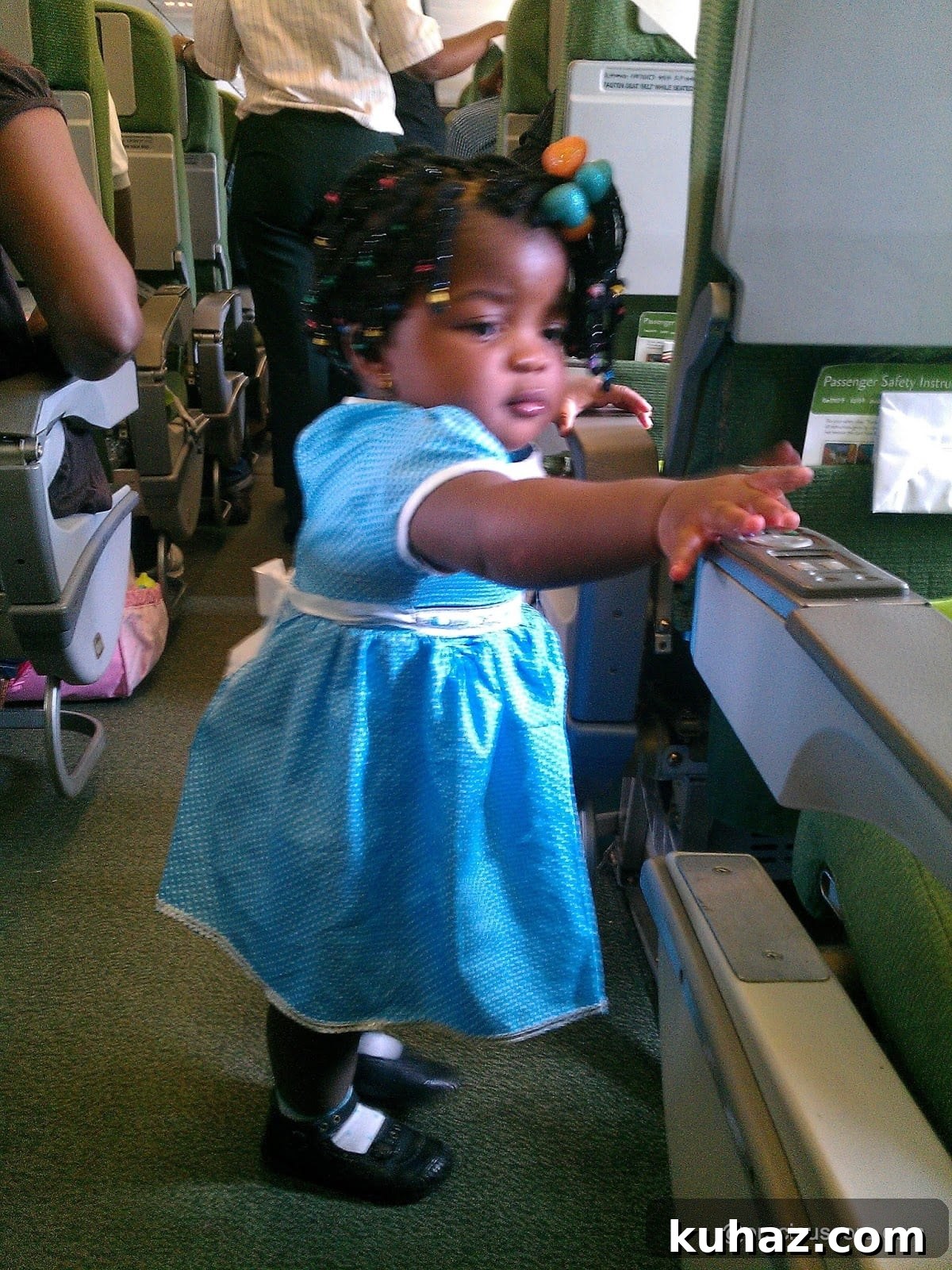 |
| Salma at 10 months |
If you are preparing for birth, remember that every labour is unique. Surround yourself with supportive people, follow medical advice, and hold on to the things that give you strength—whether that is prayer, loved ones, or trusted caregivers. For me, those elements combined to bring Salma safely into the world.