My fiancé’s sister is an elementary school teacher in Seattle, Washington. When her class heard that her big brother had moved from Portland, Oregon to Cape Town, South Africa, they had a long list of thoughtful questions about what life is like here. My fiancé and I answered them together, and I was impressed by how curious and observant the students were. Their questions covered daily life in South Africa, food, animals, homes, culture, schools, sports, money, and even the Super Bowl. Here are their questions and our answers.
How is daily life in South Africa different from here?
Daily life in South Africa is different from life in the United States in many small but noticeable ways. One funny difference is how people use the word “now.” If someone says they will be with you “just now,” they usually mean in a few minutes, not immediately. If they say “right now,” then they mean right away.
Driving is also very different. People drive on the opposite side of the road, and traffic can feel more aggressive than what we are used to at home. Another everyday difference is electricity. We buy electricity at the grocery store, and people tend to be careful about how much they use because power is not always as reliable. Sometimes the electricity goes out simply because there is not enough available. Slow internet has probably affected us the most in our daily routine. We did not realize how much we depended on fast, steady internet until we did not have it.
Although many people in Cape Town speak English, roads and places often have Afrikaans names, which can be difficult to pronounce at first. For example, we visited beaches called Bloubergstrand and Smitswinkelbaai. Everyday words can be different too. Ketchup is called tomato sauce, tomato sauce is called tomato puree, a barbecue is called a braai, a sausage is called boerewors, and Diet Coke is called Coke Light.
There are many wonderful parts of daily life in Cape Town as well. The weather is usually beautiful, and what people here call “cold” often feels mild to us. Life moves a little more slowly, which can be frustrating at first but also encourages us to relax and enjoy our surroundings. Restaurants are a good example: service can feel slower, but meals are more relaxed. There is also always something interesting to do, from visiting the beach and the waterfront to hiking, exploring game reserves, or attending festivals.
Do they have any unusual foods?
We have tried many foods in South Africa that we would not normally see in the United States. Since arriving, we have eaten ostrich and springbok, which is similar to deer. We have also seen warthog and crocodile on restaurant menus. The fish is different too. Popular choices include hake, line fish, and snoek.
Boerewors, a traditional South African sausage, is eaten often and is delicious. There are also many fruits and vegetables that are less common at home, such as Cape gooseberries, dragon fruit, litchi, and baby marrows, which are small squash. Avocados, mangoes, and corn are also very popular. Corn is especially important, and a staple food called maize meal, or pap, is a little like grits.
South African cuisine is exciting because it has been influenced by many cultures, including Dutch, Malay, British, and local African traditions. That mix makes the food one of the most interesting parts of living here.
What are the animals like there? Have you seen any wild animals?
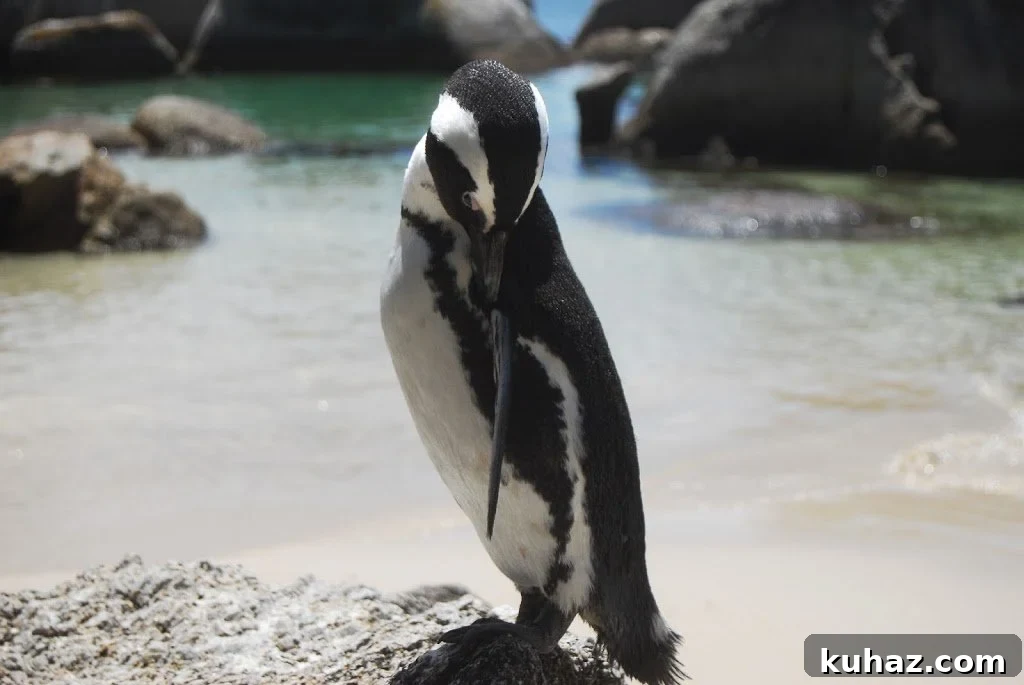
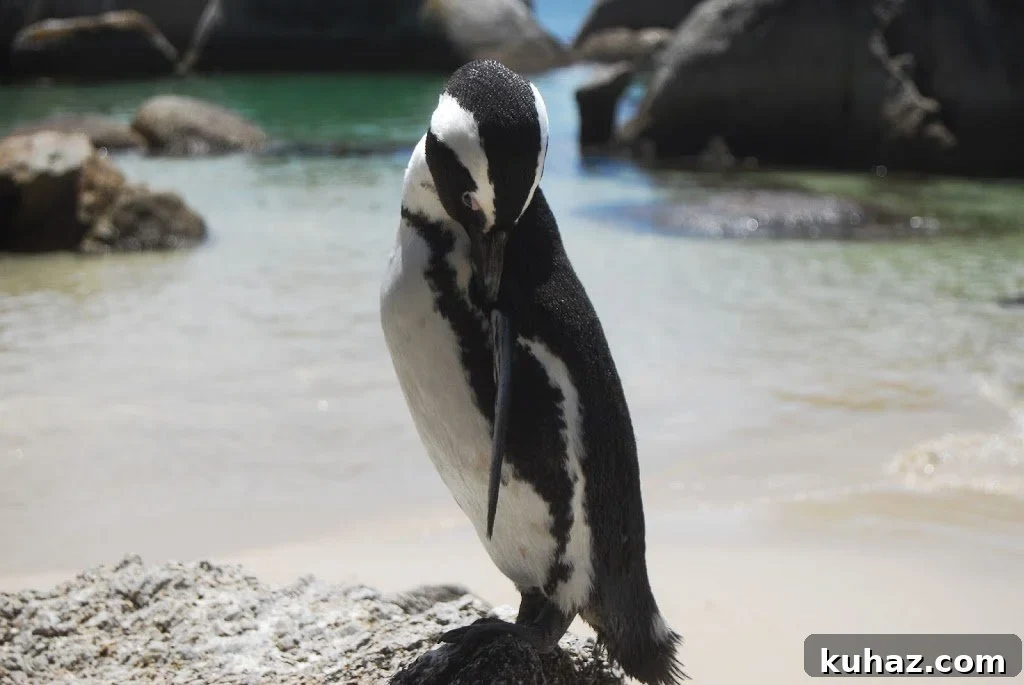
The animals in South Africa are one of the most exciting parts of being here. There is a beach not far from our house where penguins live. It is a warm, beautiful beach, and the penguins wander around while people picnic, swim, and enjoy the sand. It is amazing to see them so close.
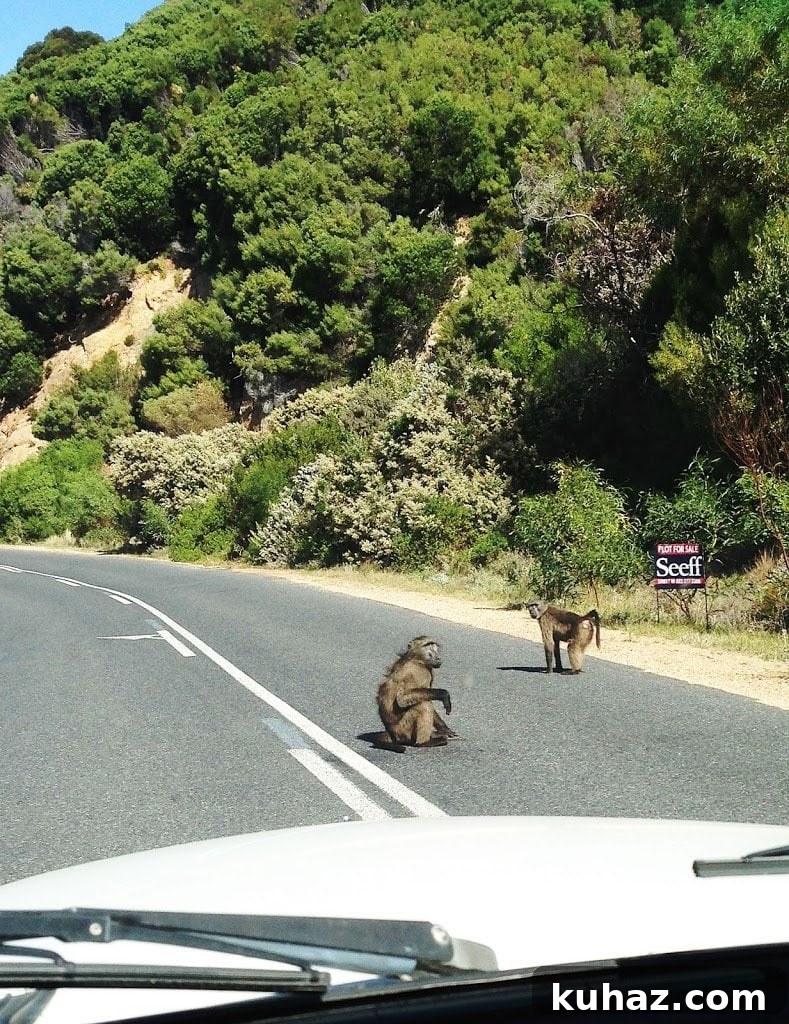
We have also seen baboons. One day, while driving, we had to stop and wait for baboons to cross the road. Many hiking areas around Cape Town have warning signs telling people not to feed them. Seeing wild animals in everyday places still feels surprising and exciting to us.
What are the houses like?
Many of the houses in Cape Town are beautiful. In our neighborhood and nearby areas, there is a lot of Cape Dutch architecture. This style is named after Dutch colonists who built many of the region’s older buildings. These houses are often made of cement, painted white, and decorated with elegant details.
Cape Town also has a famous neighborhood called Bo-Kaap, known for its brightly painted houses. Bo-Kaap is an important center of Cape Malay culture, one of the many unique cultural communities in the city.
Not far from Cape Town’s city center are many townships. Townships are urban residential areas largely populated by low-income Black South Africans. Many are affected by serious underdevelopment, and some residents have unreliable access to clean water, electricity, and waste treatment. They are a visible legacy of South Africa’s long history of economic, legal, and political racial inequality, including laws that controlled where people of different racial classifications were allowed to live. Millions of South Africans live in townships across the country.
What is the culture like?
South Africa is an extremely diverse country, so there is not just one single “South African culture.” Instead, there are many cultural traditions, languages, histories, foods, music styles, and ways of life. One of the best examples of this diversity is that South Africa has 11 official languages. Some of the widely spoken languages have roots in southern Africa, such as Xhosa, Zulu, Sotho, and Setswana, while others, including Afrikaans and English, have European roots.
This cultural diversity is one of the things that makes South Africa such a fascinating and meaningful place to live. Everywhere we go, we learn something new.
What is the coolest thing you have seen since living there?
Chelsea: The coolest thing I have seen since moving to Cape Town is the city from the top of Table Mountain. Cape Town sits beneath this incredible mountain, which is completely flat on top. That is why it is called Table Mountain. A cable car takes visitors to the summit, where there are unique plants, lizards, and sweeping views of the city, ocean, and coastline. I have never experienced anything quite like looking down over a city as beautiful as Cape Town from such a dramatic viewpoint. The penguins are a close second.
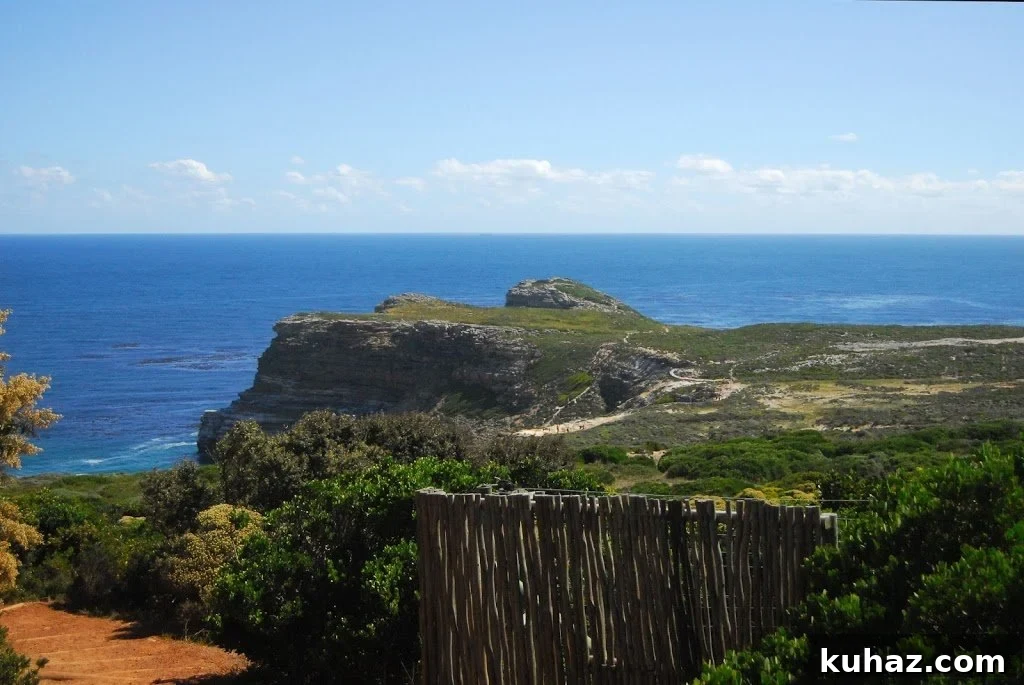
Fiancé: Cape Town is near the southwestern tip of South Africa and the African continent. The city sits on the Cape Peninsula, a long piece of land that extends into the ocean. Chelsea and I visited the very tip of the peninsula, and it was an incredible feeling to be surrounded by ocean and to know that there was nothing but water between us and the South Pole. Seeing wild baboons and penguins has also been unforgettable.
What do you miss most about the U.S.?
Chelsea: Besides my family and friends, I really miss fast internet. I never realized how much I depended on it until our connection became slow or unreliable. Sometimes the internet goes out without warning, and sometimes it becomes so slow that we can barely use it. That is difficult because the internet is our main way to communicate with people at home. Video calls are especially hard when the connection is weak. Since I also blog full time, reliable internet is important for my work and daily routine.
I also miss television more than I expected. We only have a few channels, and they often show programs in languages I do not understand or soap operas that I do not really enjoy.
Fiancé: Chelsea sounds a little spoiled, doesn’t she? I’m kidding. I mostly miss my family and friends. I would also love to watch my favorite basketball team, the Portland Trail Blazers, during the NBA playoffs, but for now I have to settle for reading about the games online.
What is the money called?
South Africa’s currency is called the rand. Prices are written with an “R,” like this: R17.99. About 10 rand are equal to one U.S. dollar.
South African paper bills feature a portrait of Nelson Mandela, the country’s first democratic president, on the front. On the back are pictures of the “Big Five” animals found in South Africa: the lion, leopard, Cape buffalo, rhino, and elephant.

What is the government like?
South Africa’s government is quite different from the government of the United States. One major difference is that South Africa is more or less a unitary state, which means most authority is held by the national government. The United States uses a federal system, where power is shared between the national government and the states.
Another difference is how the president is chosen. South Africans do not directly elect the president in the same way Americans do. Instead, voters choose a political party. Seats in Parliament are then given to parties based on the share of votes they receive. After that, Parliament elects the president.
This system is called proportional representation. One result is that South Africa’s Parliament includes many political parties, unlike the United States Congress, where two major parties dominate.
Are there different jobs?
Most jobs in South Africa are similar to jobs in the United States, but some types of work are more common here. For example, there are many more security guards because homes and businesses rely heavily on security. Many public parking areas also have car guards. When we first arrived, we did not understand what they were doing. Car guards watch your car, help you park, and usually hope for a small tip when you return.
There are also more jobs connected to private game reserves. These reserves are privately owned areas where animals such as lions, rhinos, elephants, and cheetahs can be protected from habitat destruction and poaching. Overall, though, many careers and workplaces are similar to those at home.
Are the schools like schools here?
Elementary and secondary schools in South Africa are somewhat different from schools in the United States. Many schools are separated by gender, and most require students to wear uniforms every day. Some schools, especially outside big cities, are run down and need repairs. In certain areas, schools may even lack proper access to toilets. Like many parts of life in South Africa, schools can vary greatly depending on location and resources.
Do they play different sports?
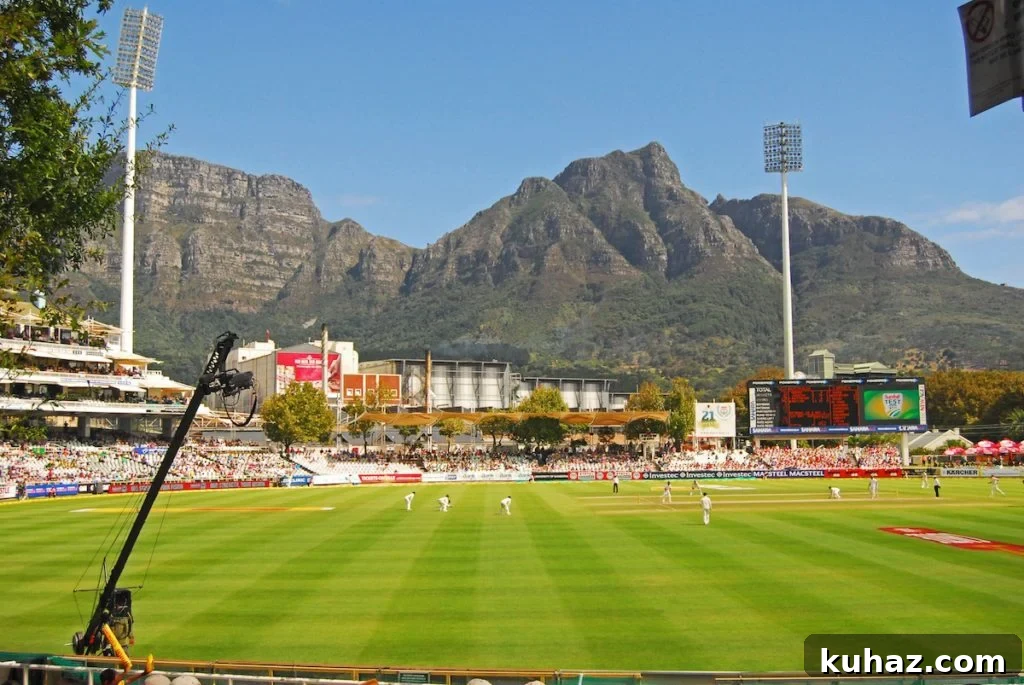
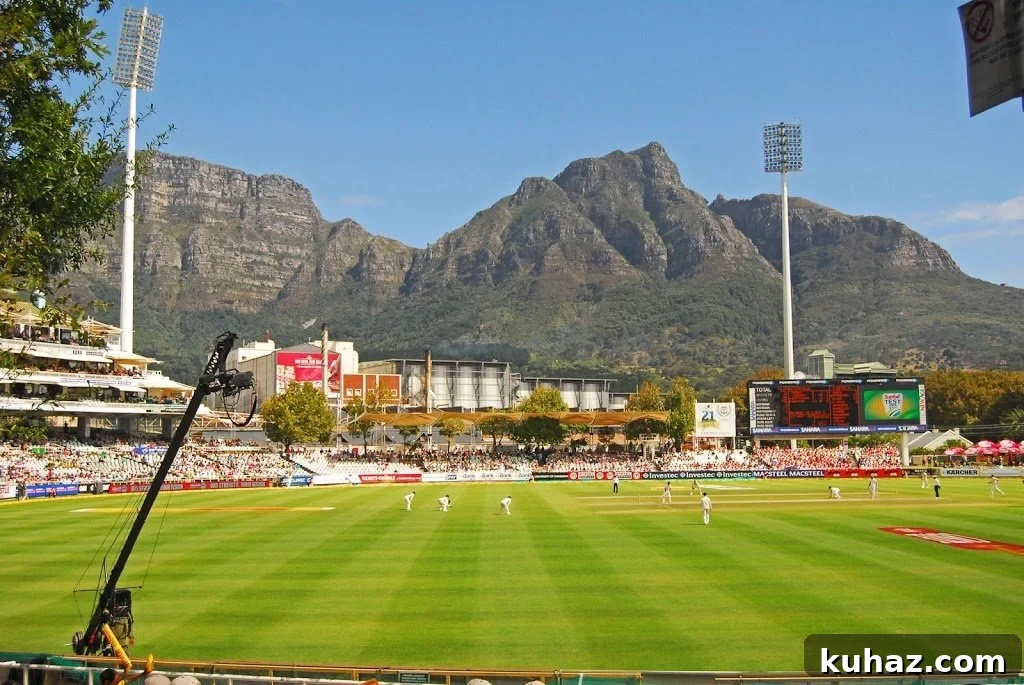
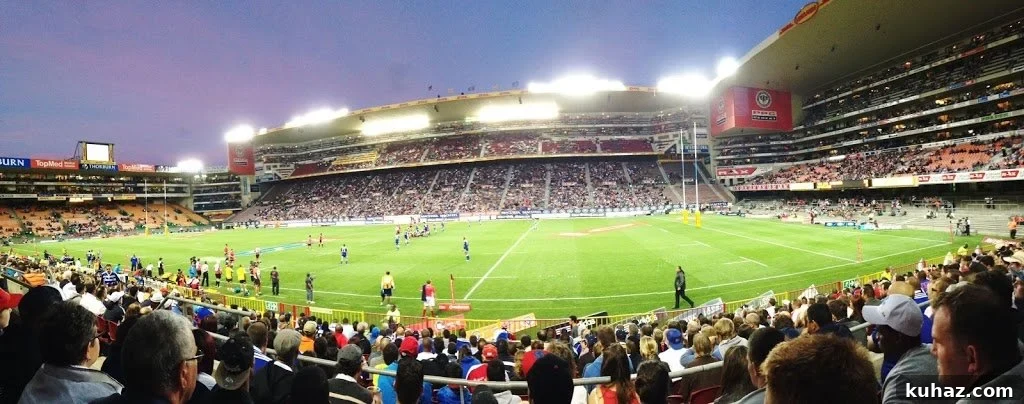
Yes, South Africans do play different sports. Professional American football and basketball are not popular here in the same way they are in the United States. The biggest sports are soccer, rugby, and cricket. Cricket feels a little like a distant cousin of baseball, while rugby seems like a mix of soccer and football. We have been lucky enough to attend both a rugby match and a cricket match, and it is clear that South Africans love their sports.
What pets do people have?
People in South Africa usually have the same kinds of pets that people have in the United States. Cats and dogs are the most common. We have not seen any exotic pets yet, but if we do, we will definitely let everyone know.
Did you watch the Seahawks win the Superbowl?
We did not get to watch the Seahawks win the Super Bowl, even though we really wish we could have. We had arrived in Cape Town only a few days earlier, and our internet was not set up yet. The game was not being shown on local television either. We did read all about it afterward and looked at plenty of pictures, but it would have been much more fun to watch it live.