Pumpkin seeds and sunflower seeds are popular for snacking, scattering over salads, or stirring into oatmeal. Both are nutrient-dense and easy to use, but which one is the better choice for your goals?
I’m Jamie, a registered dietitian with over a decade of experience. In this article I’ll compare pumpkin seeds and sunflower seeds so you can decide which fits your diet and taste preferences.
Below we’ll review nutrition, flavor, health benefits, allergy considerations, and simple ways to add more seeds into your meals.
Nutritional value of pumpkin seeds vs sunflower seeds
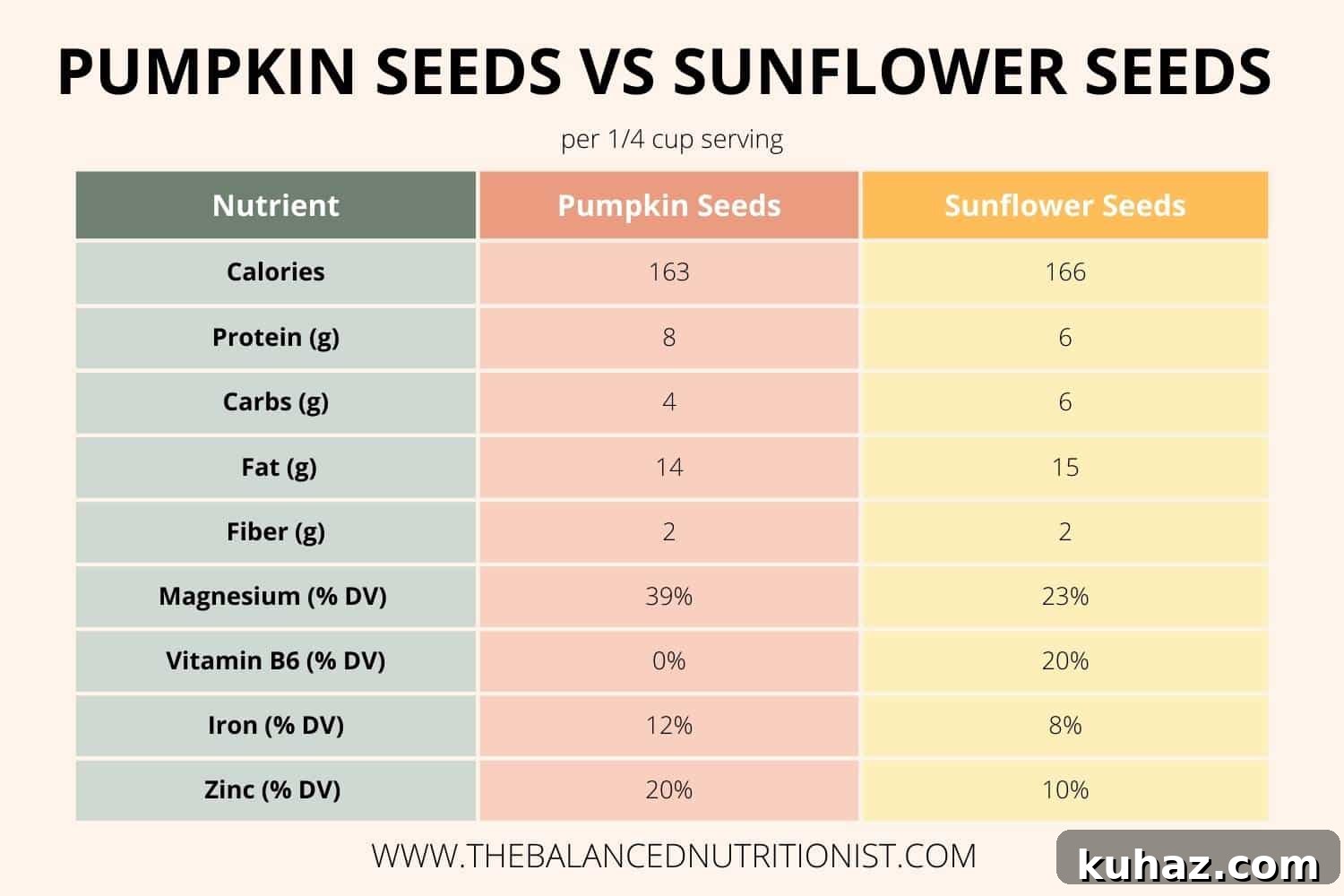
Comparing a 1/4 cup (about 1 ounce) of each seed highlights their similarities and small differences. Both provide protein, fiber, healthy fats, and important minerals that make them a smart addition to a balanced diet.
Pumpkin seeds
¼ cup pumpkin seeds
- About 10 grams of protein
- About 1.5 grams of fiber
Pumpkin seeds are particularly notable for their protein content and for minerals such as magnesium, zinc, and potassium. Magnesium is commonly low in many diets, so pumpkin seeds can be a useful source to help support body functions like muscle and nerve health.
Sunflower seeds
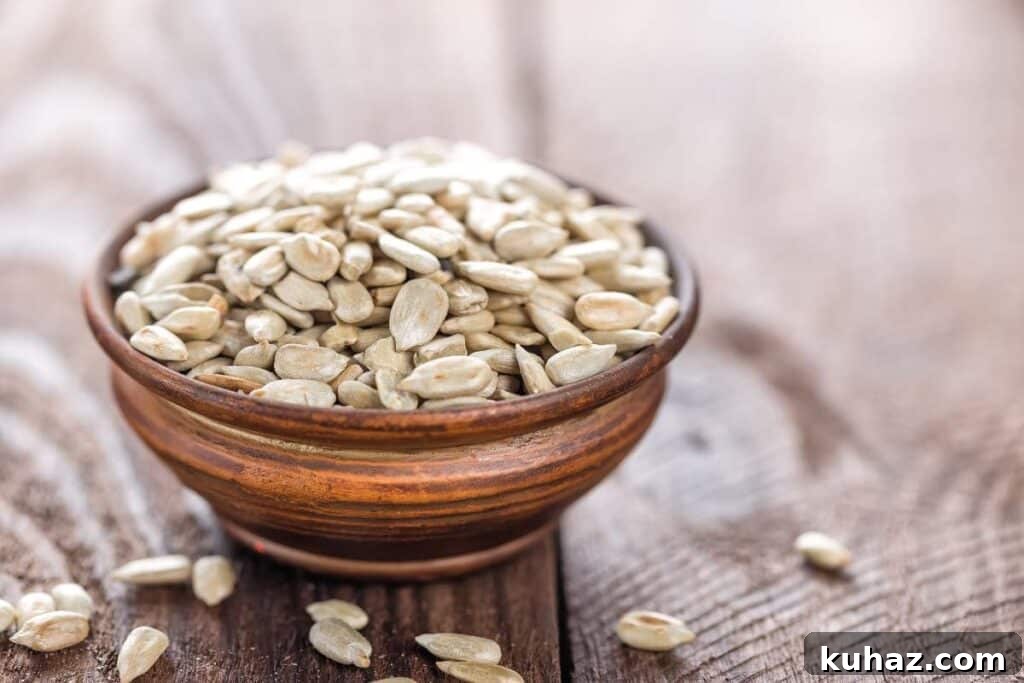
Sunflower seeds can be sold in-shell or shelled. When shelled, they are often added to recipes or eaten by the handful.
¼ cup shelled sunflower seeds
- About 6 grams of protein
- About 2 grams of fiber
Sunflower seeds are rich in vitamin E, several B vitamins, and minerals such as copper and magnesium. Overall they tend to be slightly higher in fat and fiber, while pumpkin seeds usually provide more protein per serving.
Either seed gives you plant-based protein, fiber, and unsaturated fats that support digestion and help you feel full between meals.
Pumpkin seeds vs. pepitas
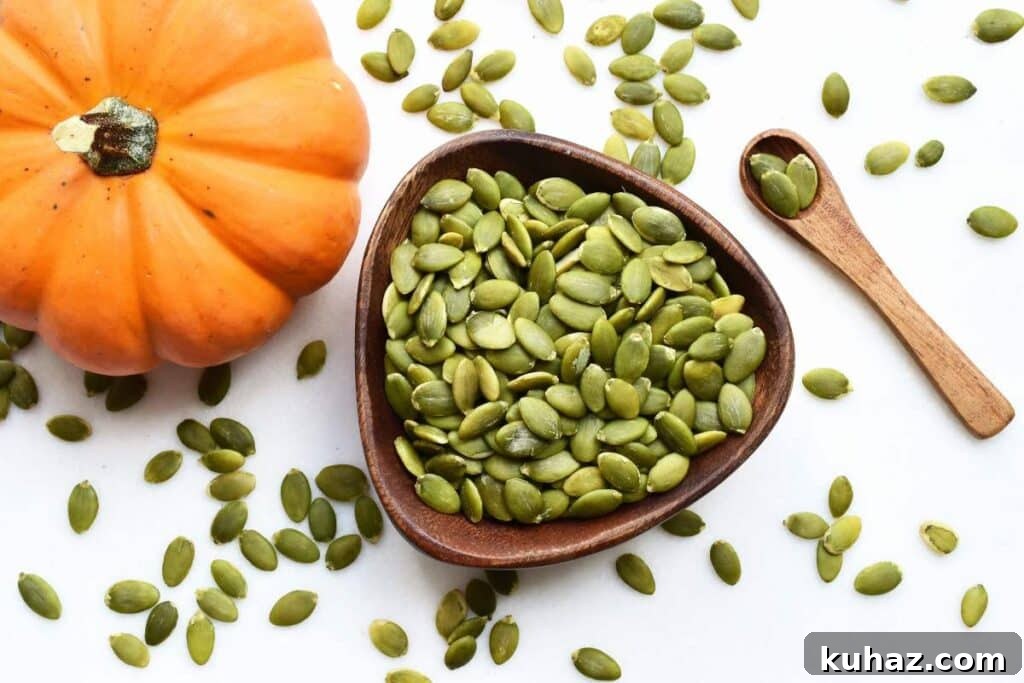
Pepitas are simply a variety of pumpkin seed — the green inner seed without the white hull. You may see both types for sale, but they are the same seed source presented differently. Use whichever you prefer for texture and appearance in recipes.
Health benefits
Both pumpkin and sunflower seeds offer healthful nutrients linked to positive outcomes in research. Their fiber and unsaturated fat content can support heart health and digestion, while vitamins and minerals support many body systems.
Pumpkin seeds have been associated with potential benefits like supporting heart health, helping to manage inflammation, and assisting blood sugar control. Sunflower seeds are noted for their vitamin E content, antioxidant activity, and possible benefits for cholesterol and immune support. Evidence continues to grow, and while individual studies are encouraging, more research is needed to confirm specific effects.
Including either seed in a varied, plant-forward diet is a practical way to boost nutrient intake without relying on supplements.
Flavor
Texture and taste differ slightly between the two. Pumpkin seeds have a mild nutty-earthy flavor and tend to be a bit firmer and crunchier. Sunflower seeds are milder and slightly softer when chewed. Both roast and raw seeds work well in salads, yogurt, oatmeal, trail mix, baked goods, or simply eaten as a snack.
Allergies
For people with tree nut or peanut allergies, pumpkin and sunflower seeds are common, safe alternatives. Seed-based spreads like sunflower seed butter and pumpkin seed butter provide nut-butter-like options for sandwiches and baking. (A note: sunflower seed butter can sometimes react with certain baking ingredients and change color to a harmless blue-green shade.)
How to eat more seeds
Seeds are an easy way to add crunch, flavor, and nutrients. Try these simple ideas:
- Sprinkle seeds over soups or salads for added texture.
- Top smoothie bowls, yogurt, or oatmeal with a tablespoon or two.
- Mix seeds into trail mix or homemade granola for portable snacks.
- Stir seeds into baked goods like quick breads or muffins for extra nutrition.
- Use roasted seeds as a garnish for roasted vegetables or grain bowls.
Roasting seeds with a light seasoning enhances flavor and adds a toasty aroma that many people prefer.
That’s a wrap
So, which is better? There’s no single winner. Both pumpkin seeds and sunflower seeds are nutritious, versatile, and easy to include in a balanced diet. Your choice can depend on your protein needs, flavor preference, or how you plan to use them in recipes.
Keep a mix of both on hand and use them according to taste and convenience. Either way, a small handful can boost the nutrient quality of many meals and snacks.
You’ll Also Love:
Hemp Seeds vs Chia Seeds vs Flax Seeds: What’s Healthier?
Collagen vs. Protein Powder: Which is Best for You?
Are Greens Powders a Waste of Money?